

• Research
  • Emissary
  • About
  • Experts
Carnegie Global logoCarnegie lettermark logo
Democracy
  • Donate
{
  "authors": [
    "Toby Dalton",
    "Karl Friedhoff",
    "Lami Kim"
  ],
  "type": "other",
  "centerAffiliationAll": "dc",
  "centers": [
    "Carnegie Endowment for International Peace"
  ],
  "collections": [
    "Korean Peninsula"
  ],
  "englishNewsletterAll": "",
  "nonEnglishNewsletterAll": "",
  "primaryCenter": "Carnegie Endowment for International Peace",
  "programAffiliation": "NPP",
  "programs": [
    "Nuclear Policy"
  ],
  "projects": [],
  "regions": [
    "East Asia",
    "South Korea"
  ],
  "topics": [
    "Nuclear Policy"
  ]
}
REQUIRED IMAGE

REQUIRED IMAGE

Other

Thinking Nuclear: South Korean Attitudes on Nuclear Weapons

New public opinion data finds robust support for a domestic nuclear weapons program in South Korea.

Link Copied
By Toby Dalton, Karl Friedhoff, Lami Kim
Published on Feb 21, 2022
Program mobile hero image

Program

Nuclear Policy

The Nuclear Policy Program aims to reduce the risk of nuclear war. Our experts diagnose acute risks stemming from technical and geopolitical developments, generate pragmatic solutions, and use our global network to advance risk-reduction policies. Our work covers deterrence, disarmament, arms control, nonproliferation, and nuclear energy.

Learn More

Chicago Council

Authors

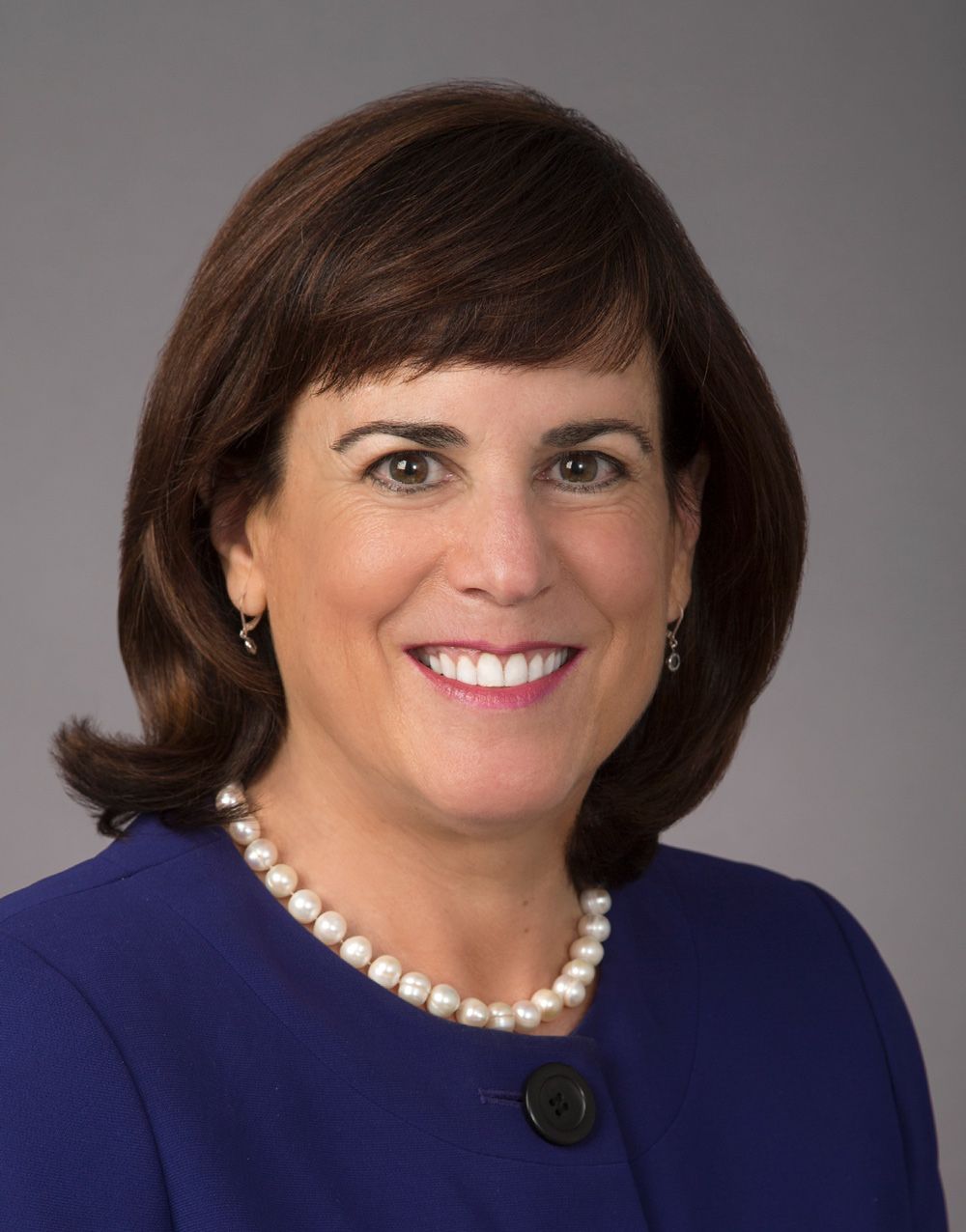
Toby Dalton
Senior Fellow and Co-director, Nuclear Policy Program
Toby Dalton
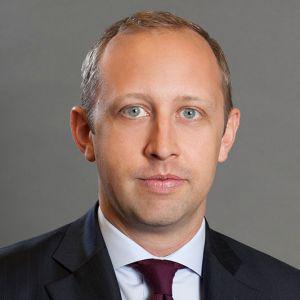
Karl Friedhoff

Karl Friedhoff is the Marshall M. Bouton fellow for Asia Studies at the Chicago Council on Global Affairs.

Karl Friedhoff
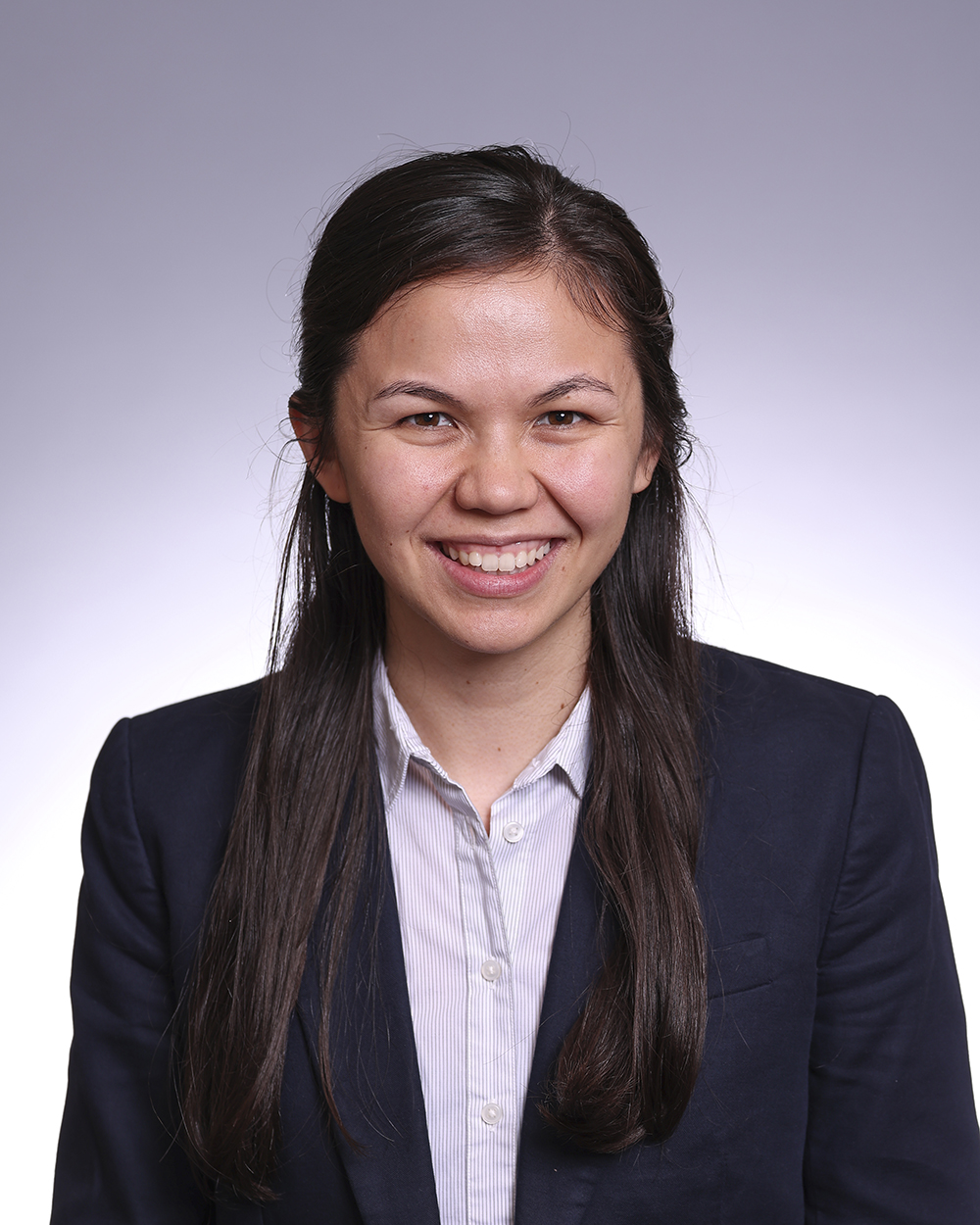
Lami Kim

Lami Kim is an assistant professor in the Department of National Security and Strategy at the U.S. Army War College, a US-Korea nextgen scholar at the Center for Strategic and International Studies, and an adjunct fellow at Pacific Forum.

Lami Kim
Nuclear PolicyEast AsiaSouth Korea

Carnegie does not take institutional positions on public policy issues; the views represented herein are those of the author(s) and do not necessarily reflect the views of Carnegie, its staff, or its trustees.

More Work from Carnegie Endowment for International Peace

  • Commentary
    Carnegie Politika
    For Putin, Increasing Russia’s Nuclear Threat Matters More Than the Triad’s Modernization

    For Putin, upgrading Russia’s nuclear forces was a secondary goal. The main aim was to gain an advantage over the West, including by strengthening the nuclear threat on all fronts. That made growth in missile arsenals and a new arms race inevitable.

      Maxim Starchak

  • A Quarter Century of Nuclear South Asia: Nuclear Noise, Signalling, and the Risk of Escalation in India-Pakistan Crises
    Paper
    A Quarter Century of Nuclear South Asia: Nuclear Noise, Signalling, and the Risk of Escalation in India-Pakistan Crises

    A close study of five crises makes clear that Cold War logic doesn’t apply to the South Asia nuclear powers.

      • Rizwan Zeb

      Moeed Yusuf, Rizwan Zeb

  • A New Era of Nuclear-Powered Submarines Is Making Waves in Nuclear-Weapon-Free Zones
    Research
    A New Era of Nuclear-Powered Submarines Is Making Waves in Nuclear-Weapon-Free Zones

    As states without nuclear weapons develop nuclear-powered submarines, can NWFZ regimes adapt to manage new technical, legal, procedural, and normative challenges?

      Jamie Kwong, ed., Toby Dalton, ed., Celia McDowall, ed.

  • Navigating Responsible Stewardship of Nuclear-Powered Submarines
    Research
    Navigating Responsible Stewardship of Nuclear-Powered Submarines

    As the first states without nuclear weapons set to acquire nuclear-powered attack submarines, Australia and Brazil face new questions and challenges as they seek to responsibly manage the risks of naval nuclear propulsion.

      Jamie Kwong, ed., Toby Dalton, ed.

  • Assessing the International Legality of Nuclear Threats
    Paper
    ‘All Options Are on the Table’: Assessing the International Legality of Nuclear Threats

    There is an urgent need to strengthen the relevant international legal frameworks if they are to protect against threats to use nuclear weapons.

      Anna Hood, Monique Cormier

Get more news and analysis from
Carnegie Endowment for International Peace
Carnegie global logo, stacked
1779 Massachusetts Avenue NWWashington, DC, 20036-2103Phone: 202 483 7600Fax: 202 483 1840
  • Research
  • Emissary
  • About
  • Experts
  • Donate
  • Programs
  • Events
  • Blogs
  • Podcasts
  • Contact
  • Annual Reports
  • Careers
  • Privacy
  • For Media
  • Government Resources
Get more news and analysis from
Carnegie Endowment for International Peace
© 2026 Carnegie Endowment for International Peace. All rights reserved.