
• Research
  • Emissary
  • About
  • Experts
Carnegie Global logoCarnegie lettermark logo
DemocracyIran
  • Donate
{
  "authors": [
    "Oliver Stuenkel"
  ],
  "type": "legacyinthemedia",
  "centerAffiliationAll": "dc",
  "centers": [
    "Carnegie Endowment for International Peace"
  ],
  "collections": [],
  "englishNewsletterAll": "democracy",
  "nonEnglishNewsletterAll": "",
  "primaryCenter": "Carnegie Endowment for International Peace",
  "programAffiliation": "DCG",
  "programs": [
    "Democracy, Conflict, and Governance"
  ],
  "projects": [],
  "regions": [
    "North America",
    "South America"
  ],
  "topics": [
    "Political Reform",
    "Democracy"
  ]
}
REQUIRED IMAGE

REQUIRED IMAGE

In The Media

Why Reelection Would Embolden Bolsonaro Even More

Brazil’s President Jair Bolsonaro has been catching up in the polls with his main rival, Luiz Inácio Lula da Silva, ahead of the October presidential elections.
Link Copied
By Oliver Stuenkel
Published on May 10, 2022
Program mobile hero image

Program

Democracy, Conflict, and Governance

The Democracy, Conflict, and Governance Program is a leading source of independent policy research, writing, and outreach on global democracy, conflict, and governance. It analyzes and seeks to improve international efforts to reduce democratic backsliding, mitigate conflict and violence, overcome political polarization, promote gender equality, and advance pro-democratic uses of new technologies.

Learn More

Americas Quarterly

About the Author

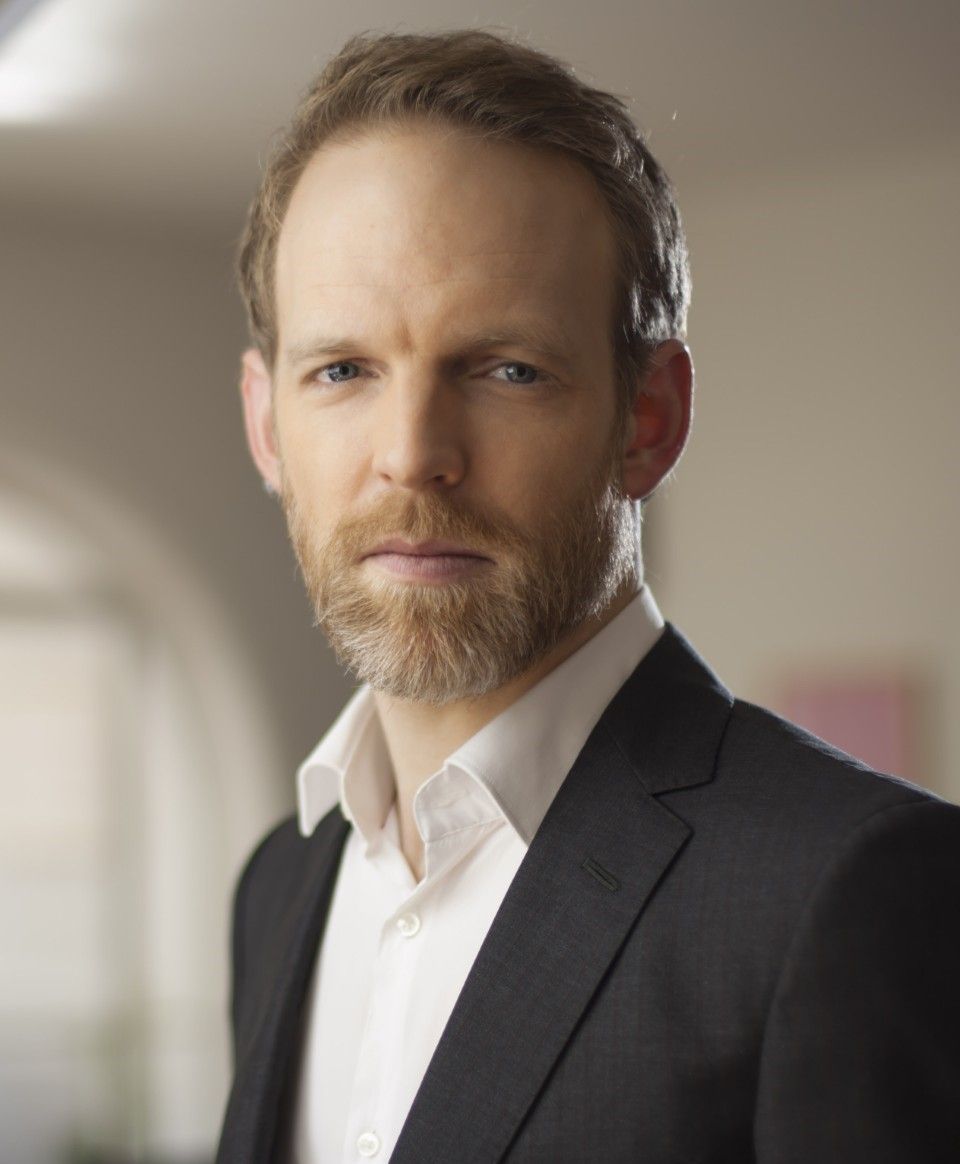
Oliver Stuenkel

Senior Fellow, Democracy, Conflict, and Governance Program

Oliver Stuenkel is an associate professor at the School of International Relations at Fundação Getulio Vargas (FGV) in São Paulo, Brazil. He is also a senior fellow affiliated with the Democracy, Conflict, and Governance Program at the Carnegie Endowment for International Peace.

    Recent Work

  • Commentary
    The U.S. Plan for Venezuela Has a Precedent. It’s Not Good.

      Oliver Stuenkel, Adrian Feinberg

  • Commentary
    The New Democracy Defenders

      Oliver Stuenkel, Adrian Feinberg

Oliver Stuenkel
Senior Fellow, Democracy, Conflict, and Governance Program
Oliver Stuenkel
Political ReformDemocracyNorth AmericaSouth America

Carnegie does not take institutional positions on public policy issues; the views represented herein are those of the author(s) and do not necessarily reflect the views of Carnegie, its staff, or its trustees.
More Work from Carnegie Endowment for International Peace

  • President of Argentina Javier Milei walks among supporters during his arrival to a closing campaign rally ahead the mid-term election on October 23, 2025 in Rosario, Argentina.
    Paper
    Right-Wing Populism and Strategic Realignment: Argentina’s Milei Experiment

    Argentina’s president blends libertarian populism with leader-centric diplomacy, transnational right-wing networks, and selective disengagement from multilateral institutions.

      Federico Merke

  • The tops of people's heads. Raised above their heads are "No Kings" signs, an upside-down American flag, and a rainbow flag.
    Commentary
    Emissary
    Protests Like No Kings Can Only Go So Far to Stem Authoritarianism

    Lessons from other backsliding democracies show that mass mobilization needs to feed into an electoral strategy. 

      Saskia Brechenmacher, Shreya Joshi

  • Commentary
    Strategic Europe
    Win or Lose, Orbán Has Broken Hungary’s Democracy

    Hungarians head to the polls on April 12 for an election of national and European consequence. Three different outcomes are on the cards, each with their own implications for the EU.

      Zsuzsanna Szelényi

  • Photo of Balen Shah taking a selfie with a group of Nepali adults and children.
    Article
    A New Generation Takes Power in Nepal

    The incoming government has swept Nepal’s election. The real work begins now.

      Amish Raj Mulmi

  • Commentary
    Strategic Europe
    Is France Shifting Rightward?

    The far right failed to win big in France’s municipal elections. But that’s not good news for the country’s left wing, which remained disunited while the broader right consolidated its momentum ahead of the 2027 presidential race.

      Catherine Fieschi

Get more news and analysis from
Carnegie Endowment for International Peace
Carnegie global logo, stacked
1779 Massachusetts Avenue NWWashington, DC, 20036-2103Phone: 202 483 7600Fax: 202 483 1840
  • Research
  • Emissary
  • About
  • Experts
  • Donate
  • Programs
  • Events
  • Blogs
  • Podcasts
  • Contact
  • Annual Reports
  • Careers
  • Privacy
  • For Media
  • Government Resources
Get more news and analysis from
Carnegie Endowment for International Peace
© 2026 Carnegie Endowment for International Peace. All rights reserved.









