

Article
To carry out its global AI agenda, Washington will need strategic relationships with emerging markets in Africa, starting with Kenya.
Jane Munga
{
  "authors": [
    "Mariano-Florentino (Tino) Cuéllar",
    "Benjamin Larsen",
    "Yong Suk Lee",
    "Michael Webb"
  ],
  "type": "other",
  "centerAffiliationAll": "dc",
  "centers": [
    "Carnegie Endowment for International Peace"
  ],
  "collections": [
    "Artificial Intelligence"
  ],
  "englishNewsletterAll": "ctw",
  "nonEnglishNewsletterAll": "",
  "primaryCenter": "Carnegie Endowment for International Peace",
  "programAffiliation": "TIA",
  "programs": [
    "Technology and International Affairs"
  ],
  "projects": [],
  "regions": [
    "North America",
    "United States",
    "Iran"
  ],
  "topics": [
    "Technology"
  ]
}
REQUIRED IMAGE
AI regulation is emerging rapidly and is likely to materialize more substantively across several directions simultaneously. It remains little known, however, how regulation will affect managerial preferences and the likely rate of AI adoption and innovation across different firms and industries.
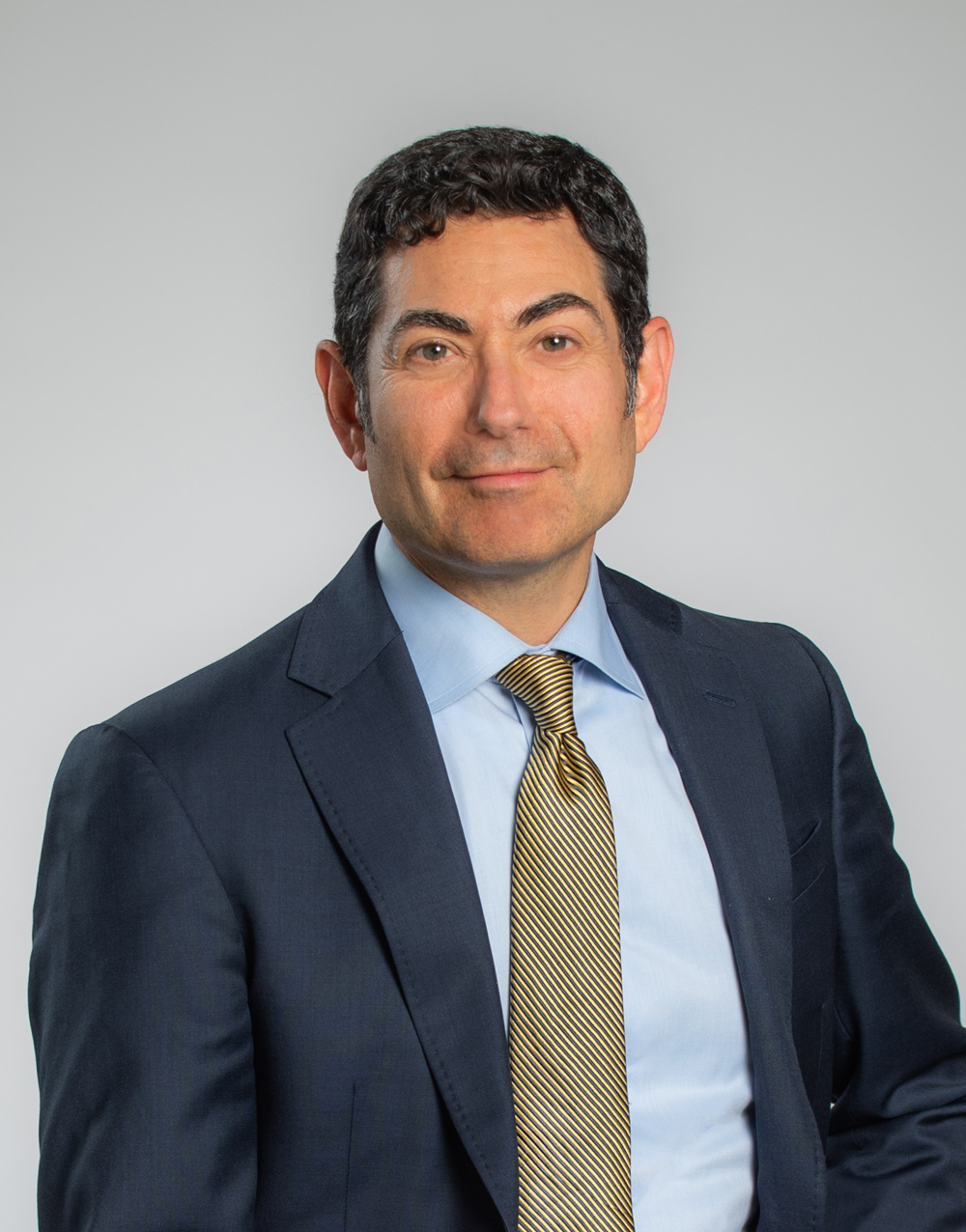
President, Carnegie Endowment for International Peace
Mariano-Florentino (Tino) Cuéllar is the tenth president of the Carnegie Endowment for International Peace. A former justice of the Supreme Court of California, he has served three U.S. presidential administrations at the White House and in federal agencies, and was the Stanley Morrison Professor at Stanford University, where he held appointments in law, political science, and international affairs and led the university’s Freeman Spogli Institute for International Studies.
Benjamin Larsen
Yong Suk Lee
Michael Webb
Carnegie does not take institutional positions on public policy issues; the views represented herein are those of the author(s) and do not necessarily reflect the views of Carnegie, its staff, or its trustees.
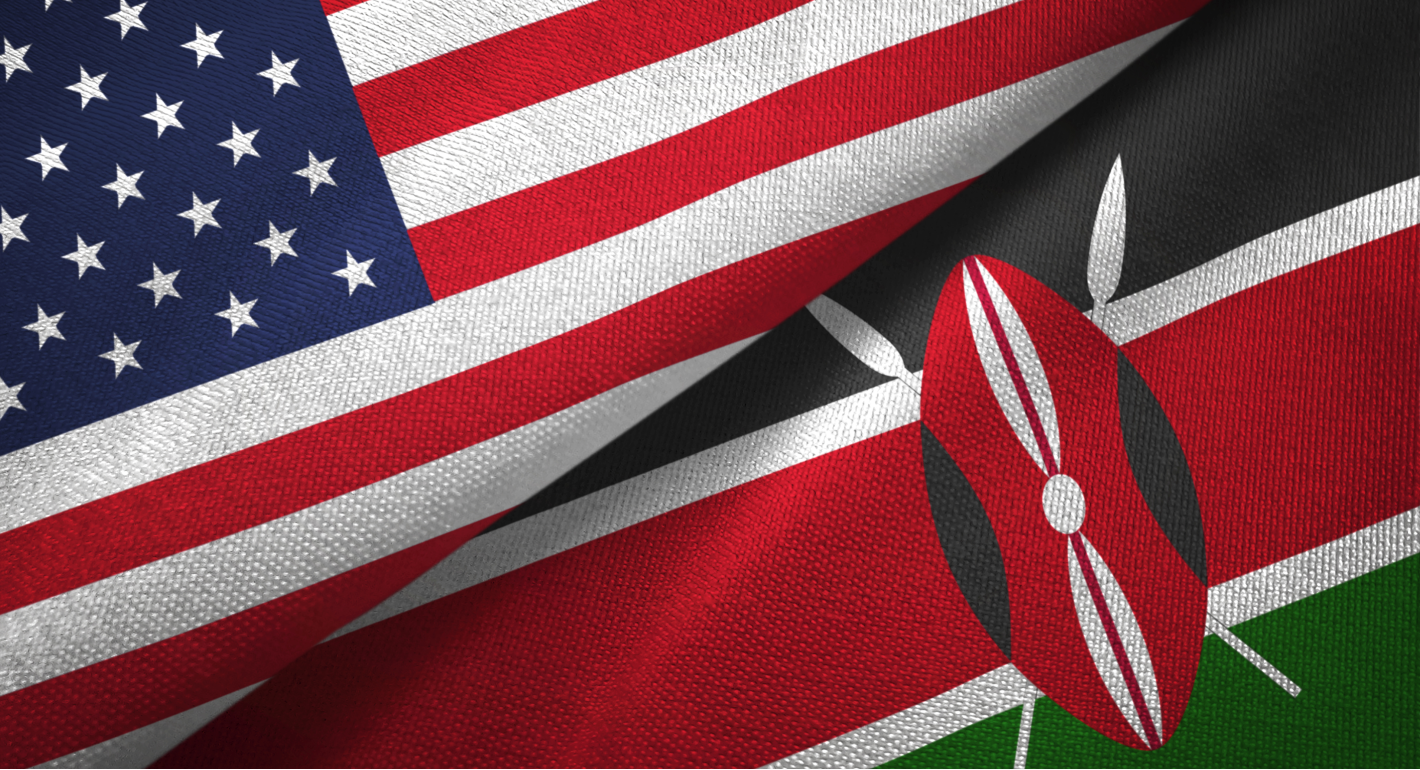
To carry out its global AI agenda, Washington will need strategic relationships with emerging markets in Africa, starting with Kenya.
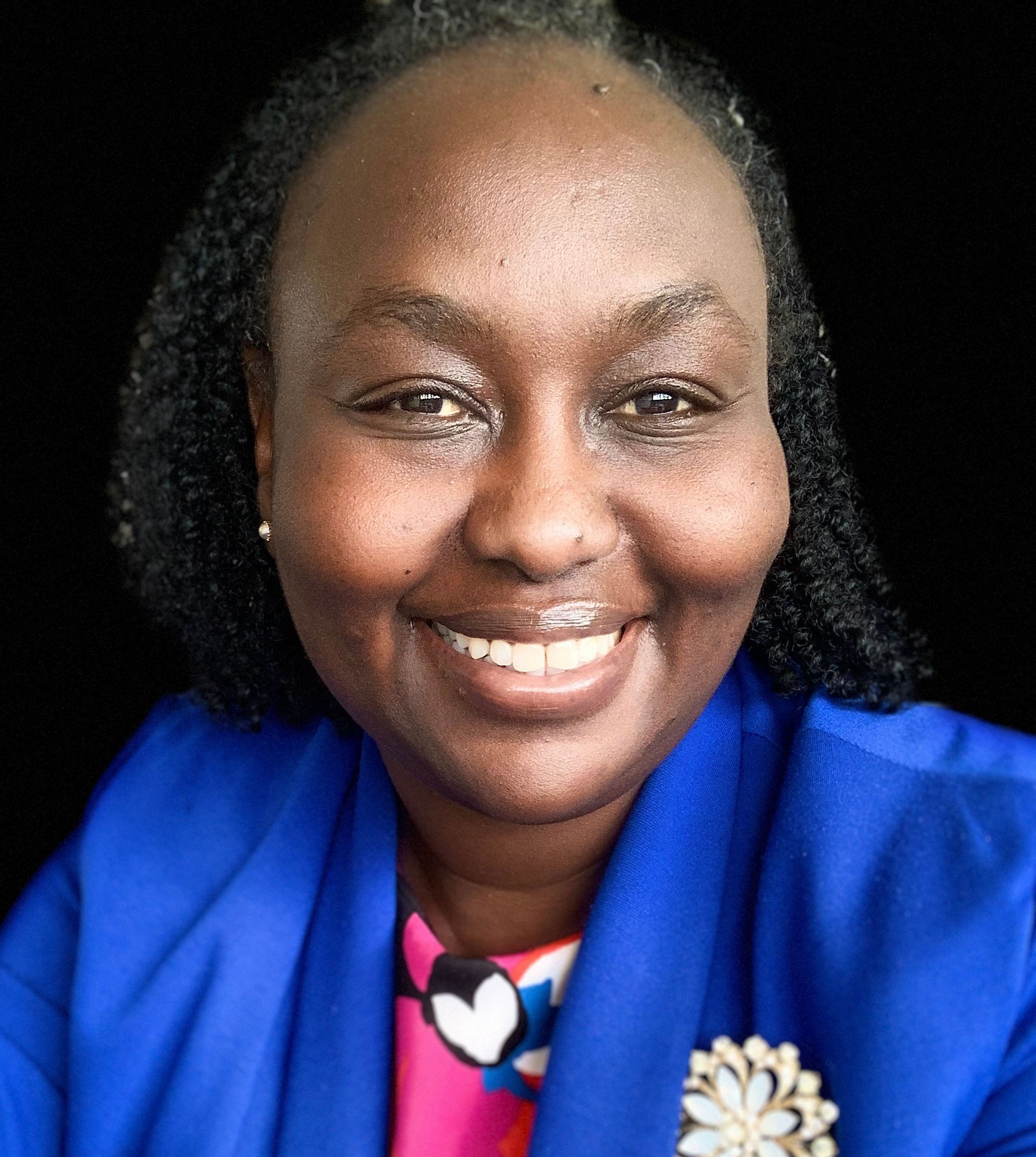
Jane Munga
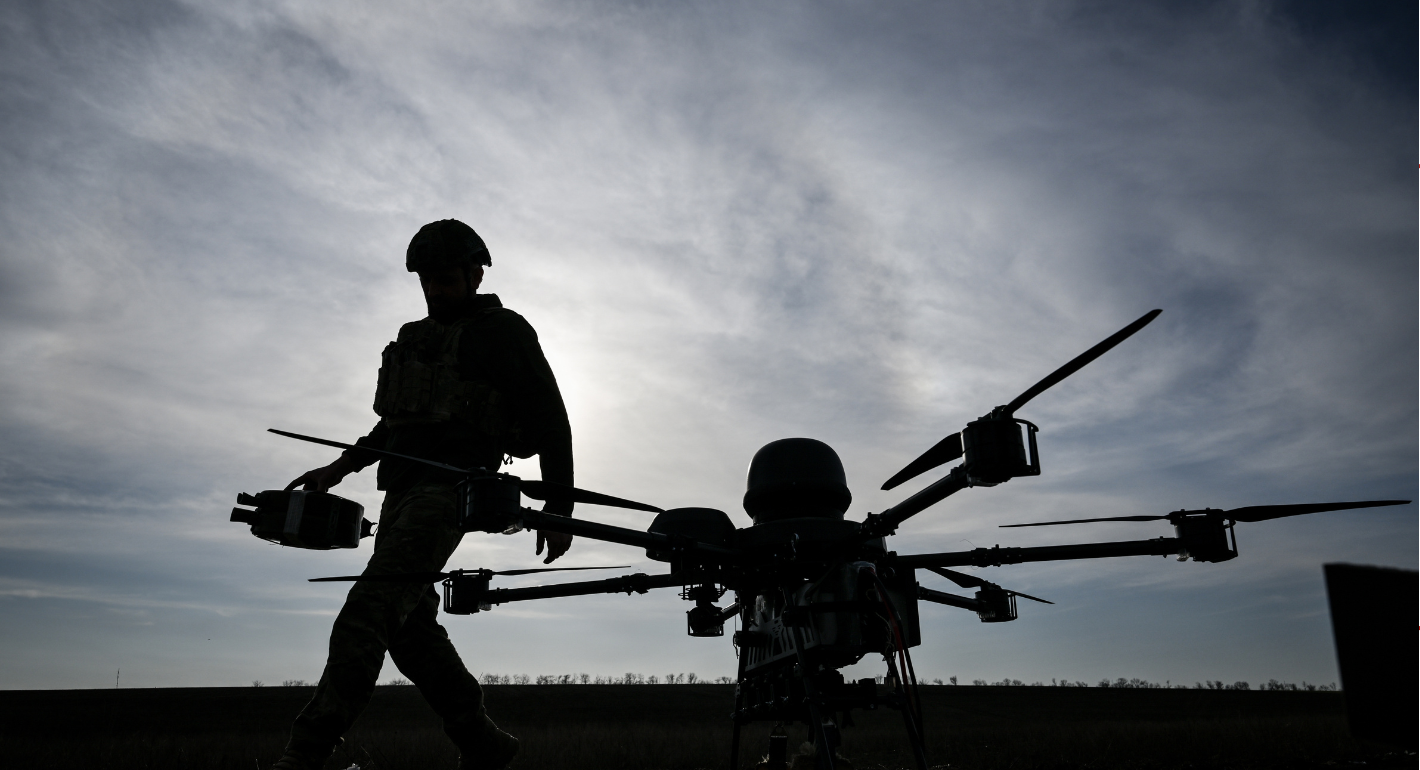
Defense tech innovations will be at the heart of Europe’s new security strategy. But so far, Brussels has been making moves without a broader plan, undermining readiness and credibility.

Raluca Csernatoni
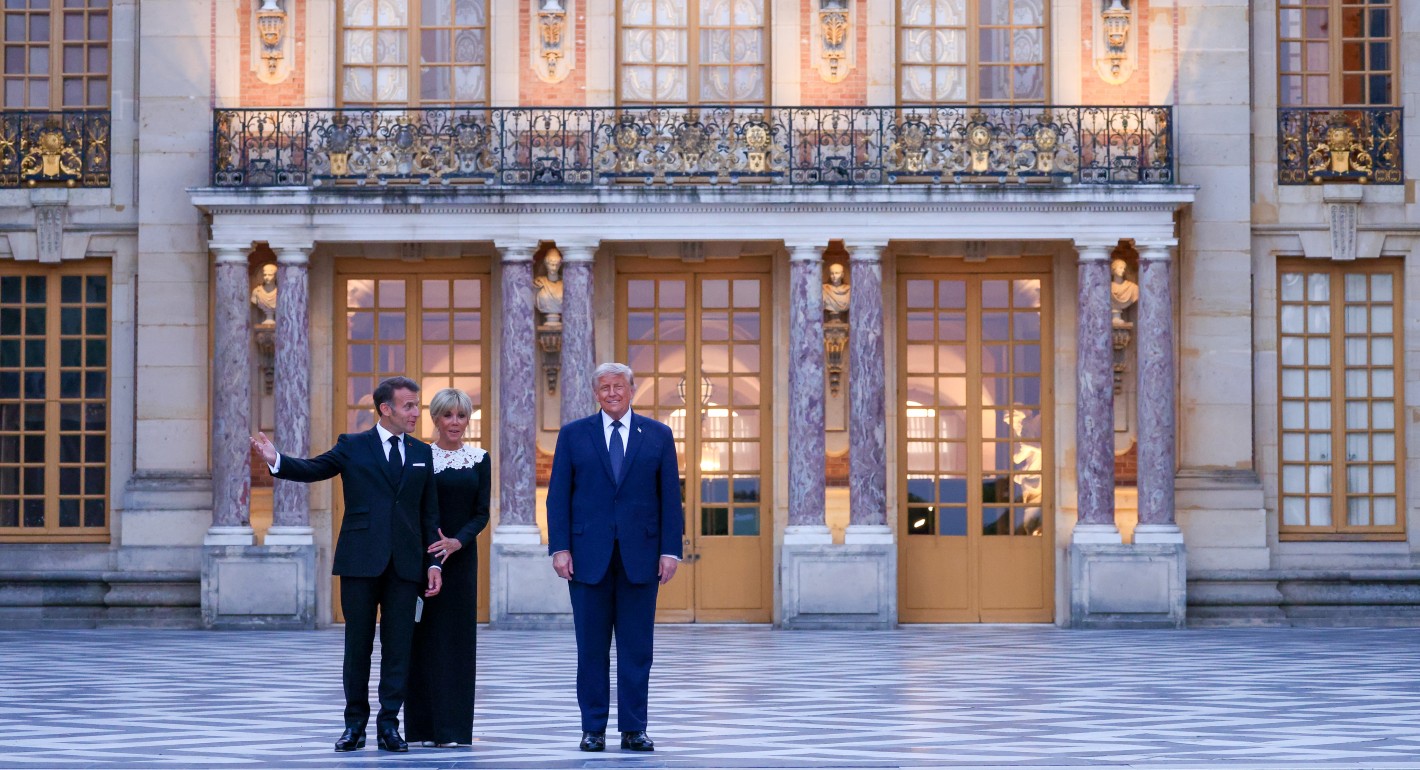
By burying disagreements in imprecision, the new deal risks same fate as its predecessors.

James M. Acton
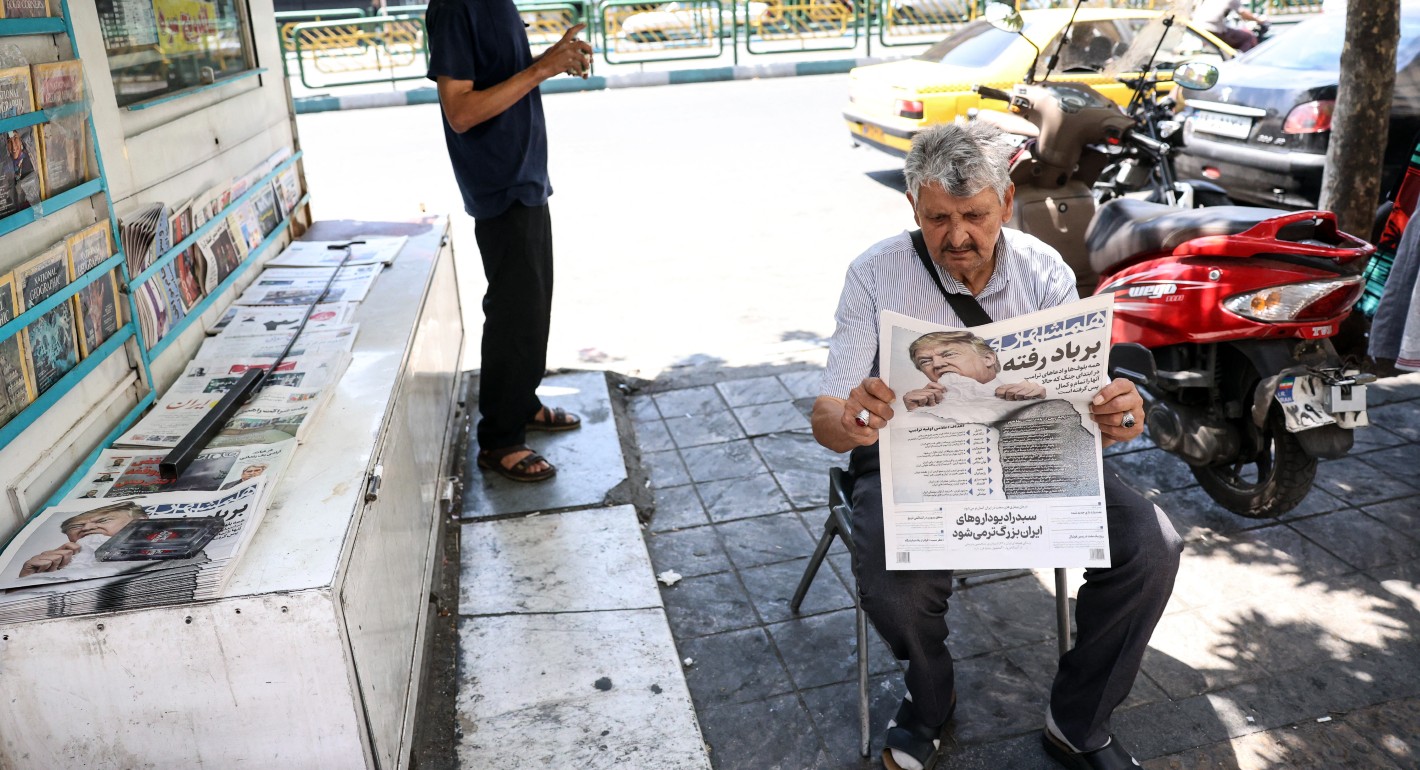
The United States and Israel may have unwittingly revived the Islamic Republic’s “zombie regime.”



Suzanne Maloney, Aaron David Miller, Karim Sadjadpour
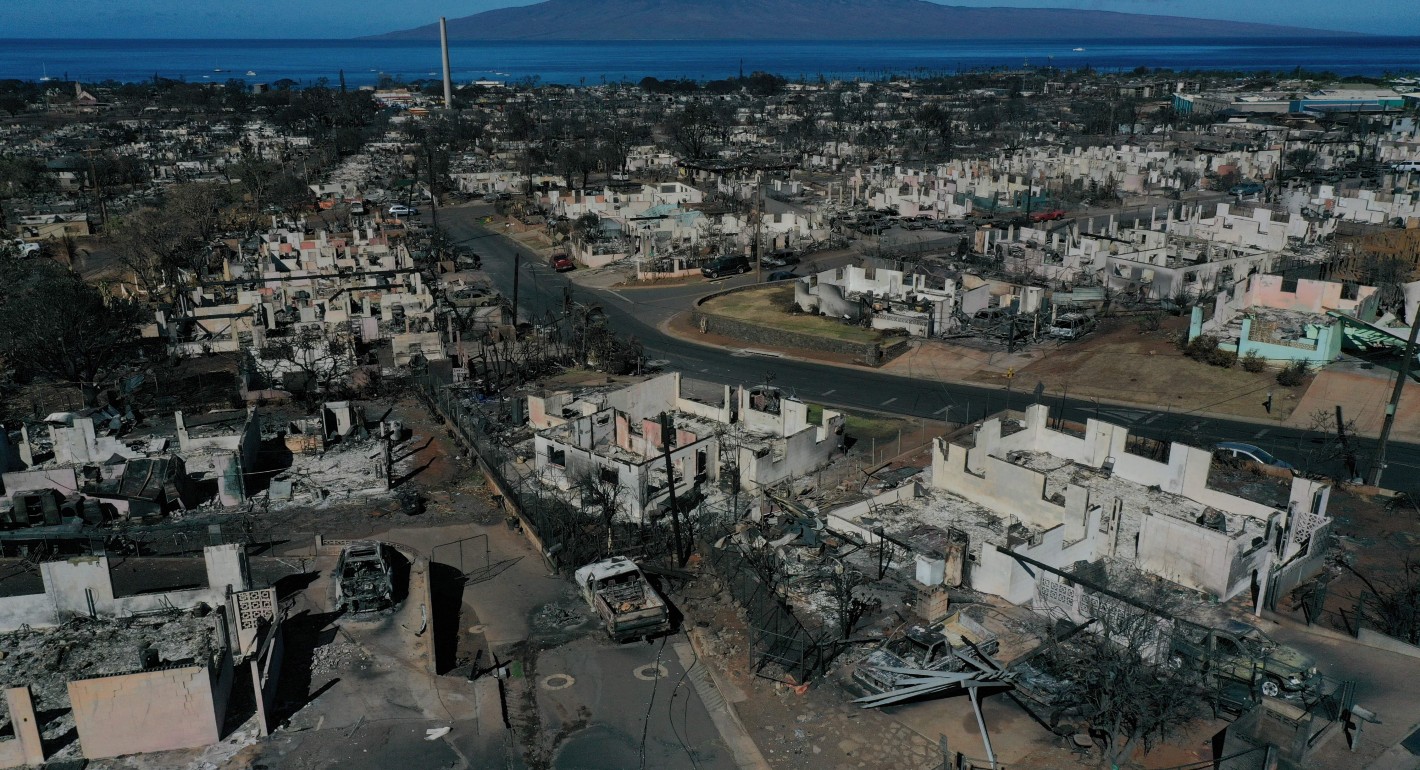
Natural disasters are no longer local incidents but sources of systemic risk that threaten vital infrastructure and the economy—and public support for international engagement.
Leonardo Martinez-Diaz