• Research
  • Emissary
  • About
  • Experts
Carnegie Global logoCarnegie lettermark logo
DemocracyIran
  • Donate
{
  "authors": [
    "Toby Dalton"
  ],
  "type": "legacyinthemedia",
  "centerAffiliationAll": "dc",
  "centers": [
    "Carnegie Endowment for International Peace"
  ],
  "collections": [],
  "englishNewsletterAll": "ctw",
  "nonEnglishNewsletterAll": "",
  "primaryCenter": "Carnegie Endowment for International Peace",
  "programAffiliation": "NPP",
  "programs": [
    "Nuclear Policy"
  ],
  "projects": [],
  "regions": [
    "South Asia",
    "India",
    "Pakistan",
    "East Asia",
    "China"
  ],
  "topics": [
    "Nuclear Policy"
  ]
}
REQUIRED IMAGE

REQUIRED IMAGE

In The Media

Plus Ça Change? Prospects of a Nuclear Deterrence Multipolarity in Southern Asia

China, India, and Pakistan could build predictability in the region and mitigate potential sources of conflict through new measures to manage common-pool resource competition, dangerous behaviors in space, and a range of crises and emergencies.

Link Copied
By Toby Dalton
Published on Dec 16, 2022
Program mobile hero image

Program

Nuclear Policy

The Nuclear Policy Program aims to reduce the risk of nuclear war. Our experts diagnose acute risks stemming from technical and geopolitical developments, generate pragmatic solutions, and use our global network to advance risk-reduction policies. Our work covers deterrence, disarmament, arms control, nonproliferation, and nuclear energy.

Learn More

Journal for Peace and Nuclear Disarmament

About the Author

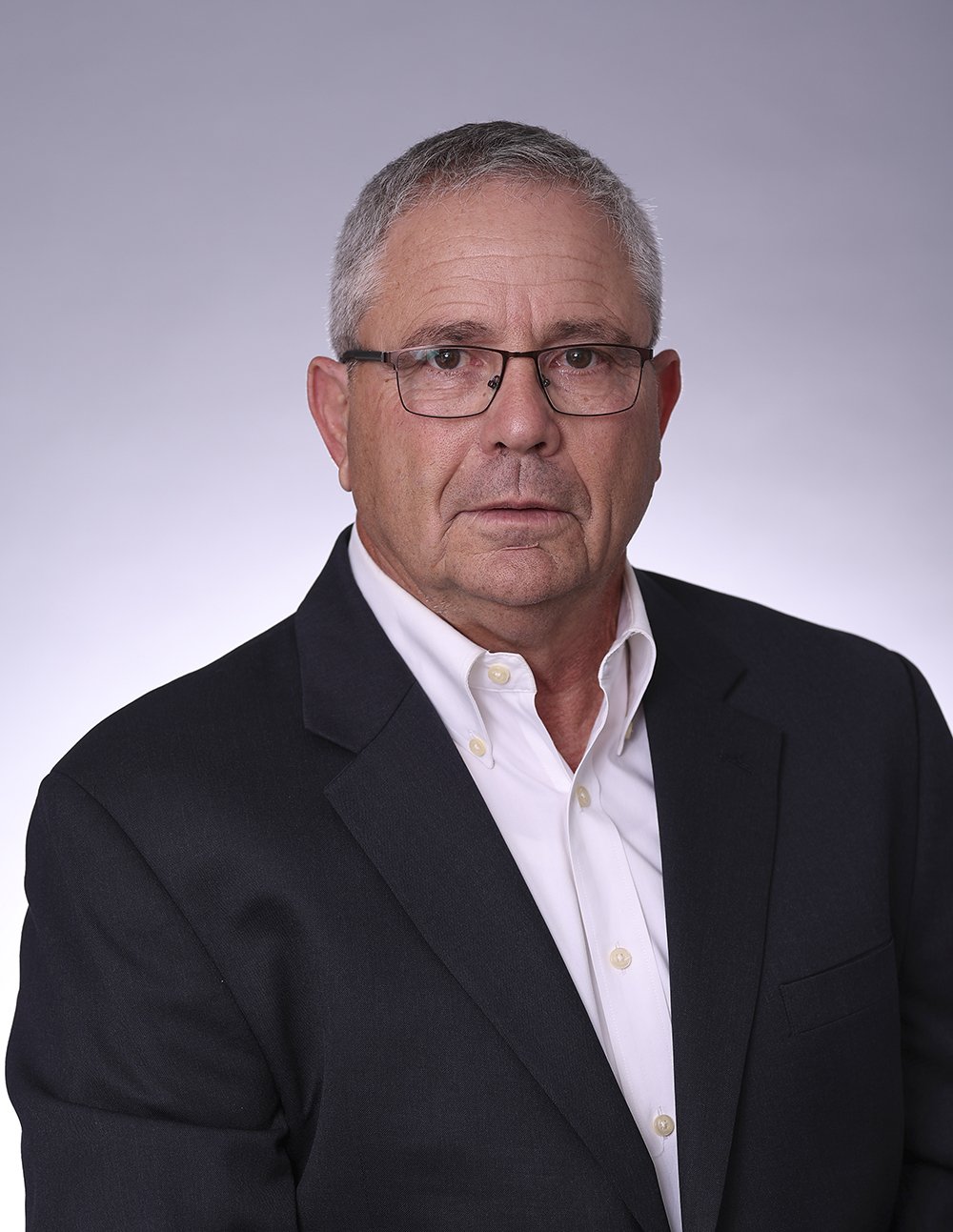
Toby Dalton

Senior Fellow and Co-director, Nuclear Policy Program

Toby Dalton is a senior fellow and co-director of the Nuclear Policy Program at the Carnegie Endowment. An expert on nonproliferation and nuclear energy, his work addresses regional security challenges and the evolution of the global nuclear order.

    Recent Work
  • Article
    Promoting Responsible Nuclear Energy Conduct: An Agenda for International Cooperation

      Ariel (Eli) Levite, Toby Dalton

  • Research
    A New Era of Nuclear-Powered Submarines Is Making Waves in Nuclear-Weapon-Free Zones
      • +5

      Toby Dalton, Jamie Kwong, Ryan A. Musto, …

Toby Dalton
Senior Fellow and Co-director, Nuclear Policy Program
Toby Dalton
Nuclear PolicySouth AsiaIndiaPakistanEast AsiaChina

Carnegie does not take institutional positions on public policy issues; the views represented herein are those of the author(s) and do not necessarily reflect the views of Carnegie, its staff, or its trustees.
More Work from Carnegie Endowment for International Peace

  • Commentary
    Emerging From the “Zombie State” of Trade Agreements: The India-EU FTA

    The India–EU Free Trade Agreement (FTA) is shaping up to be one of the most consequential trade negotiations, both economically and strategically. But, what’s in the agreement, what’s missing, and what will determine its success in the years ahead

      Vrinda Sahai, Nicolas Köhler-Suzuki

  • Article
    Outlooks on Open-Source Innovation at the India AI Impact Summit 2026

    Drawing on ten public discussions from the India AI Impact Summit 2026, this article highlights key outlooks on open source in AI that are likely to shape policy and governance conversations going forward.

      Shruti Mittal

  • Servers
    Article
    The Geopolitical Debates Over Controlling Cloud Compute

    If U.S. policymakers continue down the path of restricting China’s access to frontier AI, they will eventually have to implement some sort of restriction on cloud access.

      Noah Tan

  • Commuters ride past a billboard with portraits of Pakistan's Prime Minister Shehbaz Sharif (2L), Navy Chief Admiral Naveed Ashraf (3L), Chief of Army Staff General Syed Asim Munir (C), Air Chief Marshal Zaheer Ahmad Baber (3R) and Chief Minister of the country's Punjab province Maryam Nawaz Sharif (2R), displayed along a street in Lahore on May 24, 2025.
    Article
    Pakistan’s Military Consolidation Under Munir Faces Critical Challenges

    The regime bets that international legitimacy can be translated into domestic stability. But that depends upon whether it can leverage international goodwill to manage grievances and the economy at home.

      Zoha Waseem, Yasser Kureshi

  • people looking at damage
    Commentary
    Emissary
    Two Wars Later, Iran’s Nuclear Question Is Still on the Table

    Tehran may conclude that its ability to disrupt the global economy via the Strait of Hormuz provides enough deterrence to begin quietly rebuilding its nuclear program.

      • Jane Darby Menton
      • Mohammad Ayatollahi Tabaar

      Jane Darby Menton, Mohammad Ayatollahi Tabaar

Get more news and analysis from
Carnegie Endowment for International Peace
Carnegie global logo, stacked
1779 Massachusetts Avenue NWWashington, DC, 20036-2103Phone: 202 483 7600
  • Research
  • Emissary
  • About
  • Experts
  • Donate
  • Programs
  • Events
  • Blogs
  • Podcasts
  • Contact
  • Annual Reports
  • Careers
  • Privacy
  • For Media
  • Government Resources
Get more news and analysis from
Carnegie Endowment for International Peace
© 2026 Carnegie Endowment for International Peace. All rights reserved.