

Paper
Ariel (Eli) Levite, Toby Dalton
{
  "authors": [
    "Ariel (Eli) Levite"
  ],
  "type": "commentary",
  "centerAffiliationAll": "",
  "centers": [
    "Carnegie Endowment for International Peace"
  ],
  "collections": [],
  "englishNewsletterAll": "",
  "nonEnglishNewsletterAll": "",
  "primaryCenter": "Carnegie Endowment for International Peace",
  "programAffiliation": "",
  "programs": [],
  "projects": [],
  "regions": [
    "Israel"
  ],
  "topics": []
}
Source: Getty
Three bright spots amid national trauma.
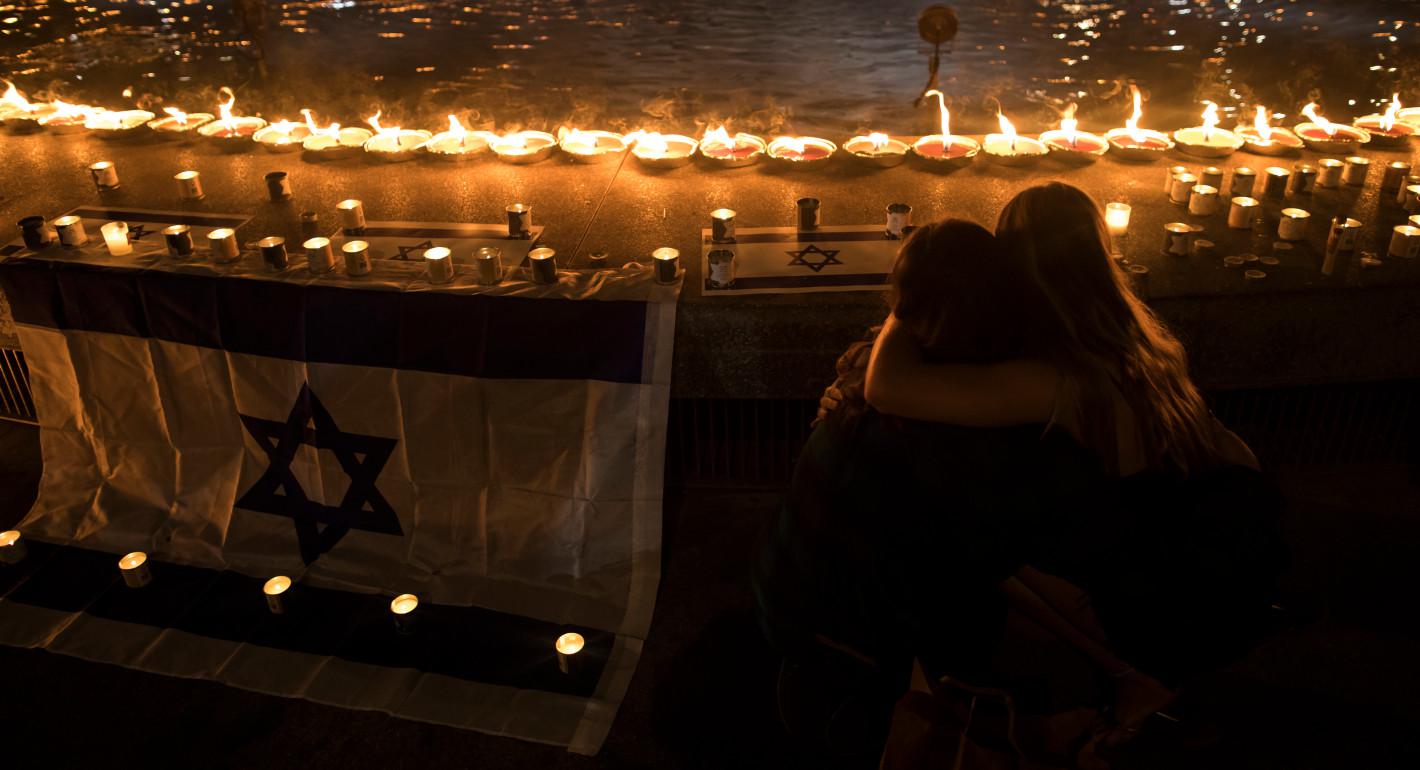
These are somber times in Israel. The small nation is licking its wounds, weeping, and burying well over a thousand citizens (mostly civilians) massacred in the violence unleashed by Hamas, while attending to thousands of casualties incurred. It is simultaneously trying to take care of many thousands of bereaved or displaced families while soothing the raw nerves of much of its population still living under the incessant threat of further Hamas rocket attacks and border infiltrations. In parallel, it is fully mobilizing its military to strike back at Hamas and dissuade saber-rattling Hezbollah from taking advantage of the situation.
The national trauma stems from the realization that Israel’s formidable military and intelligence failed to protect its population from a second-rate nonstate military organization, and from witnessing the unprecedented level of savagery exercised by Hamas against peaceful settlers—including hundreds of elderly, women, and children. It is exacerbated by watching with acute anxiety how Hamas handles the hundred-plus civilians taken hostage, as well as from the rude awakening in the Israeli government’s misguided, long-standing strategy to stave off Hamas’ aggression by buying it off using Qatari money, Israeli electricity supply, exports and transfers of goods, and even work permits in Israel for some Gazans.
Three bright spots have nonetheless emerged. First, Israelis have displayed a stunning level of national solidarity, cohesion, and mutual support, notwithstanding the bitter domestic political rivalries that preceded the war. Second, the Israeli Defense Forces have demonstrated a capacity to regroup and move to defend the nation and go on the offensive, despite the large and traumatic losses they experienced. Third, and by no means least, Israel has received an outpouring of moral, political, and military support to Israel in its moment of distress, led by the United States and personally by President Joe Biden.
The days and weeks to come will remain challenging for Israel and its neighbors, allies, and the world writ large. Can Israel’s military campaign eliminate the attack’s perpetrators and dismantle their offensive infrastructure while sparing innocent civilians in Gaza? Will this conflict spill over, provoking escalation inside and around Israel (especially in the West Bank and with Hezbollah)? Can an alternative regime be established in the Gaza Strip—one that will prioritize reconstruction and looking after its impoverished population over fighting Israel? And can the wounds of this unprecedented trauma paradoxically serve as a catalyst not only for a national healing process within Israel but also for normalization with additional Arab neighbors, including the Palestinians?

Senior Fellow, Nuclear Policy Program, Technology and International Affairs Program
Levite was the principal deputy director general for policy at the Israeli Atomic Energy Commission from 2002 to 2007.
Recent Work

Ariel (Eli) Levite, Toby Dalton
Ariel (Eli) Levite, Toby Dalton
Carnegie does not take institutional positions on public policy issues; the views represented herein are those of the author(s) and do not necessarily reflect the views of Carnegie, its staff, or its trustees.

In an interview, Ian Lustick and Eli Clifton discuss their new book on why a prominent ally has so much influence in America.

Michael Young

It is improbable that Israel’s forthcoming elections will alter much in terms of how the country thinks about security.

Nathan J. Brown

Understanding the climatic pain points is necessary for policymakers hoping to minimize the war’s negative environmental consequences.



Alejandro Martin Rodriguez, Joy Arkeh, Sarah Yerkes
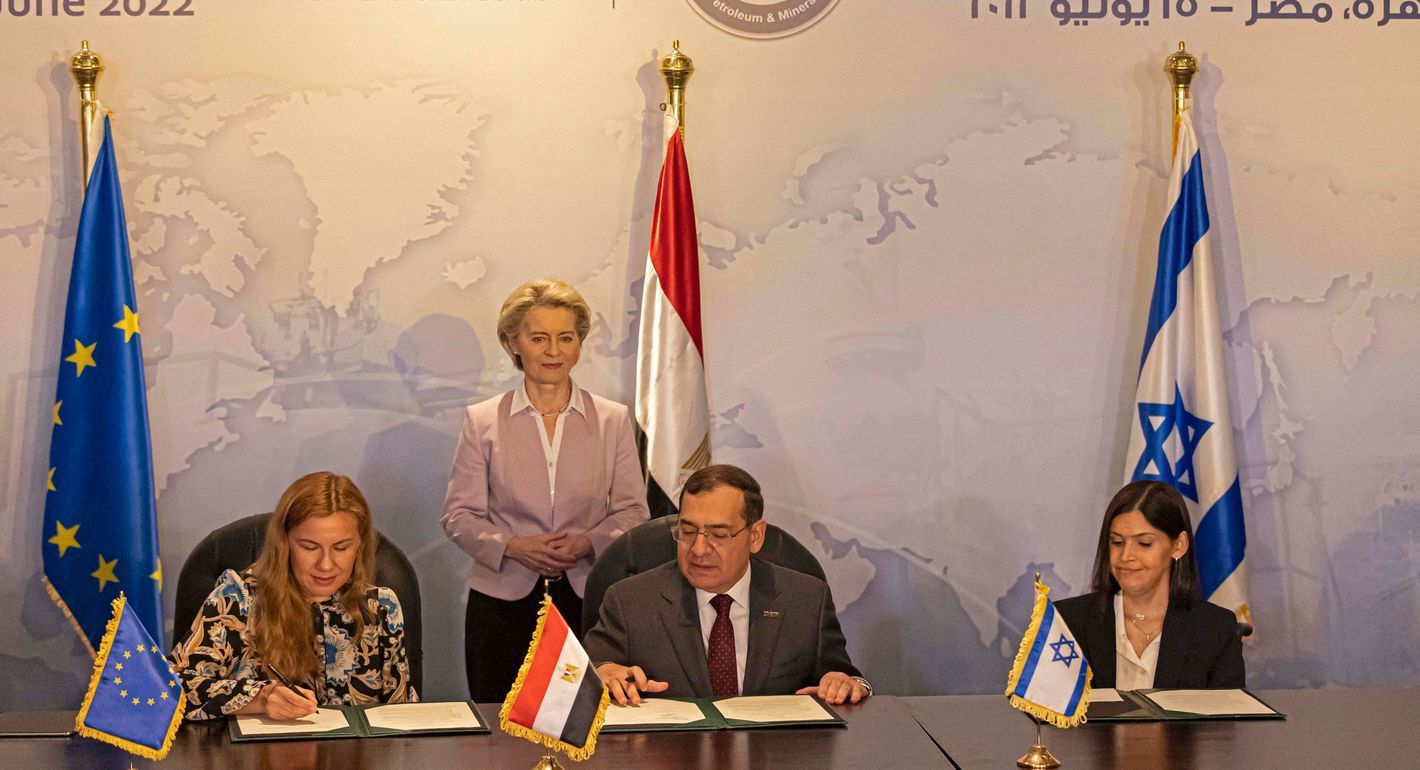
Can economic ties help contain conflict between Egypt and Israel, or do they simply postpone confrontation? Drawing on the German-Russian experience, the article examines how the gas deal creates mutual dependence, keeps channels of cooperation open, and raises the cost of conflict, without necessarily delivering lasting peace.

Nourhan Hefzy
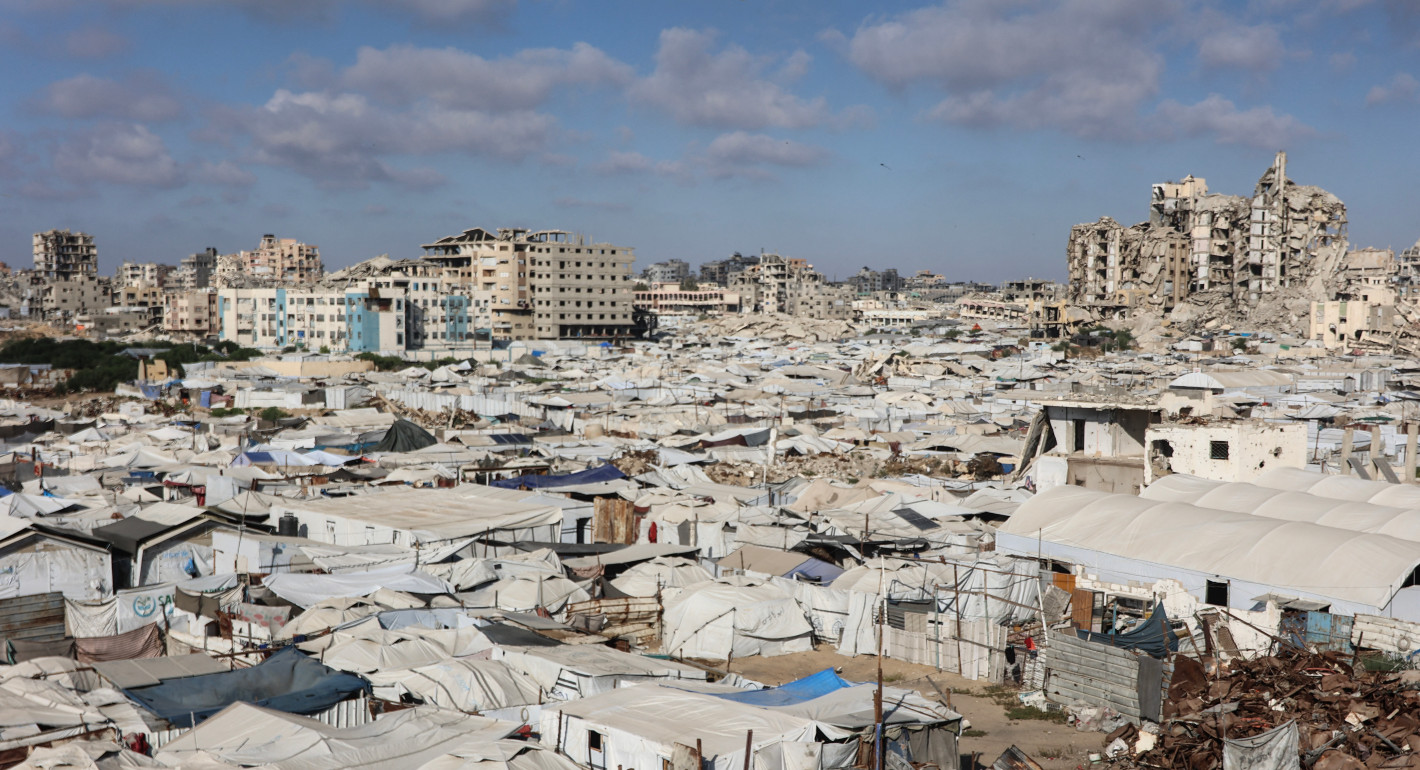
The Trump-led board has laid out blueprints for “voluntary emigration” and land confiscation.

Zaha Hassan