

Commentary
Ahead of a tough winter for Ukraine, Donald Trump’s swing back toward Russia bodes ill. But instead of panicking, Kyiv’s European allies are focusing on action.
Rym Momtaz
{
  "authors": [
    "Michael Kofman",
    "Alexandra Prokopenko"
  ],
  "type": "legacyinthemedia",
  "centerAffiliationAll": "dc",
  "centers": [
    "Carnegie Endowment for International Peace",
    "Carnegie Russia Eurasia Center"
  ],
  "collections": [],
  "englishNewsletterAll": "ctw",
  "nonEnglishNewsletterAll": "",
  "primaryCenter": "Carnegie Russia Eurasia Center",
  "programAffiliation": "russia",
  "programs": [
    "Russia and Eurasia"
  ],
  "projects": [
    "The Return of Global Russia: A Reassessment of the Kremlin’s International Agenda",
    "Ukraine Initiative"
  ],
  "regions": [
    "Russia",
    "Ukraine",
    "North America"
  ],
  "topics": [
    "Economy"
  ]
}
Source: Getty
Michael Kofman sat down with Alexandra Prokopenko to discuss the impact of Western sanctions on the Russian economy, the challenges the Russian central bank has to manage inflation, and what that means for the Russo-Ukrainian war.
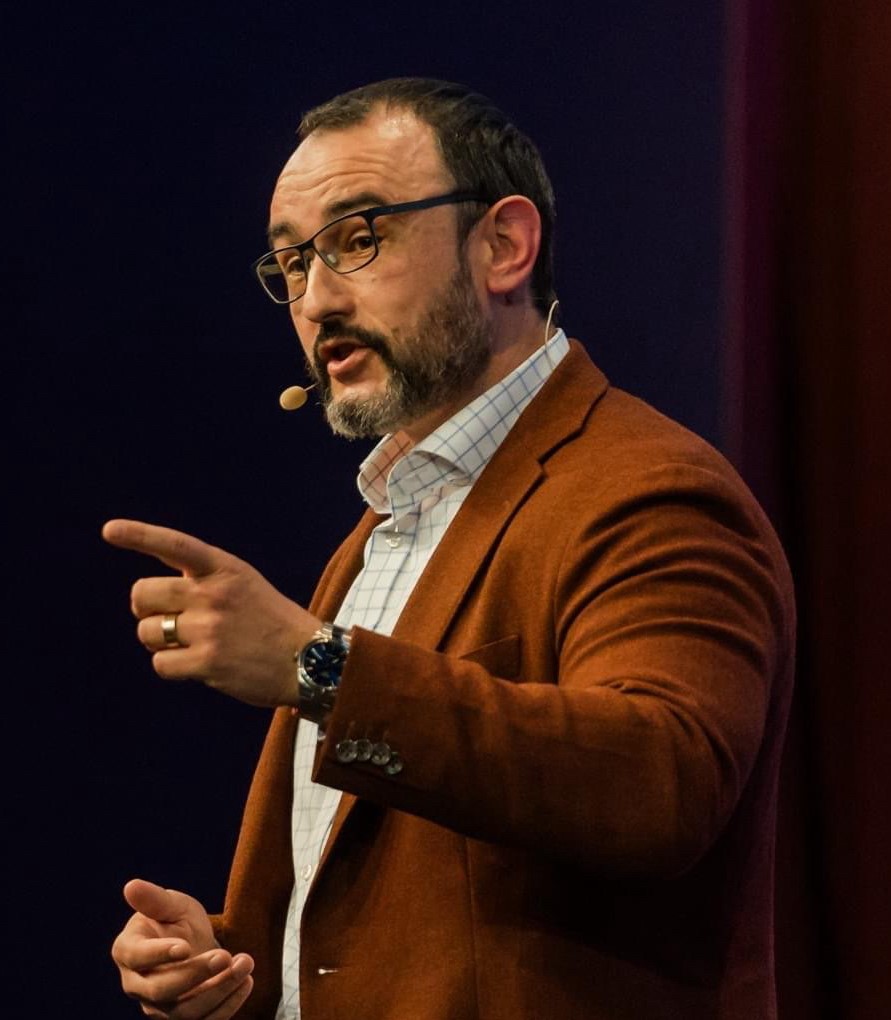
Senior Fellow, Russia and Eurasia Program
Michael Kofman is a senior fellow in the Russia and Eurasia Program at the Carnegie Endowment for International Peace, where he focuses on the Russian military, Ukrainian armed forces, and Eurasian security issues.

Senior Fellow, Carnegie Russia Eurasia Center
Alexandra Prokopenko is a senior fellow at the Carnegie Russia Eurasia Center.
Carnegie does not take institutional positions on public policy issues; the views represented herein are those of the author(s) and do not necessarily reflect the views of Carnegie, its staff, or its trustees.

Ahead of a tough winter for Ukraine, Donald Trump’s swing back toward Russia bodes ill. But instead of panicking, Kyiv’s European allies are focusing on action.

Rym Momtaz

Funding Ukraine remains a priority for European leaders. As Russia’s war of aggression heads into another winter, two feasible options to mobilize support for Kyiv should be fast-tracked.


Vladyslav Rashkovan, Gregory P. Wilson

Russian strikes are weakening the economy sustaining Ukraine’s war effort. Closing the growing funding gap will require more European support and politically contentious reforms in Kyiv.

Balázs Jarábik

Europe is facing rising populism internally as well as external pressures from Russia, China, Turkey, and the United States.

Dimitar Bechev

Much has been said of the changes Brussels is trying to make to the EU enlargement process. Here’s why gradual integration might—or might not—be the answer.
Dimitar Bechev