Article
Dadi Zhou
{
  "authors": [
    "Dadi Zhou"
  ],
  "type": "legacyinthemedia",
  "centerAffiliationAll": "dc",
  "centers": [
    "Carnegie Endowment for International Peace"
  ],
  "collections": [],
  "englishNewsletterAll": "asia",
  "nonEnglishNewsletterAll": "",
  "primaryCenter": "Carnegie Endowment for International Peace",
  "programAffiliation": "AP",
  "programs": [
    "Asia",
    "Sustainability, Climate, and Geopolitics"
  ],
  "projects": [],
  "regions": [
    "East Asia",
    "China",
    "North America"
  ],
  "topics": [
    "Economy",
    "Climate Change"
  ]
}
REQUIRED IMAGE
With oil prices tumbling, some experts believe that this is the perfect time for China to reform its oil pricing mechanism, because a higher tax would currently inflict relatively little hardship on consumers. The government should use this rare opportunity to create a pricing system that better reflects the full economic and environmental costs of fuel production and consumption.
Source: China Radio International
With oil prices tumbling, some experts believe that this is the perfect moment for China to reform its oil pricing mechanism because higher tax would currently inflict relatively little hardship on consumers. In an interview on China Radio International, Zhou Dadi shared his opinion that the government should seize this rare opportunity to create a pricing system that more accurately reflects the full economic and environmental costs of fuel production and consumption. Dadi, Director-General of the Energy Research Institute with China’s National Development and Reform Commission believes that pricing policy is an important measure to encourage energy conservation and environmentally responsible consumer behavior.
Dadi aimed to keep his expectations realistic, however, mentioning that the Chinese government may raise the fuel tax in several small steps rather than in one large jump. He expressed his hope that China will ultimately follow the example set by Europe and Japan, where fuel prices are market-based but include a high tax designed to shape consumer behavior.
From a broader perspective, Dadi also spoke about China’s overall oil resources. He said that domestic oil production is increasing more than 2.2% per year, and China is also looking to secure oil imports from a wide range of other countries. The key, he said, is to diversify sources of energy, and to consider energy security, geopolitics, and economic issues when making policy decisions.

Former Senior Associate, Energy and Climate Program
Zhou serves as the vice chairman of the State Expert Advisory Committee to the National Energy Leading Group of China, a member of the National Expert Team of China for Climate Change, and as vice president of the China Institute of Geo-politics and Energy Strategy.
Recent Work
Dadi Zhou
Carnegie does not take institutional positions on public policy issues; the views represented herein are those of the author(s) and do not necessarily reflect the views of Carnegie, its staff, or its trustees.
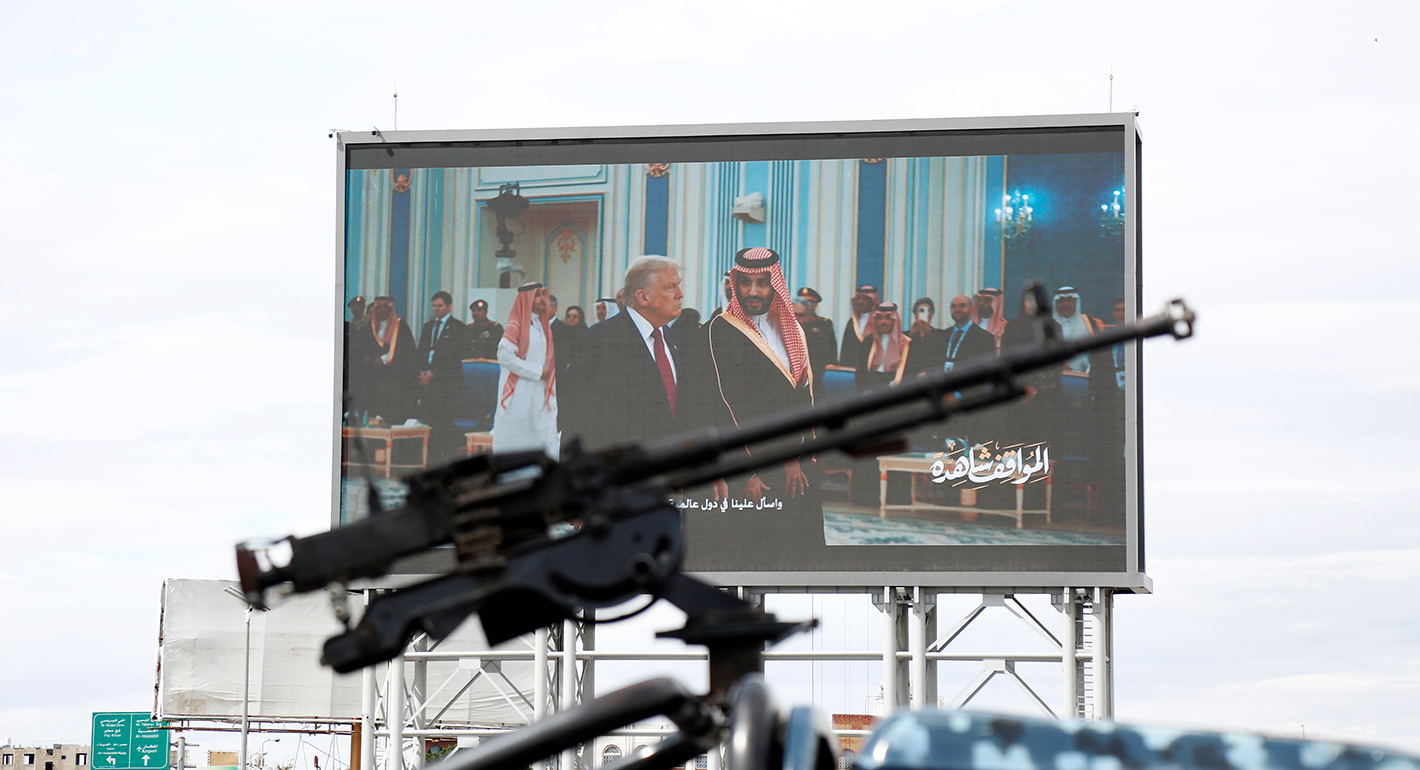
As the war between the United States, Israel, and Iran continues, Carnegie scholars contribute cutting-edge analysis on the events of the war and their wide-reaching implications. From the impact on Iran and its immediate neighbors to the responses from Gulf states to fuel and fertilizer shortages caused by the effective shutdown of the Strait of Hormuz, the war is reshaping Middle East alliances and creating shockwaves around the world. Carnegie experts analyze it all.

Across Asia, China is better positioned to withstand energy shocks from the fallout of the Iran war. Its abundant coal capacity can ensure stability in the near term. Yet at the same time, the country’s energy transition away from coal will make it even less vulnerable during the next shock.

Damien Ma
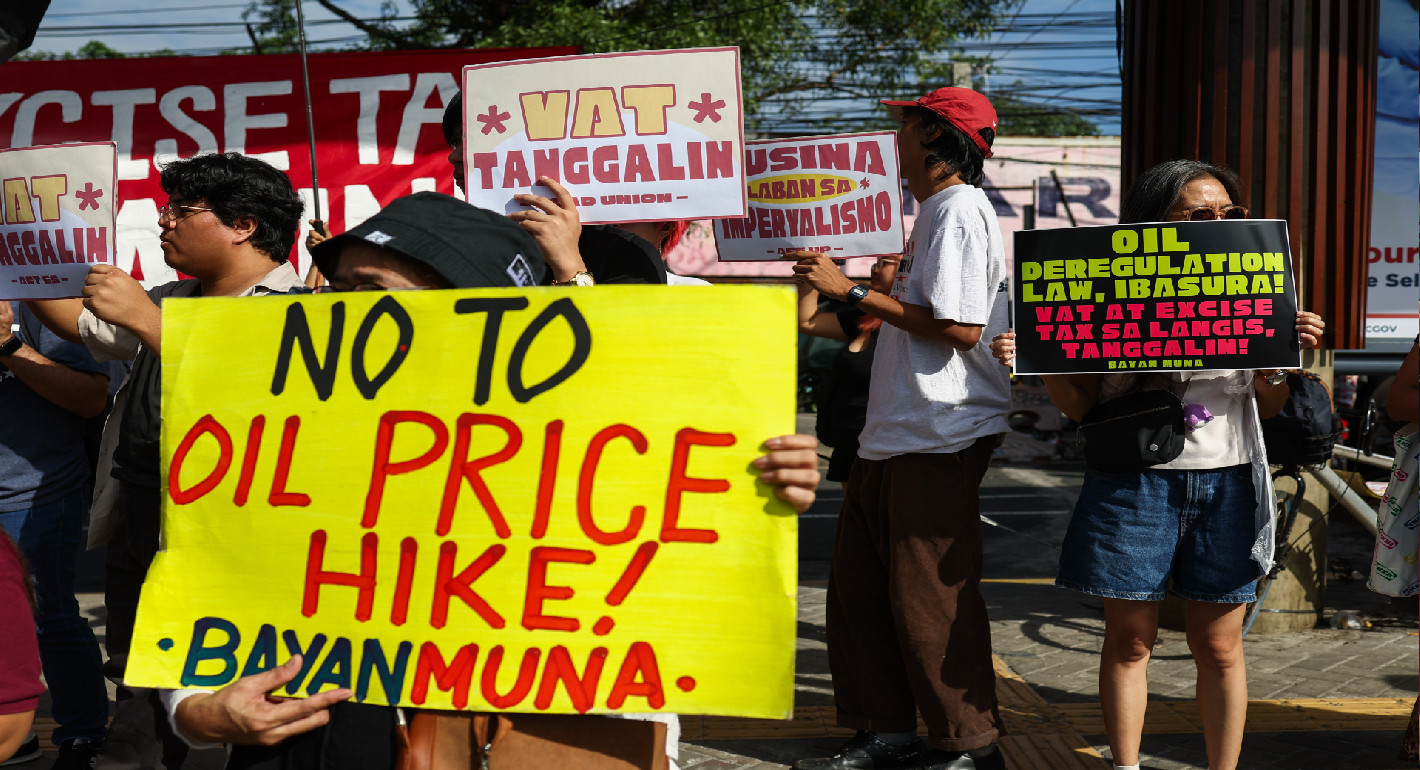
There is no better time for the countries of Southeast Asia to reconsider their energy security than during this latest crisis.
Gita Wirjawan
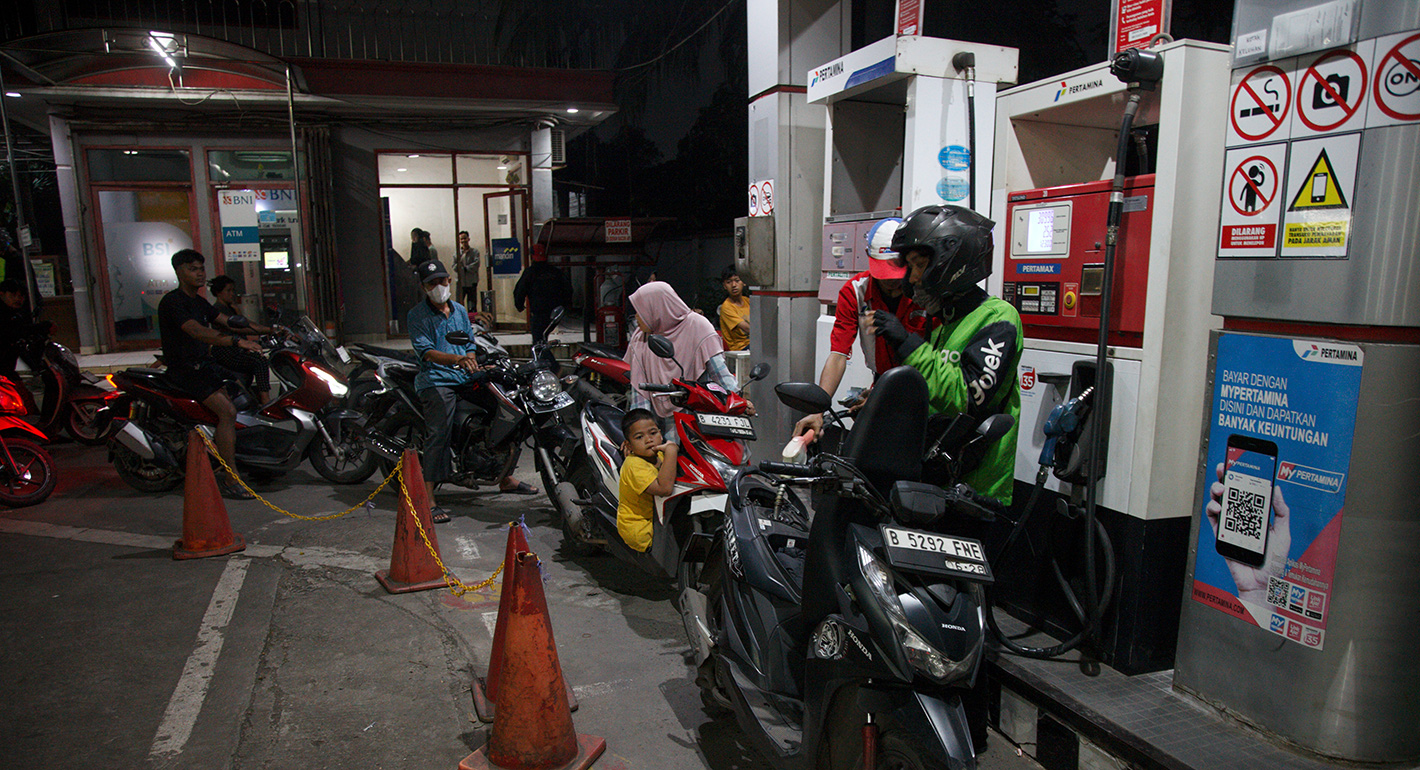
As conflict in the Middle East drives up fuel costs across Asia, Indonesia faces difficult policy trade-offs over subsidies, inflation, and fiscal credibility. President Prabowo’s personalized governance style may make these hard choices even harder to navigate.

Sana Jaffrey
The United States ignores the region’s lived experience—and the tough political and social trade-offs the war has produced—at its peril.

Evan A. Feigenbaum