

Article
Uri Dadush, Vera Eidelman, Taiya M. Smith
{
  "authors": [
    "Taiya M. Smith"
  ],
  "type": "other",
  "centerAffiliationAll": "dc",
  "centers": [
    "Carnegie Endowment for International Peace",
    "Carnegie Europe"
  ],
  "collections": [],
  "englishNewsletterAll": "asia",
  "nonEnglishNewsletterAll": "",
  "primaryCenter": "Carnegie Endowment for International Peace",
  "programAffiliation": "AP",
  "programs": [
    "Asia"
  ],
  "projects": [],
  "regions": [
    "North America",
    "United States",
    "East Asia",
    "China",
    "Asia"
  ],
  "topics": [
    "Foreign Policy"
  ]
}
Source: Getty
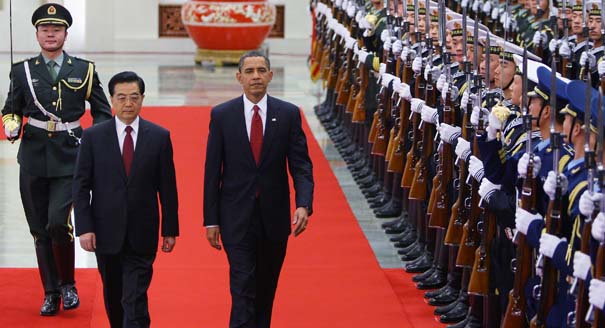
While the United States and China—the world’s two largest economies—are becoming increasingly interdependent, there is a growing risk of misunderstanding or even clashes. The two powers need a dialogue to provide strategic vision to their relationship.
While the United States and China—the world’s two largest economies—are becoming increasingly interdependent, there is a growing risk of misunderstanding or even clashes. In a new paper, Taiya Smith says the two powers need a dialogue to provide strategic vision to their relationship.
Smith, who led the U.S.-China Strategic Economic Dialogue for Treasury Secretary Paulson, draws on examples from her experience to analyze the recent history of strategic dialogues and recommends steps for Washington and Beijing to take to improve the broader bilateral relationship.
“What the U.S.-China relationship needs is a truly strategic discussion to steer a critically important, yet increasingly complex, bilateral relationship while still managing the time-sensitive issues of the day,” writes Smith.

Former Senior Associate, Energy and Climate Program, Asia Program
Smith has spent the last decade working in international negotiations. Most recently, she served as a member of Secretary Hank Paulson’s senior management team from 2006 to 2009 as the deputy chief of staff and executive secretary for the U.S. Department of the Treasury.
Recent Work

Uri Dadush, Vera Eidelman, Taiya M. Smith
William Chandler, Taiya M. Smith
Carnegie does not take institutional positions on public policy issues; the views represented herein are those of the author(s) and do not necessarily reflect the views of Carnegie, its staff, or its trustees.

Five problems—and solutions—to make it actually work as a tool of great power competition.

Afreen Akhter
The Russian leadership wants to avoid a dangerous precedent in which it is squeezed out of Iran by the United States and Israel—and left powerless to respond in any meaningful way.

Nikita Smagin
One is hopeful. One is realistic. One is cautionary.

Andrew Leber, Sam Worby
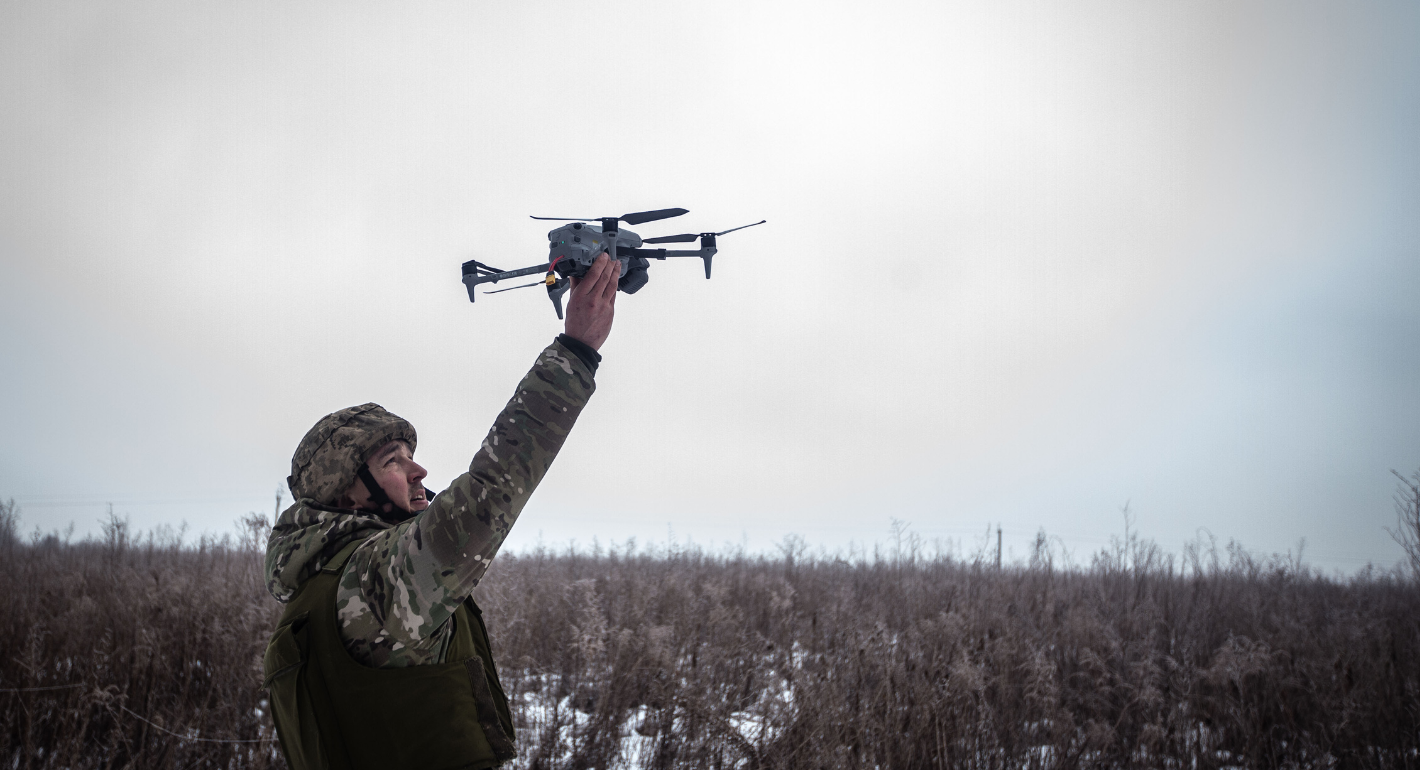
In Ukraine, Gaza, and Iran, AI warfare has come to dominate, with barely any oversight or accountability. Europe must lead the charge on the responsible use of new military technologies.

Raluca Csernatoni
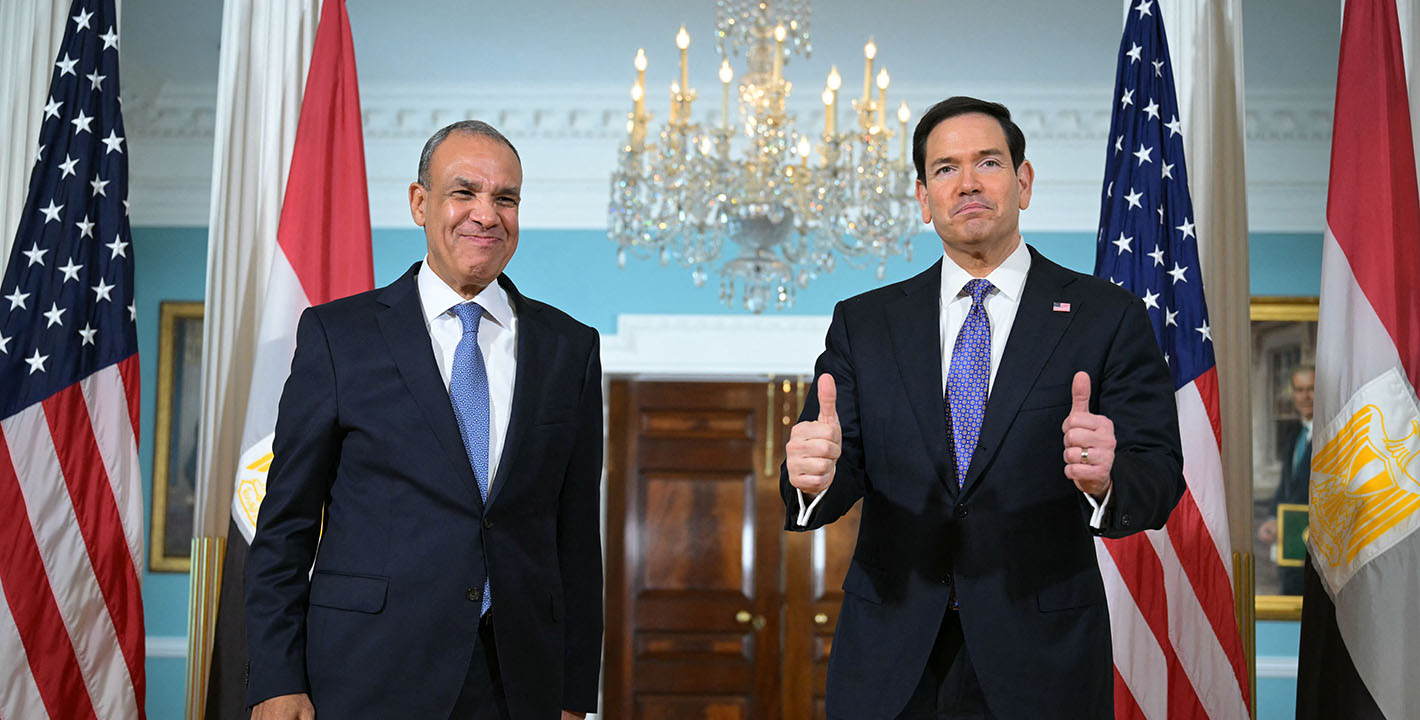
Cairo’s efforts send a message to the United States and the region that it still has a place at the diplomatic table.

Angie Omar