

Q&A
Stephen Tankel
{
  "authors": [
    "Stephen Tankel"
  ],
  "type": "legacyinthemedia",
  "centerAffiliationAll": "dc",
  "centers": [
    "Carnegie Endowment for International Peace"
  ],
  "collections": [],
  "englishNewsletterAll": "ctw",
  "nonEnglishNewsletterAll": "",
  "primaryCenter": "Carnegie Endowment for International Peace",
  "programAffiliation": "SAP",
  "programs": [
    "South Asia"
  ],
  "projects": [],
  "regions": [
    "Southern, Eastern, and Western Africa"
  ],
  "topics": [
    "Security"
  ]
}
Source: Getty
Washington’s objective should remain the pursuit of a counterterrorism approach that enables the U.S. to manage and degrade jihadist groups without becoming captive to the threats they pose.
Source: War on the Rocks
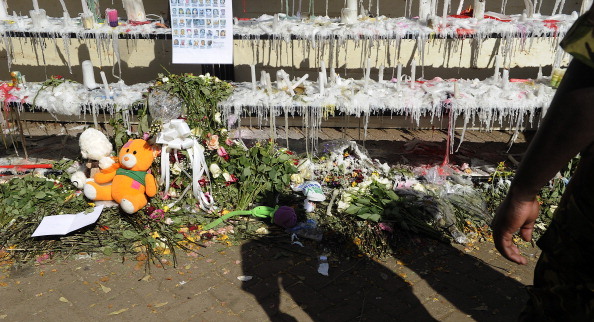
I was en route to the Reuters Global Security conference when al-Shabab launched its assault against the Westgate Mall. During our panel discussion, Richard Barrett opined that from one perspective al-Qaeda is on the back foot, while from another perspective it appears on the march. In the days that followed, the commentariat was similarly dichotomous. Some commentary pointed to the siege as evidence that al-Qaeda was gaining strength and that its threat to the U.S. was growing. Others, including Ken Menkhaus, an expert on al-Shabab, said that the Westgate attack was the latest sign of that group’s weakness. Squaring that circle requires we explore the underlying dynamics that can inform attacks like the one against the Westgate Mall.
Former Nonresident Scholar, South Asia Program
Tankel was a nonresident scholar at the Carnegie Endowment, where his research focuses on insurgency, terrorism, and the evolution of nonstate armed groups.
Recent Work
Stephen Tankel
Stephen Tankel
Carnegie does not take institutional positions on public policy issues; the views represented herein are those of the author(s) and do not necessarily reflect the views of Carnegie, its staff, or its trustees.

A partnership between India, a country of subcontinental size, and Africa, a continent of fifty-four countries, may seem asymmetric until one notes that both are home to nearly the same number of people—1.4 billion. This essay spells out the existing challenges to the partnership, its optimal potential, and the possible pathways to realize it over the next quarter-century.

Rajiv Bhatia
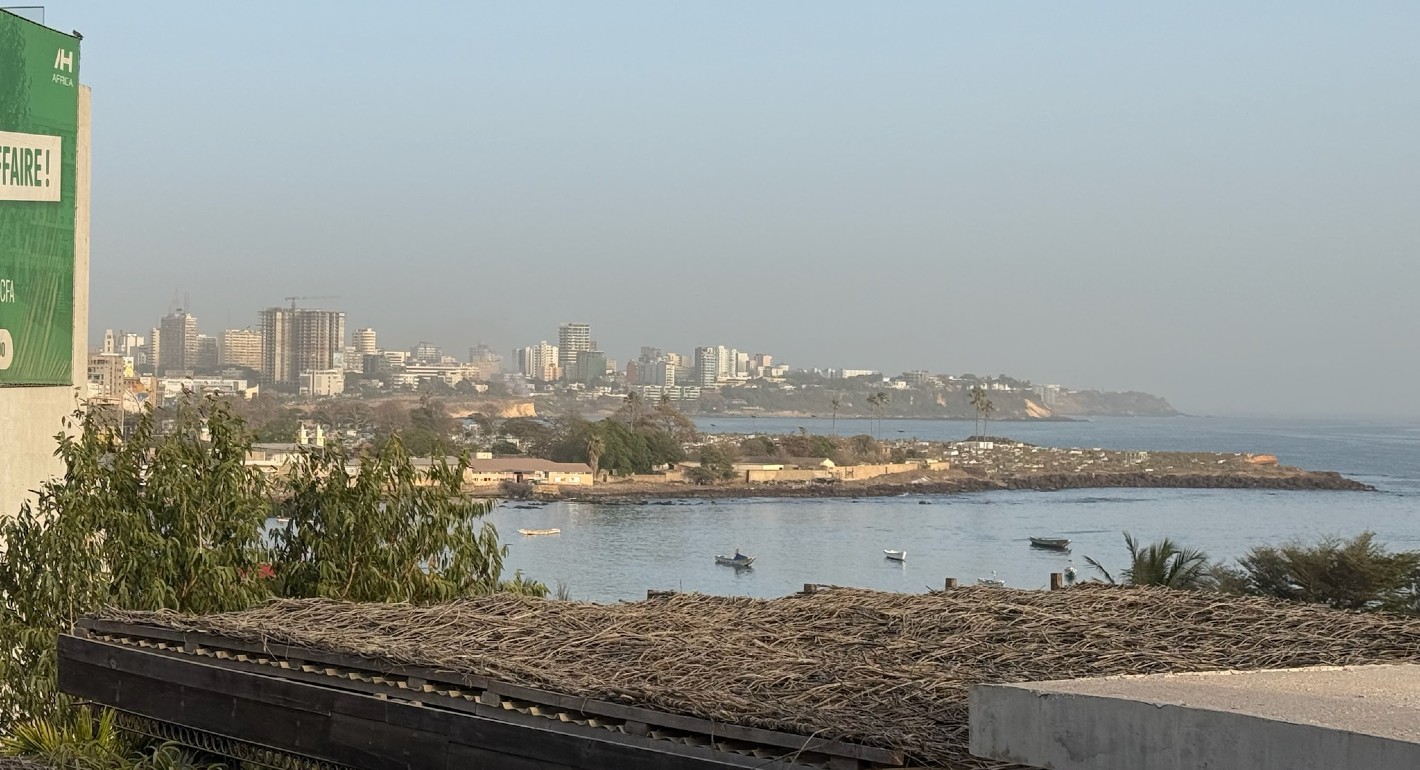
During our visit, we observed a democracy that has learned from its difficult past and is working toward an even more dynamic future.

Sarah Yerkes, Natalie Triche
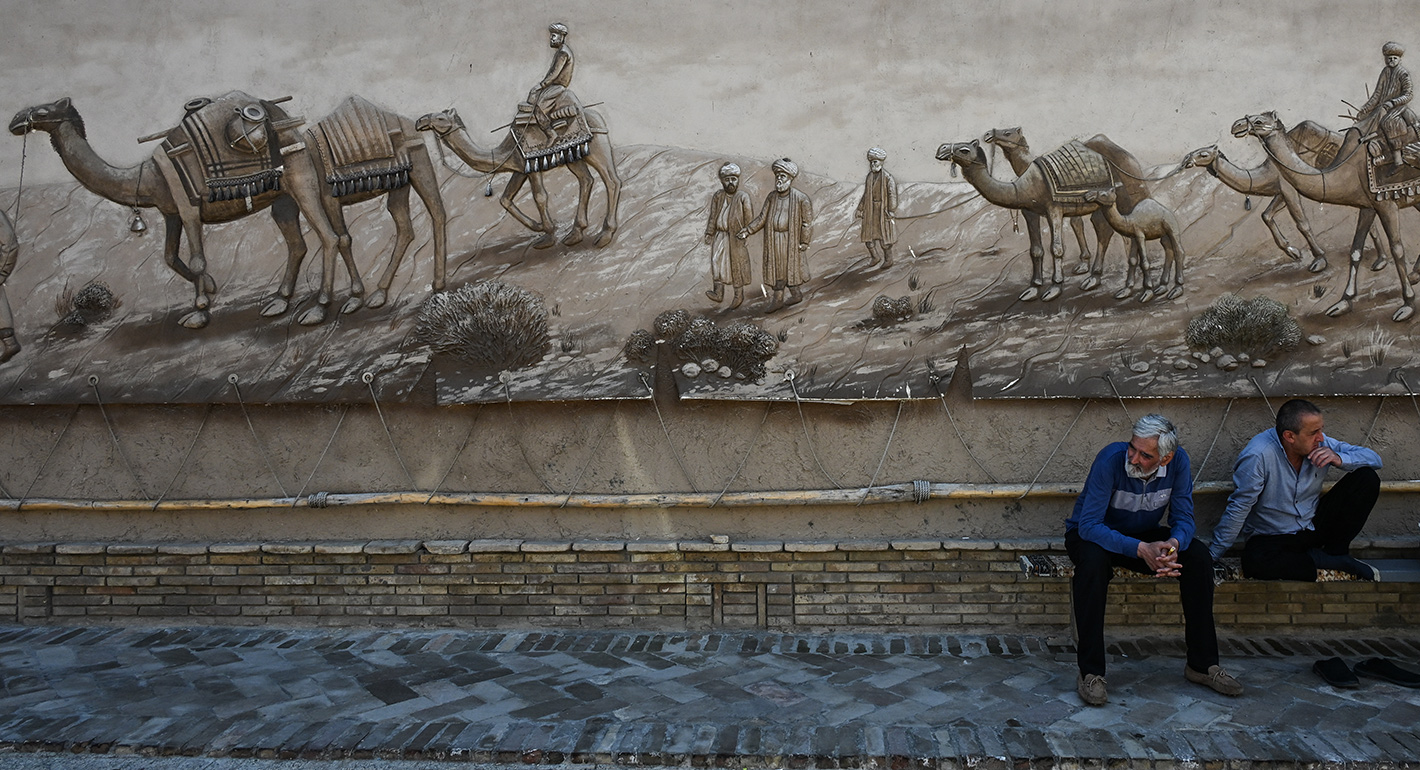
“Central Asia” as an analytical category is itself part of the problem. The term is a Soviet administrative inheritance, drawn along lines that served the convenience of Moscow. The Central Asian states the Soviets named no longer see themselves through this category alone and are not aligning across political blocs but are instead building external partnerships sector by sector, assigning different partners to different functions.

Jennifer B. Murtazashvili

The cost of air defense has become an unregistered tax on revenue for businesses. While military rents are consolidated in the federal budget, the costs of defense are being spread across the balance sheets of companies and regional governments.

Alexandra Prokopenko
Previous dialogues ended in failure. This time could be different.

Scott Singer