

Commentary
With his public call for new elections in Ukraine, ex-defense minister Mykhailo Fedorov has opened Pandora’s box.
Konstantin Skorkin
{
  "authors": [
    "Moisés Naím",
    "Brian Winter"
  ],
  "type": "legacyinthemedia",
  "centerAffiliationAll": "dc",
  "centers": [
    "Carnegie Endowment for International Peace"
  ],
  "collections": [],
  "englishNewsletterAll": "americanStatecraft",
  "nonEnglishNewsletterAll": "",
  "primaryCenter": "Carnegie Endowment for International Peace",
  "programAffiliation": "ASP",
  "programs": [
    "American Statecraft"
  ],
  "projects": [],
  "regions": [
    "North America"
  ],
  "topics": [
    "Political Reform"
  ]
}
Source: Getty
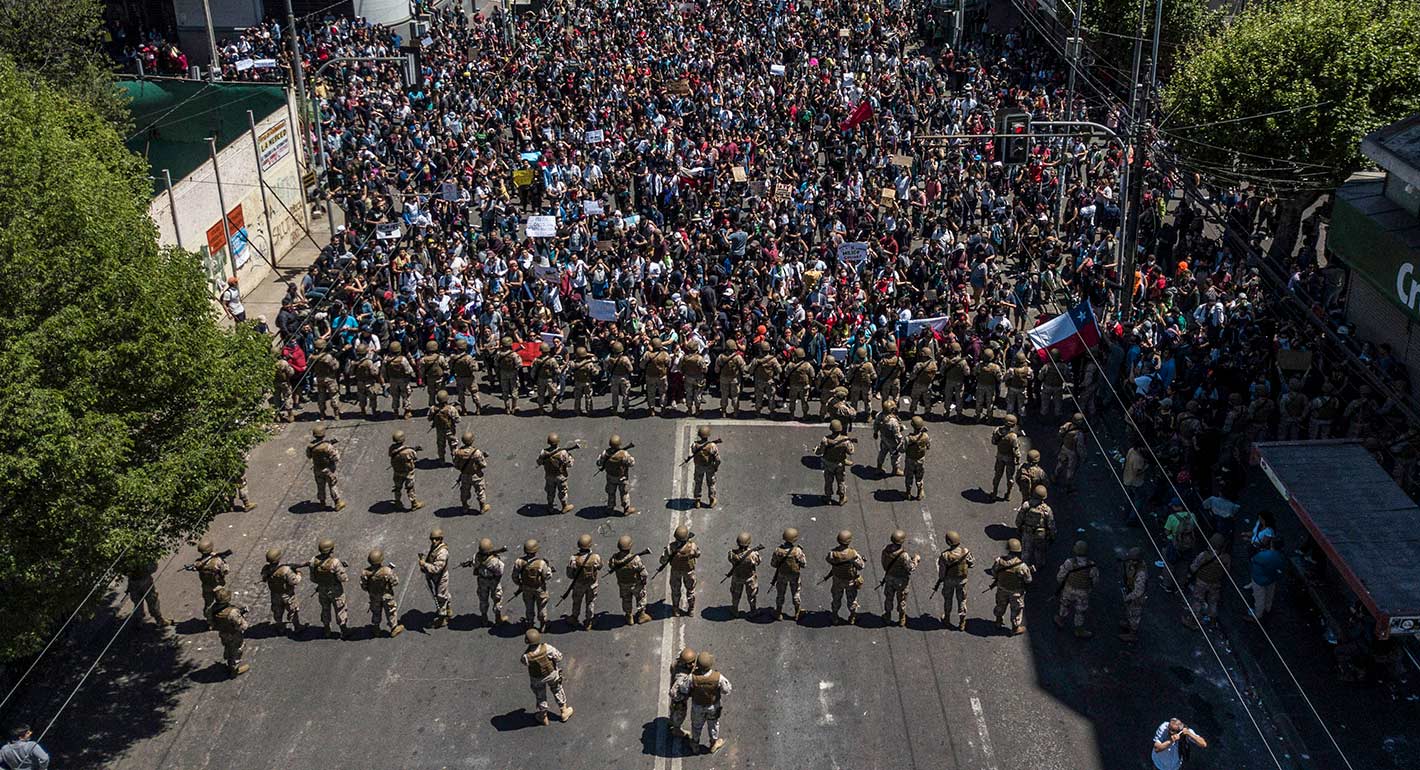
The protests now raging across much of Latin America originated from different sparks but are connected by a single common denominator: economic malaise.
Source: Foreign Affairs
In a world aflame with protest, Latin America stands out as a raging ten-alarm fire. From Bolivia to Ecuador, Haiti to Honduras, the closing months of 2019 have seen enormous, sometimes violent demonstrations prompted by a truly dizzying array of grievances, including electoral fraud, corruption, and rising fuel and public transportation prices. Even Chile, the region’s ostensible oasis of calm and prosperity, erupted in protests and riots that left 20 dead and forced President Sebastián Piñera to declare a state of emergency. It is now an open question whether any country in the region can be considered truly stable....

Distinguished Fellow
Moisés Naím is a distinguished fellow at the Carnegie Endowment for International Peace, a best-selling author, and an internationally syndicated columnist.
Brian Winter
Brian Winter is vice president for policy at the Americas Society/Council of the Americas.
Carnegie does not take institutional positions on public policy issues; the views represented herein are those of the author(s) and do not necessarily reflect the views of Carnegie, its staff, or its trustees.
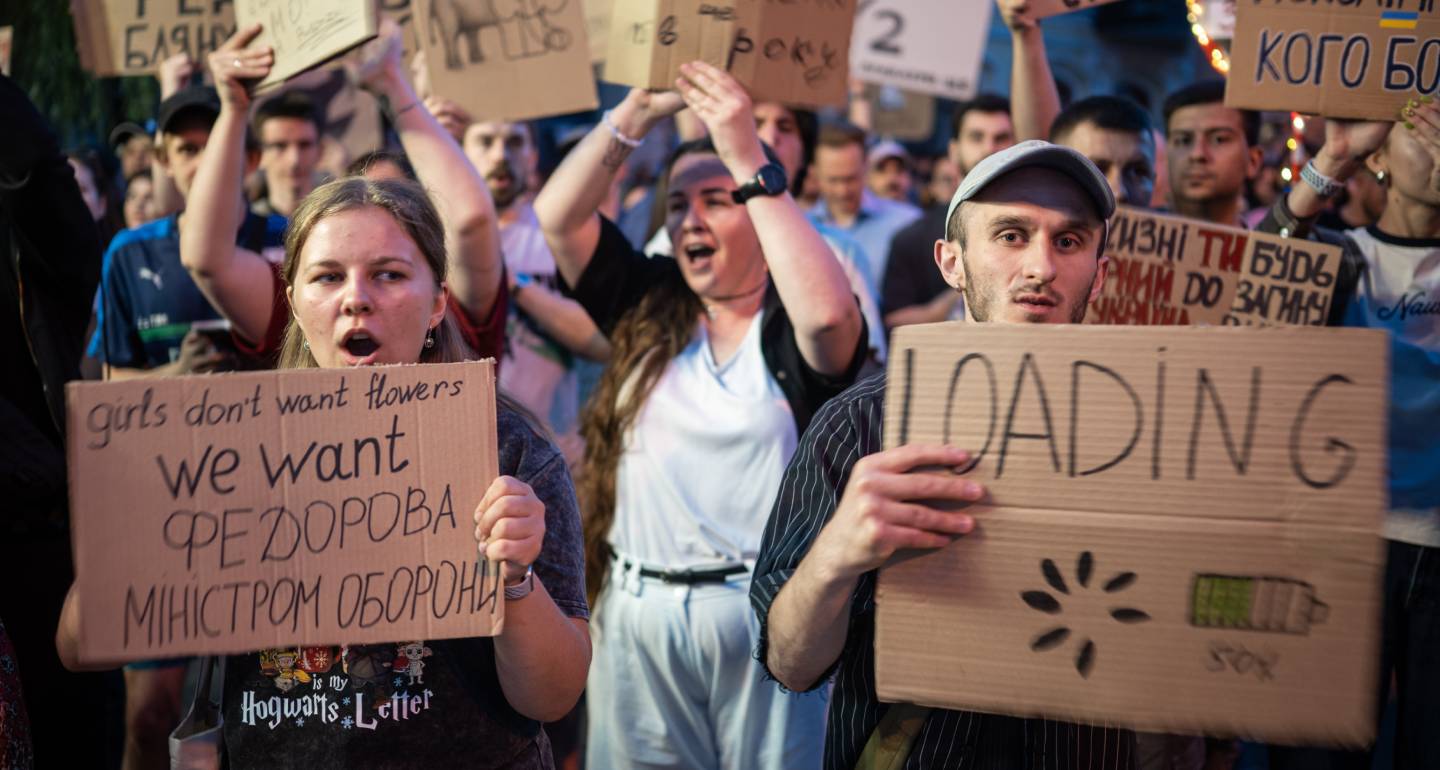
With his public call for new elections in Ukraine, ex-defense minister Mykhailo Fedorov has opened Pandora’s box.

Konstantin Skorkin

In the discussions made possible by the State Duma election campaign, one question is being asked more and more loudly. “What next?”

Andrey Pertsev
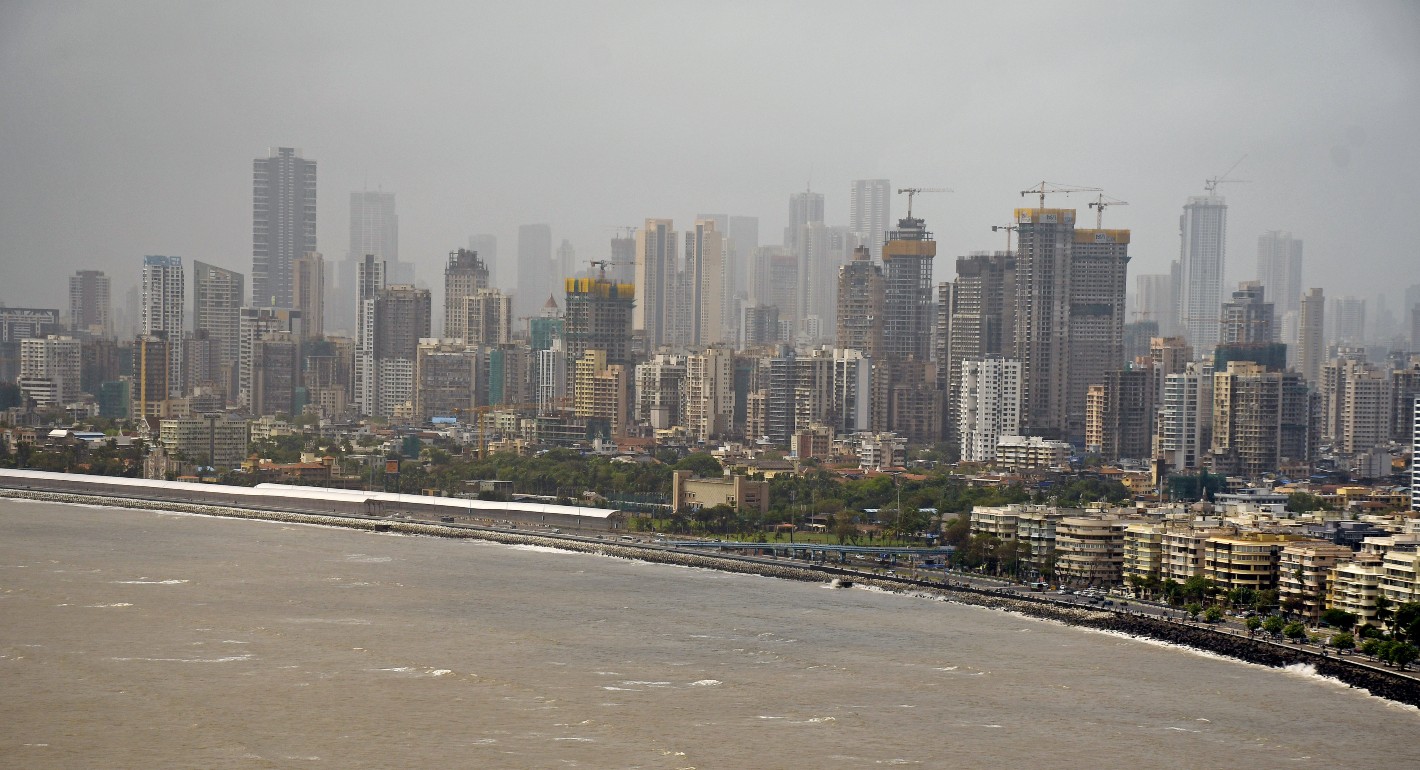
As India undergoes a demographic transition, its cities will be its economic powerhouse—but only if it accurately captures city growth and empowers cities to support their citizens.

Apoorva Jadhav
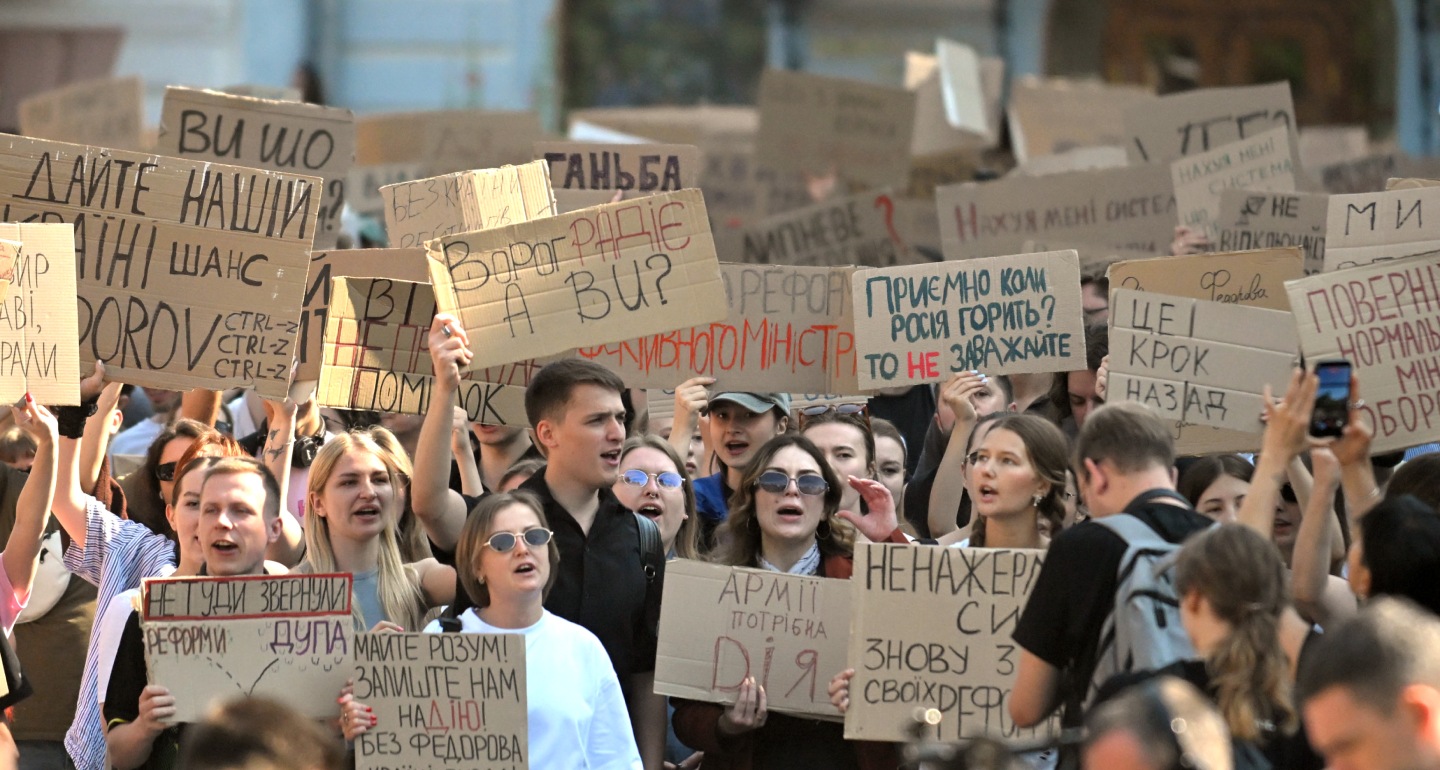
Even if the terms of a ceasefire or peace settlement are satisfactory to most Ukrainians, the country’s democracy will face its fair share of challenges.
Petro Burkovskyi, Olexiy Haran
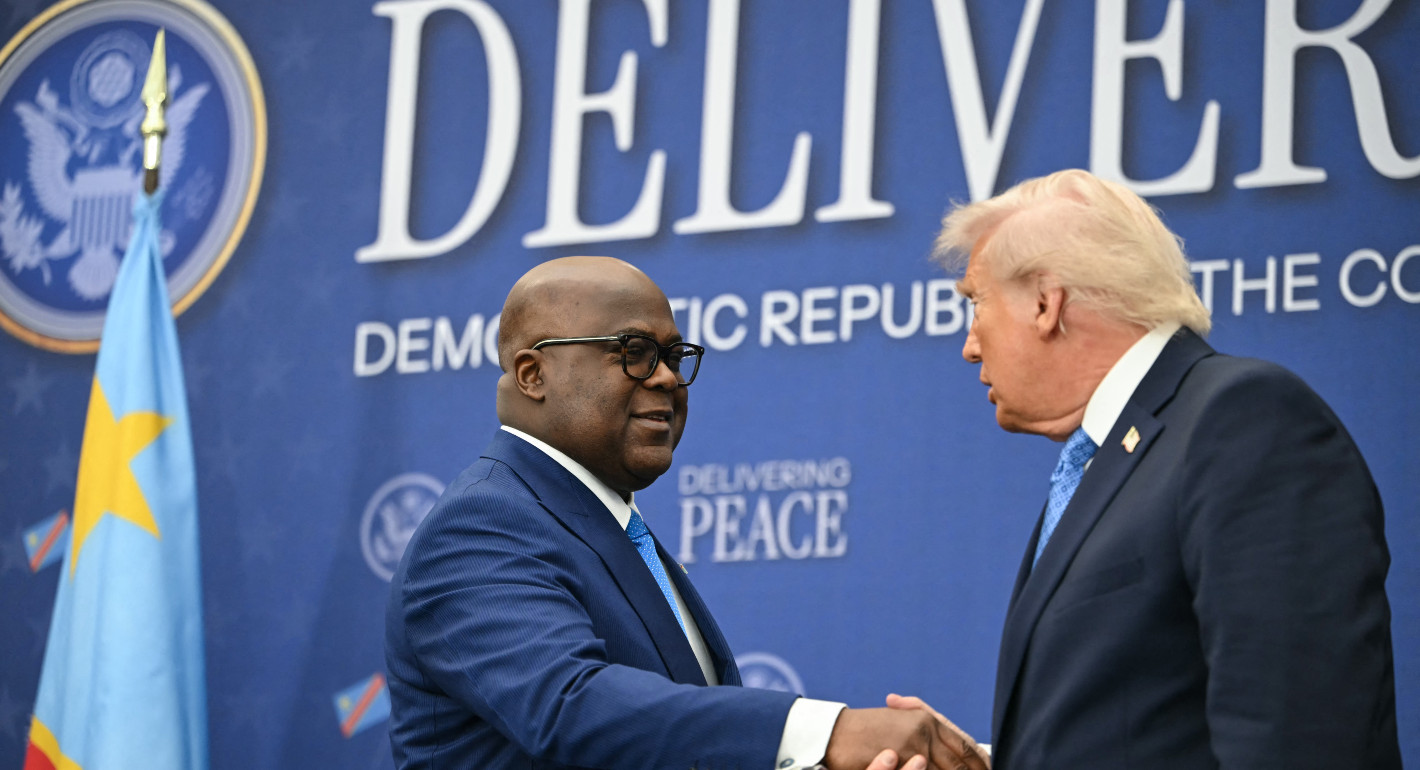
President Tshisekedi is implicating Washington in his pursuit of a third term. Staying silent may prove detrimental to the United States in the long run.
Christian-Géraud Neema