

Commentary
James Schwemlein
{
  "authors": [
    "James Schwemlein"
  ],
  "type": "other",
  "centerAffiliationAll": "dc",
  "centers": [
    "Carnegie Endowment for International Peace"
  ],
  "collections": [],
  "englishNewsletterAll": "ctw",
  "nonEnglishNewsletterAll": "",
  "primaryCenter": "Carnegie Endowment for International Peace",
  "programAffiliation": "SAP",
  "programs": [
    "South Asia"
  ],
  "projects": [],
  "regions": [
    "South Asia",
    "Pakistan"
  ],
  "topics": [
    "Foreign Policy"
  ]
}
Source: Getty
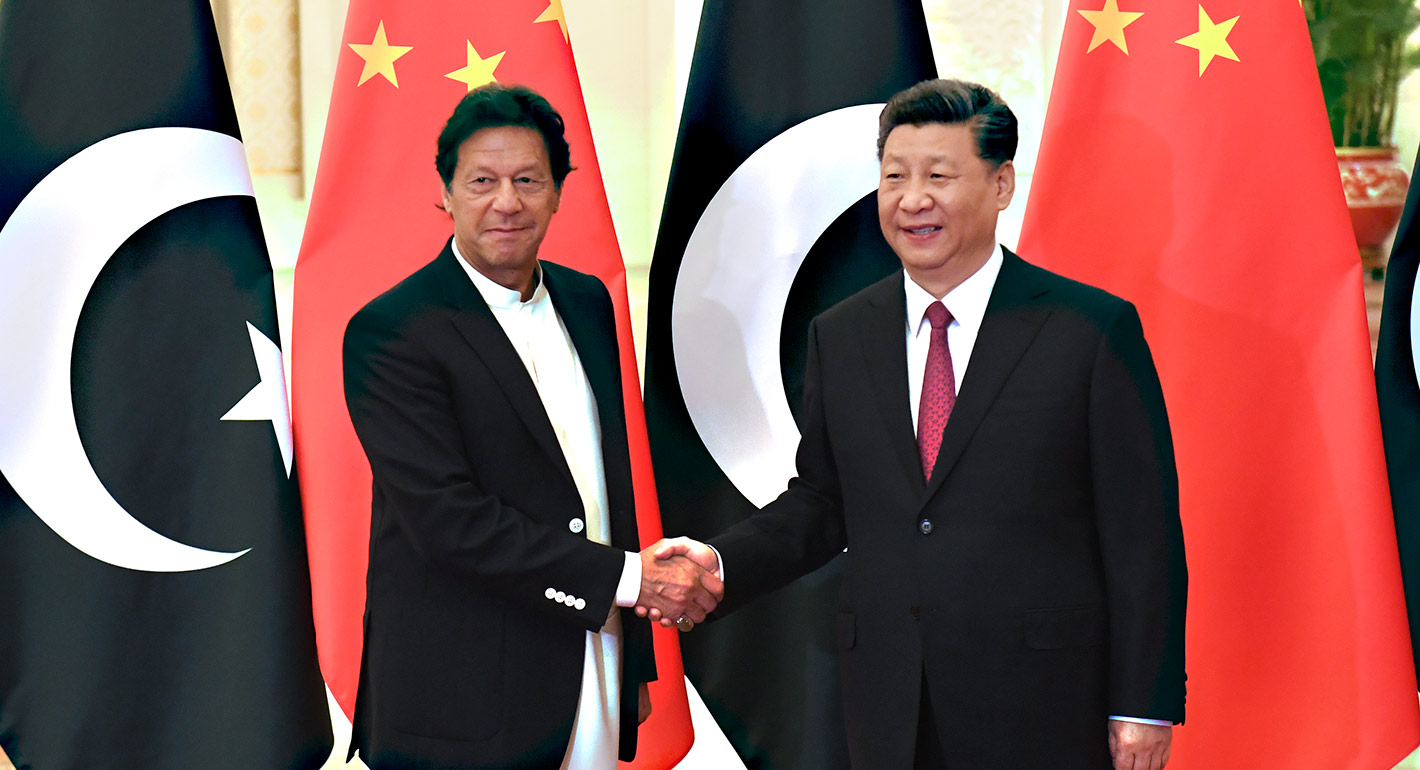
The China-Pakistan Economic Corridor (CPEC) has strategic implications for China-Pakistan, China-India, India-U.S., and U.S.-China relations. U.S. targeted support to Pakistan could prevent Pakistan’s dependence on China, mitigating some of the most negative effects.
Source: United States Institute of Peace
Great power politics is resurgent in South Asia today. China’s growing military ambition in the region is matched in financial terms by its Belt and Road Initiative, the largest and most advanced component of which is the China-Pakistan Economic Corridor. What remains unclear is how the United States should navigate the new dynamic. This report, which is based on research and consultations with experts worldwide, addresses the question of how the India-Pakistan rivalry will play into the emerging great power competition.
.This report examines how China’s financial underwriting of infrastructure projects along the China-Pakistan Economic Corridor is altering the political landscape for the United States, India, China, and Pakistan. Supported by the Asia Center at the U.S. Institute of Peace, this study is based on research and discussions worldwide, and specifically by Asia Center–led consultations with Chinese experts in December 2017 and with Pakistani experts in May 2019.
This report was originally published by the United States Institute of Peace.

Former Nonresident Scholar, South Asia Program
James Schwemlein was a nonresident scholar in the South Asia Program at the Carnegie Endowment for International Peace.
Recent Work
James Schwemlein
James Schwemlein
Carnegie does not take institutional positions on public policy issues; the views represented herein are those of the author(s) and do not necessarily reflect the views of Carnegie, its staff, or its trustees.
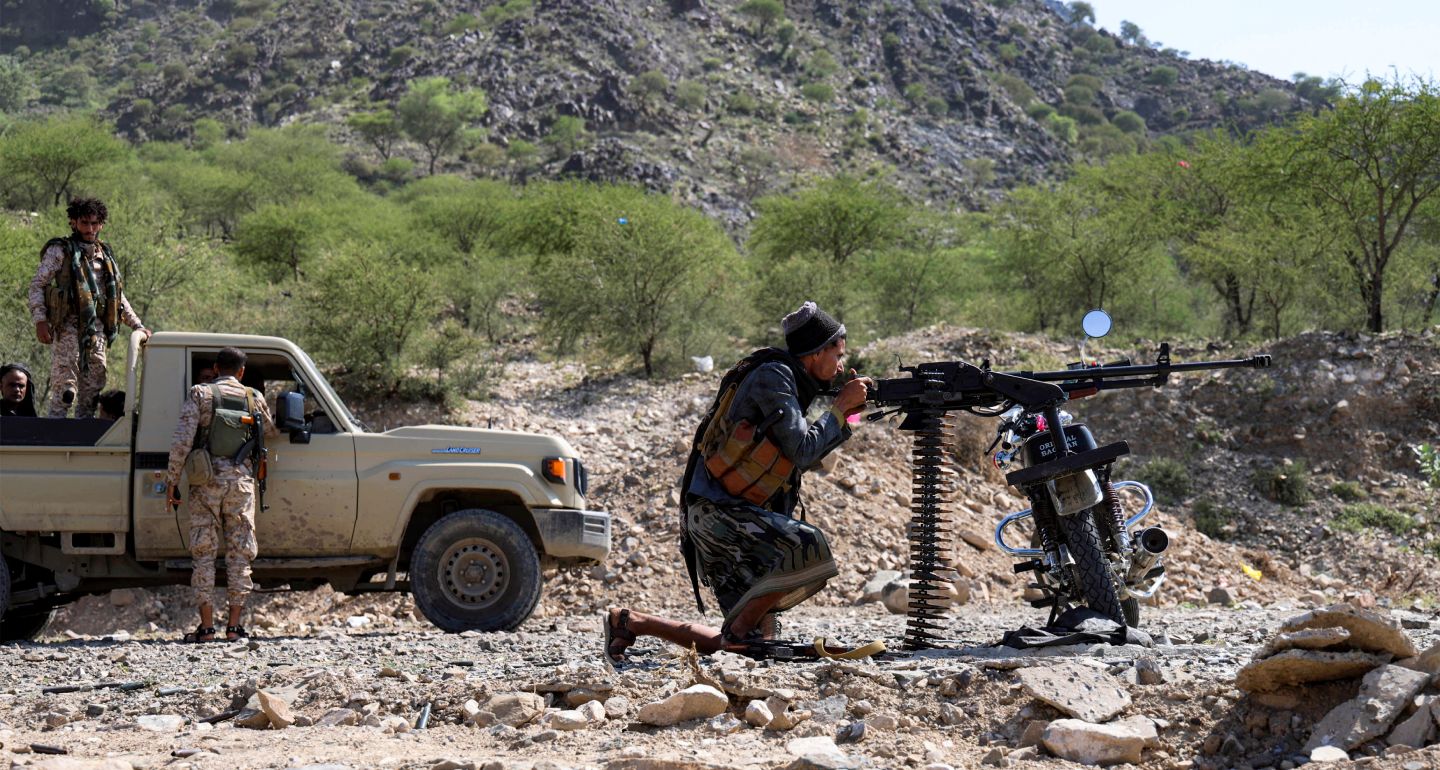
Russia officially endorses Yemen’s formal government while quietly providing military support to the Houthi rebels. However, recent escalation in Yemen has thrust Russia’s game into the spotlight—and risks endangering its relations with the Gulf states.

Ruslan Suleymanov
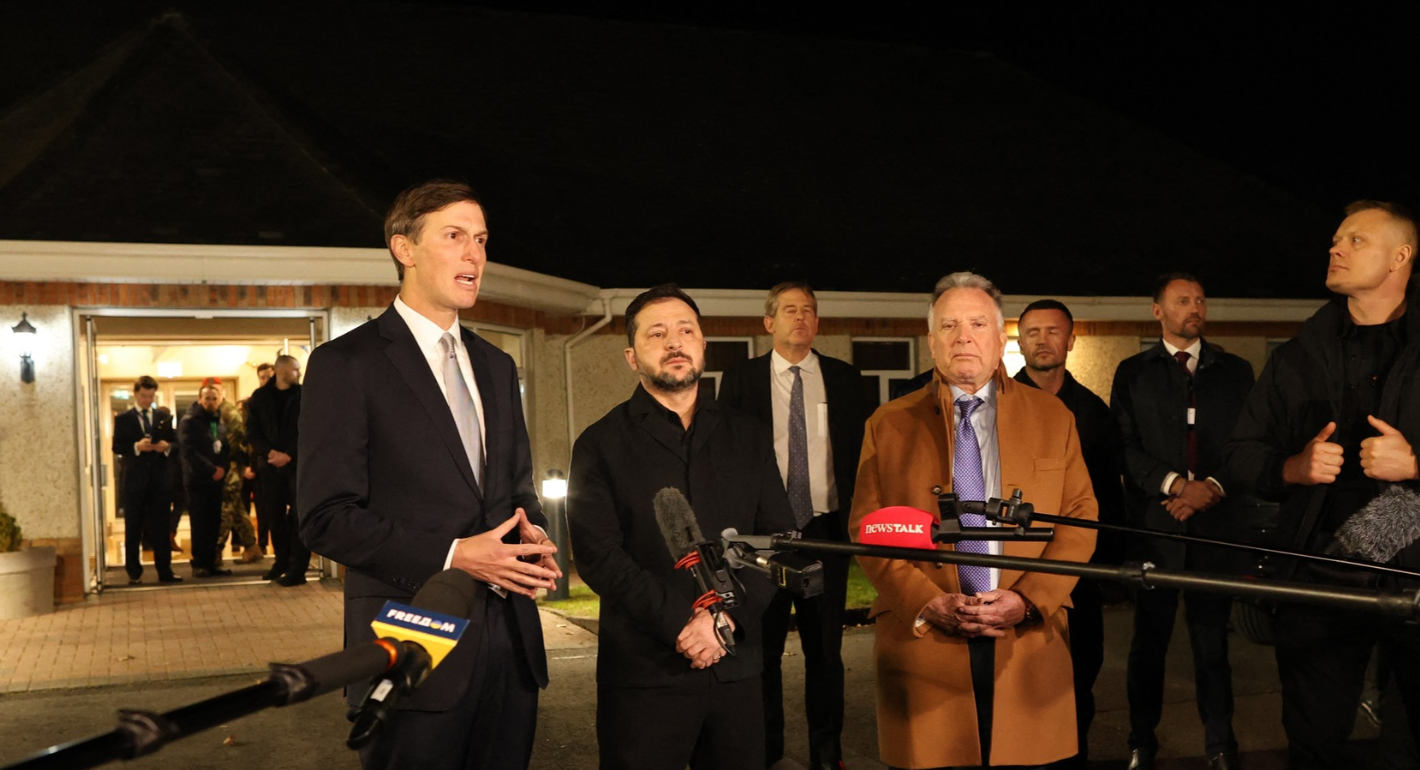
Russia’s maximalist demands are preventing any serious attempt at ending the war in Ukraine. To make peace a realistic prospect, Putin must recognize that diplomacy is a two-way street.

Kadri Liik
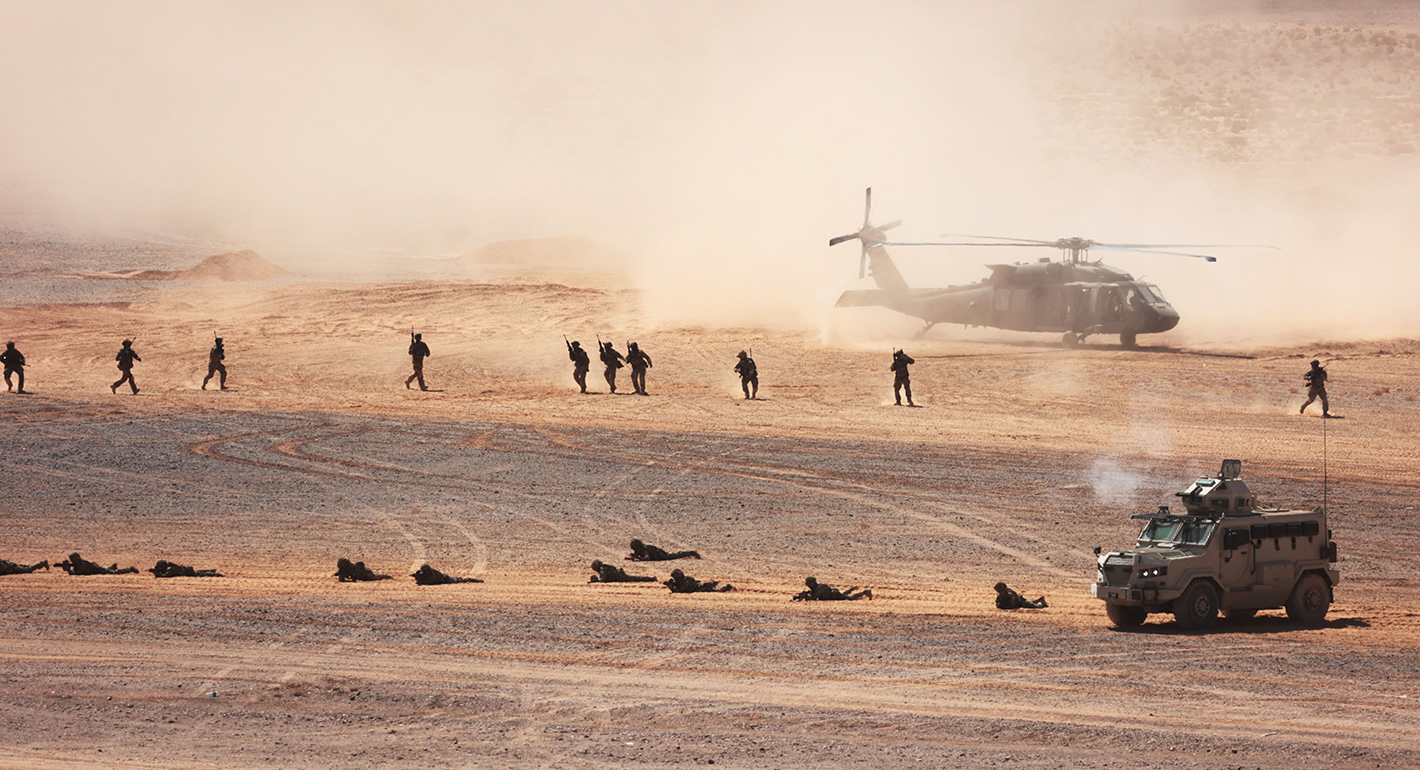
An overreliance on coercive military action has moved the United States further from its goals in the Middle East and North Africa.
Amr Hamzawy, Kathryn Selfe

The concrete goal of an end to the hostilities in Ukraine has been replaced by a host of vague Russian demands concerning a range of issues and regions.

Alexander Baunov
In an increasingly competitive landscape, Seoul should expand its current partnership with Washington and deepen ties with Brussels and New Delhi.

Darcie Draudt-Véjares, Milo McBride