

Commentary
Europe seems to have accepted its sidelining in the Middle East. The EU must reassert its support for the international rules-based order and step up engagement.
Rym Momtaz

Source: Washington, DC: Carnegie Endowment for International Peace, 1993
In the report of the Carnegie Endowment's Study Group on U.S.-India Relations in a Changing International Environment, the authors examine the impact of dramatic geopolitical changes and the effects of recent developments in India on U.S. policy options. They consider the prospects for better economic relations and the implications of India's power potential, including its nuclear and missile programs.
Geoffrey Kemp
Carnegie does not take institutional positions on public policy issues; the views represented herein are those of the author(s) and do not necessarily reflect the views of Carnegie, its staff, or its trustees.
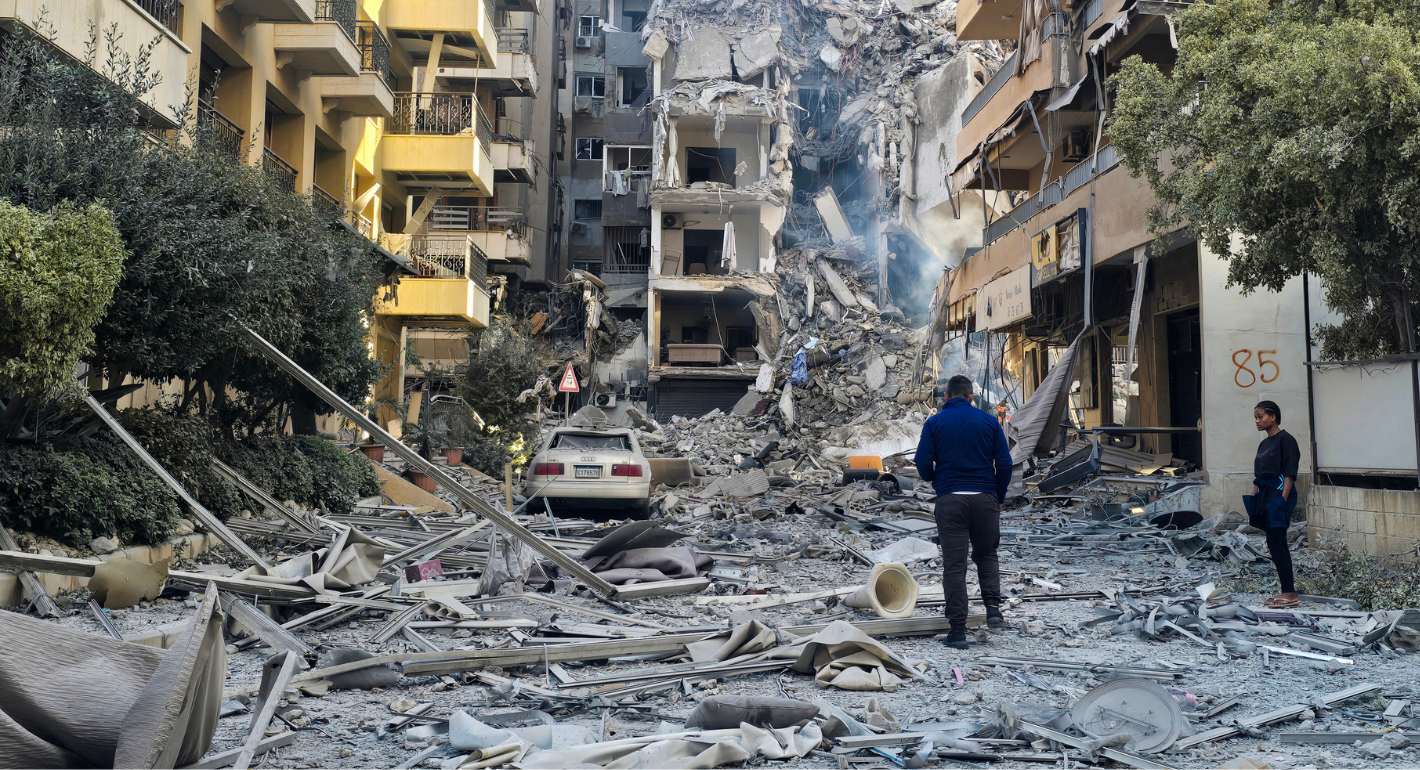
Europe seems to have accepted its sidelining in the Middle East. The EU must reassert its support for the international rules-based order and step up engagement.

Rym Momtaz
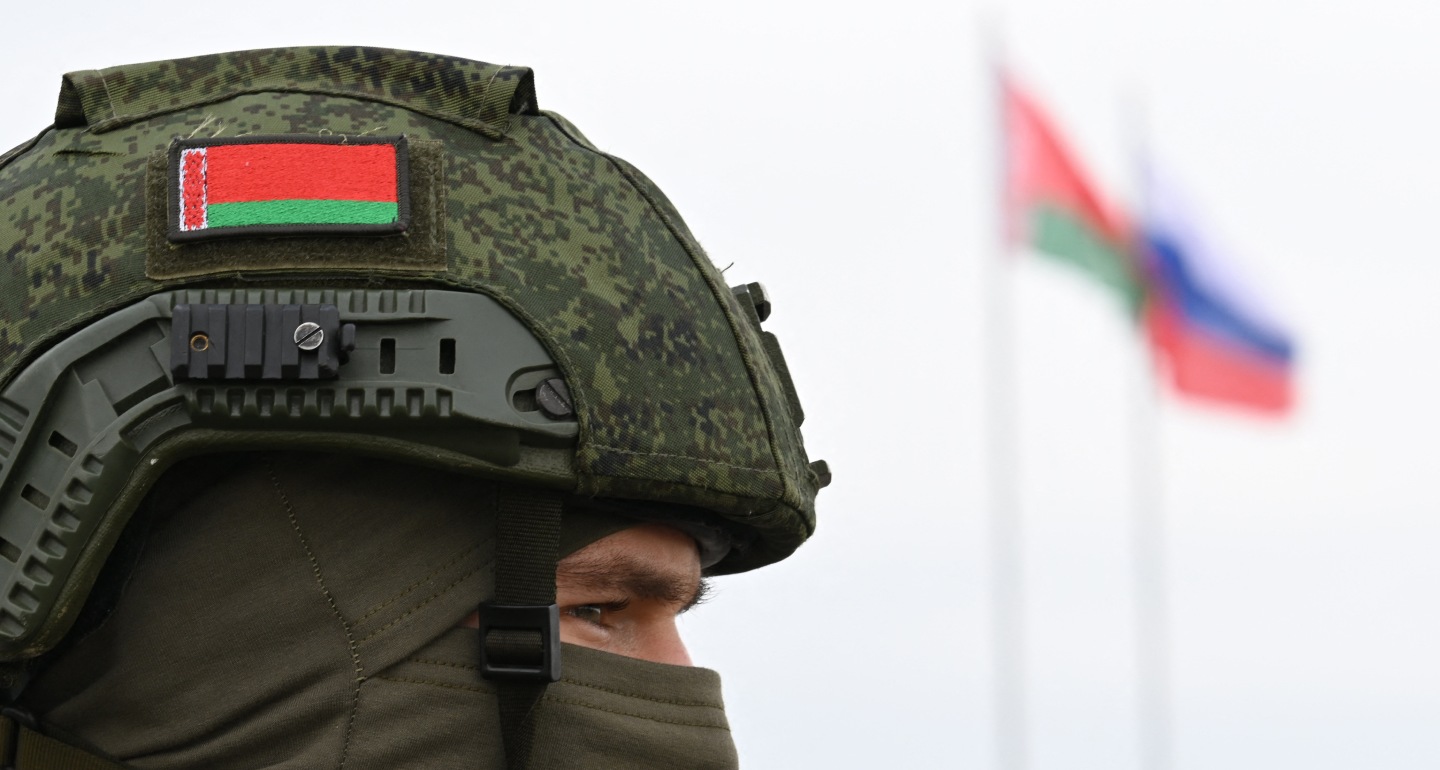
By reminding the world that Lukashenko is a threat to NATO and Ukraine, Kyiv is trying to return the focus to why the Belarusian regime needs to be contained rather than rewarded.

Artyom Shraibman

Regardless of the outcome, there’s another path to ensuring that progress doesn’t stall.

Zaur Shiriyev

But their "principal to principal" model will only be as effective as the political strength of each leader back home.

Damien Ma

China’s Ministry of Public Security is often portrayed as a domestic law enforcement agency, but it is also a global security actor. This paper explores how MPS has used international law enforcement and security cooperation agreements—over 200 since 2006—to advance China’s vision of security in a changing global environment.


Sophie Zhuang, Sheena Chestnut Greitens, Cameron Waltz