

Commentary
A leak of Russian gas price data helps establish that China is paying Russia far less than Central Asian countries and Gazprom’s former European customers.
Sergey Vakulenko

REQUIRED IMAGE
Recently, pressures for fiscal decentralization have increased in various parts of the world. When cultural, ethnic, or linguistic diversity characterizes a country's population, the justification for giving different regions more control over their political and economic decisions seems to acquire more legitimacy.
Recently, pressures for fiscal decentralization have increased in various parts of the world. When cultural, ethnic, or linguistic diversity characterizes a country's population, the justification for giving different regions more control over their political and economic decisions seems to acquire more legitimacy.
In Pitfalls on the Road to Fiscal Decentralization, Vito Tanzi discusses issues relevant to the question of whether or not fiscal decentralization would generate the positive results that its supporters claim. Tanzi argues that if countries meet certain conditions before the process of decentralization begins, positive outcomes are more likely to occur because of decentralization. Likewise, Tanzi notes that there may be alternatives preferable to decentralization that countries should first carefully consider before making any final decisions.
Click on link above for full text of this Carnegie Paper.
A limited number of print copies are also available.
Request a copy
Former Senior Associate
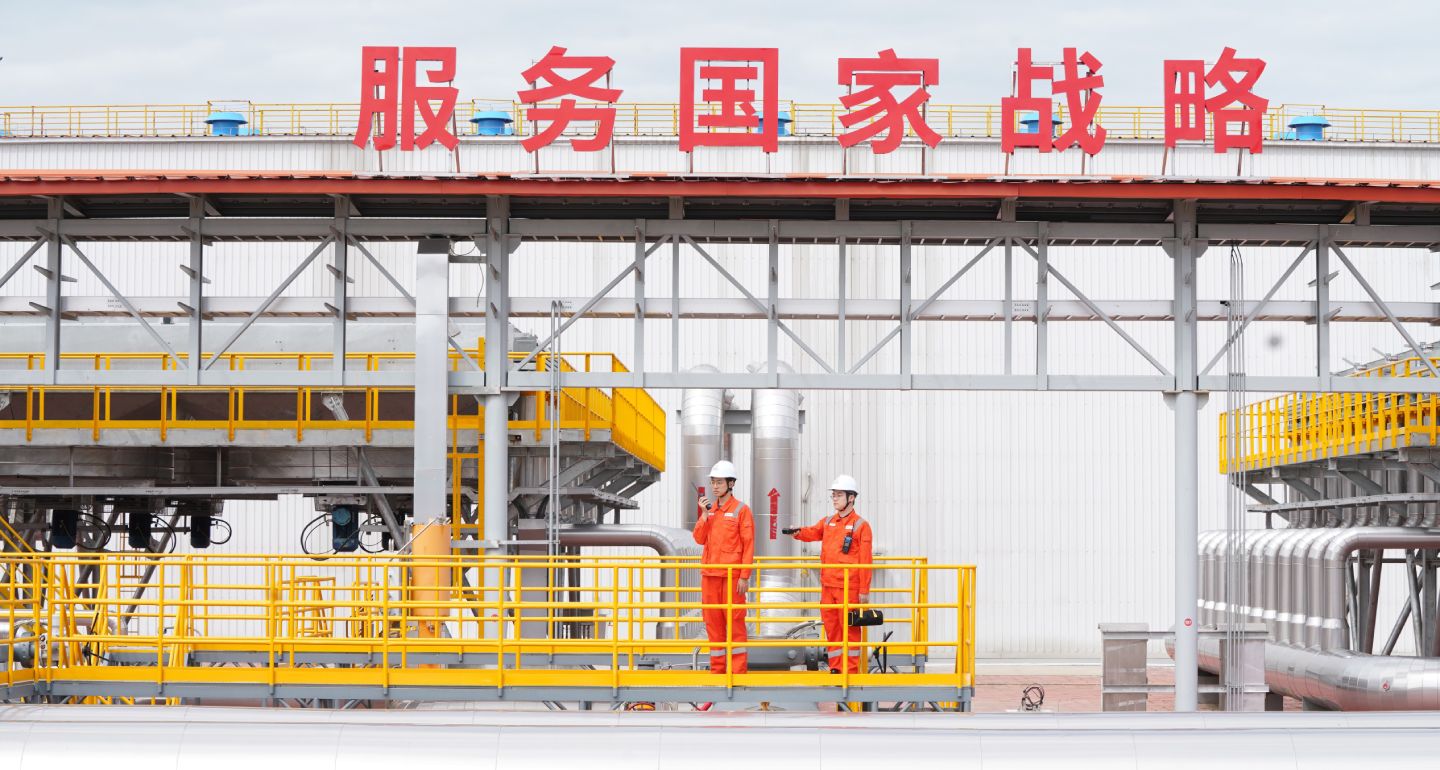
A leak of Russian gas price data helps establish that China is paying Russia far less than Central Asian countries and Gazprom’s former European customers.

Sergey Vakulenko

Rubio’s recent visit brought welcome attention, but more capital requires governance changes that may be a hard sell for regional governments.

Jennifer B. Murtazashvili

China has showcased its engineering prowess with small modular reactor demonstration projects. But turning these technological achievements into commercial success will be a greater challenge.

Tong Zhao

Despite public disputes over trade and immigration, the strategic partnership’s foundations remain sturdy.

Sameer Lalwani

With its public finances in shambles, the far right polling at 35 percent ahead of the 2027 presidential election, and a growing protest movement, is France’s crisis a threat to the EU’s geopolitical awakening?

Rym Momtaz, ed.