

Commentary
With the White House only interested in economic dealmaking, Georgia finds itself eclipsed by what Armenia and Azerbaijan can offer.
Bashir Kitachaev

REQUIRED IMAGE
Recently, pressures for fiscal decentralization have increased in various parts of the world. When cultural, ethnic, or linguistic diversity characterizes a country's population, the justification for giving different regions more control over their political and economic decisions seems to acquire more legitimacy.
Recently, pressures for fiscal decentralization have increased in various parts of the world. When cultural, ethnic, or linguistic diversity characterizes a country's population, the justification for giving different regions more control over their political and economic decisions seems to acquire more legitimacy.
In Pitfalls on the Road to Fiscal Decentralization, Vito Tanzi discusses issues relevant to the question of whether or not fiscal decentralization would generate the positive results that its supporters claim. Tanzi argues that if countries meet certain conditions before the process of decentralization begins, positive outcomes are more likely to occur because of decentralization. Likewise, Tanzi notes that there may be alternatives preferable to decentralization that countries should first carefully consider before making any final decisions.
Click on link above for full text of this Carnegie Paper.
A limited number of print copies are also available.
Request a copy
Former Senior Associate

With the White House only interested in economic dealmaking, Georgia finds itself eclipsed by what Armenia and Azerbaijan can offer.

Bashir Kitachaev
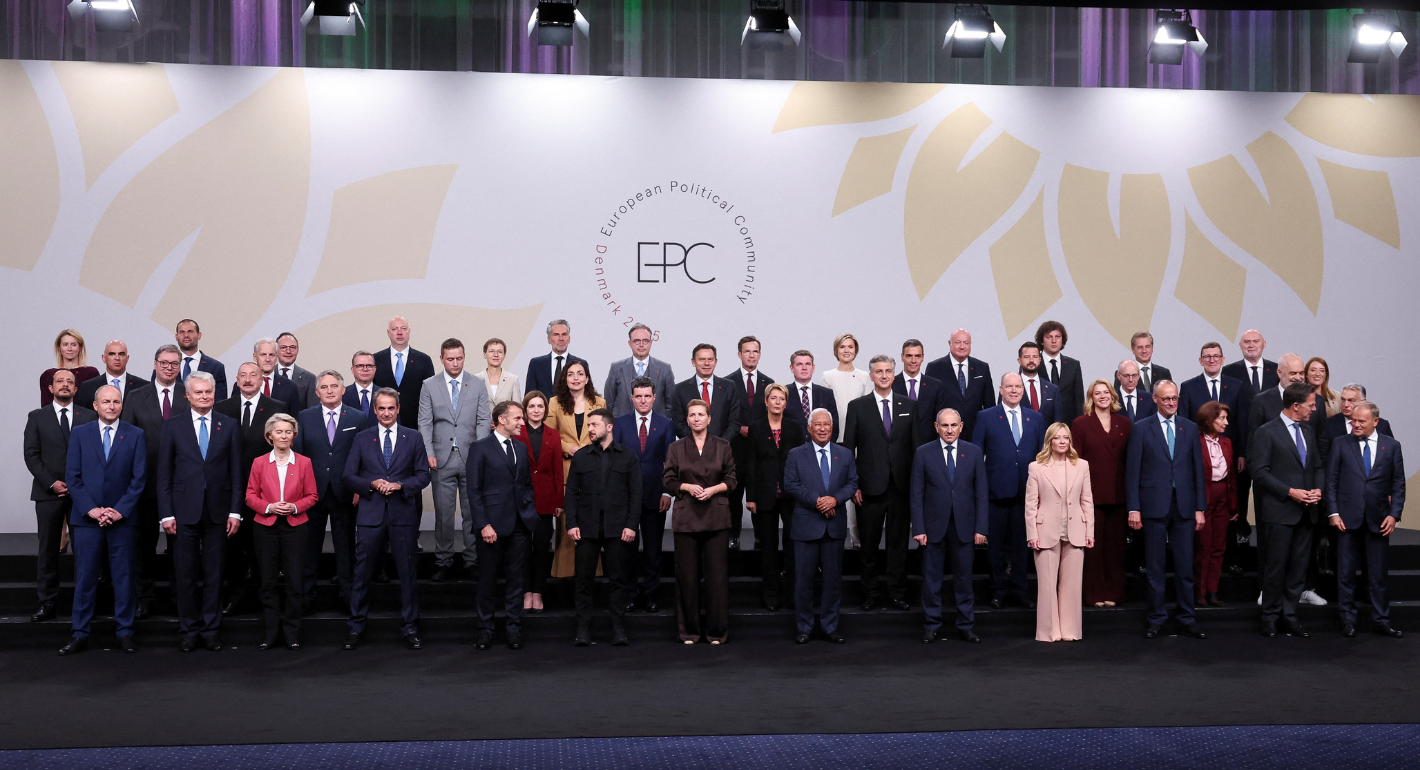
Europe isn’t as weak in the new geopolitics of power as many would believe. But to leverage its assets and claim a sphere of influence, Brussels must stop undercutting itself.

Dimitar Bechev
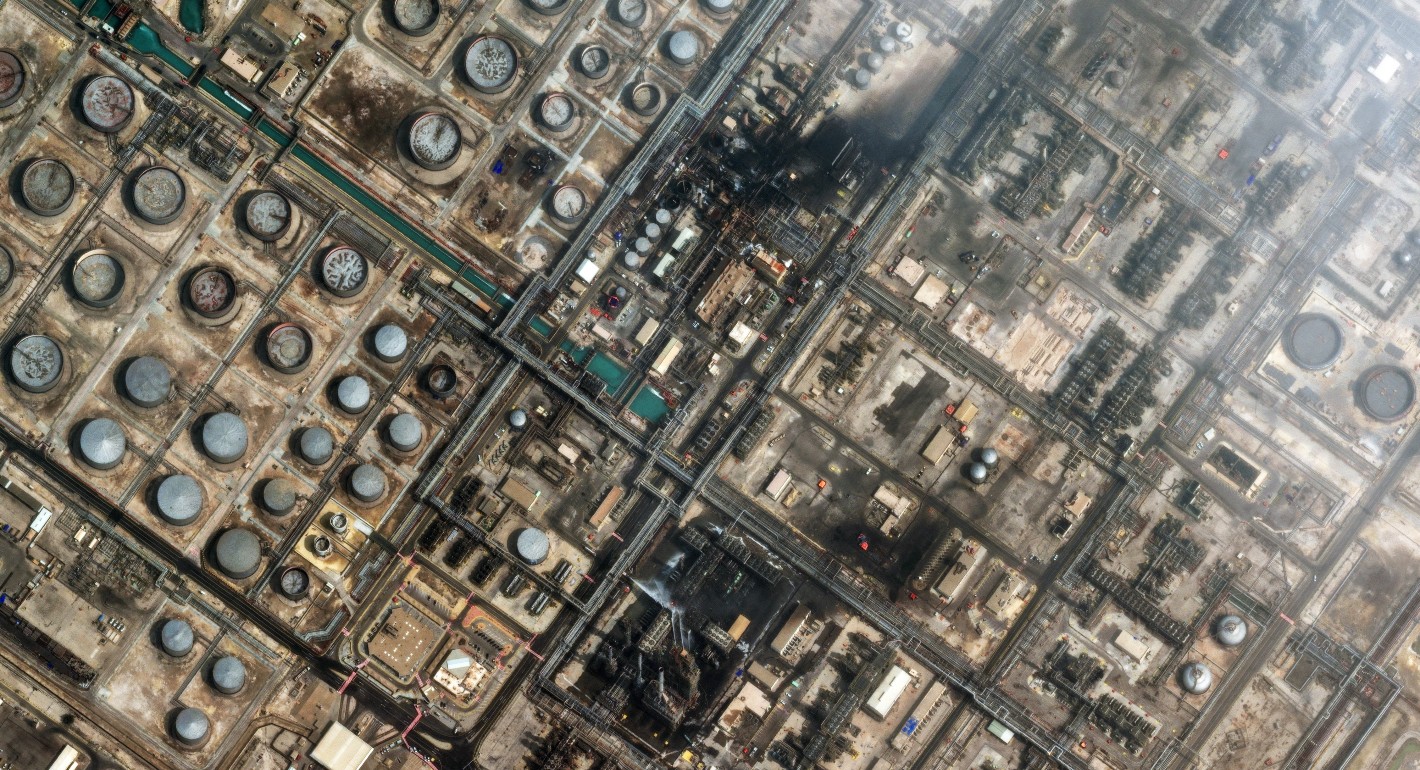
Tehran’s attacks are reshaping the security situation in the Middle East—and forcing the region’s clock to tick backward once again.

Amr Hamzawy
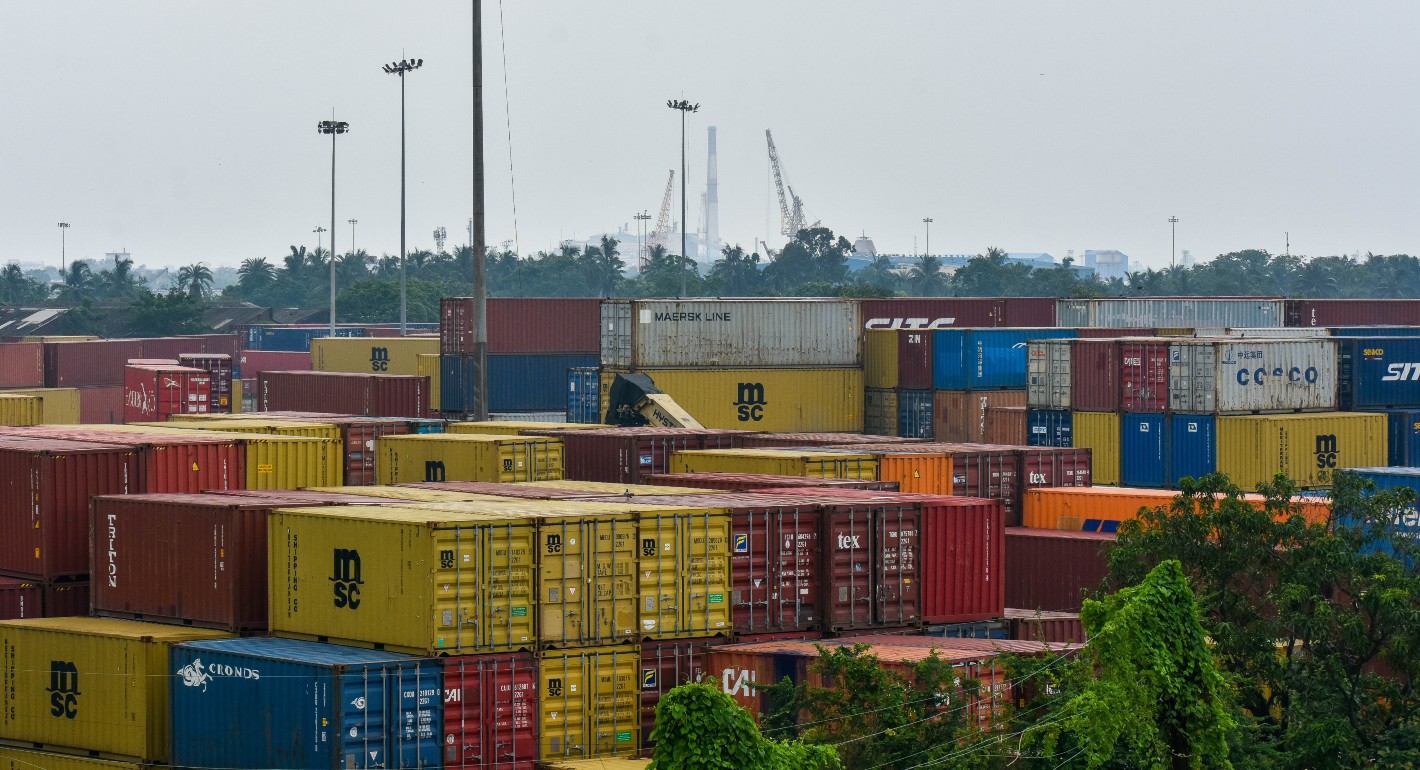
Cargo time release studies offer a path to greater economic gains and higher trust between neighboring countries.

Nikita Singla
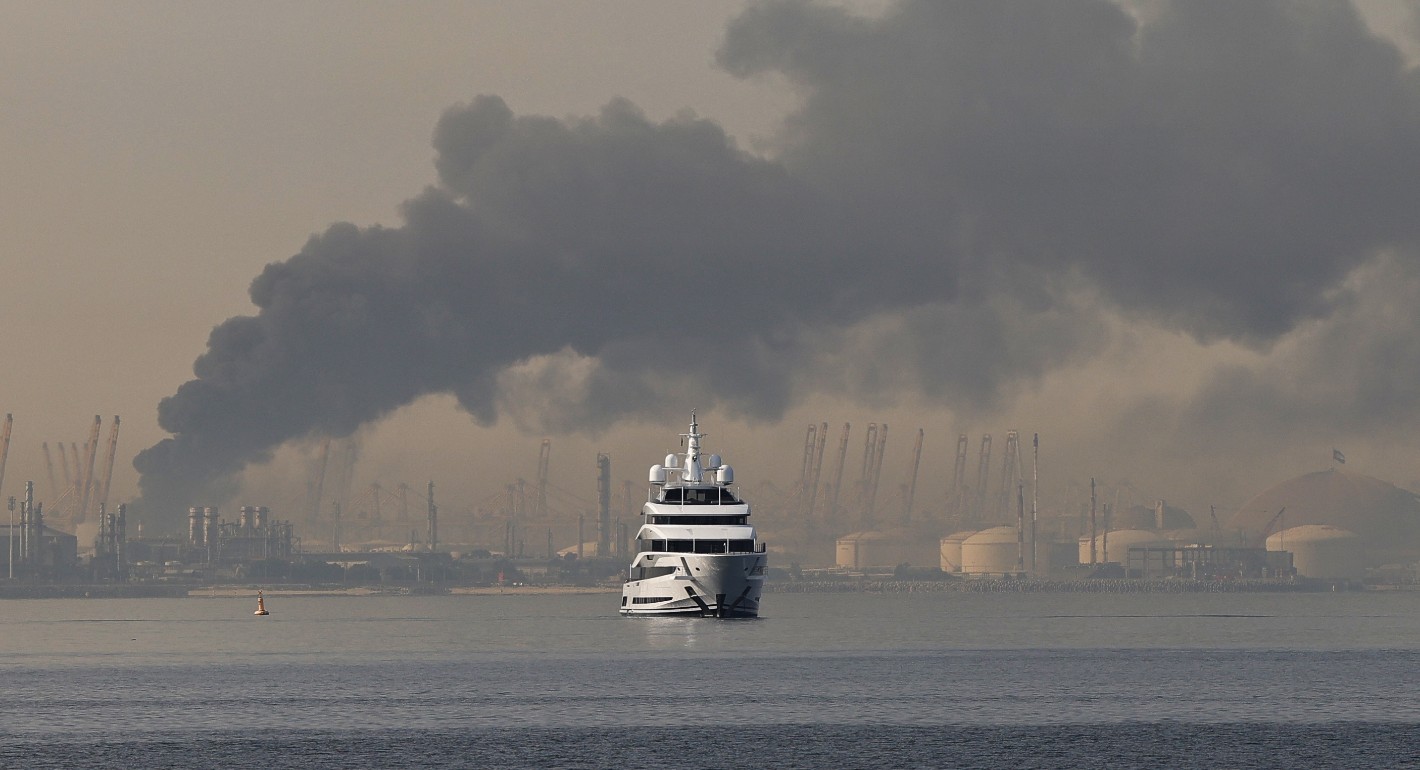
Only collective security can protect fragile economic models.

Andrew Leber