

Report
- +2
George Perkovich, Jessica Tuchman Mathews, Joseph Cirincione, …

Source: Washington, DC: Carnegie Endowment for International Peace, 2001
This sixth edition of the Nuclear Status Report, copublished by the Carnegie Endowment and the Monterey Institute, is the most comprehensive and authoritative source for information on Russia's nuclear arsenal, its stockpile of nuclear materials, and the impact of U.S. assistance to reduce the proliferation risks posed by the collapse of the Soviet Union.
Chronicled in this report are many of the major proliferation problems that remain owing to the economic disarray of the Russian nuclear complex, the relatively low priority attached to nonproliferation by senior political leadership, and the inadequacies of safeguards currently in place at many nuclear facilities.
The new features of this report include:

Former Nonresident Scholar, Nuclear Policy Program
Jon Wolfsthal was a nonresident scholar with the Nuclear Policy Program.
Recent Work


George Perkovich, Jessica Tuchman Mathews, Joseph Cirincione, …
Jon Wolfsthal
Carnegie does not take institutional positions on public policy issues; the views represented herein are those of the author(s) and do not necessarily reflect the views of Carnegie, its staff, or its trustees.

Nuclear and maritime communities face a long and challenging journey to deploy commercial nuclear applications at sea.


Jamie Kwong, Toby Dalton

The DFC should focus on advanced, low-carbon energy sources, prioritizing areas where the United States has comparative advantages.

Noah Gordon, Liana Schmitter-Emerson
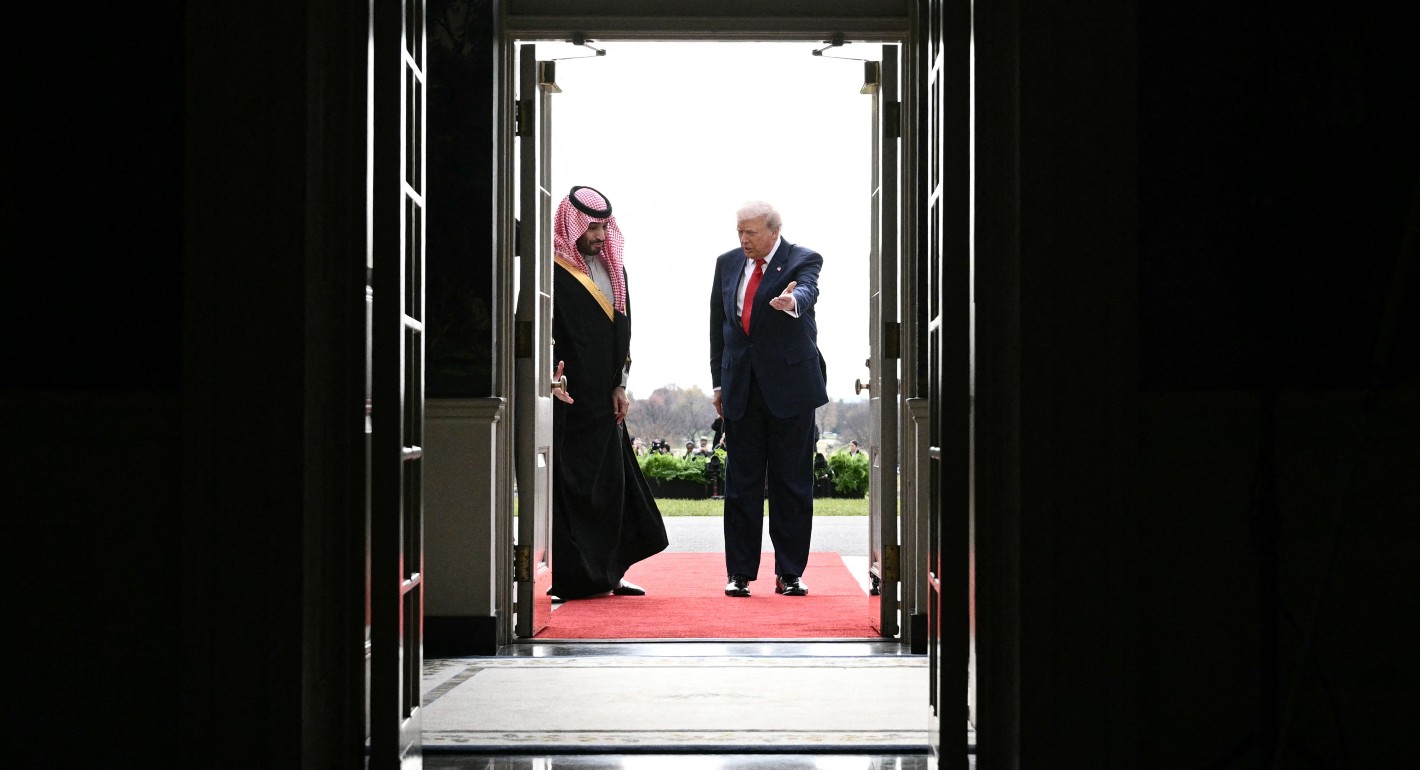
Despite the agreement’s uncertainty, it’s still a significant development in regional and nuclear policy.


Andrew Leber, Jane Darby Menton

Nuclear recycling has emerged as a salient, cross-cutting issue, one that is heavily dependent on broader choices among reactor designs, fuel availability, economic resources, technological options, and political choices. States and nuclear industries seeking to advance recycling must devote sustained consideration now to the interplay of all these factors.
Etienne Pochon
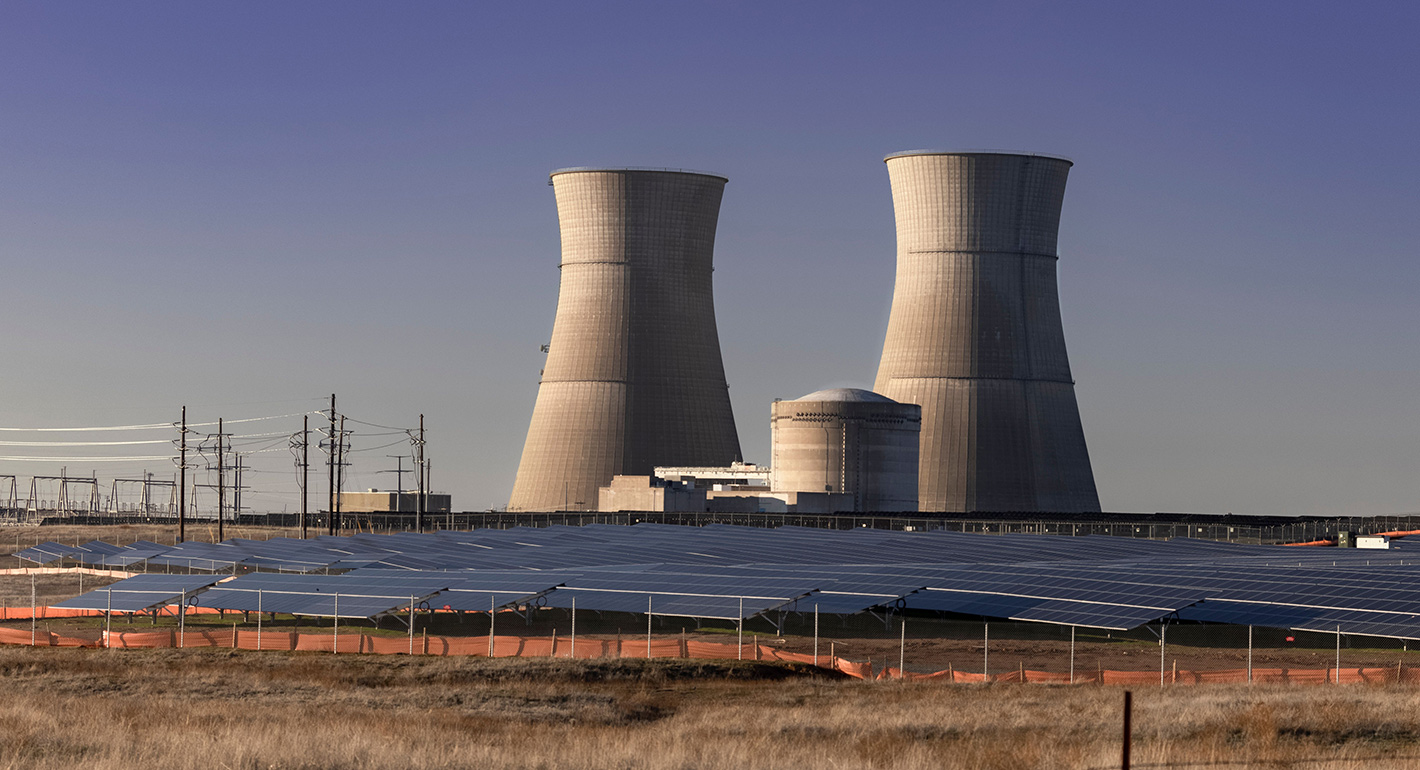
The coming decade will require technology companies to decide how nuclear fits into their energy strategies—and grapple with the obligations that follow.

John Pendleton, Mackenzie Schuessler