

Commentary
Rubio’s recent visit brought welcome attention, but more capital requires governance changes that may be a hard sell for regional governments.
Jennifer B. Murtazashvili
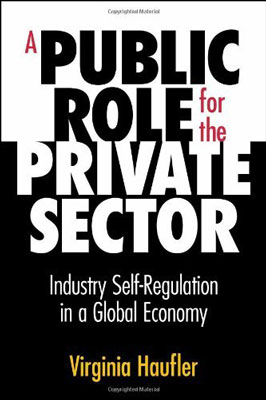
This book explores corporate self-regulation on an international level across three different policy issues—environment, labor, and information privacy.
Source: Washington

Virginia Haufler directed the Project on the Role of the Private Sector in International Affairs at the Carnegie Endowment. She is associate professor at the University of Maryland, College Park.
"Anyone seeking to become better-informed about the changing role of business in the modern world should read this book."
—Debora L. Spar, Harvard Business School
"Breaks new ground in explaining the nature of industry self-regulation in today's globalizing economy. The rich case material makes this book essential reading for understanding the role of business in the 21st century."
—Georg Kell, UN Office of the Global Compact
"Offers a useful framework for assessing the drivers and mechanisms for industry self-regulation and poses a set of questions that policy makers, business leaders, activists, and academics cannot afford to ignore."
—Jane Nelson, International Business Leaders Forum
Former Visiting Scholar
Carnegie does not take institutional positions on public policy issues; the views represented herein are those of the author(s) and do not necessarily reflect the views of Carnegie, its staff, or its trustees.
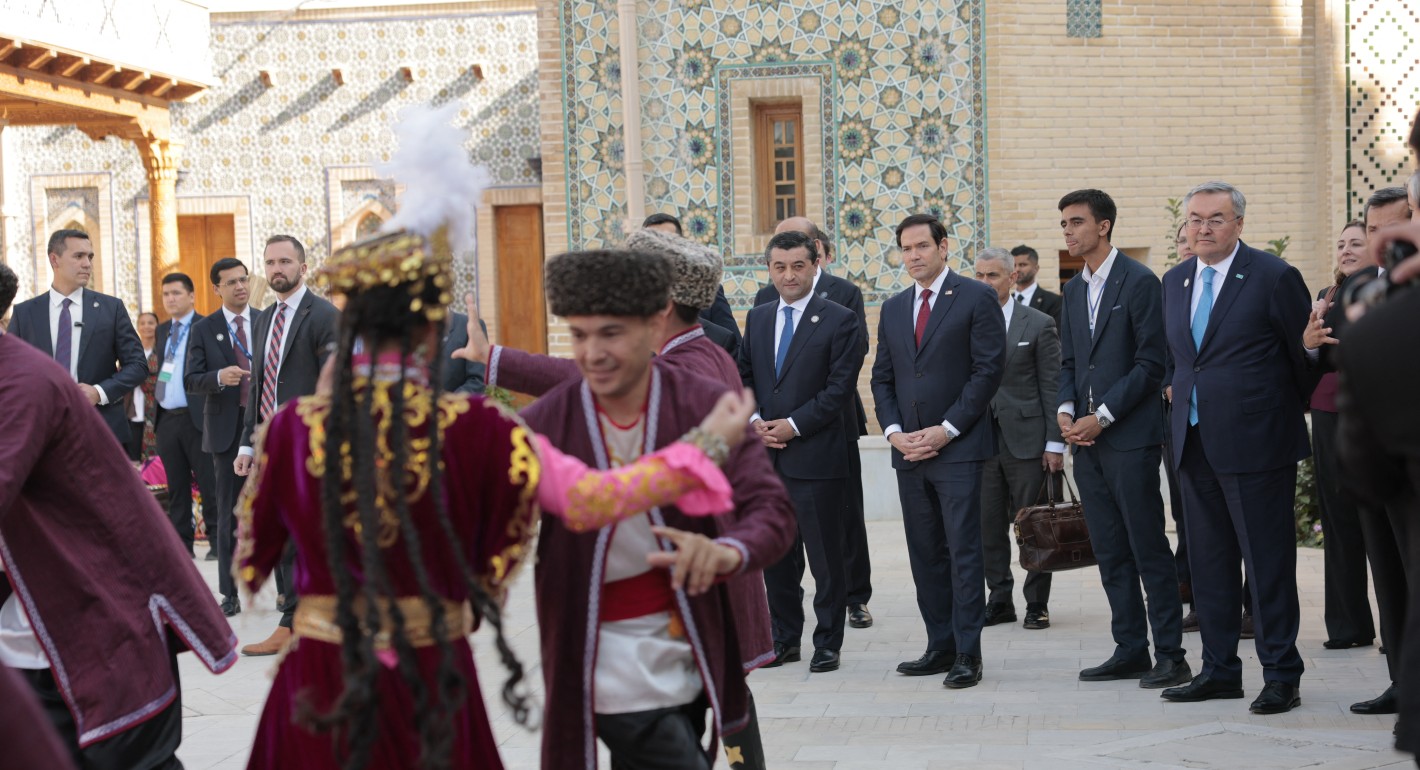
Rubio’s recent visit brought welcome attention, but more capital requires governance changes that may be a hard sell for regional governments.

Jennifer B. Murtazashvili

China has showcased its engineering prowess with small modular reactor demonstration projects. But turning these technological achievements into commercial success will be a greater challenge.

Tong Zhao

Despite public disputes over trade and immigration, the strategic partnership’s foundations remain sturdy.

Sameer Lalwani

With its public finances in shambles, the far right polling at 35 percent ahead of the 2027 presidential election, and a growing protest movement, is France’s crisis a threat to the EU’s geopolitical awakening?

Rym Momtaz, ed.

Russian strikes are weakening the economy sustaining Ukraine’s war effort. Closing the growing funding gap will require more European support and politically contentious reforms in Kyiv.

Balázs Jarábik