• Research
  • Emissary
  • About
  • Experts
Carnegie Global logoCarnegie lettermark logo
DemocracyIran
  • Donate
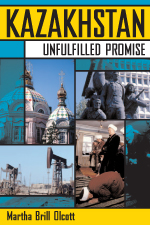
Kazakhstan: Unfulfilled Promise
Book

Kazakhstan: Unfulfilled Promise

At the outset of independence 10 years ago, it appeared that democracy was beginning to take hold in Kazakhstan. A decade later, economic reform is mired in widespread corruption and a regime that flirted with democracy is now laying the foundation for family-based, authoritarian rule.

Link Copied
By Martha Brill Olcott
Published on Feb 15, 2002

Additional Links

IndexChapter OneHardback - $44.00Paperback - $24.95PDF - $18.00Table of Contents
Program mobile hero image

Program

Russia and Eurasia

The Russia and Eurasia Program continues Carnegie’s long tradition of independent research on major political, societal, and security trends in and U.S. policy toward a region that has been upended by Russia’s war against Ukraine.  Leaders regularly turn to our work for clear-eyed, relevant analyses on the region to inform their policy decisions.

Learn More

Source: Washington

At the outset of independence 10 years ago, Kazakhstan's leaders promised that the country's rich natural resources, with oil and gas reserves among the largest in the world, would soon bring economic prosperity, and it appeared that democracy was beginning to take hold in this newly independent state. A decade later, economic reform is mired in widespread corruption. A regime that flirted with democracy is now laying the foundation for family-based, authoritarian rule. This book examines the development of this ethnically diverse and strategically vital nation. Kazakhstan: Unfulfilled Promise also looks at shortcomings of U.S. policy in the region and at the future challenges that Kazakhstan will pose to the United States and international institutions.

Advance Praise

"This detailed but accessible work will be the definitive work on the newly independent state of Kazakhstan."
—CHOICE

[Olcott]...is one of the most active and sought-after American scholars working on Central Asia."
—Middle East Policy

"[Olcott]...knows more about Kazakhstan than anyone else in the West."
—The New York Review of Books

"...not only shares the lucid insights and depth of a seasoned observer, it greatly enriches the literature on post-Soviet transitions."
—Foreign Affairs

"For years anyone interested in Kazakhstan has had no trouble picking the very best book on the subject: The Kazakhs by Martha Olcott. Now, at last, there's a real rival: shrewd and sensitive to the deep problems of post-Soviet politics, and—of course!—by Martha Olcott."
—Stephen Sestanovich, former Ambassador at Large and Special Advisor to the Secretary of State

"Olcott gives us the best up-to-date account of a transition to modernity that appears to have lost its way."
—Ronald Grigor Suny, University of Chicago

"A bible for understanding the country, written by a preeminent scholar."
—William Courtney, former Ambassador to Kazakhstan and Georgia
About the Author

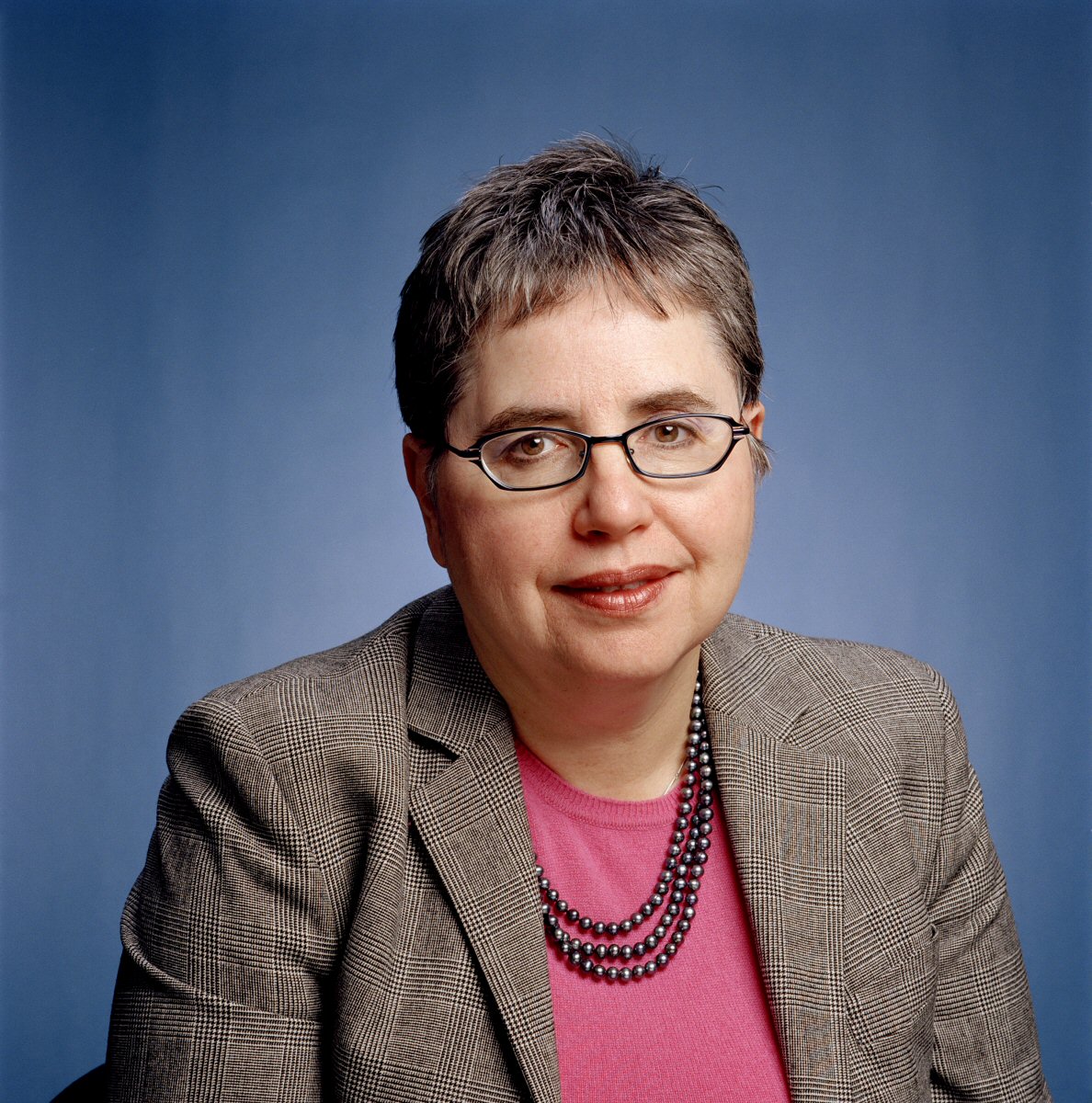
Martha Brill Olcott

Former Senior Associate, Russia and Eurasia Program and, Co-director, al-Farabi Carnegie Program on Central Asia

Olcott is professor emerita at Colgate University, having taught political science there from 1974 to 2002. Prior to her work at the endowment, Olcott served as a special consultant to former secretary of state Lawrence Eagleburger.

    Recent Work

  • In The Media
    After Crimea: Will Kazakhstan be Next in Putin’s Reintegration Project?

      Martha Brill Olcott

  • Article
    China’s Unmatched Influence in Central Asia

      Martha Brill Olcott

Martha Brill Olcott
Former Senior Associate, Russia and Eurasia Program and, Co-director, al-Farabi Carnegie Program on Central Asia
Martha Brill Olcott
Central AsiaKazakhstanPolitical Reform

Carnegie does not take institutional positions on public policy issues; the views represented herein are those of the author(s) and do not necessarily reflect the views of Carnegie, its staff, or its trustees.

More Work from Carnegie Endowment for International Peace

  • Commentary
    Strategic Europe
    The EU Needs a Third Way in Iran

    European reactions to the war in Iran have lost sight of wider political dynamics. The EU must position itself for the next phase of the crisis without giving up on its principles.

      Richard Youngs

  • Commentary
    Carnegie Politika
    The Kremlin Is Destroying Its Own System of Coerced Voting

    The use of technology to mobilize Russians to vote—a system tied to the relative material well-being of the electorate, its high dependence on the state, and a far-reaching system of digital control—is breaking down.

      Andrey Pertsev

  • Commentary
    Carnegie Politika
    Notes From Kyiv: Is Ukraine Preparing for Elections?

    As discussions about settlement and elections move from speculation to preparation, Kyiv will have to manage not only the battlefield, but also the terms of political transition. The thaw will not resolve underlying tensions; it will only expose them more clearly.

      Balázs Jarábik

  • U.S. and Indian flags on display.
    Paper
    Indian Americans in a Time of Turbulence: 2026 Survey Results

    A new Carnegie survey of Indian Americans examines shifting vote preferences, growing political ambivalence, and rising concerns about discrimination amid U.S. policy changes and geopolitical uncertainty.

      • +1

      Milan Vaishnav, Sumitra Badrinathan, Devesh Kapur, …

  • Commentary
    Strategic Europe
    Can Europe Still Matter in Syria?

    Europe’s interests in Syria extend beyond migration management, yet the EU trails behind other players in the country’s post-Assad reconstruction. To boost its influence in Damascus, the union must upgrade its commitment to ensuring regional stability.

      Bianka Speidl, Hanga Horváth-Sántha

Get more news and analysis from
Carnegie Endowment for International Peace
Carnegie global logo, stacked
1779 Massachusetts Avenue NWWashington, DC, 20036-2103Phone: 202 483 7600Fax: 202 483 1840
  • Research
  • Emissary
  • About
  • Experts
  • Donate
  • Programs
  • Events
  • Blogs
  • Podcasts
  • Contact
  • Annual Reports
  • Careers
  • Privacy
  • For Media
  • Government Resources
Get more news and analysis from
Carnegie Endowment for International Peace
© 2026 Carnegie Endowment for International Peace. All rights reserved.