

Paper
Mei Ying Gechlik (Veron Hung)

REQUIRED IMAGE
China's accession to the World Trade Organization thrusts formidable challenges on Chinese leadership to honor promises relating to the country's rule of law developments. The United States and the international community should seize this unprecedented opportunity by directing more resources toward such reform efforts.
Source: Carnegie Paper No. 32
Summary
China's accession to the World Trade Organization thrusts formidable challenges on Chinese leadership to honor promises relating to the country's rule of law developments. The United States and the international community should seize this unprecedented opportunity by directing more resources toward such reform efforts.
Realistic goals include assisting China in restructuring the court system to be more independent of local governments and the CCP; advising on fiscal reform; exploring the possibility of a circuit appeal court or separate administrative court system; and assisting in drafting and, later, enforcing laws that would limit the power of CCP organs. These small steps could produce larger scale reform in China.
Click on link above for full text of this Carnegie Paper.
About the Author
Veron Mei-Ying Hung is an associate in Carnegie's China Program. An expert in Chinese law, she has in-depth experience in administrative litigation and judicial reform in China, constitutional development in Hong Kong, human rights, and trade.
A limited number of print copies are available of this report.
Request a copy.
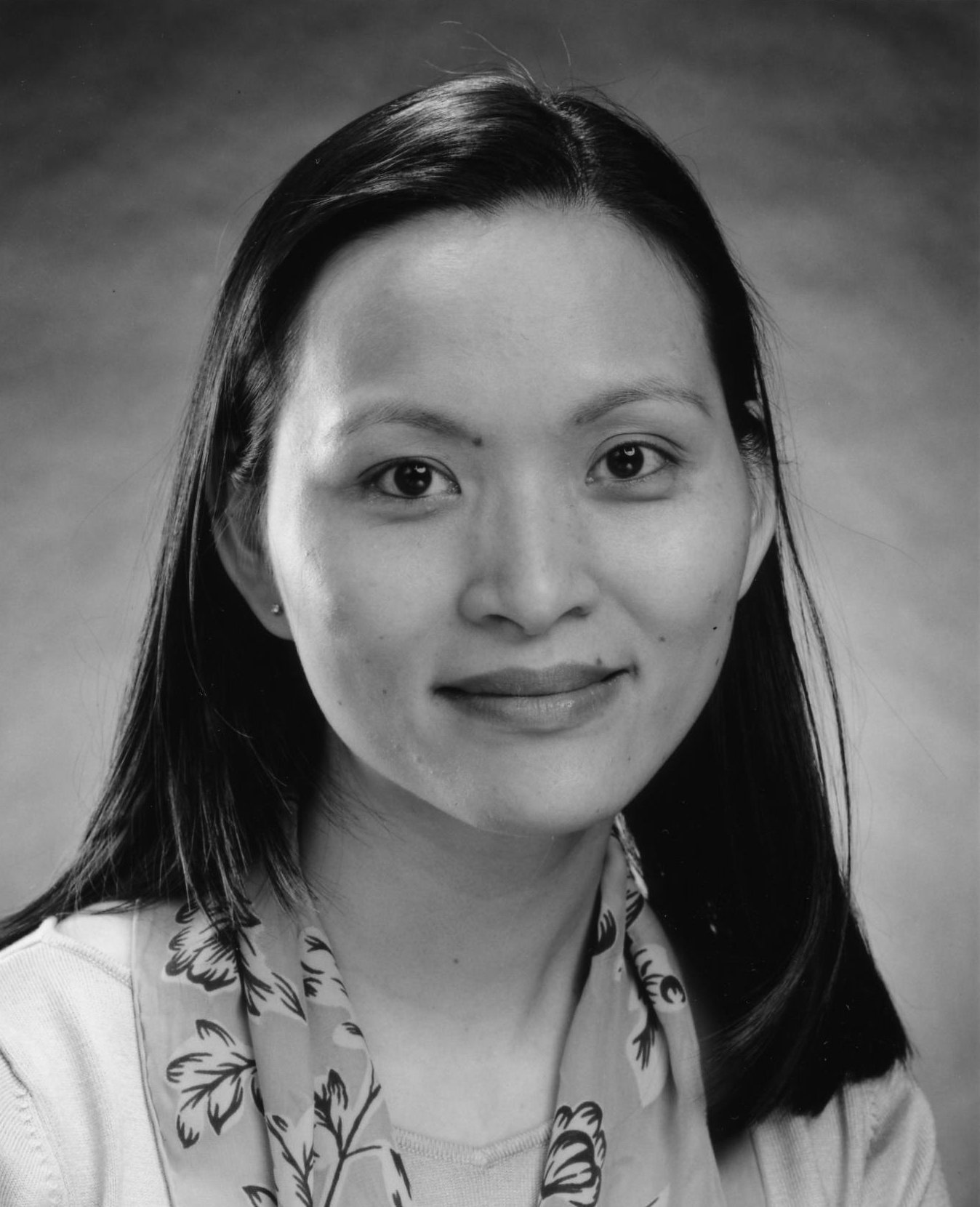
Former Non-Resident Associate
Recent Work
Mei Ying Gechlik (Veron Hung)
Mei Ying Gechlik (Veron Hung)
Carnegie does not take institutional positions on public policy issues; the views represented herein are those of the author(s) and do not necessarily reflect the views of Carnegie, its staff, or its trustees.

Much has been said of the changes Brussels is trying to make to the EU enlargement process. Here’s why gradual integration might—or might not—be the answer.

Dimitar Bechev

Policy proposals on sovereign debt must both match the scale of the challenge and be implementable within existing political constraints.
David McNair

For every ruble allocated to social policy, health, and education in 2027, double that amount is earmarked for the army, the police, and the security services.

Alexandra Prokopenko
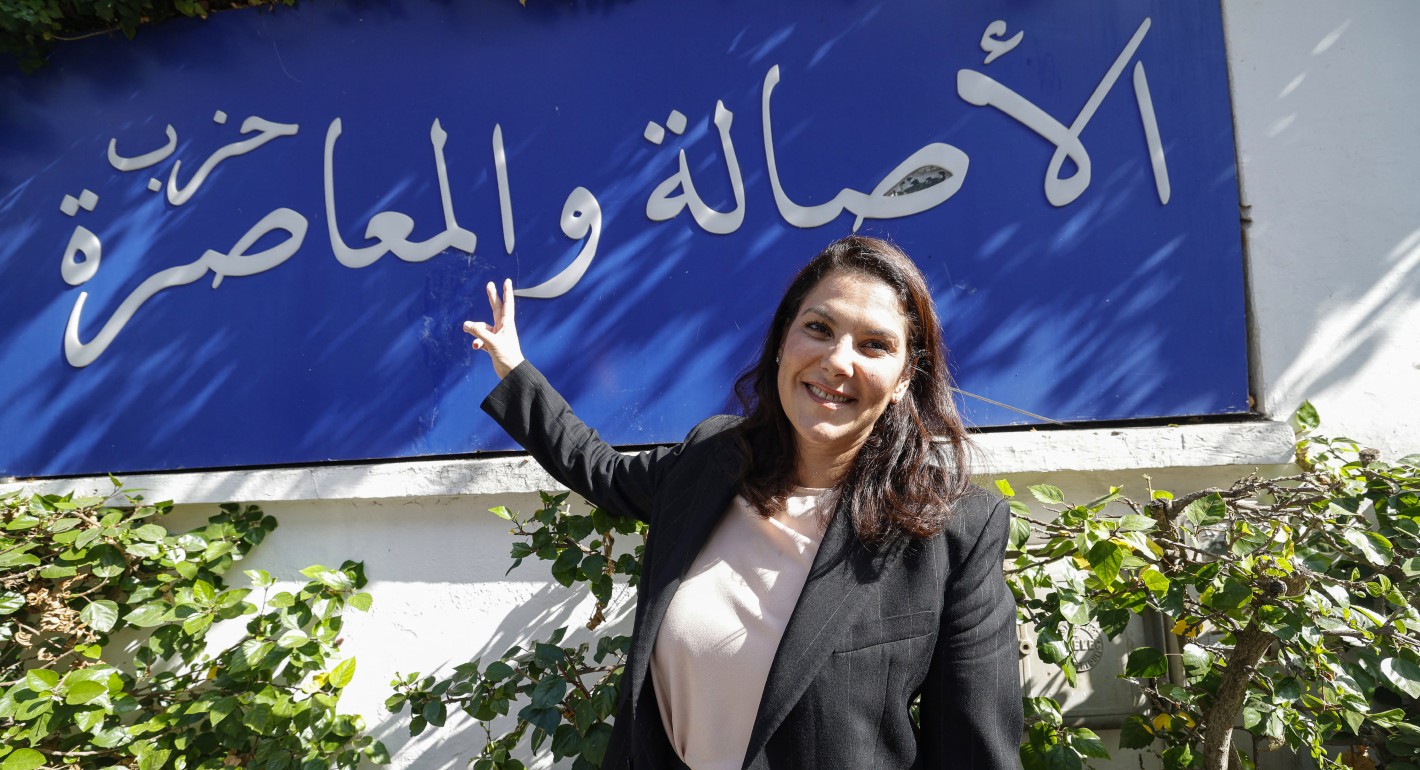
Fatima El Mansouri is the country’s first female prime minister. She’s also a privileged insider in a largely ceremonial position.

Sarah Yerkes

The acknowledgment has sparked fears of a new arms race with China and Russia.

Chris O’Meara