

Commentary
Congress should ask tough questions about the agreement’s more unique features and whether they advance U.S. interests or compromise them.
Jane Darby Menton

REQUIRED IMAGE
The Proliferation Security Initiative (PSI) is a good program that has been puffed up out of proportion. While the initiative is a valuable extension of export control implementation, it is not and cannot be a silver bullet to prevent the proliferation of nuclear, biological, or chemical weapons-related materials and equipment to terrorists or states.
The Proliferation Security Initiative (PSI) is a good program that has been puffed up out of proportion. It has become an issue in recent weeks because of the controversial nomination of John Bolton, one of PSI’s most ardent supporters, to be U.S. ambassador to the UN. Now is a good time to clarify its achievements, shortcomings, and potential.
PSI provides needed cooperation for interdicting the illegal transfers of nuclear, biological, and chemical weapons-related technology. It is particularly useful for stopping large, observable shipments, such as a boatload of centrifuges, but does little to catch small but deadly transfers, like a suitcase of plutonium. It is restricted, moreover, by its limited geographic reach and legal scope. Though it did play a minor role, complementing years of negotiations, in ending the Libyan nuclear and chemical weapons programs, it has had no impact on North Korea, Iran, or the threat of terrorist acquisition of nuclear materials. Most importantly, it is not a replacement for negotiated agreements and international law.
A brief examination of the nuts and bolts of how PSI works facilitates greater understanding of its relative contributions. While it is technically true to say that PSI enjoys the support of more than 60 countries, this apparent multilateral success is not as far-reaching as it sounds. Most of these 60 countries have simply issued general statements of support for the initiative. The participants and supporters of PSI can be broken down into three basic groups.
The first and most important of these groups are the 18 "core participants." They are the states, including the United States, that have "formally committed" to PSI and its Statement of Principles. In doing so, they have voluntarily agreed to do all that they can to stop shipments of materials related to nuclear, biological, or chemical weapons on ships or airplanes travelling in their territorial waters or airspace. These core participants have also agreed to stop such shipments on any vessels sailing under their own national flags, whether those vessels are in their own territorial waters or on the high seas.
The second group consists of the three states, Liberia, the Marshall Islands, and Panama, that have reached bilateral "shipboarding agreements" with the United States. These agreements ensure the United States that it will be permitted to board any ship sailing under the flags of Liberia, the Marshall Islands or Panama, even in international waters. These, then, are the only ships, in addition to those of the 18 core participants, that can be stopped on the high seas.
The third and final group consists of what we call "passive participants." These are countries that have voiced rhetorical support for PSI in general, but that have not taken any steps to formally commit to the initiative or its statement of principles. There does not appear to be any participation by these countries in PSI interdiction activities. Their PSI responsibilities are neither greater nor less than those of states that have ignored or rejected the initiative altogether. It is by including this third group of nations as PSI "participants" that gets you to the "over 60 supporting nations" often cited.
PSI is a good idea, but, limited to only 21 actively participating states, it is incapable of halting many likely clandestine nuclear, biological, or chemical weapons-related shipments. Consider the possibility, for example, that a clandestine nuclear network chose to ship centrifuge components from Malaysia to Dubai to Iran on a ship flying under a Colombian flag. Since none of these states are "core participants" in PSI and since none of them have signed shipboarding agreements with the United States, the initiative could not legally stop the shipment even if we knew about it.
PSI is also hindered by other international legal concerns. The Law of the Sea Treaty permits "innocent passage" for ships through national waterways, a principle that PSI appears to violate. Innocent passage is a limited right, however, and certain outlawed and reprehensible forms of trade such as slavery do not enjoy its protection. The dilemma is that nuclear, biological, and chemical weapons-related equipment and materials are not universally condemned in the same terms as the slave trade, and the unwillingness of the United States to address these international legal issues has constrained the initiative’s expansion.
Such criticism is merely an objective examination of the current structure of PSI. It does not mean that PSI is a bad initiative. In fact, it is an excellent, though incomplete, step towards a more comprehensive and strengthened nonproliferation regime. Even at its young age and in its limited form, it has resulted in some progress, with several unannounced seizures reportedly having already taken place.
While the initiative is a valuable extension of export control implementation, it is not and cannot be a silver bullet to prevent the proliferation of nuclear, biological, or chemical weapons-related materials and equipment to terrorists or states. At its best, PSI can be a final line of defense to stop the transfer of these deadly materials. Only partnered with more traditional nonproliferation efforts such as the Nuclear Non-Proliferation Treaty can a strengthened and more widely embraced Proliferation Security Initiative help to bring the security that its name invokes.

Former Senior Associate, Director for NonProliferation
Joshua Williams
Carnegie Endowment for International Peace
Carnegie does not take institutional positions on public policy issues; the views represented herein are those of the author(s) and do not necessarily reflect the views of Carnegie, its staff, or its trustees.
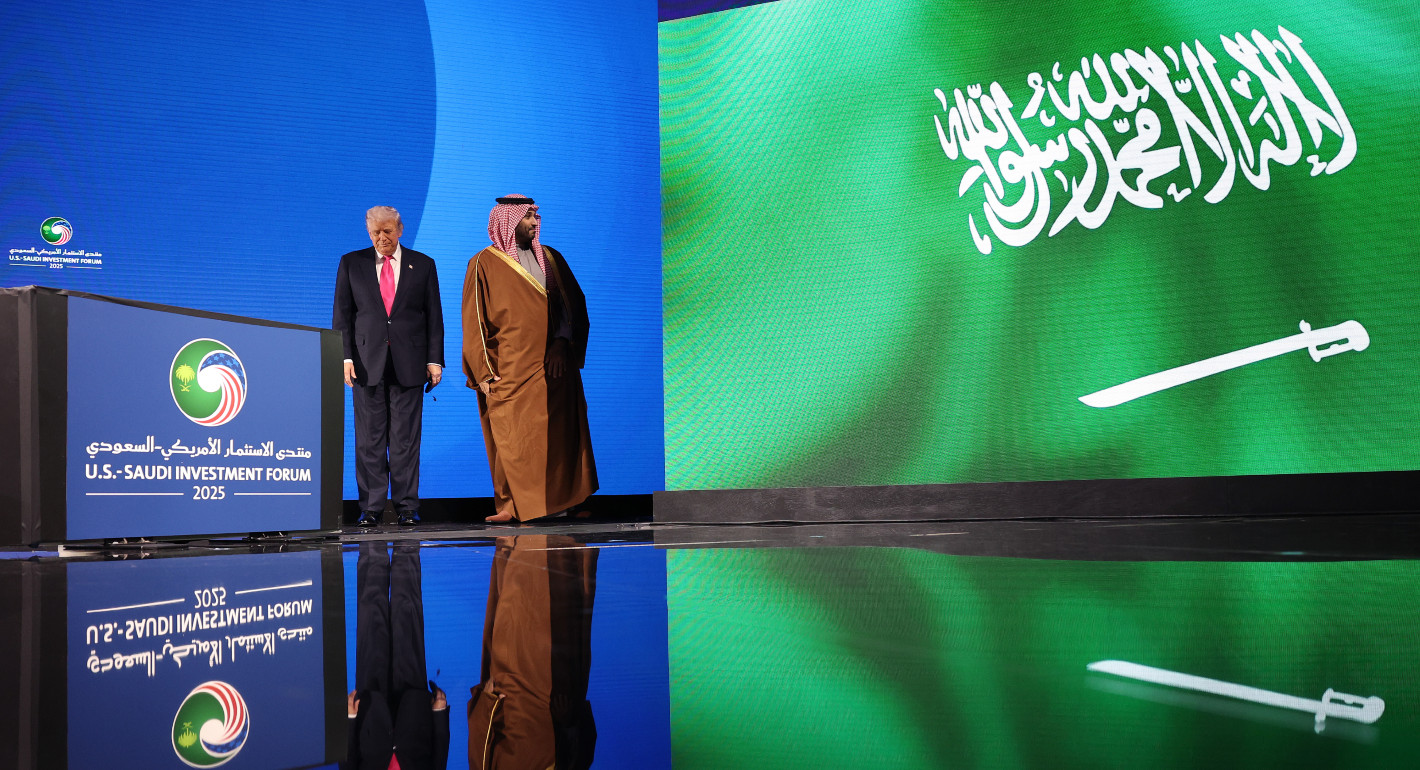
Congress should ask tough questions about the agreement’s more unique features and whether they advance U.S. interests or compromise them.

Jane Darby Menton
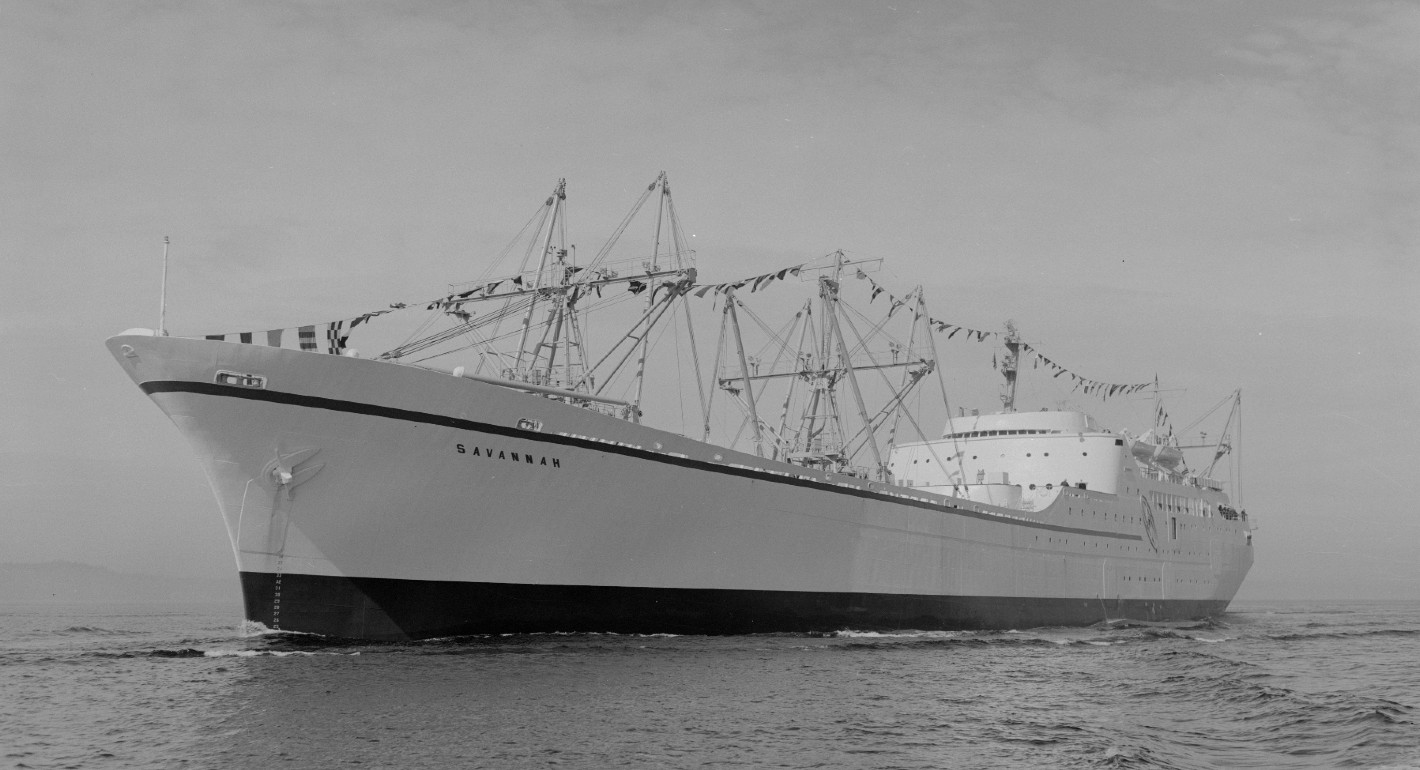
Nuclear and maritime communities face a long and challenging journey to deploy commercial nuclear applications at sea.


Jamie Kwong, Toby Dalton

A look at how public opinion influences the credibility of coercive nuclear threats,and how it enables and constrains strategies of nuclear coercion.

Lauren Sukin, Samuel Seitz

The DFC should focus on advanced, low-carbon energy sources, prioritizing areas where the United States has comparative advantages.

Noah Gordon, Liana Schmitter-Emerson
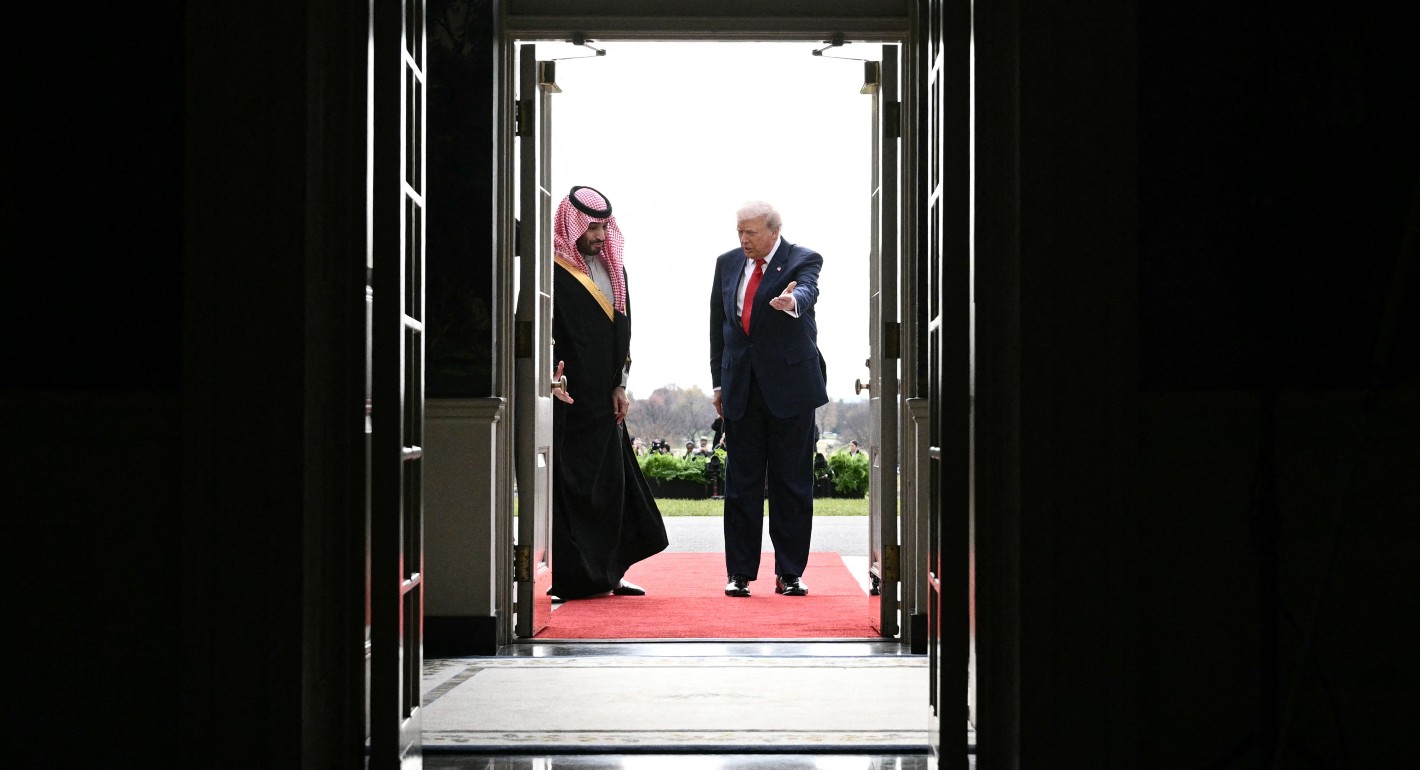
Despite the agreement’s uncertainty, it’s still a significant development in regional and nuclear policy.

Andrew Leber, Jane Darby Menton