

Commentary
Despite considerable challenges, the CPTPP countries and the EU recognize the need for collective action.
Barbara Weisel
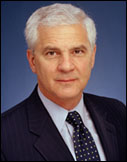
Source: Getty
Dr. Zbigniew Brzezinski took his scalpel to the administration’s national security strategy in an opinion piece Oct. 13. Former State Department chief of staff Larry Wilkerson assisted in the surgery with an October 19 speech. The war in Iraq has hurt “America's ability to cope with nuclear nonproliferation,” Brzezinski says.

“Moreover, the recent U.S. decision to assist India's nuclear program, driven largely by the desire for India's support for the war in Iraq and as a hedge against China,” Brzezinski continues, “has made the United States look like a selective promoter of nuclear weapons proliferation. This double standard will complicate the quest for a constructive resolution of the Iranian nuclear problem.”
In his International Herald Tribune article, Brzezinski details what he calls the “failure of the policies pursued by the United States since the cataclysm of 9/11.” The Iraq war, he says, “advocated by a narrow circle of decision makers for motives still not fully exposed, propagated publicly by demagogic rhetoric reliant on false assertions, has turned out to be much more costly in blood and money than anticipated.”
Larry Wilkerson, a 31-year military veteran, former director of the the Marine Corps War College and Colin Powell’s chief of staff until this year, made similar points in an October 19 speech at the New America Foundation. A “Cheney-Rumsfeld cabal,” he said, high jacked U.S. foreign policy. By cutting out the State Department and other checks and balances in the administration their policy now “courted disaster in Iraq, in North Korea, in Iran...” They made decisions on critical issues, he said, “that the bureaucracy did not know were being made. Now it is paying the consequences of making those decisions in secret, but far more telling to me is America is paying the consequences.”
The diagnosis is not all bleak, however. There have been important non-proliferation victories in recent years, notably the successful agreement with Libya, the passage of UN Resolution 1540 to toughen export controls, the implementation of the Proliferation Security Initiative to interdict illegal weapons shipments and an increased focus on enforcing non-proliferation commitments. Negotiations with North Korea also show promise.
But, on balance, the setbacks outweigh the gains. Additions to Brzezinski’s and Wilkerson’s list of problems with Iraq, Iran, North Korea and India could include:
• A growing terrorist threat. U.S. intelligence officials concluded in February Senate testimony that the Iraq War has made the terrorism problem worse.
• An increased danger of nuclear terrorism. While the terrorism demand-side has grown, there has been no compensating effort to reduce the supply of weapons and weapons materials. Fewer weapons and materials have been secured in the years after 9/11 than were secured the in the equivalent number of years before 9/11. CIA Director Porter Goss said in his February 2005 Senate testimony that he could not assure the American people that some of the material missing from Russian nuclear sites had not found its way into terrorist hands.
• A. Q. Khan’s nuclear black market. This network spread nuclear weapons technology and know-how around the world. The success of shutting these operations down is caveated by concerns that elements of the network may still operate.
• More nations pursuing plans to enrich uranium. Though the facilities are designed to produce nuclear reactor fuel, the same technologies could enrich uranium for nuclear bombs. U.S. proposals to curtail these technologies have failed to win any significant support.
• The end of U.S and Russian negotiations to reduce further nuclear arsenals. The current reductions themselves are proceeding at a slower pace than previous administrations planned.
• Growing risk of the collapse of the nonproliferation regime. The NPT Review Conference of May 2005 ended acrimoniously. The member states failed to act upon the desire of the majority for stronger nonproliferation and disarmament efforts.
• The failure of anti-missile efforts. The most costly element of the current counter-proliferation strategy (apart from the war in Iraq) has shown the least progress. The government has spent over $50 billion on anti-missile systems since 2000 without realizing any substantial increase in military capability. The Army is resisting taking over the cost of operating the new Alaska system, widely regarded as ineffective and unnecessary.
It is not too late to reverse these negative trends. As Dr. Brzezinski counsels: “A real course correction is still possible, and it could start soon with a modest and common-sense initiative by the president to engage the Democratic congressional leadership in a serious effort to shape a bipartisan foreign policy of an increasingly divided and troubled nation.”
That seems a sound prescription.
Related Links:
"George W. Bush's Suicidal Statecraft," Dr. Zbigniew Brzezinski, International Herald Tribune, October 17, 2005
"Cheney cabal hijacked US foreign policy," Edward Alden, Financial Times, October 20, 2005
Carnegie does not take institutional positions on public policy issues; the views represented herein are those of the author(s) and do not necessarily reflect the views of Carnegie, its staff, or its trustees.
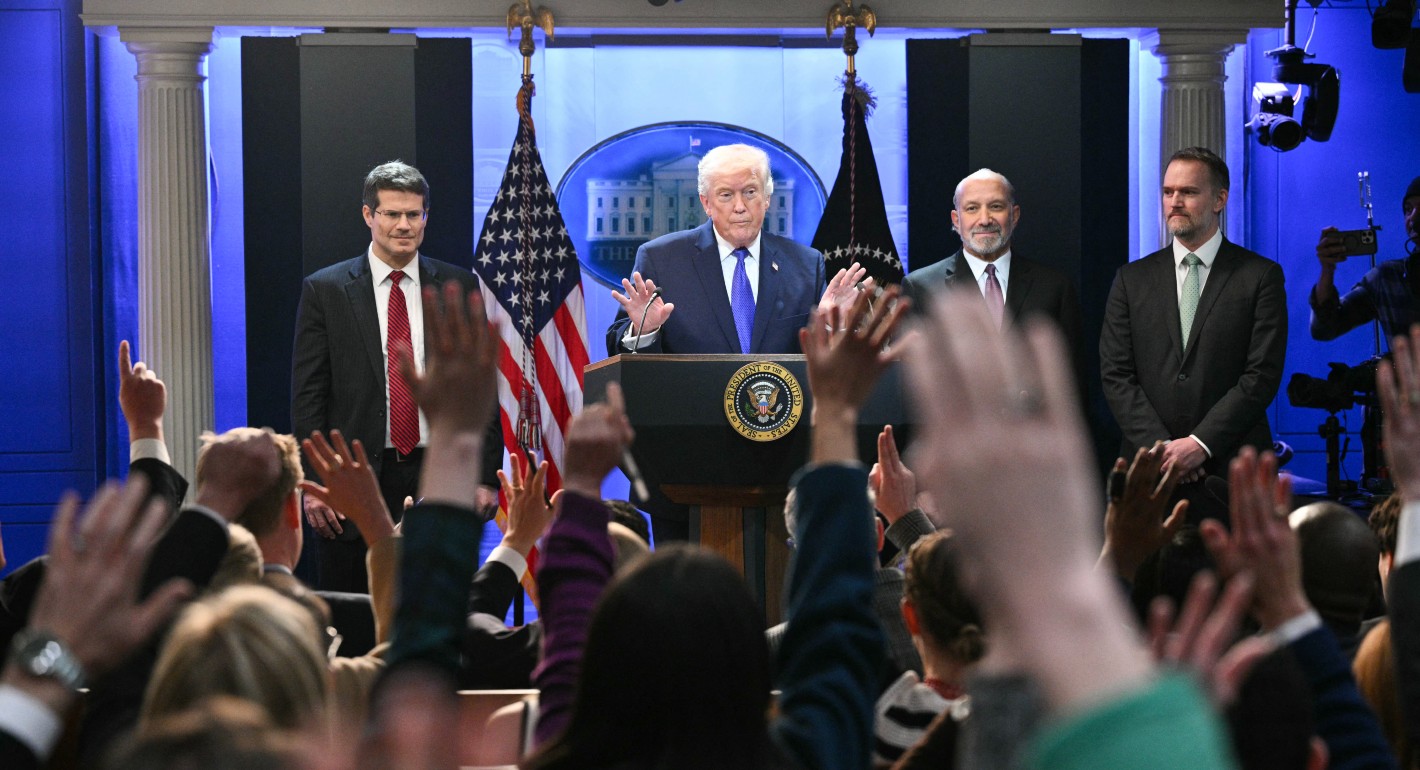
Despite considerable challenges, the CPTPP countries and the EU recognize the need for collective action.

Barbara Weisel
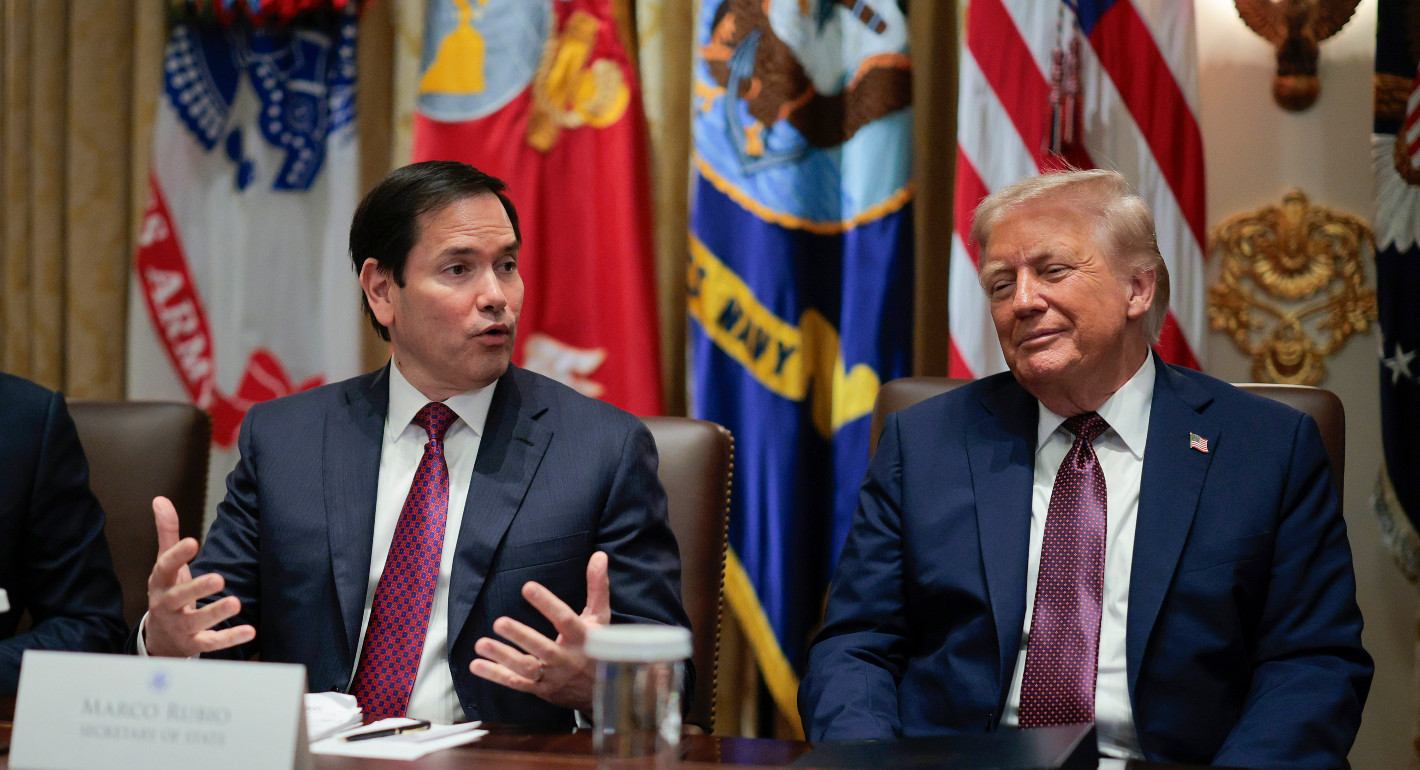
How significant are statements by senior U.S. officials about supporting democracy abroad in the context of a foreign policy led by a president focused on near-term transactional interests?


Thomas Carothers, McKenzie Carrier
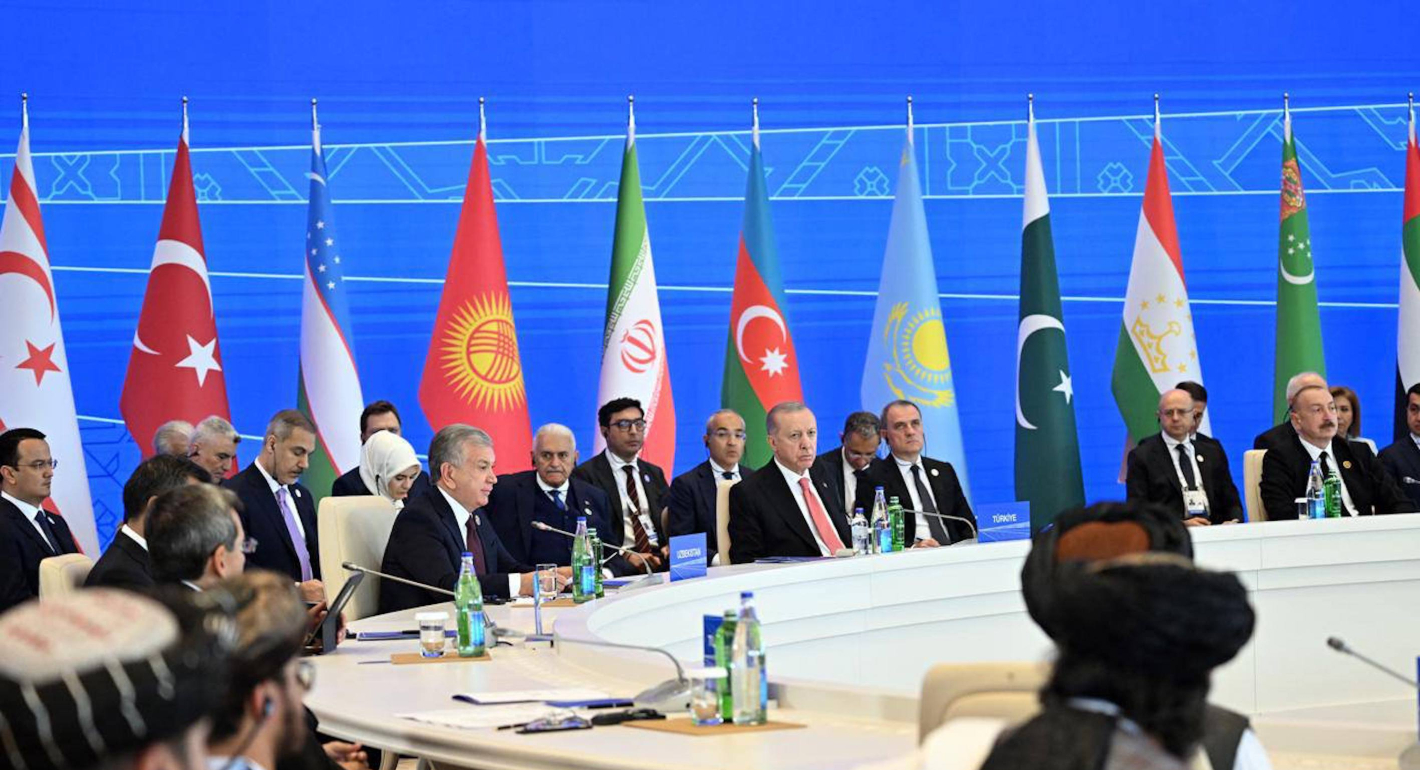
Over the past two decades, regional collaboration in the South Caucasus has intensified. Turkey and the EU should establish a cooperation framework to accelerate economic development and diversification.



Feride İnan, Güven Sak, Berat Yücel
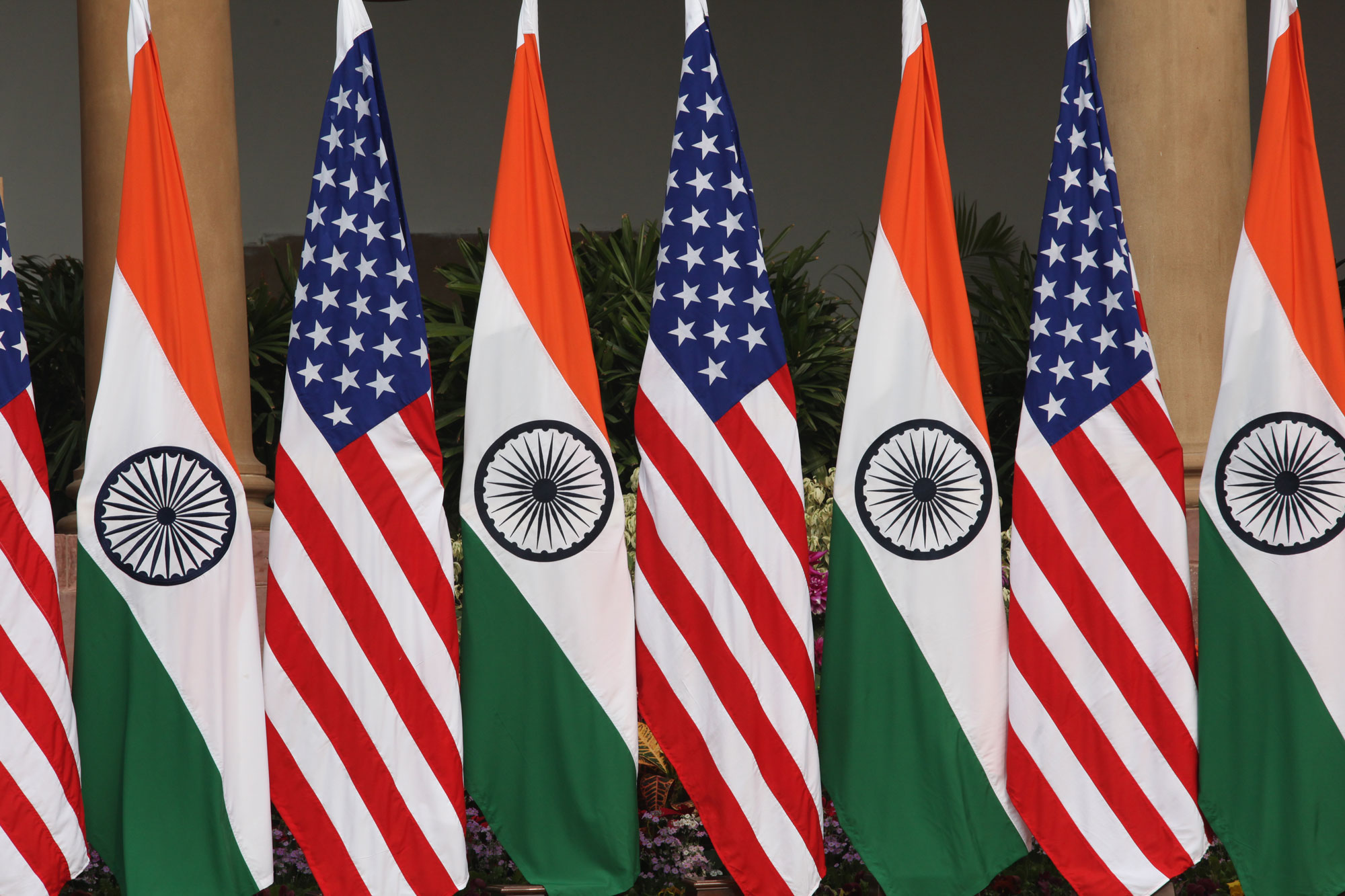
A new Carnegie survey of Indian Americans examines shifting vote preferences, growing political ambivalence, and rising concerns about discrimination amid U.S. policy changes and geopolitical uncertainty.

Milan Vaishnav, Sumitra Badrinathan, Devesh Kapur, …

Integrating AI into the workplace will increase job insecurity, fundamentally reshaping labor markets. To anticipate and manage this transition, the EU must build public trust, provide training infrastructures, and establish social protections.

Amanda Coakley