

Article
Frederic Grare

REQUIRED IMAGE
Source: Carnegie Endowment
Summary
A new conflict is emerging in Baluchistan, a vast yet sparsely populated Pakistani province, straddling three countries: Pakistan, Iran, and Afghanistan. This instability has potential implications for the United States, as it is a launching pad for U.S. military operations against Islamic terrorism.
In a new Carnegie Paper, Pakistan: The Resurgence of Baluch Nationalism, Visiting Scholar Frédéric Grare provides insight to the numerous factors that have led to the complex struggle between the Pakistani government and the Baluch population’s fight for independence. Were Baluchistan to become independent, Pakistan would lose a major part of its natural resources and Baluchistan would become a new zone of instability in the region.
Click on link above for the full text of this Carnegie Paper.
About the Author
Frederic Grare is a visiting scholar with the Global Policy Project at the Carnegie Endowment. He has written extensively on security issues, Islamist movements, and sectarian conflict in Pakistan and Afghanistan.

Former Nonresident Senior Fellow, South Asia Program
Frédéric Grare was a nonresident senior fellow at the Carnegie Endowment for International Peace, where his research focuses on Indo-Pacific dynamics, the search for a security architecture, and South Asia Security issues.
Recent Work
Frederic Grare
Frederic Grare
Carnegie does not take institutional positions on public policy issues; the views represented herein are those of the author(s) and do not necessarily reflect the views of Carnegie, its staff, or its trustees.
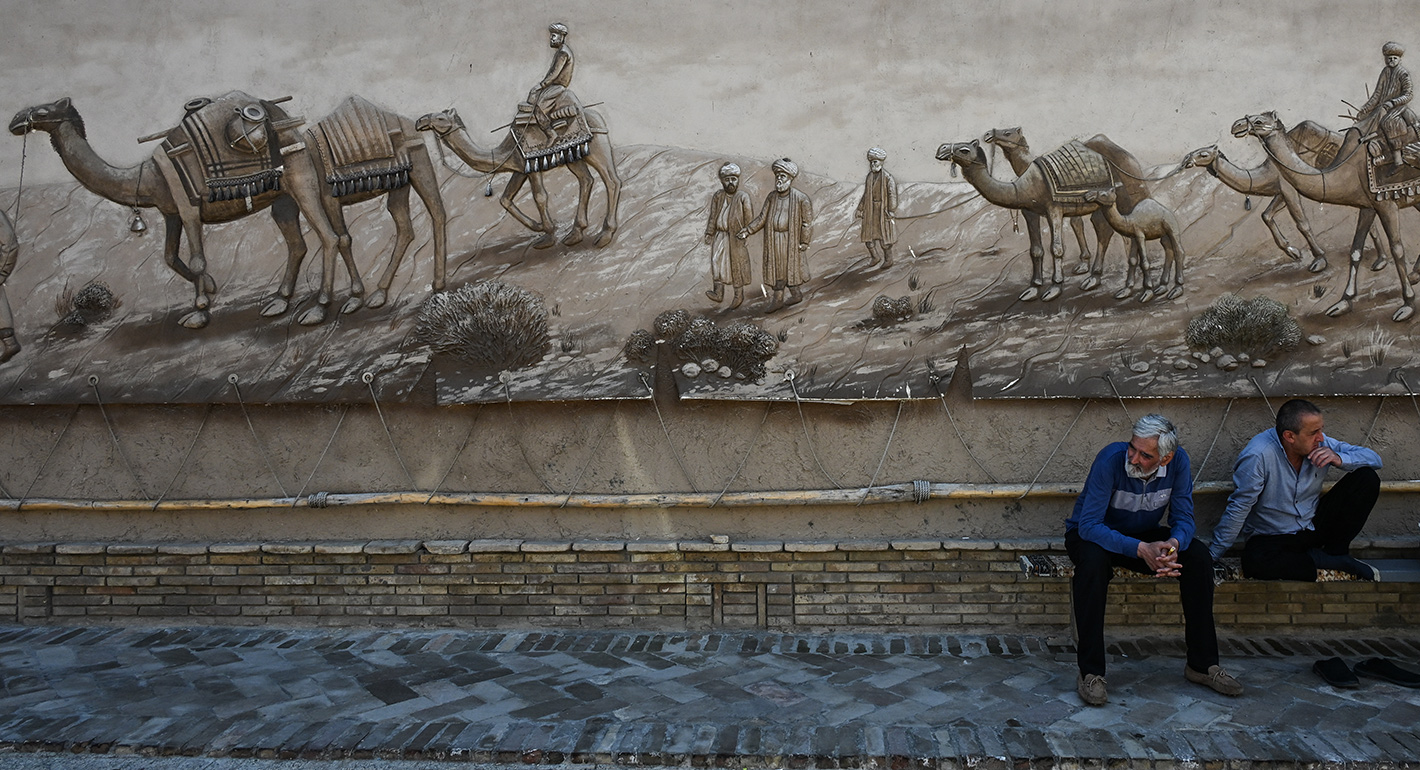
“Central Asia” as an analytical category is itself part of the problem. The term is a Soviet administrative inheritance, drawn along lines that served the convenience of Moscow. The Central Asian states the Soviets named no longer see themselves through this category alone and are not aligning across political blocs but are instead building external partnerships sector by sector, assigning different partners to different functions.

Jennifer B. Murtazashvili
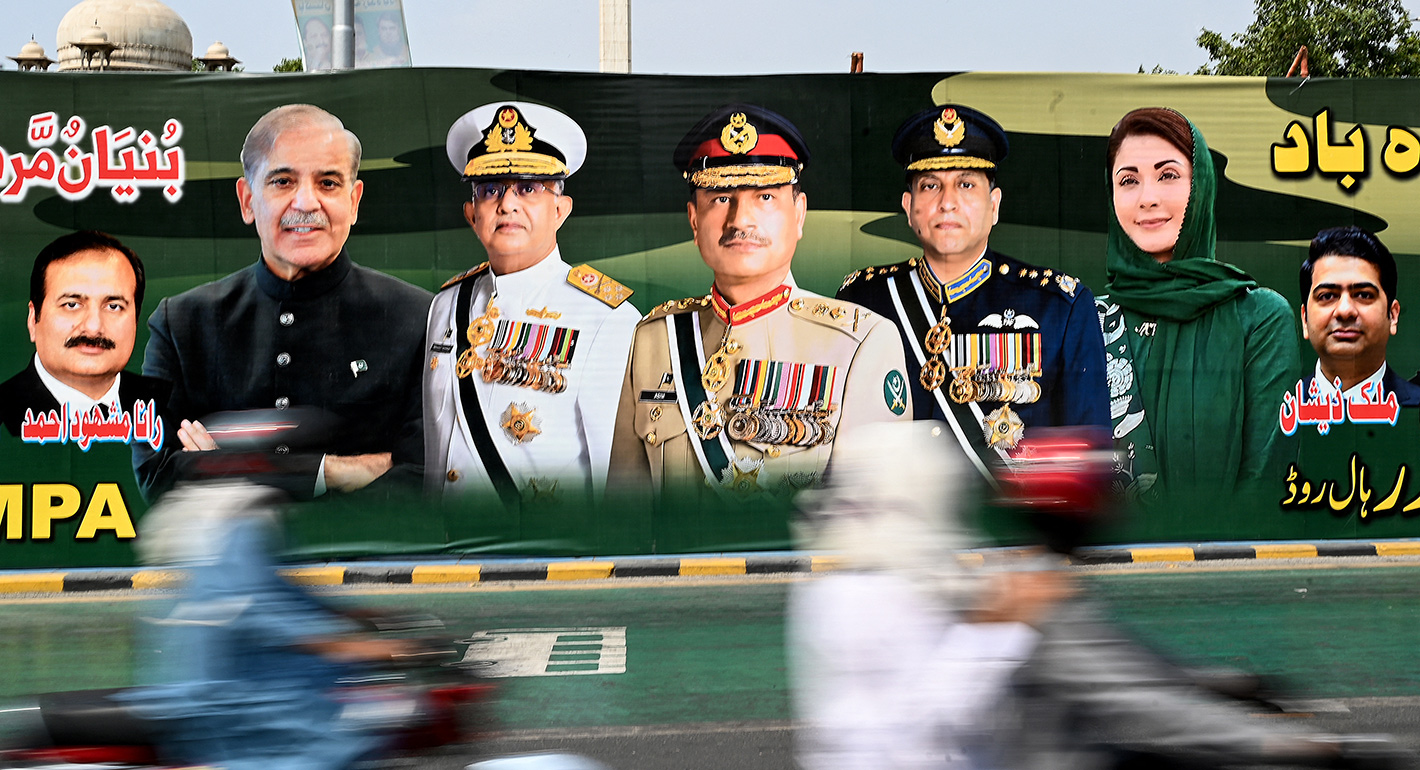
The regime bets that international legitimacy can be translated into domestic stability. But that depends upon whether it can leverage international goodwill to manage grievances and the economy at home.
Zoha Waseem, Yasser Kureshi
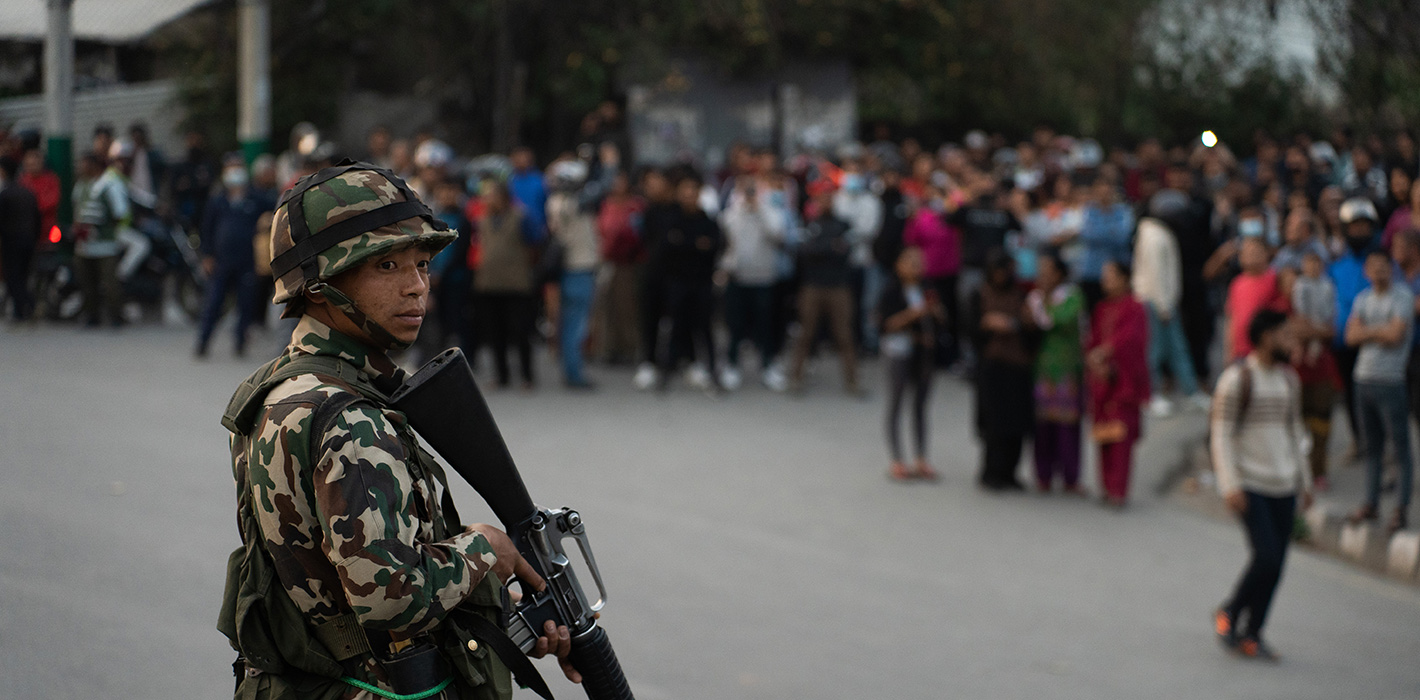
Military rule is now a defining political factor in South Asia. Here’s how analysts can understand and account for it.

Paul Staniland
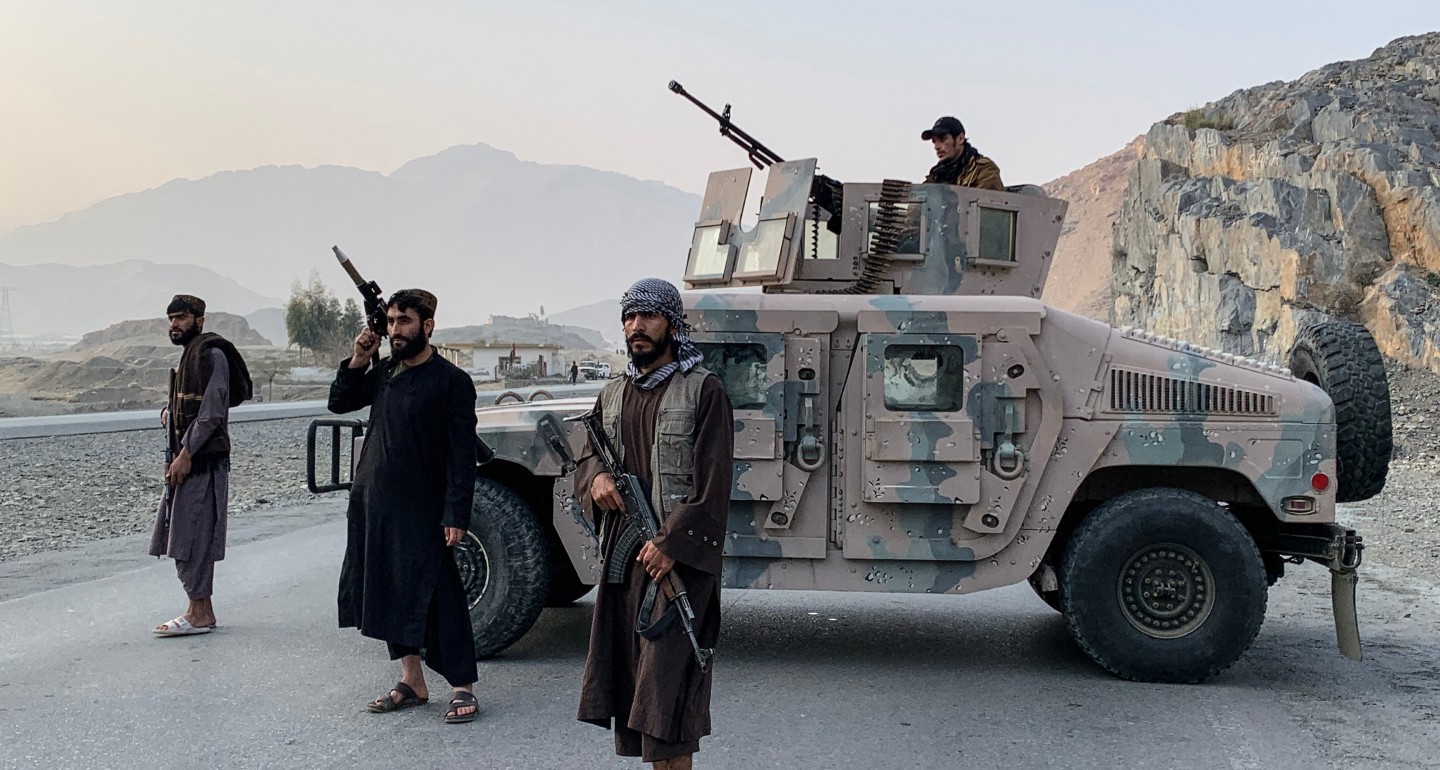
Not only does the fighting jeopardize regional security, it undermines Russian attempts to promote alternatives to the Western-dominated world order.

Ruslan Suleymanov
An exploration into how India and Pakistan have perceived each other’s manipulations, or lack thereof, of their nuclear arsenals.
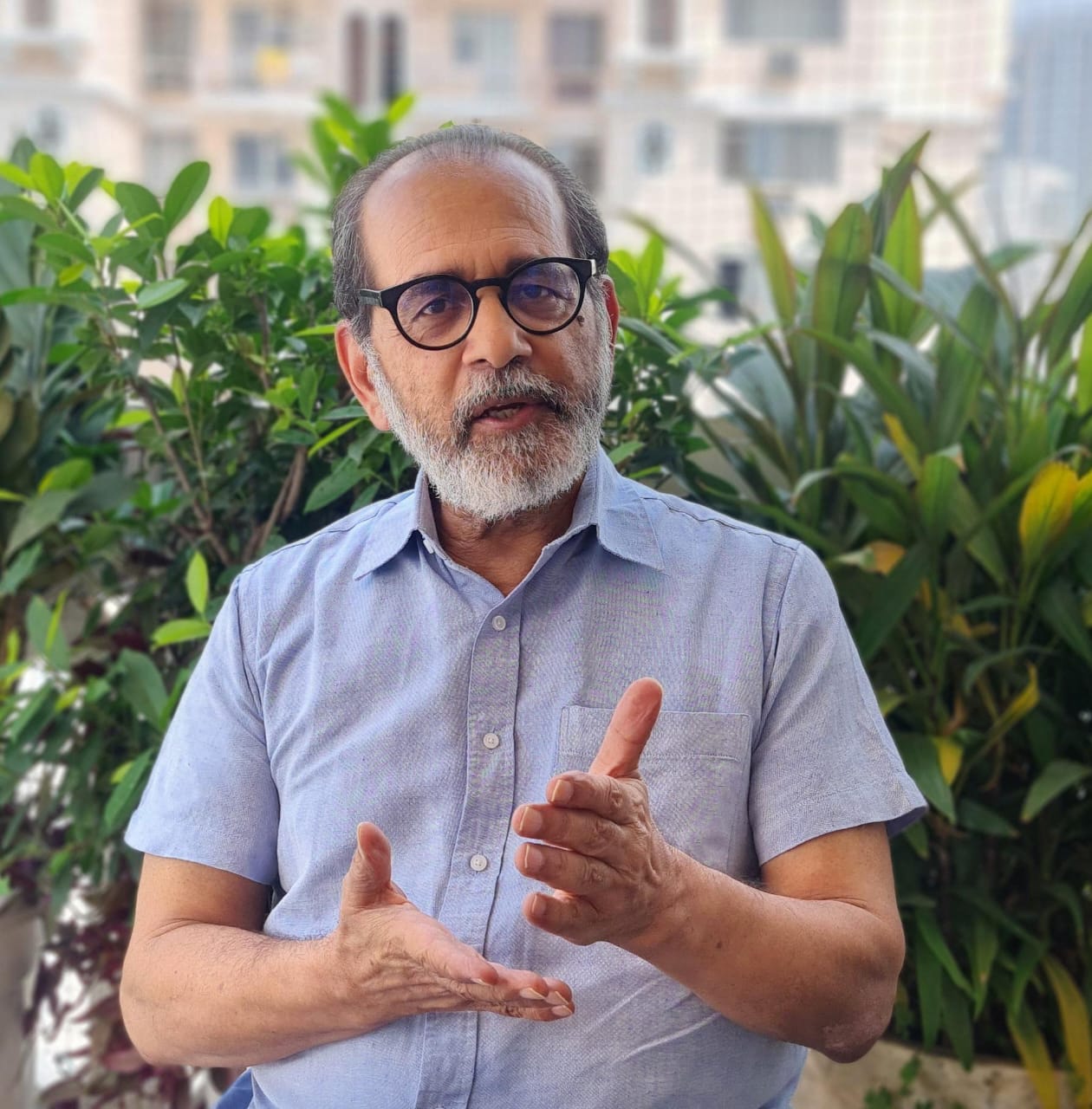
Rakesh Sood