

Paper
Paul Salem
Five months after the end of the war, Lebanon, Israel and the region are still feeling its aftereffects. In Lebanon, the claims of victory were mixed with a sober assessment of the massive socioeconomic losses, and the popular unity during the war was followed by deep division and rising tensions.
Five months after the end of the war, Lebanon, Israel, and the region are still feeling its aftereffects. In Lebanon, the claims of victory were mixed with a sober assessment of the massive socioeconomic losses, and the popular unity during the war was followed by deep division and rising tensions. In Israel, the sense of failure was confirmed with official investigations into the handling of the war, resignations, and political infighting. In the region, popular support for Hizbollah during the war was followed by a more mixed response to its role in the protests that began in December. Syria and Iran also had a mixed response to the war, finding both benefit and loss in its outcome. The U.S. administration also had a mixed reading of the war, feeling that some of its interests had been served and others had been frustrated. Five months after the end of the war, the players are still assessing its effects.
Click on PDF icon above to read the full chapter from a forthcoming book by the Center for Arab Unity Studies.

Senior Fellow at the Middle East Institute
Paul Salem is a senior fellow at the Middle East Institute.
Recent Work
Paul Salem
Paul Salem
Carnegie does not take institutional positions on public policy issues; the views represented herein are those of the author(s) and do not necessarily reflect the views of Carnegie, its staff, or its trustees.

Europe has an interest in supporting Armenian leader Nikol Pashinyan as he tries to make peace with neighbors and loosen ties with Russia. But it is depersonalized support in the long term, not quickfire flash, that will win the day.

Thomas de Waal

The debate over AI and work too often centers on displacement. Facing aging populations and shrinking workforces, East Asian policymakers view AI not as a threat, but as a cross-sectoral workforce strategy.

Darcie Draudt-Véjares, Sophie Zhuang

In its version of an AI middle power strategy, Seoul is pursuing alignment with the United States not as an endpoint but as a strategy to build industrial and geopolitical leverage. Whether this balance holds remains an open question.

Darcie Draudt-Véjares, Seungjoo Lee

China’s rapid technological progress and its first-rate infrastructure are often cited as refuting the claim that China has been systematically overinvesting in non-productive projects for many years. In fact, as the logic of overinvestment and the many historical precedents show, the former is all-too-often consistent with the latter.

Michael Pettis
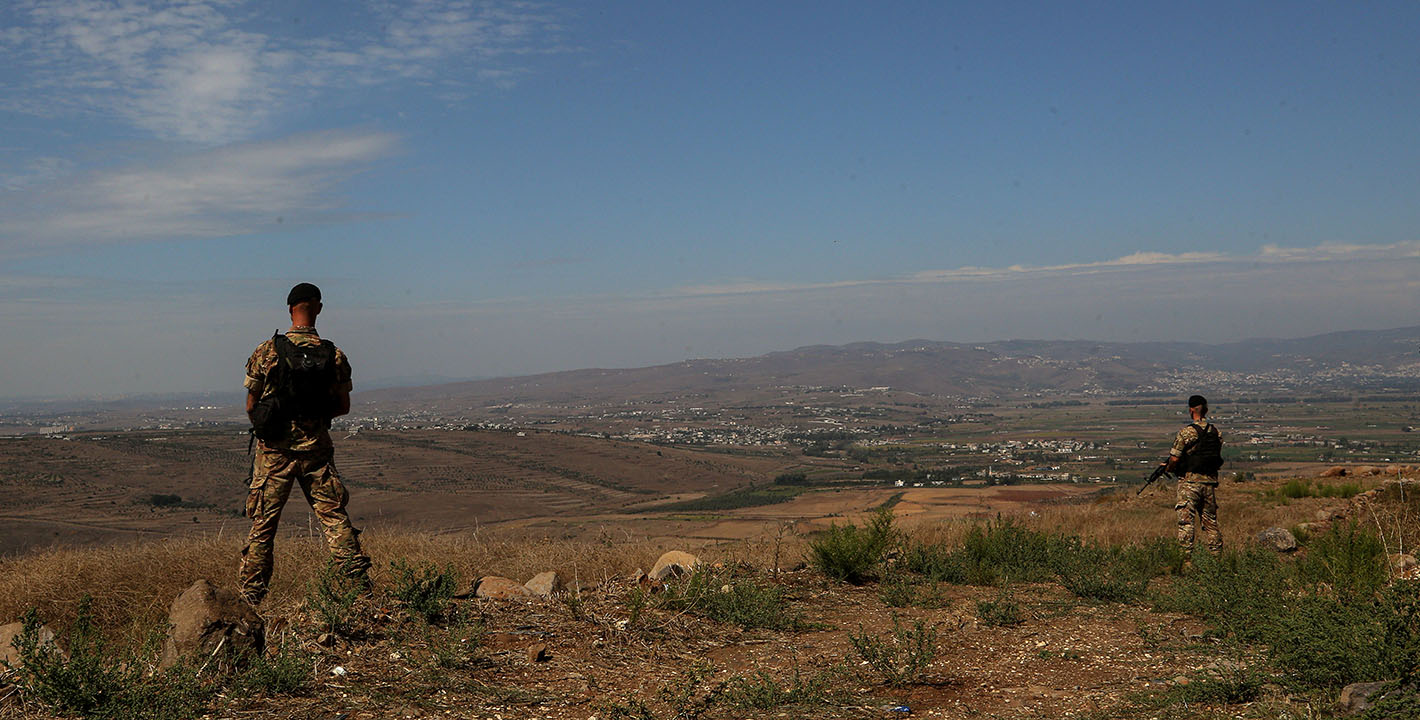
The Lebanese authorities’ clampdown on illicit cross-border activity threatens to leave inhabitants of the historically neglected village, and the wider Akkar region, in an economically precarious position.

Mohanad Hage Ali