

Article
Understanding the climatic pain points is necessary for policymakers hoping to minimize the war’s negative environmental consequences.
Alejandro Martin Rodriguez, Joy Arkeh, Sarah Yerkes

Source: Getty
A report from the IAEA laying out a timeline for Iran to resolve outstanding issues related to its nuclear program may give Iran as much as eight months of continued centrifuge installation and operation.
On August 27, 2007, the International Atomic Energy Agency (IAEA) published and circulated, at the request of the Iranian government, the text of the "Understandings of the Islamic Republic of Iran and the IAEA on the Modalities of Resolution of the Outstanding Issues" (INFCIRC/711). This Information Circular document outlines a work plan for cooperation with the IAEA to resolve outstanding issues related to Iran's nuclear case. Carnegie's analysis of the proposed timeline based on the details of INFCIRC/711, however, shows that it is unlikely that Iran and the IAEA will complete their tasks before March or April 2008. Consequently, Iran may have more than eight months of continued centrifuge installation and operations. Furthermore, there is no associated timeframe for resolving uranium metal issues (the 1987 document related to uranium metal casting), although the resolution of uranium metal issues appears to be a prerequisite for beginning to resolve issues related to Po-210 and the Ghachine mine.
Click on the PDF link below to view the graphic in full.


Former Senior Associate, Nuclear Policy Program
Squassoni came to Carnegie from the Congressional Research Service. She also served for nine years in the executive branch. Her last position at the State Department was director of Policy Coordination in the Nonproliferation Bureau.
Nima Gerami
Former Research Assistant, Nuclear Policy Program
Carnegie does not take institutional positions on public policy issues; the views represented herein are those of the author(s) and do not necessarily reflect the views of Carnegie, its staff, or its trustees.
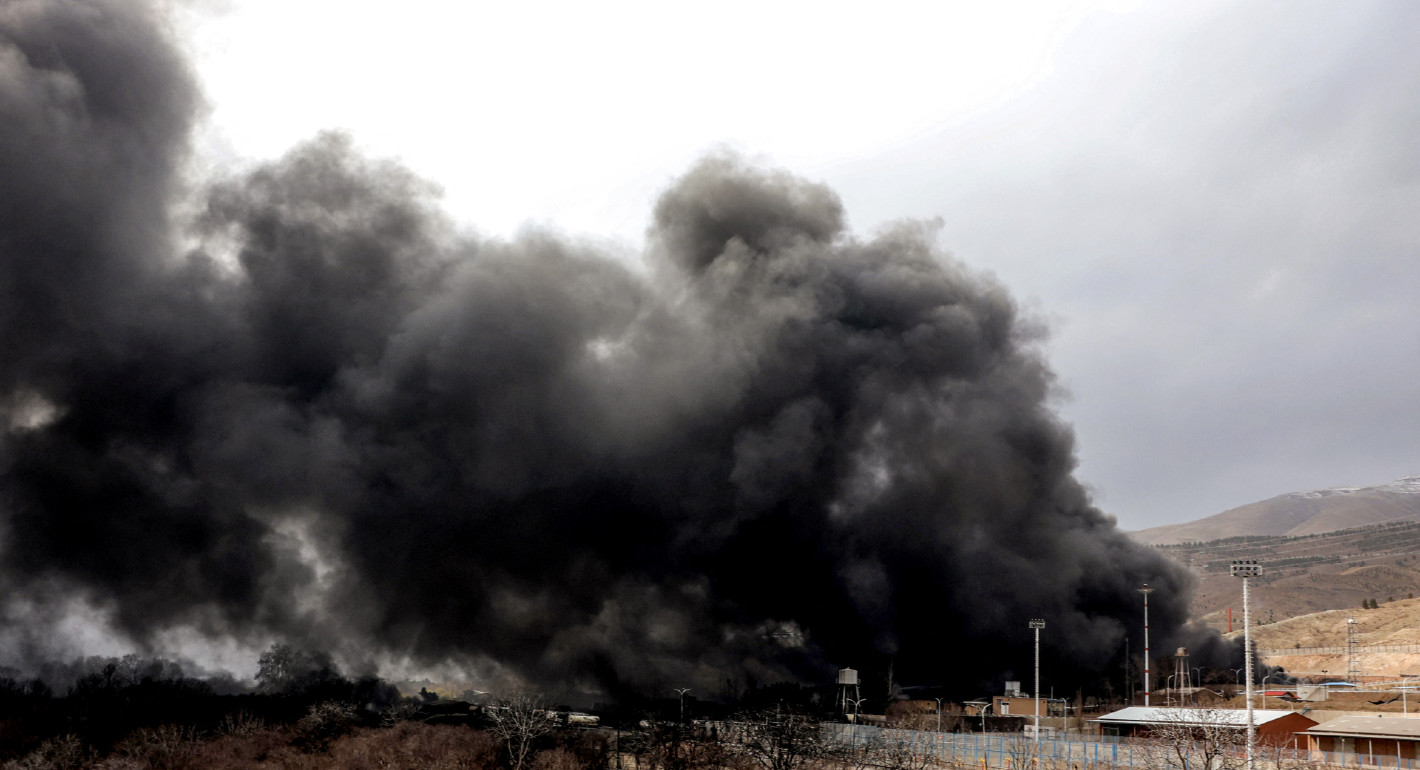
Understanding the climatic pain points is necessary for policymakers hoping to minimize the war’s negative environmental consequences.



Alejandro Martin Rodriguez, Joy Arkeh, Sarah Yerkes

Huawei pushed hard to enter the Egyptian data centers market, until the Americans made a better offer.

Angie Omar

The books, podcasts, and films that explain the world it made.

Andrew Leber
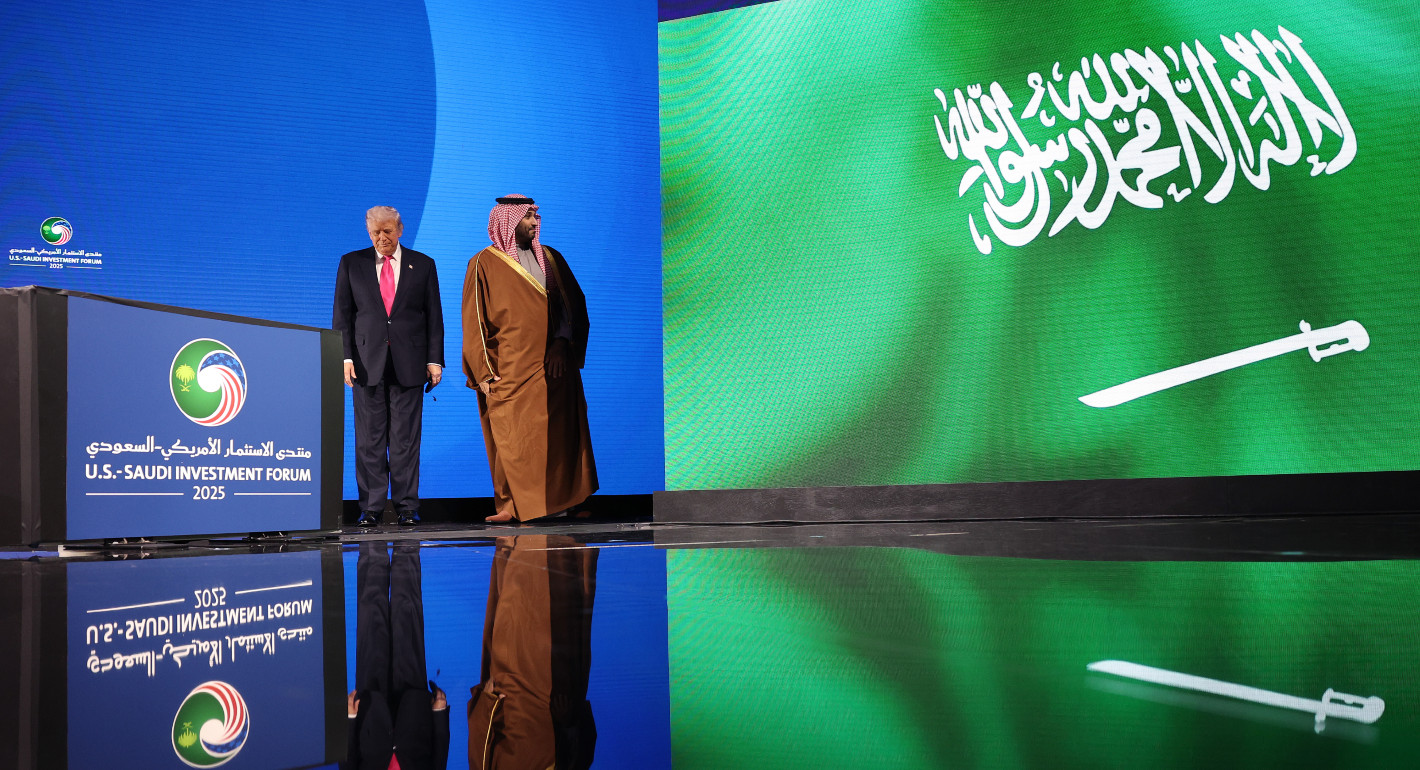
Congress should ask tough questions about the agreement’s more unique features and whether they advance U.S. interests or compromise them.

Jane Darby Menton
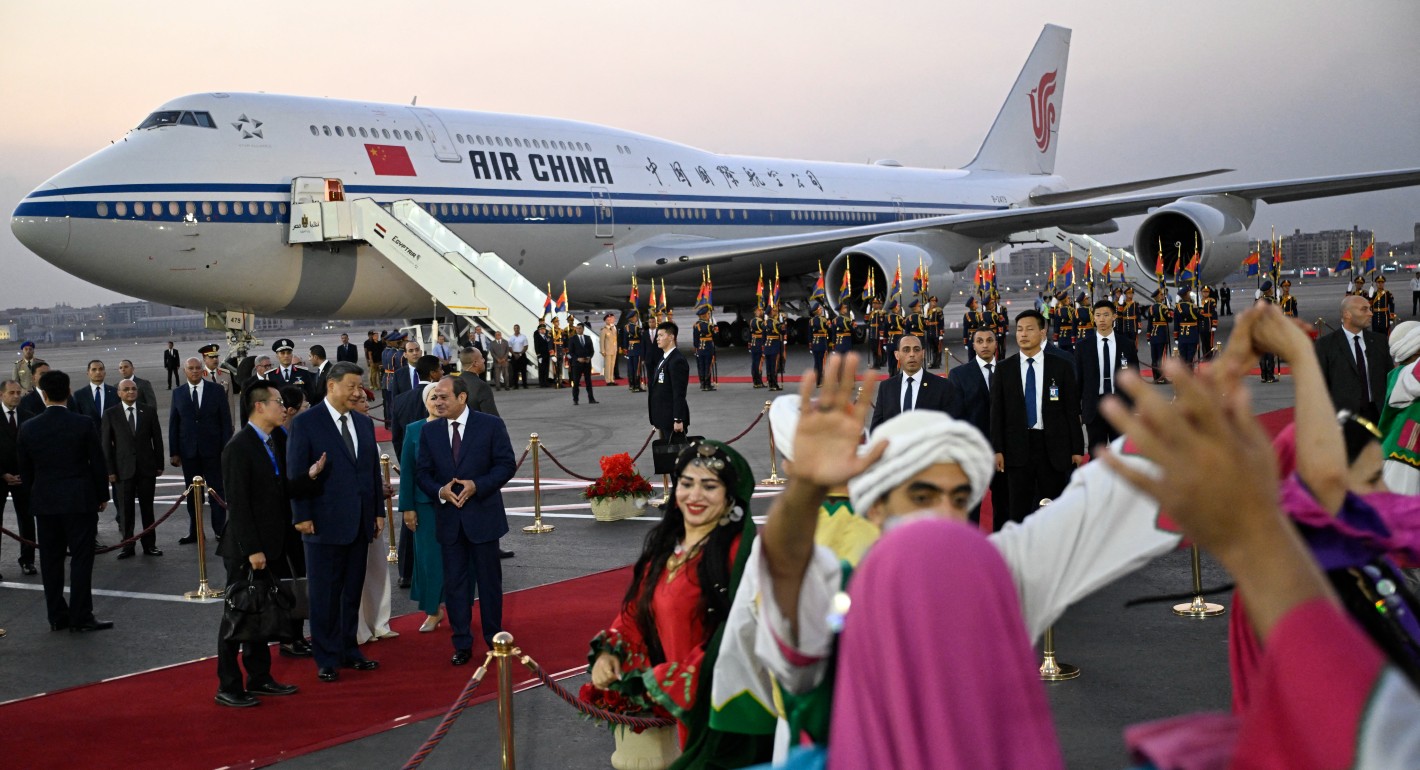
Amid celebrations of bilateral ties was a deeper focus on stability in the Middle East.

Amr Hamzawy