

Paper
George Perkovich

REQUIRED IMAGE
On September 28, 2007, the Foreign Ministers of the United States, China, France, Germany, Russia, and the United Kingdom, with the support of the High Representative of the European Union, released a statement regarding Iran's nuclear program. Below is the text of that statement followed by George Perkovich's response.
P5+2 Statement on Iran (http://www.state.gov/r/pa/prs/ps/2007/sep/92944.htm)
1. The proliferation risks of the Iranian nuclear program remain a source of serious concern to the International Community, as expressed very clearly in UNSC Resolutions 1696, 1737 and 1747.
2. We are committed to the Treaty on the Non-Proliferation of Nuclear Weapons and underline the need for all States Party to that Treaty to comply fully with all their obligations. We seek a negotiated solution that would address the international community's concerns over Iran's nuclear program. We reiterate our commitment to see the proliferation implication of Iran's nuclear program resolved, and have therefore met today to reaffirm our commitment to our dual track approach.
3. We remain ready to engage with Iran in negotiations on a comprehensive long-term agreement to resolve the Iranian nuclear issue. Creating the conditions for such negotiations requires that Iran fully and verifiably suspend its enrichment-related and reprocessing activities, as required by UNSC Resolutions 1737 and 1747. The Security Council has offered Iran the possibility of "suspension for suspension" - suspension of the implementation of measures if and for so long as Iran suspends all of its enrichment-related and reprocessing activities, as verified by the IAEA. We call upon Iran to accept that offer and allow for negotiations in good faith.
4. We urge Iran to engage in a dialogue to create the conditions for negotiations based on our June 2006 proposals for a long-term comprehensive agreement, based on mutual respect, that would reestablish international confidence in the exclusively peaceful nature of Iran's nuclear program and open the way to wider cooperation between Iran and all our countries. We have asked Dr. Javier Solana, the European Union's High Representative for Common Foreign and Security Policy, to meet with Dr. Ali Larijani, Secretary of Iran's Supreme National Security Council, to lay the foundation for future negotiations.
5. We welcome the agreement between Iran and the IAEA to resolve all questions concerning Iran's past nuclear activities. We call upon Iran, however, to produce tangible results rapidly and effectively by clarifying all outstanding issues and concerns on Iran's nuclear program, including topics which could have a military nuclear dimension, as set out by the relevant IAEA Resolutions and UNSC Resolutions 1737 and 1747 and by providing all access required by its Safeguards Agreement and Subsidiary Arrangement and by implementing the Additional Protocol.
6. Full transparency and cooperation by Iran with the IAEA is essential in order to address outstanding concerns. We reiterate our full support for the IAEA and its staff in the execution of its verification role and for the role of the UN Security Council. We look forward to DG El Baradei's November report to the IAEA Board of Governors on the level, scope, and extent of Iran's cooperation and transparency.
7. In view of the fact that Iran has not fulfilled the requirements of UN Security Council Resolutions 1737 and 1747, including the suspension of its enrichment and reprocessing activities, we agree to finalize a text for a third UN Security Council Sanctions Resolution under Article 41 of Chapter VII of the Charter of the United Nations with the intention of bringing it to a vote in the UN Security Council unless the November reports of Dr. Solana and Dr. El Baradei show a positive outcome of their efforts.
Perkovich's Response
IAEA Director General ElBaradei and Iran have won this round. In August the IAEA Director General accepted what were essentially Iranian terms for answering the IAEA's outstanding questions about Iran's suspicious nuclear activities. This agreement seemed to surrender the IAEA's rights and responsibilities to conduct follow up investigations and pursue new leads. The agreement also neglected the UN Security Council's legally binding demands that Iran suspend uranium enrichment and reprocessing activities as long as the IAEA is unable to satisfy itself that Iran's nuclear activities have been entirely peaceful. Yet Iran and Mr. ElBaradei hailed it as a breakthrough. ElBaradei and others who are convinced that the U.S. plans to go to war against Iran felt the agreement would spare the world another catastrophe.
The P5+2 statement reveals that the Iran/IAEA deal effectively neutralized the U.S., French, and U.K. efforts to tighten sanctions on Iran in response to Iran's ongoing refusal to accede to UN Security Council resolutions. The statement basically says the world should wait and hope that Iran gives the IAEA full answers and that somehow all the outstanding issues are indeed resolved. (If this were so easy, why has Iran waited more than four years to provide such answers and suffered UN sanctions for failing to cooperate?) The issue of suspension is shifted to the EU's Javier Solana to negotiate, reflecting the reality that when the P5 are not equally committed to enforcing international rules, compliance with UN Security Council Resolutions is up to the sanctioned country's discretion. International security declines, men like Ahmadinejad claim victory to the dismay of their progressive critics at home, but at least war is postponed. In November the P5+2 will reconvene and see if Iran has satisfied the IAEA and Solana. The statement does not indicate what the P5+2 would do if Iran provides some satisfaction to ElBaradei but continues to refuse to comply with the UN order to temporarily suspend fuel-cycle work. The statement itself suggests that the P5+2 would huff and puff some more.
When President Ahmadinejad said last week that the Iran case is closed in the Security Council and the matter belongs with the IAEA, he was absolutely wrong from a legal standpoint. The UN Security Council Resolutions remain active and binding. But some members of the Security Council, following the lead of Director General ElBaradei, are showing that President Ahmadinejad is having his way, at least for now.
George Perkovich is vice president for studies and director of the nonproliferation program at the Carnegie Endowment for International Peace.

Japan Chair for a World Without Nuclear Weapons, Senior Fellow
George Perkovich is the Japan Chair for a World Without Nuclear Weapons and a senior fellow in the Carnegie Endowment for International Peace’s Nuclear Policy Program. He works primarily on nuclear deterrence, nonproliferation, and disarmament issues, and is leading a study on nuclear signaling in the 21st century.
Recent Work
George Perkovich
George Perkovich
Carnegie does not take institutional positions on public policy issues; the views represented herein are those of the author(s) and do not necessarily reflect the views of Carnegie, its staff, or its trustees.
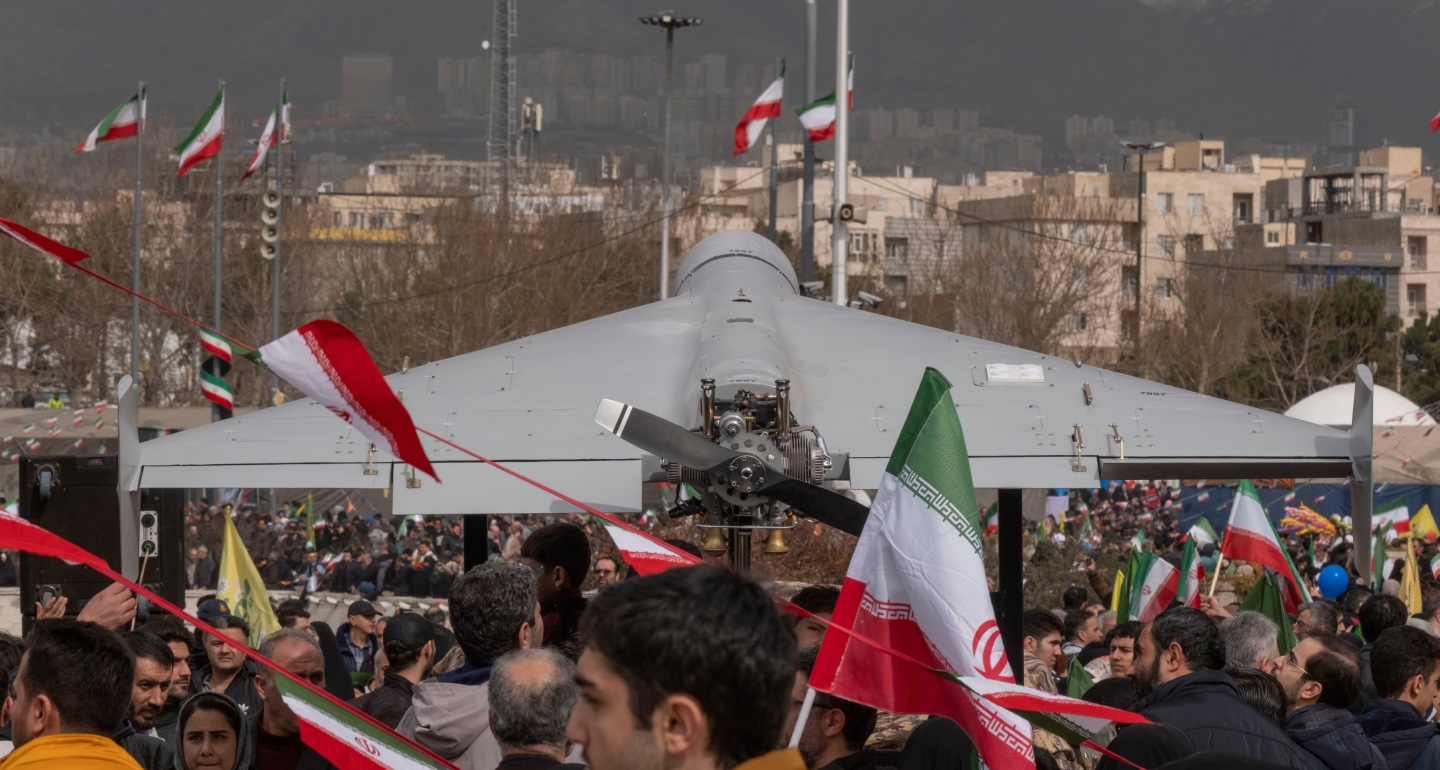
The Russian leadership wants to avoid a dangerous precedent in which it is squeezed out of Iran by the United States and Israel—and left powerless to respond in any meaningful way.

Nikita Smagin
One is hopeful. One is realistic. One is cautionary.

Andrew Leber, Sam Worby
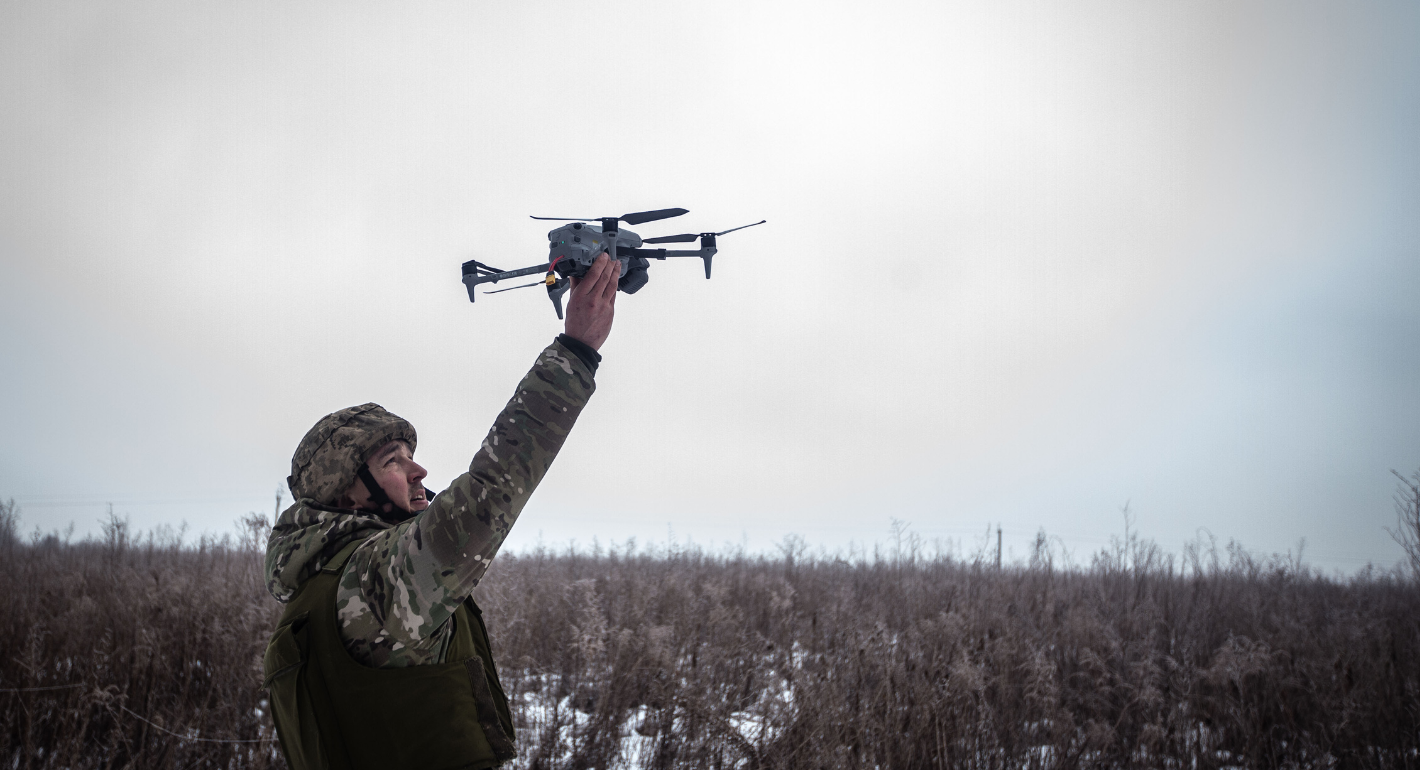
In Ukraine, Gaza, and Iran, AI warfare has come to dominate, with barely any oversight or accountability. Europe must lead the charge on the responsible use of new military technologies.

Raluca Csernatoni
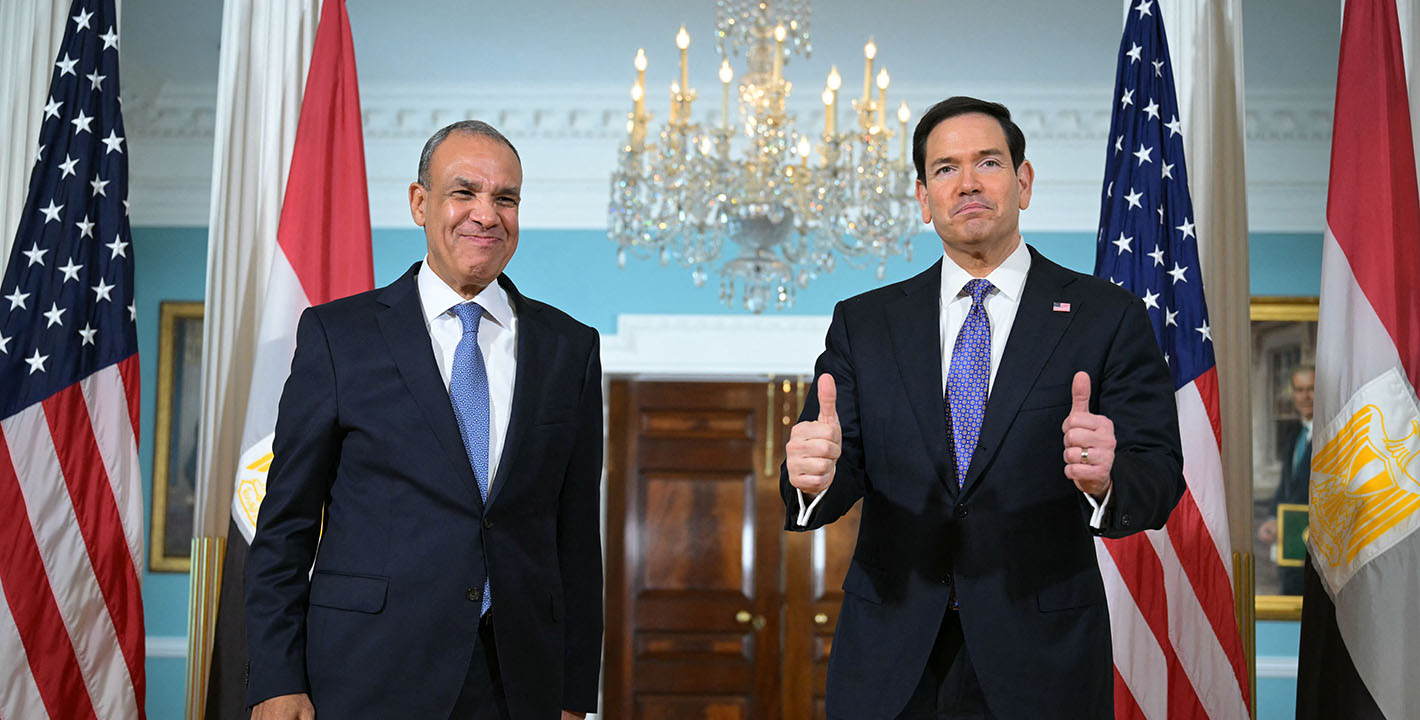
Cairo’s efforts send a message to the United States and the region that it still has a place at the diplomatic table.

Angie Omar
Beirut’s desire to break free from Iranian hegemony may push it into a situation where it has to accept Israel’s hegemony.

Michael Young