• Research
  • Emissary
  • About
  • Experts
Carnegie Global logoCarnegie lettermark logo
DemocracyIran
  • Donate
Hizbollah Attempts a Coup d’État

Source: Getty

Article
Malcolm H. Kerr Carnegie Middle East Center

Hizbollah Attempts a Coup d’État

Lebanon’s prolonged political crisis erupted in violence last week following the dismissal by the Lebanese government of an official close to Hizbollah and the launch an investigation into the organization’s telecommunications network. Contrary to a similar escalation in December 2006, Iran has not interceded to halt the violence.

Link Copied
By Paul Salem
Published on May 13, 2008

Additional Links

Full Text (PDF)
Program mobile hero image

Program

Middle East

The Middle East Program in Washington combines in-depth regional knowledge with incisive comparative analysis to provide deeply informed recommendations. With expertise in the Gulf, North Africa, Iran, and Israel/Palestine, we examine crosscutting themes of political, economic, and social change in both English and Arabic.

Learn More

Lebanon’s prolonged political crisis erupted in violence last week following the dismissal by the Lebanese government of an official close to Hizbollah and the launch an investigation into the organization’s telecommunications network. Paul Salem, director of the Carnegie Middle East Center in Beirut, outlines the key actors of Lebanon’s worst violence since the end of its civil war in 1990 and their aims.

Key Conclusions:

  • Hizbollah’s immediate goals are to force the government to rescind its controversial decisions and establish a unity government with increased authority for Hizbollah. Over the long-term, they could demand on a larger share of power for Lebanon’s Shi’a.
  • Hizbollah is not eager to elect a new president immediately. They hope to stall until after new parliamentary elections (which must be held before June 2009) in the hopes of having more say in the choice of candidate.
  • The army is under intense criticism for failing to stop the violence but argues it must remain neutral or risk splitting along sectarian lines.
  • Contrary to a similar escalation in December 2006, Iran has not interceded to halt the violence. This could be the result of the latest round of Security Council resolutions and increased hostile rhetoric by the United States. It could also reflect Iranian concerns about the possibility of a Syrian–Israeli agreement.

“The situation in Lebanon remains extremely tense. An Arab League ministerial delegation is to arrive to help negotiate an end to the crisis. The next days will indicate whether the opposition will escalate and widen its military assaults, or whether Lebanon is entering a lull in which discussions and political bargaining will come to the fore,” concludes Salem.
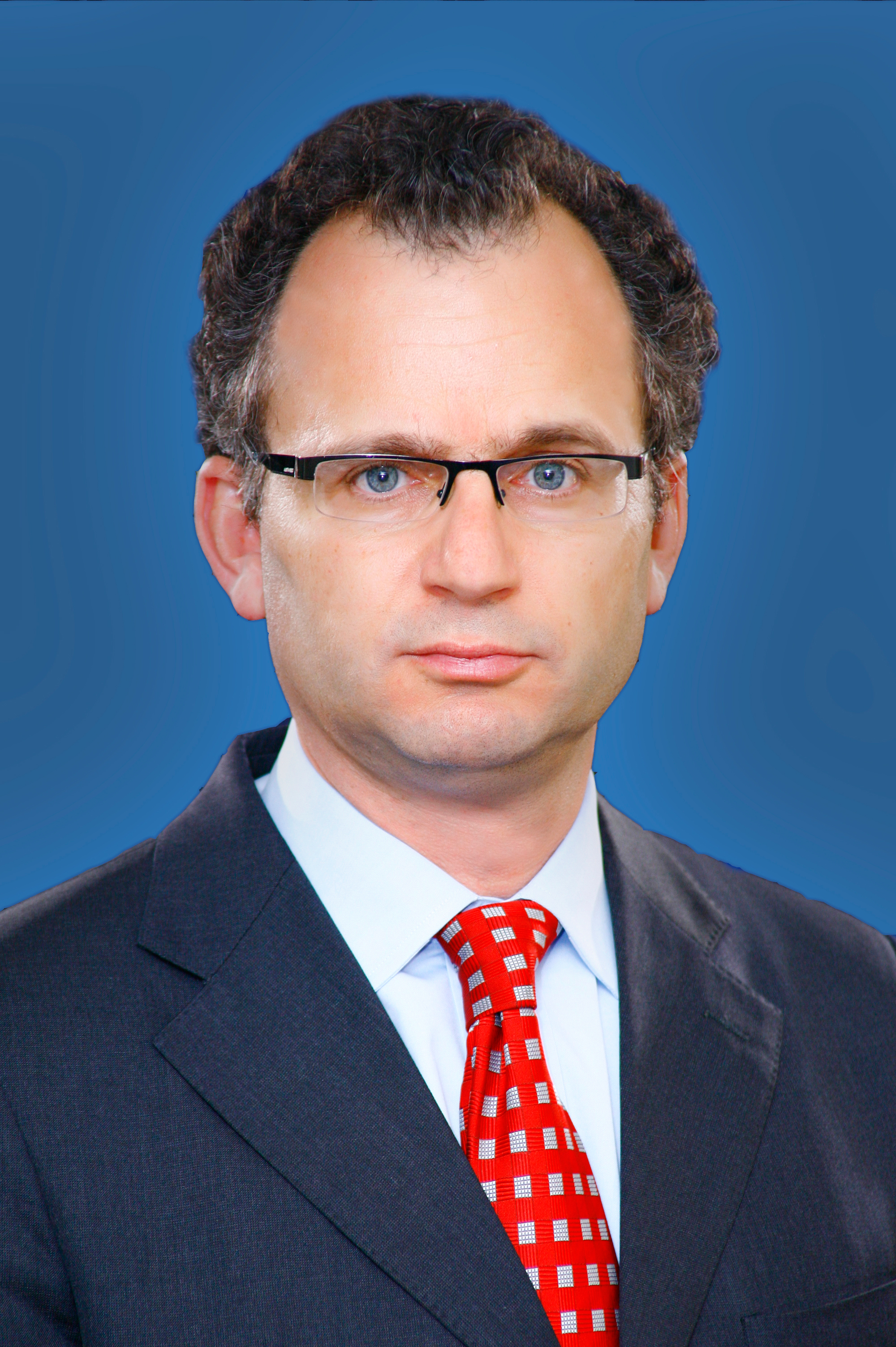
About the Author

Paul Salem

Senior Fellow at the Middle East Institute

Paul Salem is a senior fellow at the Middle East Institute.

    Recent Work

  • Paper
    Iraq’s Tangled Foreign Interests and Relations

      Paul Salem

  • Article
    Bracing for Impact in Syria

      Paul Salem

Paul Salem
Senior Fellow at the Middle East Institute
Paul Salem
Middle EastIranLebanonSyriaPolitical ReformDemocracySecurity

Carnegie does not take institutional positions on public policy issues; the views represented herein are those of the author(s) and do not necessarily reflect the views of Carnegie, its staff, or its trustees.

More Work from Carnegie Endowment for International Peace

  • Mullin with his hand raised, taking an oath
    Commentary
    Emissary
    Can Mullin Revive FEMA?

    Restoring competence and trust to the anemic, neglected disaster recovery agency is a matter of national security.

      • Sarah Labowitz

      Sarah Labowitz, Debbra Goh

  • Commentary
    Diwan
    Israel Strikes Hezbollah’s Muslim Brotherhood-Affiliated Allies

    The Jamaa al-Islamiyya is the local Lebanese dimension of a broader struggle involving rival regional powers.

      Issam Kayssi

  • Commentary
    Carnegie Politika
    What the Russian Energy Sector Stands to Gain From War in the Middle East

    The future trajectory of the U.S.-Iran war remains uncertain, but its impact on global energy trade flows and ties will be far-reaching. Moscow is likely to become a key beneficiary of these changes; the crisis in the Gulf also strengthens Russia’s hand in its relationships with China and India, where advantages might prove more durable.

      • Sergey Vakulenko

      Sergey Vakulenko

  • Gen Z United activists hold a demonstration in Kathmandu, Nepal, on September 8 and 9, 2025, under the banner ''Don't Forget the Blood of Martyrs,'' honoring protest martyrs and demanding justice and accountability for those killed during past movements.
    Article
    Gen Z Protests Across Asia Offer a Delicate but Renewed Democratic Order

    A disconnect between Gen Z citizenry and older rulers has fueled massive demonstrations. What are the key issues and how is protest energy translating into electoral change?

      • Usama Khilji

      Usama Khilji

  • Commentary
    Carnegie Politika
    Beyond Oil: Hormuz Closure Puts Russia in the Lead in the Fertilizer Market

    The Kremlin expects to not only profit from rising fertilizer prices but also exact revenge for the collapse of the 2023 grain deal.

      Alexandra Prokopenko

Get more news and analysis from
Carnegie Endowment for International Peace
Carnegie global logo, stacked
1779 Massachusetts Avenue NWWashington, DC, 20036-2103Phone: 202 483 7600Fax: 202 483 1840
  • Research
  • Emissary
  • About
  • Experts
  • Donate
  • Programs
  • Events
  • Blogs
  • Podcasts
  • Contact
  • Annual Reports
  • Careers
  • Privacy
  • For Media
  • Government Resources
Get more news and analysis from
Carnegie Endowment for International Peace
© 2026 Carnegie Endowment for International Peace. All rights reserved.