Despite considerable challenges, the CPTPP countries and the EU recognize the need for collective action.
Barbara Weisel
Source: Getty
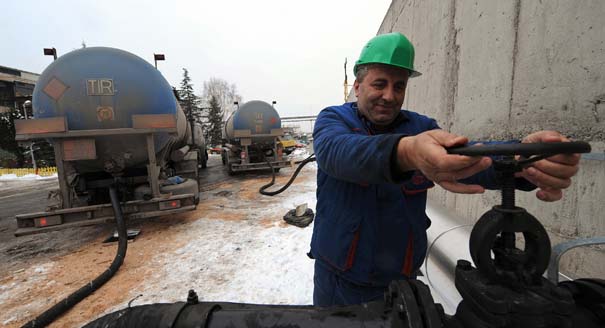
The hydrocarbon industries of the former Soviet Union are undergoing innovative development. In Russia, conditions both enable and inhibit the construction of a new economy focused on incentives for innovation.
Source: Carnegie Moscow Center Working Paper

Full text of the Working Paper is available in Russian.
Carnegie does not take institutional positions on public policy issues; the views represented herein are those of the author(s) and do not necessarily reflect the views of Carnegie, its staff, or its trustees.
Despite considerable challenges, the CPTPP countries and the EU recognize the need for collective action.
Barbara Weisel
France has stopped clinging to notions of being a great power and is embracing the middle power moment. But Emmanuel Macron has his work cut out if he is to secure his country’s global standing before his term in office ends.
Rym Momtaz
How significant are statements by senior U.S. officials about supporting democracy abroad in the context of a foreign policy led by a president focused on near-term transactional interests?
Thomas Carothers, McKenzie Carrier
Despite offering security benefits to candidates and the EU alike, the enlargement agenda appears stalled. Why is progress not being made, and is it time for Europe to rethink its approach?
Sylvie Goulard, Gerald Knaus
Disillusioned with the West over Gaza, Arab countries are not only trading more with Russia; they are also more willing to criticize Kyiv.
Ruslan Suleymanov