


Commentary
With the growth in points of friction between the great powers, organizations like the SCO will continue to play a role in the strategic adaptation of the smaller powers caught between them.
Temur Umarov
Source: Getty
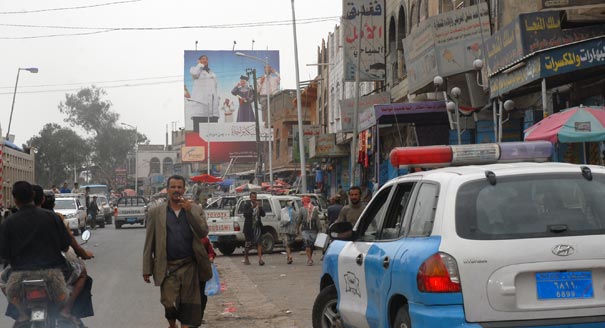
There are limits to how much foreign intervention can accomplish in Yemen. To overcome its daunting security, economic, and political challenges, Yemen’s political system needs to become less centralized and more inclusive.
Western policy makers are scrambling to respond decisively to Yemen’s instability after the failed Christmas Day attack on a U.S. passenger jet was tied to al-Qaeda in the Arabian Peninsula. But there are limits to how much foreign intervention can accomplish—Yemen’s political system needs to become less centralized and more inclusive.

“The establishment of a more stable political settlement is a domestic endeavor, and Westerners’ chances of encouraging a more inclusive political system are questionable,” writes Phillips. “In the long term, only a fundamental restructuring of the political system to become much more inclusive will lead to stability.”
Sarah Phillips
Carnegie does not take institutional positions on public policy issues; the views represented herein are those of the author(s) and do not necessarily reflect the views of Carnegie, its staff, or its trustees.

With the growth in points of friction between the great powers, organizations like the SCO will continue to play a role in the strategic adaptation of the smaller powers caught between them.

Temur Umarov

Amid celebrations of bilateral ties was a deeper focus on stability in the Middle East.

Amr Hamzawy
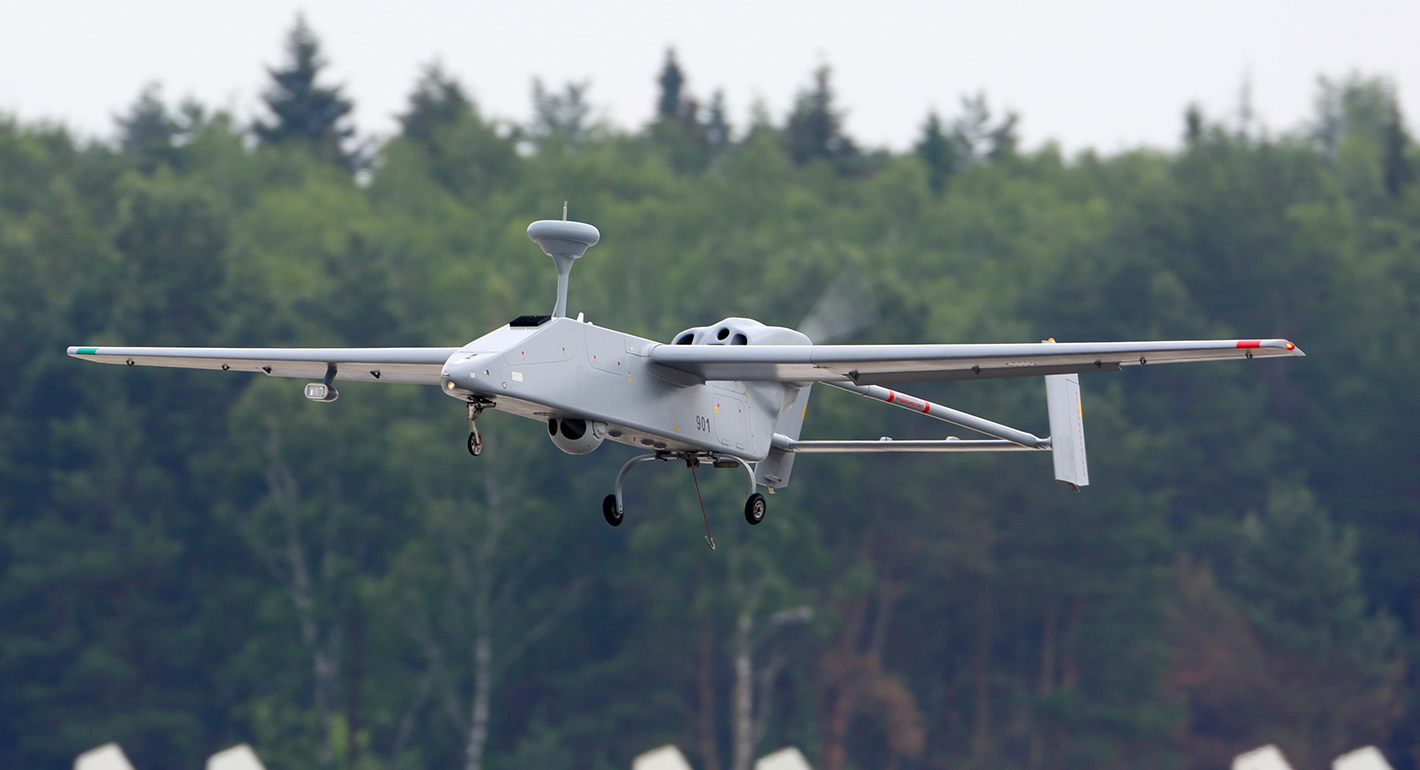
Moscow is testing Europe’s defenses with drone incursions and could decide to use drones against the continent on a much larger scale once the war in Ukraine pauses. European countries will need Kyiv to help them prepare for such a possibility.

Pavlo Zvenyhorodskyi

Middle Eastern states should welcome an accelerated U.S. disengagement from their region.

Michael Young
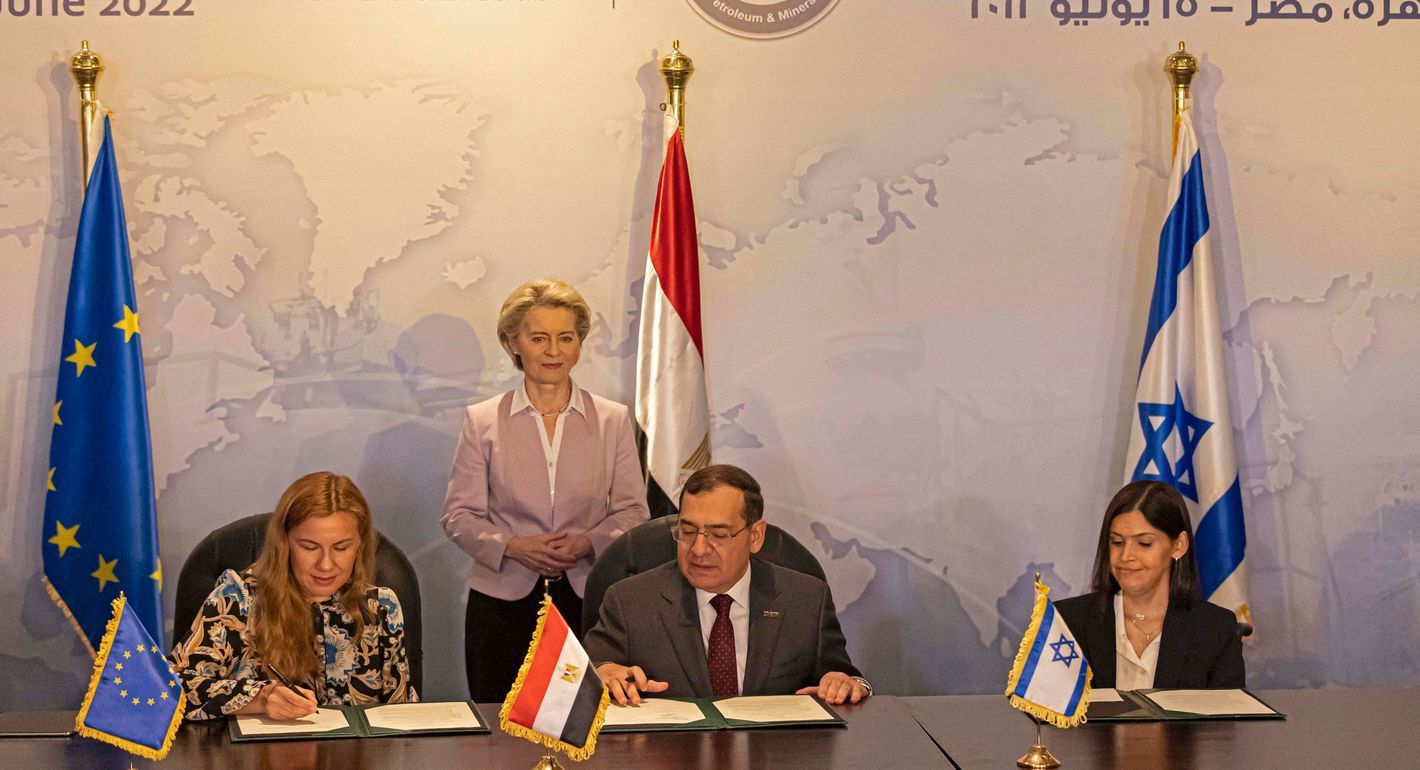
Can economic ties help contain conflict between Egypt and Israel, or do they simply postpone confrontation? Drawing on the German-Russian experience, the article examines how the gas deal creates mutual dependence, keeps channels of cooperation open, and raises the cost of conflict, without necessarily delivering lasting peace.

Nourhan Hefzy