• Research
  • Emissary
  • About
  • Experts
Carnegie Global logoCarnegie lettermark logo
DemocracyIran
  • Donate
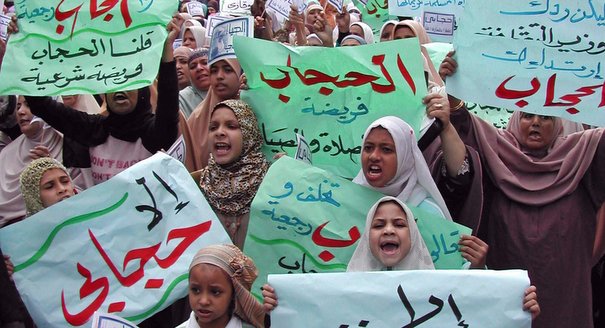
From Violence to Moderation: Al-Jama'a al-Islamiya and al-Jihad

Source: Getty

Paper
Malcolm H. Kerr Carnegie Middle East Center

From Violence to Moderation: Al-Jama'a al-Islamiya and al-Jihad

Recognition by Egypt's leading Jihadists that violence has failed to achieve political change and in fact has been counterproductive has led them to a remarkable change of course.

Link Copied
By Amr Hamzawy and Sarah Grebowski
Published on Apr 29, 2010

Additional Links

Full Text
Program mobile hero image

Program

Middle East

The Middle East Program in Washington combines in-depth regional knowledge with incisive comparative analysis to provide deeply informed recommendations. With expertise in the Gulf, North Africa, Iran, and Israel/Palestine, we examine crosscutting themes of political, economic, and social change in both English and Arabic.

Learn More
Recognition by Egypt’s leading Jihadists that violence has failed to achieve political change and in fact has been counterproductive has led them to a remarkable change of course, concludes a paper by Amr Hamzawy and Sarah Grebowski.
 
After years of violent confrontation with the Egyptian government and society, and defeat by the country’s security forces, al-Jama‘a al-Islamiya and, later, segments of al-Jihad have accepted their failure to radically change society and politics, and to recognize the harm that their violent activities—formerly justified using religious concepts—have inflicted on Muslims and non-Muslims alike. These developments have given rise to a Jihadi revisionism that renounces violence and redefines attitudes toward the state, politics, and society.
 
The same Islamic concepts that once were used to justify violence have been redefined to sanction and urge nonviolent social and political activism. Revisionist documents outline a careful cost-benefit analysis that effectively rules out the use of violence to achieve the groups’ goals. A variety of factors prevent al-Jama‘a and al-Jihad from fully implementing these reformed views, such as the Egyptian regime’s refusal to allow members of either group to reintegrate into the country’s political and social fabric and al-Jihad’s specific challenge of disseminating revisionist ideas throughout its fragmented movement that still largely condones violence. However, Jihadi revisionism has led both groups to forego violence and shifted Egypt’s Islamist spectrum toward moderation.
 

About the Authors

Amr Hamzawy

Director, Middle East Program

Amr Hamzawy is a senior fellow and the director of the Carnegie Middle East Program. His research and writings focus on governance in the Middle East and North Africa, social vulnerability, and the different roles of governments and civil societies in the region.

Sarah Grebowski

Carnegie Middle East Center

Authors

Amr Hamzawy
Director, Middle East Program
Amr Hamzawy
Sarah Grebowski
Carnegie Middle East Center
North AfricaEgyptPolitical Reform

Carnegie does not take institutional positions on public policy issues; the views represented herein are those of the author(s) and do not necessarily reflect the views of Carnegie, its staff, or its trustees.

More Work from Carnegie Endowment for International Peace

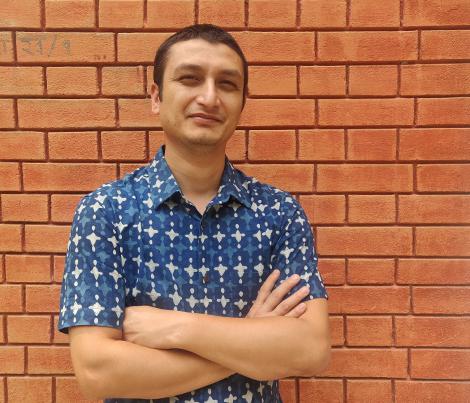
  • Photo of Balen Shah taking a selfie with a group of Nepali adults and children.
    Article
    A New Generation Takes Power in Nepal

    The incoming government has swept Nepal’s election. The real work begins now.

      Amish Raj Mulmi
  • A Black man pulls a trolley. He is small in the bottom center of the frame; in the background are stacks of large, colorful shipping containers and the parts of a large crane or similar piece of equipment.
    Article
    Africa’s Global Economic Edge: Advancing Strategic Sectors

    In key sectors such as critical minerals, specialty agriculture, and fintech, Africa can become a global powerhouse by investing more in manufacturing, value-add, and scaling.

      • Kholofelo Kugler

      Kholofelo Kugler, Georgia Schaefer-Brown
  • Article
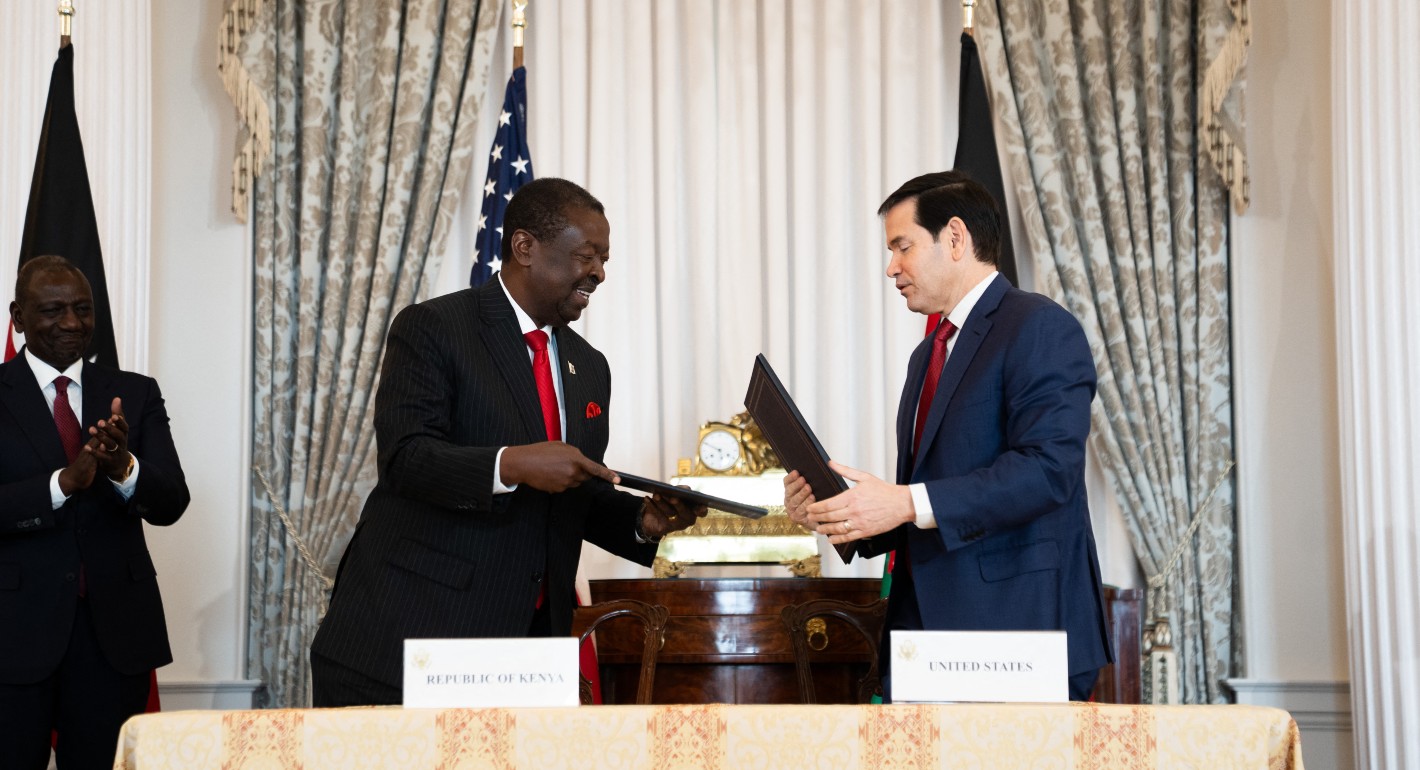
    Kenya’s Health Deal Is a Stress Test for the America First Global Health Strategy

    U.S. agreements must contend with national data protection laws to make durable foreign policy instruments.

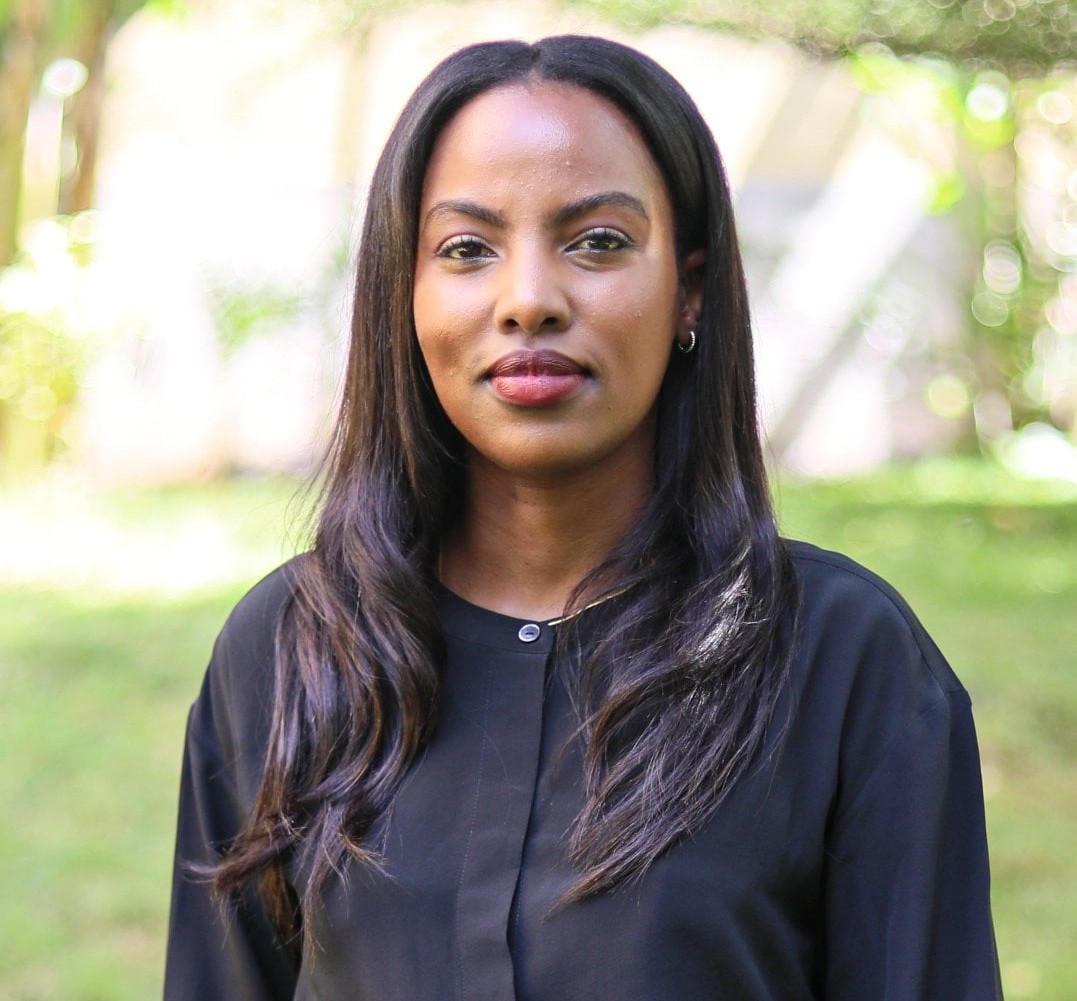
      • A Black woman with long hair wears a black blazer

      Jane Munga, Rose Mosero

  • Commentary
    Carnegie Politika
    After Ilia II: What Will a New Patriarch Mean for Georgia?

    The front-runner to succeed Ilia II, Metropolitan Shio, is prone to harsh anti-Western rhetoric and frequent criticism of “liberal ideologies” that he claims threaten the Georgian state. This raises fears that under his leadership the Georgian Orthodox Church will lose its unifying role and become an instrument of ultraconservative ideology.

      Bashir Kitachaev

  • Commentary
    Carnegie Politika
    Tokayev’s New Constitution Is a Bet on Stability—At Freedom’s Expense

    Kazakhstan’s new constitution is an embodiment of the ruling elite’s fears and a self-serving attempt to preserve the status quo while they still can.

      Serik Beysembaev

Get more news and analysis from
Carnegie Endowment for International Peace
Carnegie global logo, stacked
1779 Massachusetts Avenue NWWashington, DC, 20036-2103Phone: 202 483 7600Fax: 202 483 1840
  • Research
  • Emissary
  • About
  • Experts
  • Donate
  • Programs
  • Events
  • Blogs
  • Podcasts
  • Contact
  • Annual Reports
  • Careers
  • Privacy
  • For Media
  • Government Resources
Get more news and analysis from
Carnegie Endowment for International Peace
© 2026 Carnegie Endowment for International Peace. All rights reserved.