

Article
Japan’s prime minister, Takaichi Sanae, may kickstart a discussion on Japan’s non-nuclear principles.
Shizuka Kuramitsu

Source: Getty
Indigenous innovation has become the greatest immediate source of economic friction between the United States and China. Yet despite concerns over protectionism, the global trend toward “homegrown” innovation is a healthy, positive development.
Indigenous innovation has become the greatest immediate source of economic friction between the United States and China. This trend is not unique to these two countries; policy makers globally are actively trying to stimulate domestic innovation. The burgeoning markets for biotech and environment-related products and services and, potentially even more important, countries’ efforts to emerge from the global economic slowdown all reinforce this trend. Mindful of this global scene, China has made indigenous innovation one of the core elements of its attempt to make a structural shift up the industrial value chain.
Recently, however, indigenous innovation has been tarred with a protectionist brush. In both China and the United States, there have been increasing calls for buy-local stipulations and the erection of tariffs and non-tariff barriers to trade. In China, these measures primarily take the shape of government “local content” mandates and through the preferential treatment given to products officially classified as “national indigenous innovation products” (NIIP) in the government procurement process. In the United States, they have taken the form of buy-local provisions and efforts to shut out foreign companies. The conflict has been escalating dangerously. In the run-up to the recent Strategic and Economic Dialogue, the U.S. business community ranked indigenous innovation in China as its number one policy concern, above even the currency issue. As of this writing, the key points of contention remain unresolved.
Yet despite the loud cries of protest against it, the global trend toward “homegrown” innovation is a healthy, positive development. Without innovation, countries cannot continually raise wages and living standards. Government procurement should play an important role in stimulating innovation, but maintaining open markets and international linkages is critical. But instead of following its current approach of short-term product substitution and picking winners by protecting them from competition, China should focus on proven, market-friendly ways of stimulating innovation. Government procurement’s primary roles should be market signaling, de-risking R&D, bridging the finance gap, and stimulating demand. The United States would also benefit by refocusing its government procurement policies along the lines indicated in the key findings of this paper, especially concentrating on facilitating more open markets and elevating the importance of sustainable procurement.
The following set of specific recommendations for China will stimulate innovation through open markets and the effective use of government procurement:
Finally the United States and China could lead by example by working to form a joint sustainable procurement agreement. This will not only increase innovation in both countries; it will also increase overall technological progress worldwide.

Former Visiting Scholar, Energy and Climate Program
Carnegie does not take institutional positions on public policy issues; the views represented herein are those of the author(s) and do not necessarily reflect the views of Carnegie, its staff, or its trustees.

Japan’s prime minister, Takaichi Sanae, may kickstart a discussion on Japan’s non-nuclear principles.
Shizuka Kuramitsu

Even if the Iran war stops, restarting production and transport for fertilizers and their components could take weeks—at a crucial moment for planting.

Noah Gordon, Lucy Corthell

European reactions to the war in Iran have lost sight of wider political dynamics. The EU must position itself for the next phase of the crisis without giving up on its principles.

Richard Youngs
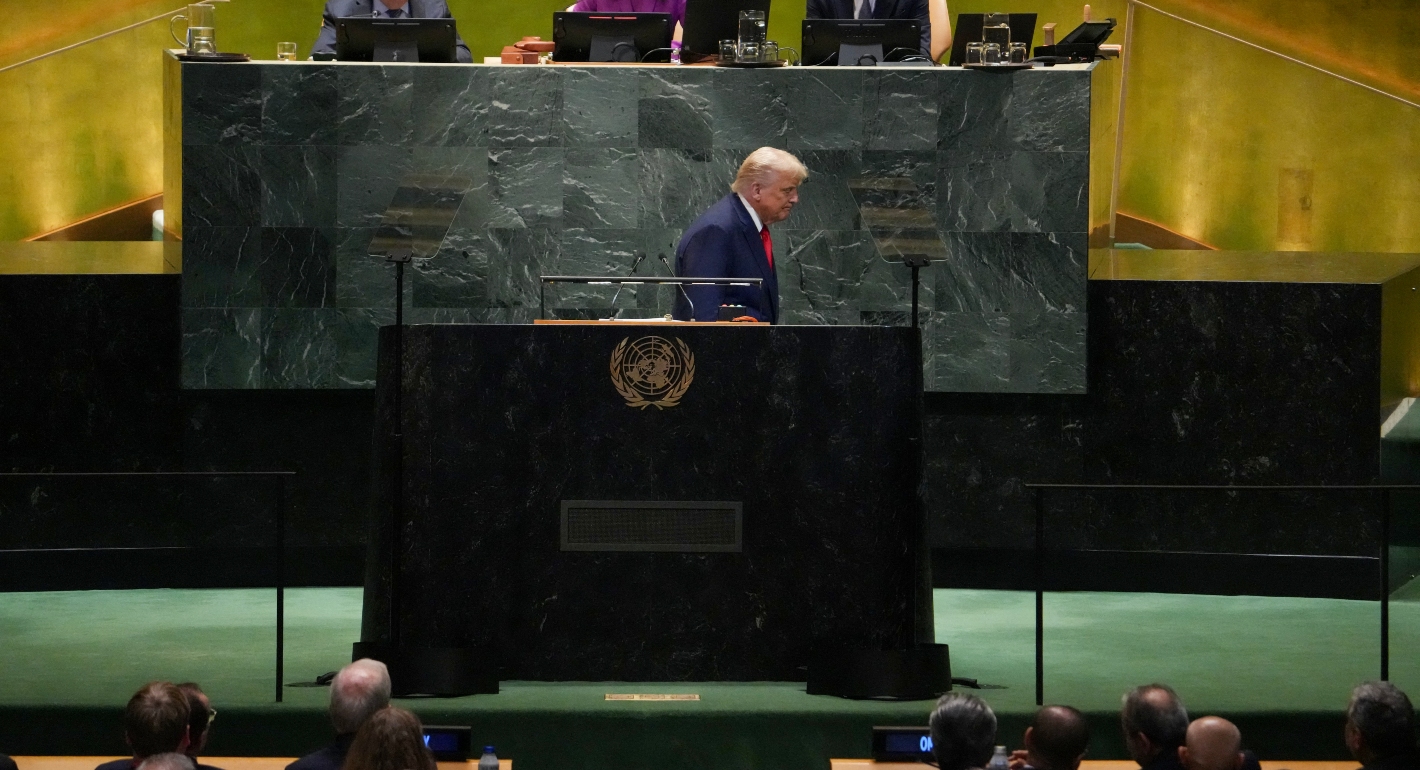
For years, the United States anchored global cyber diplomacy. As Washington rethinks its leadership role, the launch of the UN’s Cyber Global Mechanism may test how allies adjust their engagement.


Patryk Pawlak, Chris Painter

Censorship in China spans the public and private domains and is now enabled by powerful AI systems.
Nathan Law