

Commentary
While armed forces commander Rudolph Haykal’s caution is understandable, he is in a position to act, and must.
Michael Young
Source: Getty
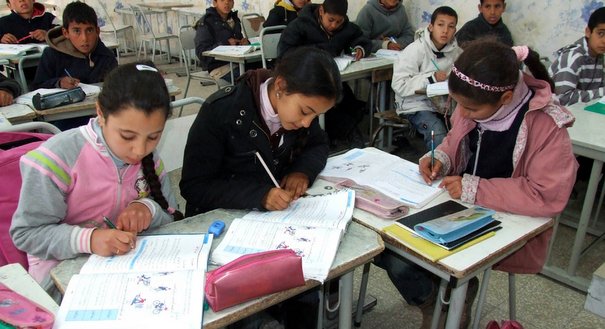
Education needs to be reformed in the Arab world to empower its citizens, despite resistance from governments and the religious opposition. Otherwise political and economic development will not be sustainable.
Any romantic notions in the West that the 2011 Arab uprisings could create instantaneous democracy in countries that have succeeded at toppling their leaders are already shattering. In the absence of strong political parties and viable civil society structures in most of the Arab world, these uprisings are proving to be only the first step in a process that will not follow a clear path and will take years to unfold. Much trial and error will take place and the region will experience multiple ups and downs before stable political and economic systems take hold.
The challenge of replacing both leaders and regimes with ones that follow democratic norms is huge and certainly not automatic. As the Arab world starts this long transformation, a self-evident but often ignored fact is that democracy will thrive only in a culture that accepts diversity, respects different points of view, regards truths as relative rather than absolute, and tolerates—even encourages—dissent. Without this kind of culture, no sustainable system of checks and balances can evolve over time to redistribute power away from the executive. Nor can a mechanism be developed to check abuses by any state institution. As the first phase of the uprisings gives way to nation building after decades of authoritarian rule, people in the Arab world will discover that their societies are not equipped with the skills and values needed to accept different, pluralistic norms of behavior.
Looking beyond the euphoria of the moment thus requires changes not only to the political structure and individuals—electoral law, constitutions, leaders—but also serious and sustained changes to the countries’ educational systems. The current education reform efforts in the region heavily focus on such “technical” aspects as building more schools, introducing computers to schools, improving test scores in mathematics and sciences, and bridging the gender gap in education. While necessary and important, the reform’s current emphasis misses a basic human component: Students need to learn at a very early age what it means to be citizens who learn how to think, seek and produce knowledge, question, and innovate rather than be subjects of the state who are taught what to think and how to behave. These attributes are essential if the region is to move away from its traditional reliance on “rents” in the form of oil and outside assistance, and toward the kind of system that empowers its citizens with the requisite skills to build self-generating, prosperous economies and achieve a quality of life that can come through respect for diversity, critical thinking, creativity, and exercising one’s duties and rights as an active citizen.

Former Senior Associate , Middle East Center
Faour was a senior associate at the Carnegie Middle East Center, where his research focused on education reform in Arab countries with an emphasis on citizenship education.

Vice President for Studies
Marwan Muasher is vice president for studies at Carnegie, where he oversees research in Washington and Beirut on the Middle East. Muasher served as foreign minister (2002–2004) and deputy prime minister (2004–2005) of Jordan, and his career has spanned the areas of diplomacy, development, civil society, and communications.
Carnegie does not take institutional positions on public policy issues; the views represented herein are those of the author(s) and do not necessarily reflect the views of Carnegie, its staff, or its trustees.
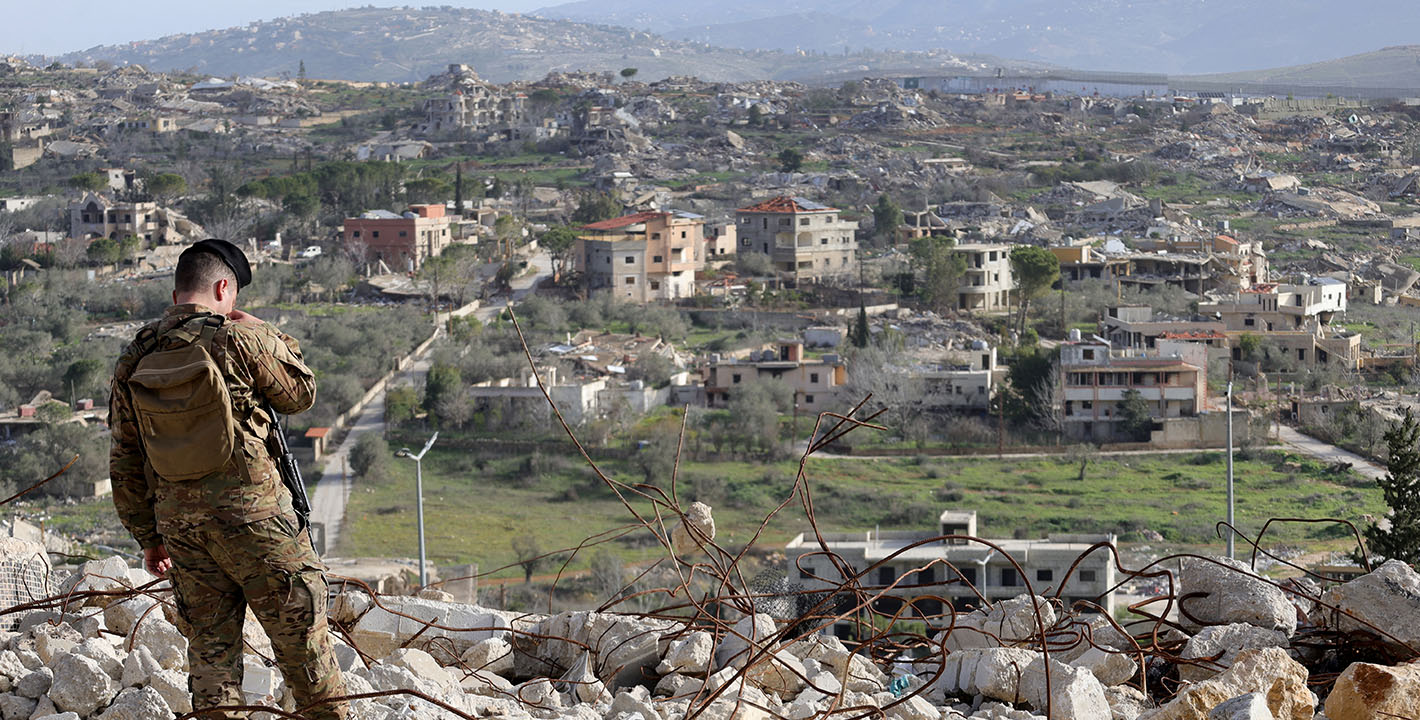
While armed forces commander Rudolph Haykal’s caution is understandable, he is in a position to act, and must.

Michael Young
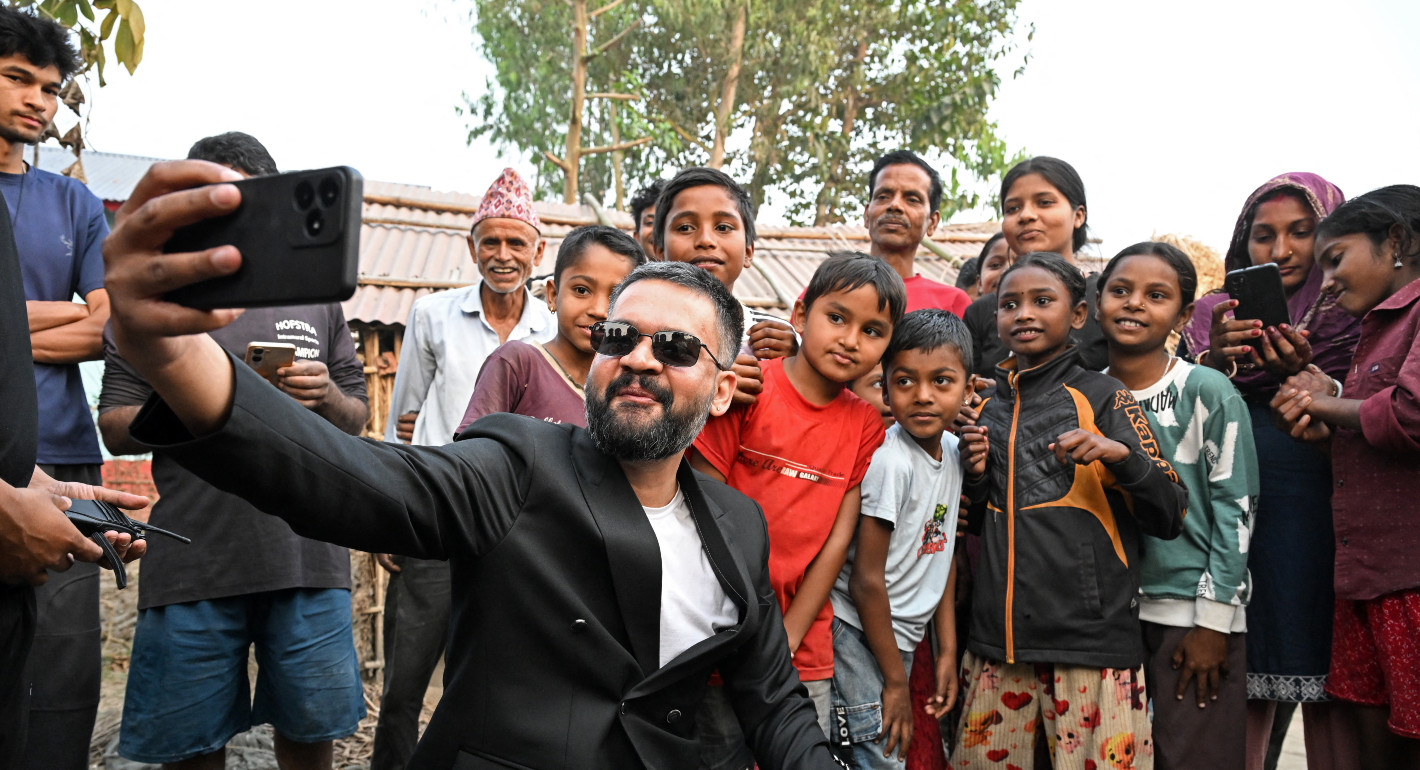
The incoming government has swept Nepal’s election. The real work begins now.

Amish Raj Mulmi
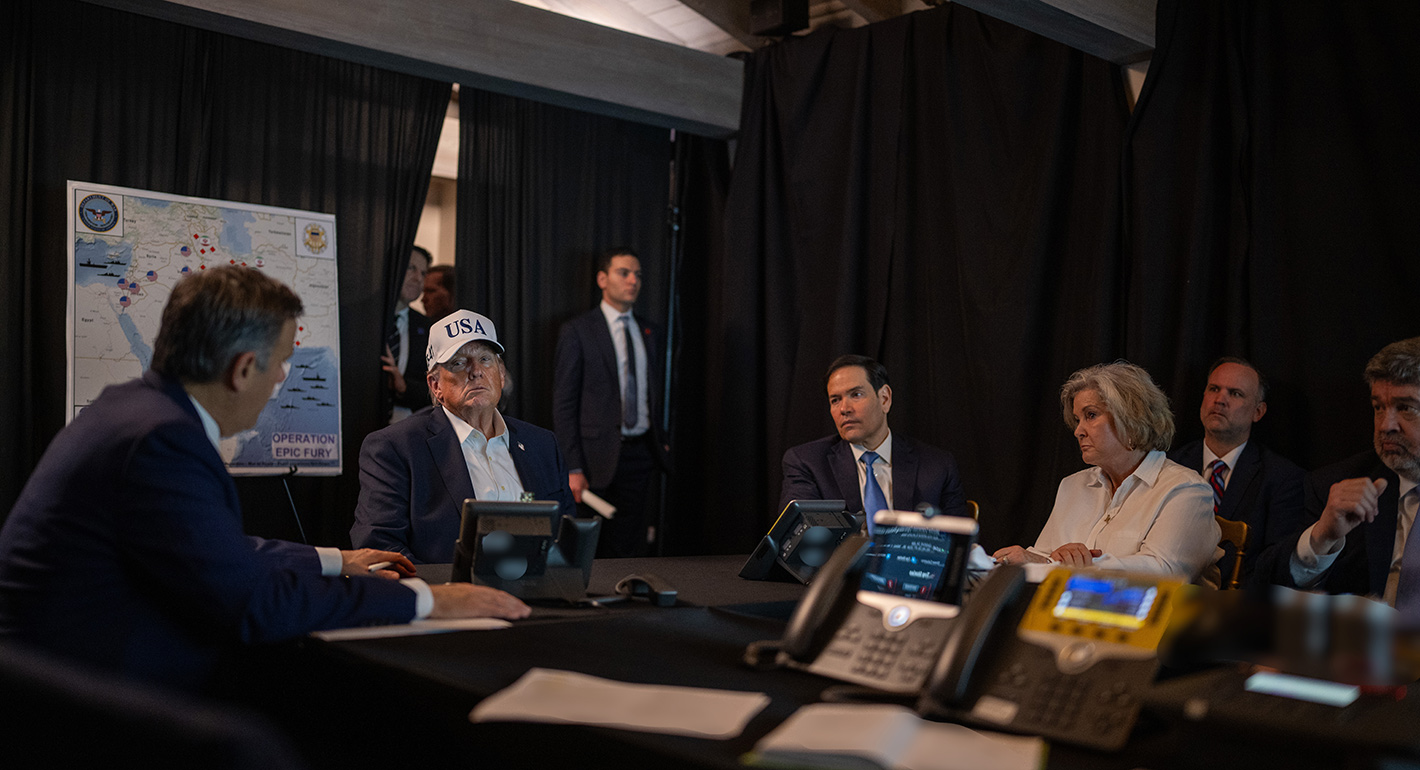
Assessing U.S. compliance with the international laws of war is essential at a time when these frameworks are already fraying.

Federica D’Alessandra

In key sectors such as critical minerals, specialty agriculture, and fintech, Africa can become a global powerhouse by investing more in manufacturing, value-add, and scaling.

Kholofelo Kugler, Georgia Schaefer-Brown
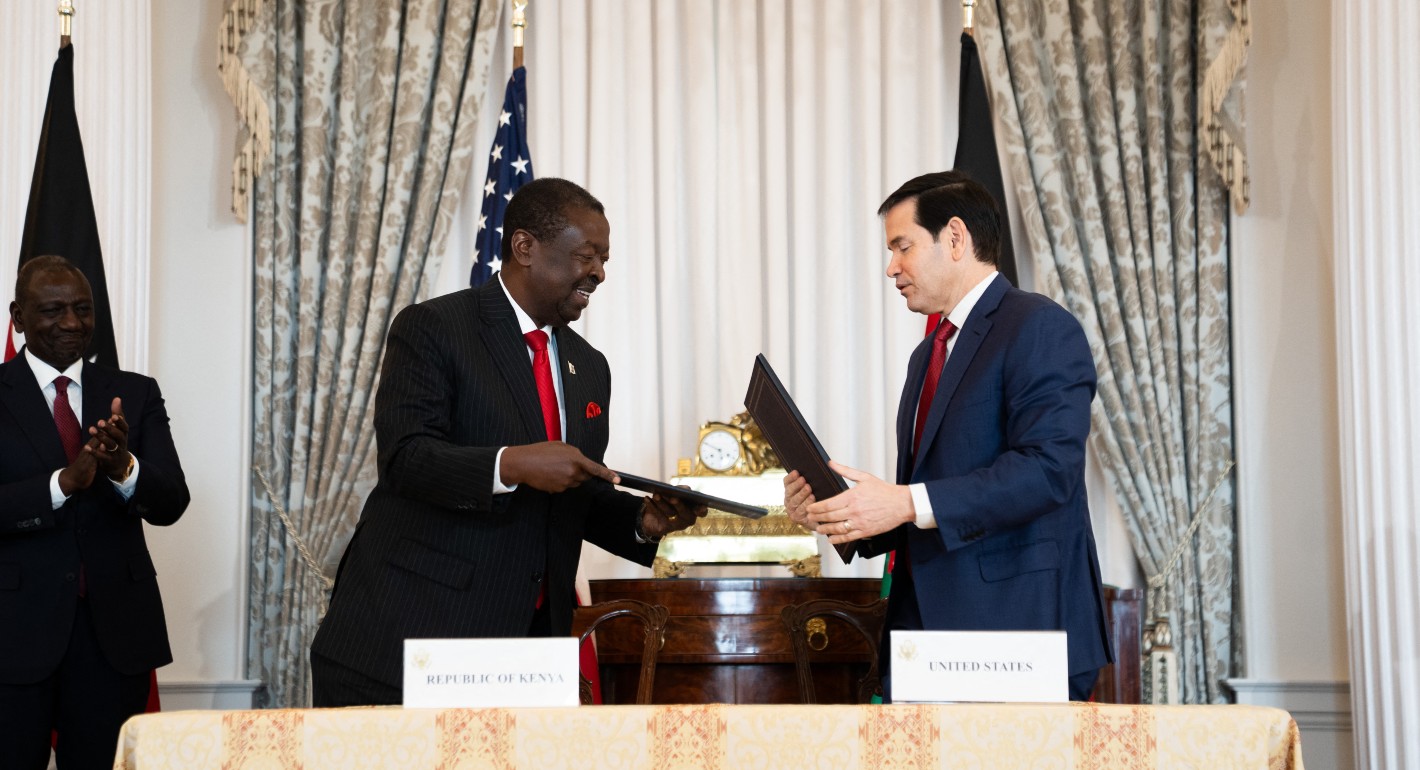
U.S. agreements must contend with national data protection laws to make durable foreign policy instruments.

Jane Munga, Rose Mosero