• Research
  • Emissary
  • About
  • Experts
Carnegie Global logoCarnegie lettermark logo
DemocracyIran
  • Donate
India’s Prospects in the Area of Ballistic Missile Defense: A Regional Security Perspective

Source: Getty

Paper
Carnegie Russia Eurasia Center

India’s Prospects in the Area of Ballistic Missile Defense: A Regional Security Perspective

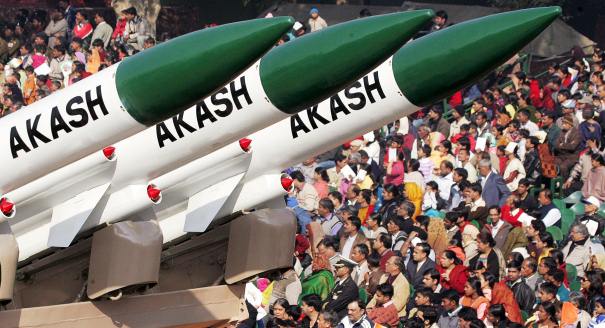
India continues to develop a missile defense system, despite a lack of expert consensus within the country on the value of such a system and despite the fact that uncertainty regarding Indian missile defense adversely affects regional security.

Link Copied
By Petr Topychkanov
Published on Jul 26, 2012

Additional Links

Full Text
Project hero Image

Project

Eurasia in Transition

Learn More

Source: Carnegie Moscow Center Working Paper

“‘In 2012, the unequal relationship between India and Pakistan is spinning sharply out of control. Terrorists attack the Indian parliament and kill two ministers and 12 MPs. There is no doubt that Pakistan had a hand in this, and in a month India goes to war. Pakistan threatens to use nuclear weapons if India does not stop the invasion. Indian troops close in on Lahore, and Pakistan launches Ghauri missiles with nuclear warheads aimed at Delhi... A long-range radar for missile defense detects the Ghauri missiles 30 seconds after their launch. Five minutes later... the missile defense system launches interceptor missiles. Four Pakistani Ghauri missiles explode in the sky and fall harmlessly to the ground in pieces... The city of Delhi is saved. India carries out a nuclear counterattack that, in the words of one military officer, ‘will put an end to Pakistan once and for all.’ Science fiction? Not entirely.” This text was published by Raj Chengappa, a columnist for the Indian magazine India Today, in the official publication of the Indian Embassy in Moscow in 2008.

Setting aside for the moment an analysis of India’s possible use of a missile defense system, it is necessary to note that the initial stage of the author’s fictitious conflict repeats the course of many Pakistani-Indian conflicts. Among the most serious of these were the crises of 2001-2002 and 2008, which were characterized by a common development: an act of terrorism in India, followed by a reciprocal show of strength and a growth of mutual tensions in India and Pakistan. Further escalation has so far been avoided, in no small measure thanks to active steps taken by other states.

Raj Chengappa’s text demonstrates the consequences that could result from further escalation, including large-scale military operations with the use of conventional—and possibly nuclear—forces. For many specialists in India and Pakistan, it is clear that in the event of nuclear war between two powers of such territorial proximity, there cannot be a winner. Significant areas of the South Asian region would be rendered uninhabitable. The entire ecological system of the region would change. The consequences of a nuclear exchange would be felt far beyond South Asia.

According to Raj Chengappa’s scenario, Indian missile defense could save Delhi from a nuclear attack, but it could not prevent a nuclear catastrophe. In fact, for the moment, it is difficult not only to consider Indian missile defense effective, but to see it as a system that really exists. India has not completed a missile defense system by 2012, in part due to its limited resources, scientific and technical difficulties, and obstacles encountered while obtaining the necessary technologies on the international market.

However, an important role was also played by the deficit of expert consensus in India in regard to the expediency of the substantial costs associated with developing missile defense, which, as it seems at the moment, cannot guarantee the country’s protection from missile and nuclear threats. Moreover, it is expected that India’s success in this area will provoke responses on the part of its potential rivals, Pakistan and China, that will require additional spending.

Despite the deficit of consensus, India continues development in the area of missile defense. Prospects for its success are actively discussed in India and abroad. Concerns about the reaction from Pakistan and China are beginning to be substantiated. The persistent uncertainty regarding Indian missile defense continues to adversely affect regional security. As a result, the assessments of missile and nuclear threats in South Asia, the prospects for missile defense in India, and the reactions on the part of its potential adversaries all remain relevant.

About the Author

Petr Topychkanov

Former Fellow, Nonproliferation Program, Moscow Center

Topychkanov was a fellow in the Carnegie Moscow Center’s Nonproliferation Program.

    Recent Work

  • In The Media
    Iranian and Russian Perspectives on the Global System

      Petr Topychkanov

  • In The Media
    Premonition of Nuclear Threat

      Petr Topychkanov

Petr Topychkanov
Former Fellow, Nonproliferation Program, Moscow Center
Petr Topychkanov
South AsiaIndiaPakistanNuclear Policy

Carnegie does not take institutional positions on public policy issues; the views represented herein are those of the author(s) and do not necessarily reflect the views of Carnegie, its staff, or its trustees.
More Work from Carnegie Endowment for International Peace

  • Commentary
    Strategic Europe
    Taking the Pulse: Is France’s New Nuclear Doctrine Ambitious Enough?

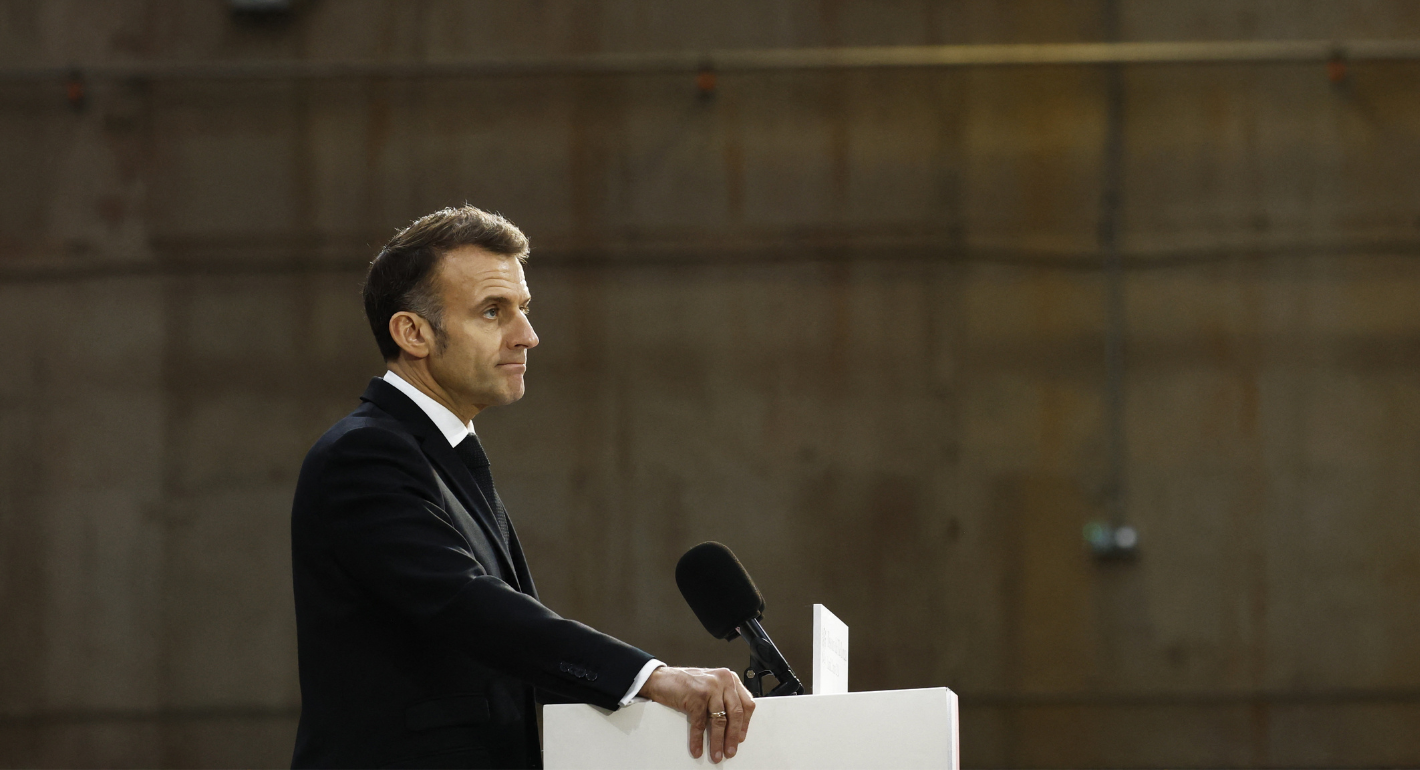
    French President Emmanuel Macron has unveiled his country’s new nuclear doctrine. Are the changes he has made enough to reassure France’s European partners in the current geopolitical context?

      • Rym Momtaz

      Rym Momtaz, ed.

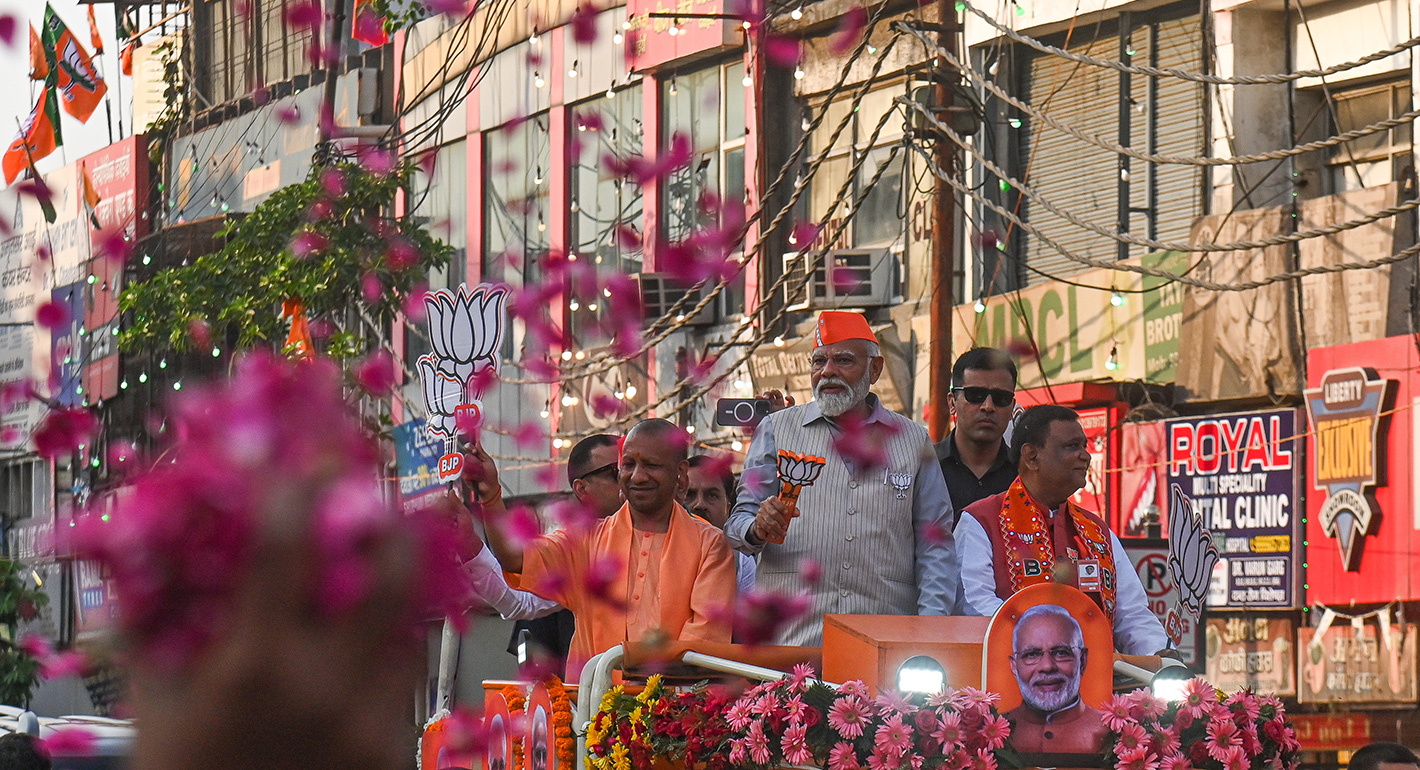
  • Indian Prime Minister Narendra Modi, wearing an orange cap, and the Chief Minister of Uttar Pradesh, Yogi Adityanath, dressed in saffron robes, are greeting supporters of the Bharatiya Janata Party (BJP) during a roadshow ahead of the Indian General Elections in Ghaziabad, Uttar Pradesh, India, on April 6, 2024.
    Paper
    India’s Foreign Policy in the Age of Populism

    Domestic mobilization, personalized leadership, and nationalism have reshaped India’s global behavior.

      Sandra Destradi
  • Photo of shipping containers stacked against a cloudy sky.
    Article
    Modernizing South Asia’s Borders Through Data-Driven Research

    Cargo time release studies offer a path to greater economic gains and higher trust between neighboring countries.

      Nikita Singla
  • Commentary
    Strategic Europe
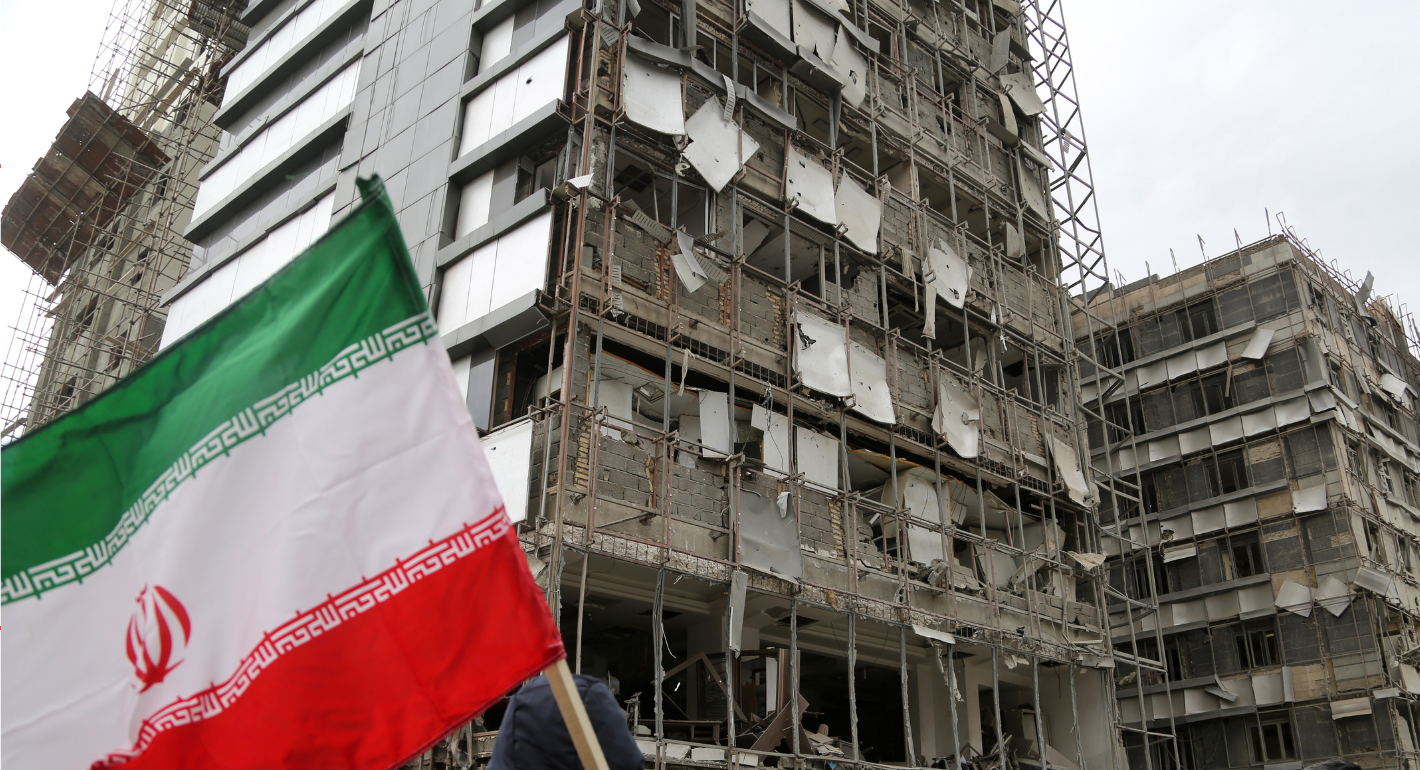
    Europe on Iran: Gone with the Wind

    Europe’s reaction to the war in Iran has been disunited and meek, a far cry from its previously leading role in diplomacy with Tehran. To avoid being condemned to the sidelines while escalation continues, Brussels needs to stand up for international law.

      Pierre Vimont

  • Commentary
    India Signs the Pax Silica—A Counter to Pax Sinica?

    On the last day of the India AI Impact Summit, India signed Pax Silica, a U.S.-led declaration seemingly focused on semiconductors. While India’s accession to the same was not entirely unforeseen, becoming a signatory nation this quickly was not on the cards either.

      Konark Bhandari

Get more news and analysis from
Carnegie Endowment for International Peace
Carnegie global logo, stacked
1779 Massachusetts Avenue NWWashington, DC, 20036-2103Phone: 202 483 7600Fax: 202 483 1840
  • Research
  • Emissary
  • About
  • Experts
  • Donate
  • Programs
  • Events
  • Blogs
  • Podcasts
  • Contact
  • Annual Reports
  • Careers
  • Privacy
  • For Media
  • Government Resources
Get more news and analysis from
Carnegie Endowment for International Peace
© 2026 Carnegie Endowment for International Peace. All rights reserved.