Commentary
Climate mobility interventions can vary, but they all present opportunities to unlock transformative results that mitigate costs associated with inaction.
Alejandro Martin Rodriguez
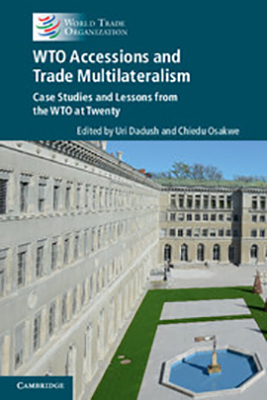
WTO accession negotiations have expanded the reach of the multilateral trading system not only geographically but also conceptually, clarifying disciplines and pointing the way to their further strengthening in future negotiations.
Source: Cambridge University Press
What have WTO accessions contributed to the rules-based multilateral trading system? What demands have been made by original WTO members on acceding governments? How have the acceding governments fared? This volume of essays offers critical readings on how WTO accession negotiations have expanded the reach of the multilateral trading system not only geographically but also conceptually, clarifying disciplines and pointing the way to their further strengthening in future negotiations. Members who have acceded since the WTO was established now account for twenty per cent of total WTO membership. In the age of globalization there is an increased need for a universal system of trade rules. Accession negotiations have been used by governments as an instrument for domestic reforms, and one lesson from the accession process is that there are contexts which lead multilateral trade negotiations to successful outcomes even in the complex and multi-polar twenty-first century economic environment.

Former Senior Associate, International Economics Program
Dadush was a senior associate at the Carnegie Endowment for International Peace. He focuses on trends in the global economy and is currently tracking developments in the eurozone crisis.
Chiedu Osakwe
Carnegie does not take institutional positions on public policy issues; the views represented herein are those of the author(s) and do not necessarily reflect the views of Carnegie, its staff, or its trustees.
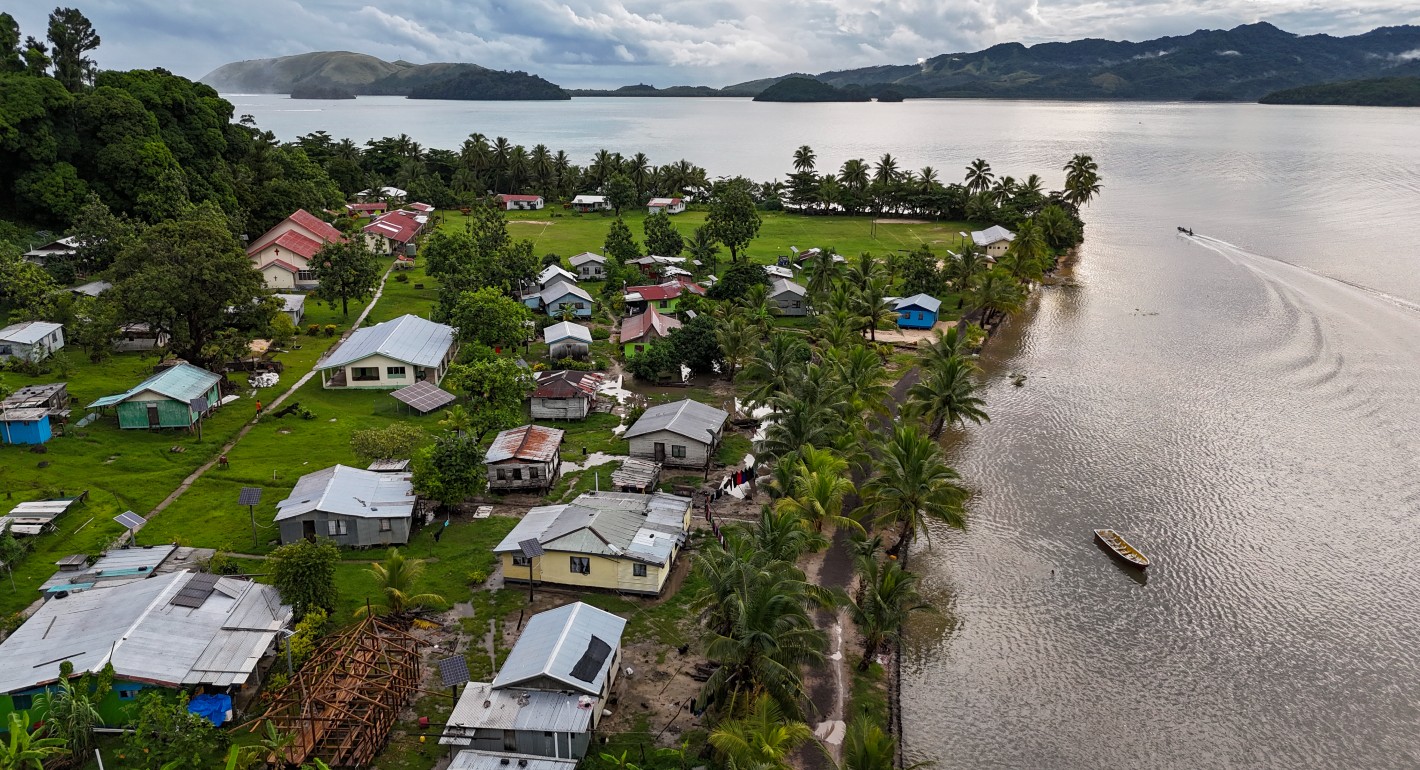
Climate mobility interventions can vary, but they all present opportunities to unlock transformative results that mitigate costs associated with inaction.

Alejandro Martin Rodriguez

Four Middle East experts analyze the region’s reactions and next steps.



Amr Hamzawy, Andrew Leber, Eric Lob, …
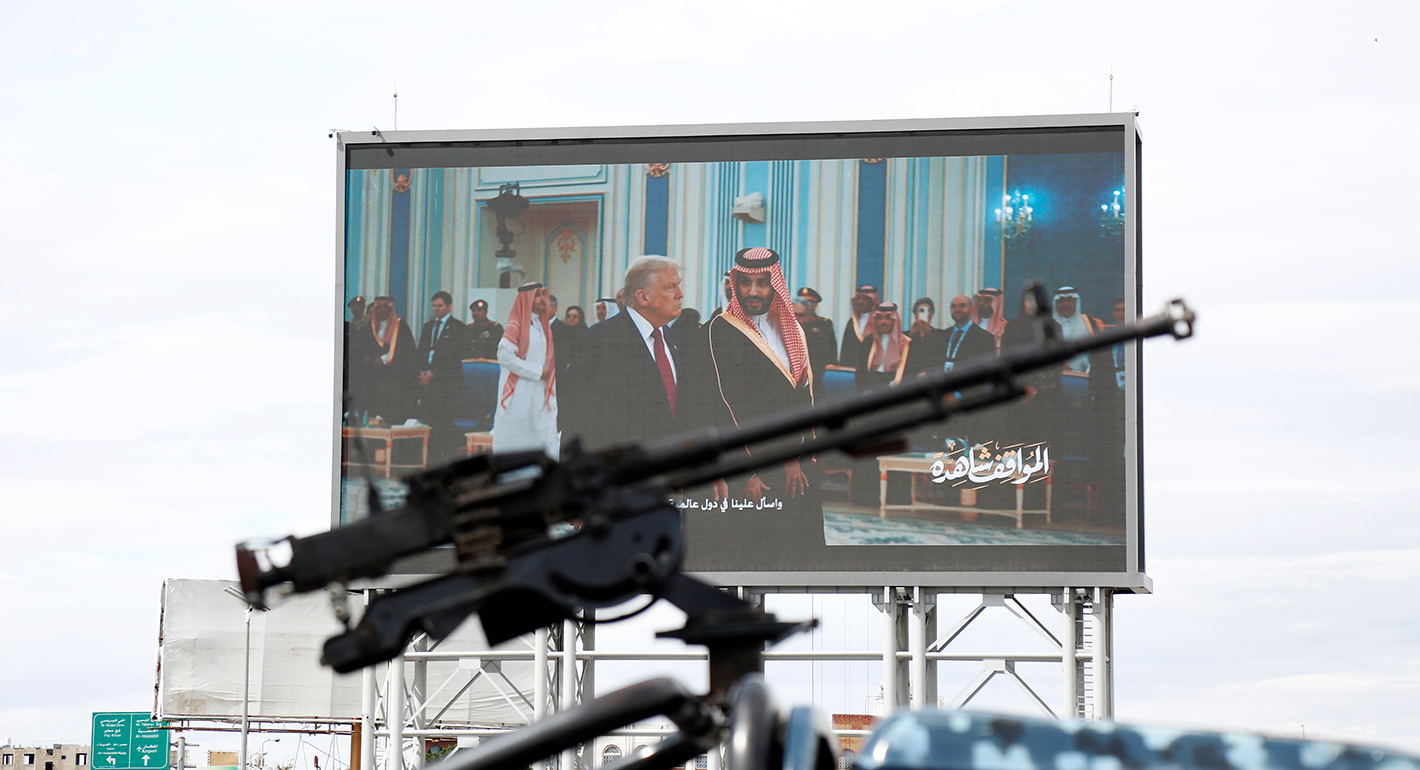
As the war between the United States, Israel, and Iran continues, Carnegie scholars contribute cutting-edge analysis on the events of the war and their wide-reaching implications. From the impact on Iran and its immediate neighbors to the responses from Gulf states to fuel and fertilizer shortages caused by the effective shutdown of the Strait of Hormuz, the war is reshaping Middle East alliances and creating shockwaves around the world. Carnegie experts analyze it all.
The return of war as the organizing factor in Middle Eastern politics has predictable consequences: governments are prioritizing regime stability and becoming averse to political and social reform.

Sarah Yerkes, Amr Hamzawy

Central Asia’s digital ambitions are achievable, but only if policy is aligned with the region’s physical constraints.

Aruzhan Meirkhanova