• Research
  • Emissary
  • About
  • Experts
Carnegie Global logoCarnegie lettermark logo
DemocracyIran
  • Donate
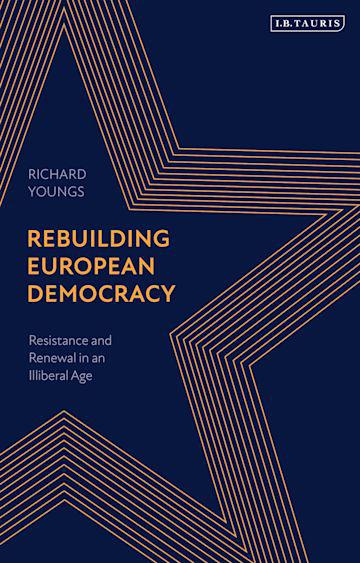
Rebuilding European Democracy: Resistance and Renewal in an Illiberal Age
Book
Carnegie Europe

Rebuilding European Democracy: Resistance and Renewal in an Illiberal Age

Despite serious concerns over the state of European democracy, a spirit of democratic resistance has gained significant traction. Still, to turn the tide decisively in democracy’s favor, more ambitious renewal will be needed.

Link Copied
By Richard Youngs
Published on Oct 7, 2021

Additional Links

Paperback - $26.89Hardback - $79.50
Program mobile hero image

Program

Democracy, Conflict, and Governance

The Democracy, Conflict, and Governance Program is a leading source of independent policy research, writing, and outreach on global democracy, conflict, and governance. It analyzes and seeks to improve international efforts to reduce democratic backsliding, mitigate conflict and violence, overcome political polarization, promote gender equality, and advance pro-democratic uses of new technologies.

Learn More

Source: Bloomsbury Publishing

In recent years serious concerns emerged over the state of European democracy. Many democracy indices are reporting a year-on-year drift towards less liberal politics in the countries of the European Union. The coronavirus pandemic has intensified these fears.

There is another side of the democratic equation, however. Rebuilding European Democracy: Resistance and Renewal in an Illiberal Age argues that governments, EU institutions, political parties, citizens, and civil society organizations have gradually begun to push back in defense of democracy and have developed responses to Europe’s democratic malaise at multiple levels. Europe’s democracy problems have been grave and far-reaching. Yet, a spirit of democratic resistance has slowly taken shape.

This book argues that the pro-democratic fightback may be belated, but it is real and has assumed significant traction with various types of democratic reform underway, including citizen initiatives, political-party changes, digital activism, and EU-level responses.

About the Author

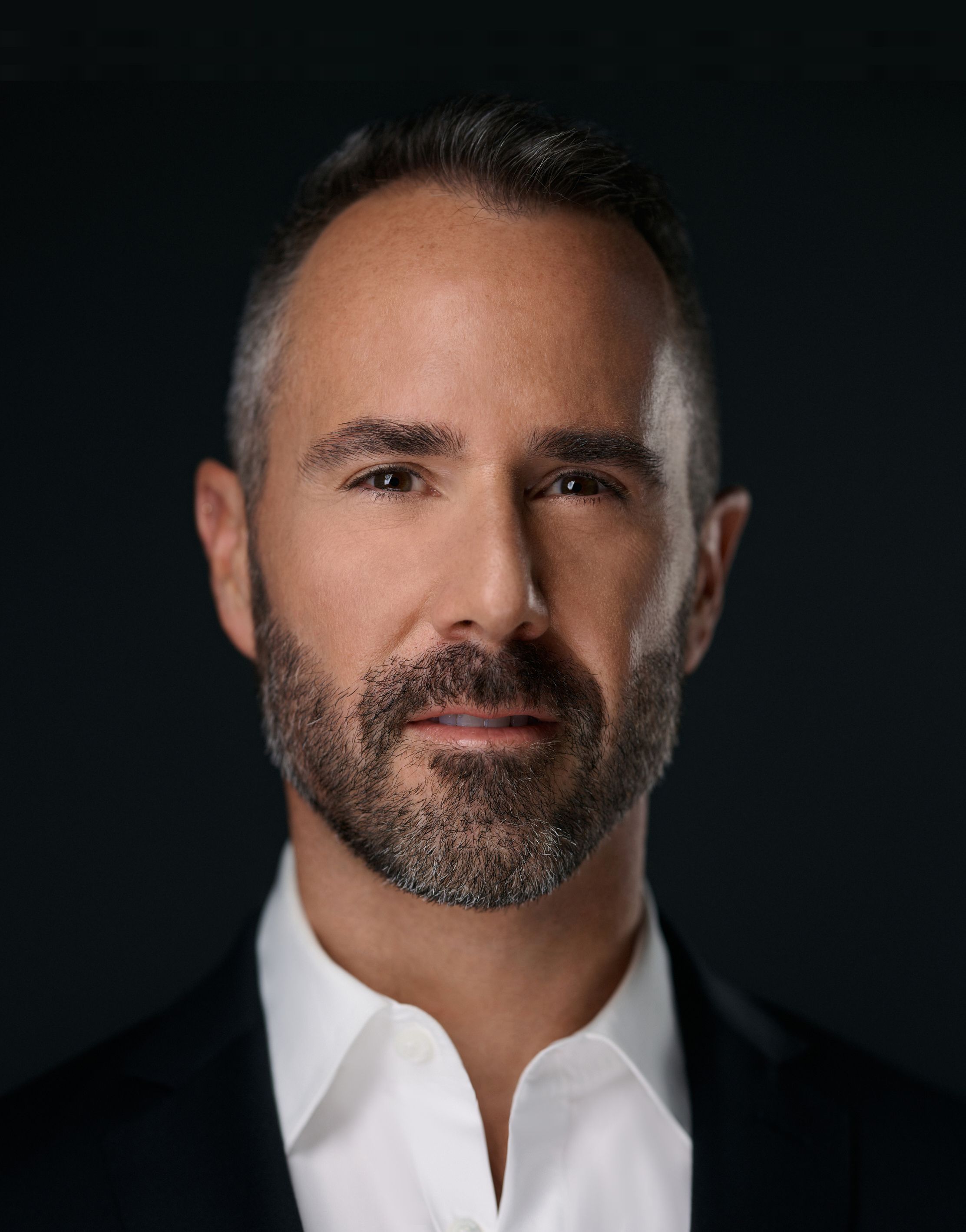
Richard Youngs

Senior Fellow, Democracy, Conflict, and Governance Program

Richard Youngs is a senior fellow in the Democracy, Conflict, and Governance Program, based at Carnegie Europe. He works on EU foreign policy and on issues of international democracy.

    Recent Work

  • Commentary
    The EU Needs a Third Way in Iran

      Richard Youngs

  • Paper
    European Democracy Support Annual Review 2025
      • Elena-Viudes-Egea
      • +6

      Richard Youngs, ed., Elena Viudes Egea, Zselyke Csaky, …

Richard Youngs
Senior Fellow, Democracy, Conflict, and Governance Program
Richard Youngs
Eastern EuropeWestern EuropeDemocracy

Carnegie does not take institutional positions on public policy issues; the views represented herein are those of the author(s) and do not necessarily reflect the views of Carnegie, its staff, or its trustees.

More Work from Carnegie Endowment for International Peace

  • A person faces away from the camera wearing a yellow jacket with "PRESS" printed across the back
    Paper
    The Impact of Ending U.S. International Media Assistance

    The future looks bleak for independent media worldwide, but there is a robust infrastructure of knowledge, organizations, and people to build upon.

      Daniel Sabet, Susan Abbott

  • Hundreds of members and supporters of the ruling Party of Action and Solidarity (PAS) join Prime Minister Dorin Recean during a pro-EU rally on the final day of the electoral campaign in Chisinau, Moldova, on September 26, 2025.
    Paper
    Alarm or Caution? Defending Democracy During Backsliding

    Defenders of democracy often split over perceptions, methods, urgency levels, and priorities.

      • Murat Somer

      Murat Somer, Jennifer McCoy

  • Ukraine's President Volodymyr Zelensky (R) and Poland's Prime Minister Donald Tusk attend a press conference at the Mariinskyi Palace in Kyiv on February 5, 2026, amid the Russian invasion of Ukraine.
    Article
    Kindred Nations, Uneasy Neighbors: Polish-Ukrainian Relations in the Crucible of Russia’s War

    The full-scale invasion cemented Ukraine’s determination to sever its ties with Russia; reimagining the Poland-Ukraine partnership can accelerate Kyiv’s westward alignment and improve the security of both countries.

      Eric Green

  • The tops of people's heads. Raised above their heads are "No Kings" signs, an upside-down American flag, and a rainbow flag.
    Commentary
    Emissary
    Protests Like No Kings Can Only Go So Far to Stem Authoritarianism

    Lessons from other backsliding democracies show that mass mobilization needs to feed into an electoral strategy. 

      Saskia Brechenmacher, Shreya Joshi

  • Commentary
    Strategic Europe
    Win or Lose, Orbán Has Broken Hungary’s Democracy

    Hungarians head to the polls on April 12 for an election of national and European consequence. Three different outcomes are on the cards, each with their own implications for the EU.

      Zsuzsanna Szelényi

Get more news and analysis from
Carnegie Endowment for International Peace
Carnegie global logo, stacked
1779 Massachusetts Avenue NWWashington, DC, 20036-2103Phone: 202 483 7600Fax: 202 483 1840
  • Research
  • Emissary
  • About
  • Experts
  • Donate
  • Programs
  • Events
  • Blogs
  • Podcasts
  • Contact
  • Annual Reports
  • Careers
  • Privacy
  • For Media
  • Government Resources
Get more news and analysis from
Carnegie Endowment for International Peace
© 2026 Carnegie Endowment for International Peace. All rights reserved.