

Article
Tristan Volpe
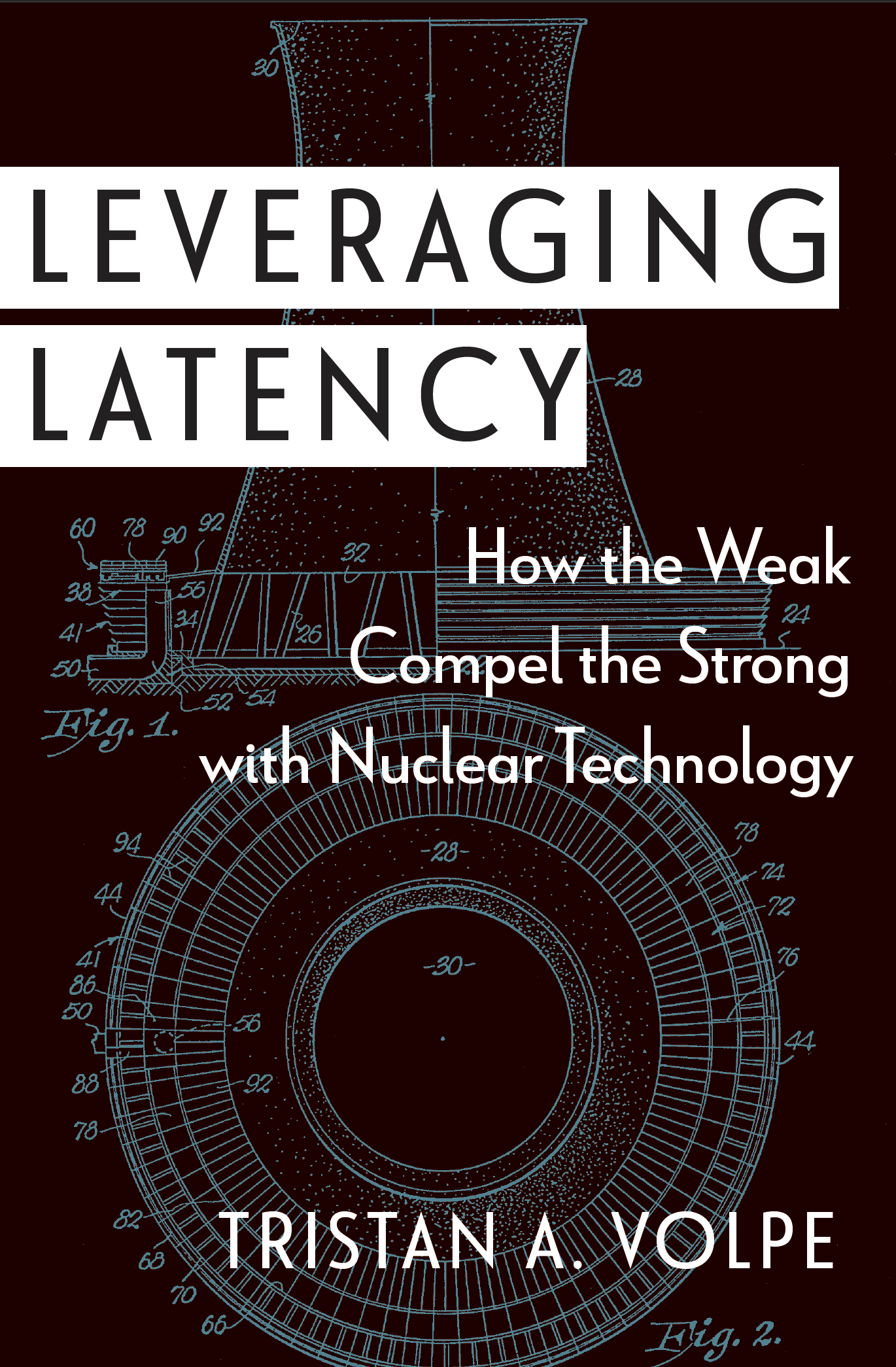
Over the last seven decades, some states successfully leveraged the threat of acquiring atomic weapons to compel concessions from superpowers. For many others, however, this coercive gambit failed to work. When does nuclear latency—the technical capacity to build the bomb—enable states to pursue effective coercion?

Former Nonresident Fellow, Nuclear Policy Program
Tristan Volpe was a nonresident fellow at the Carnegie Endowment for International Peace and assistant professor of defense analysis at the Naval Postgraduate School.
Recent Work


Joseph Bahout, Perry Cammack, David Livingston, …
Carnegie does not take institutional positions on public policy issues; the views represented herein are those of the author(s) and do not necessarily reflect the views of Carnegie, its staff, or its trustees.

Congress should ask tough questions about the agreement’s more unique features and whether they advance U.S. interests or compromise them.

Jane Darby Menton
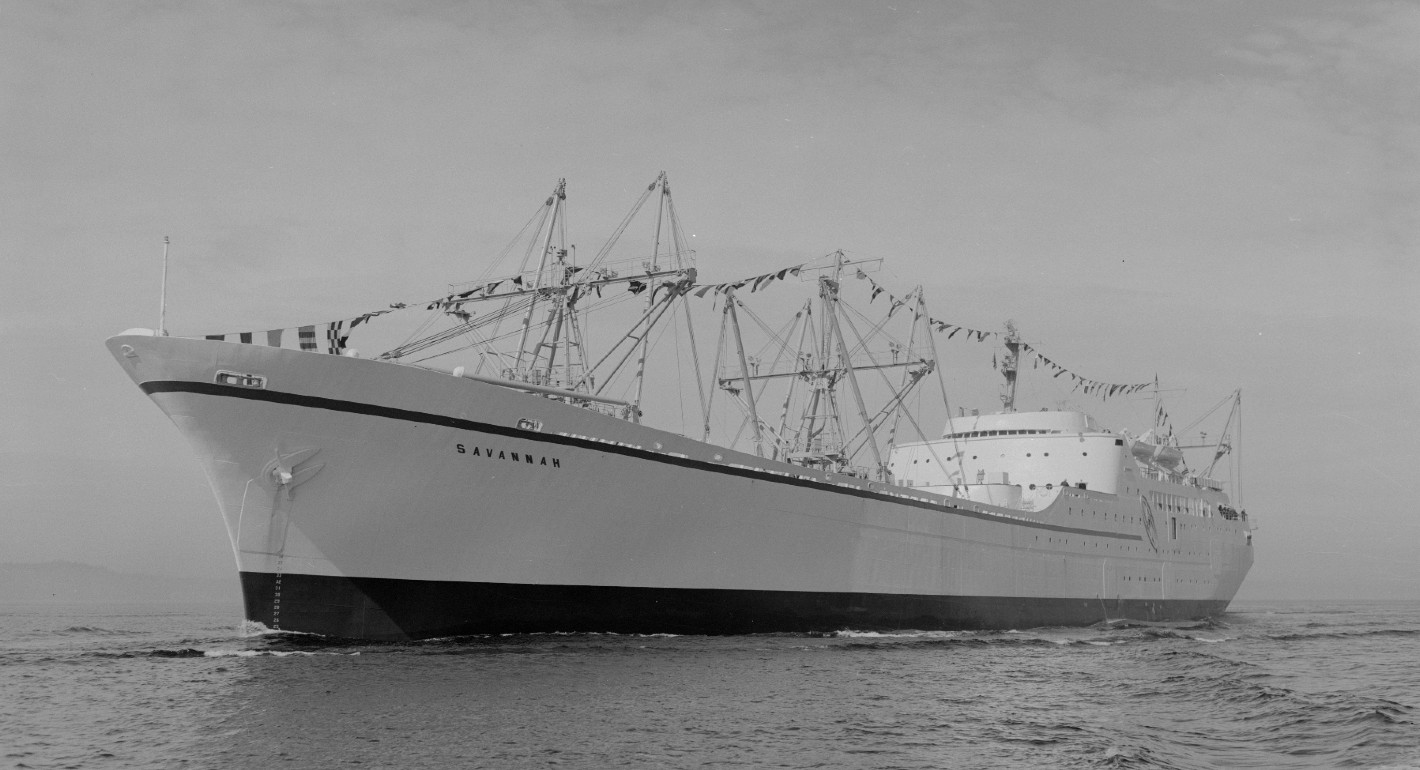
Nuclear and maritime communities face a long and challenging journey to deploy commercial nuclear applications at sea.


Jamie Kwong, Toby Dalton

A look at how public opinion influences the credibility of coercive nuclear threats,and how it enables and constrains strategies of nuclear coercion.

Lauren Sukin, Samuel Seitz
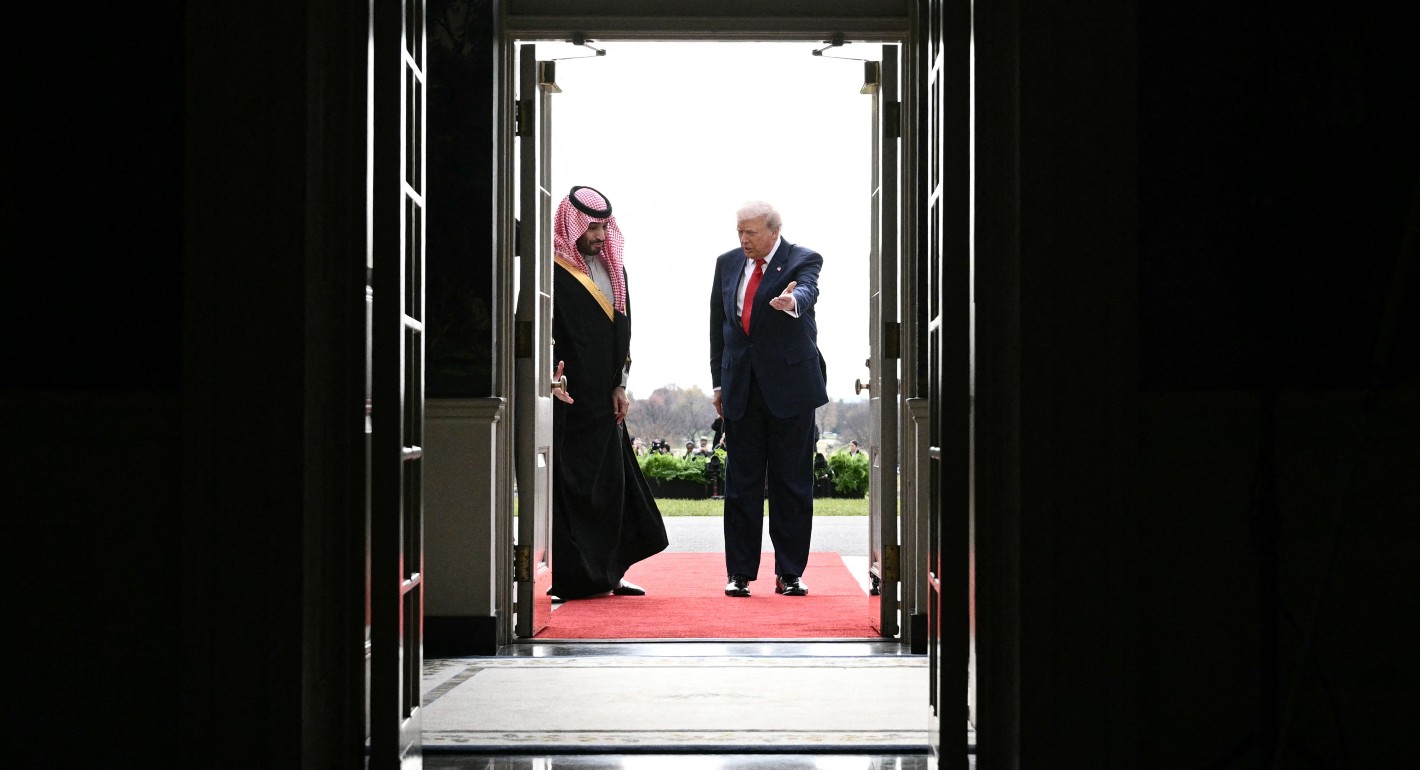
Despite the agreement’s uncertainty, it’s still a significant development in regional and nuclear policy.

Andrew Leber, Jane Darby Menton
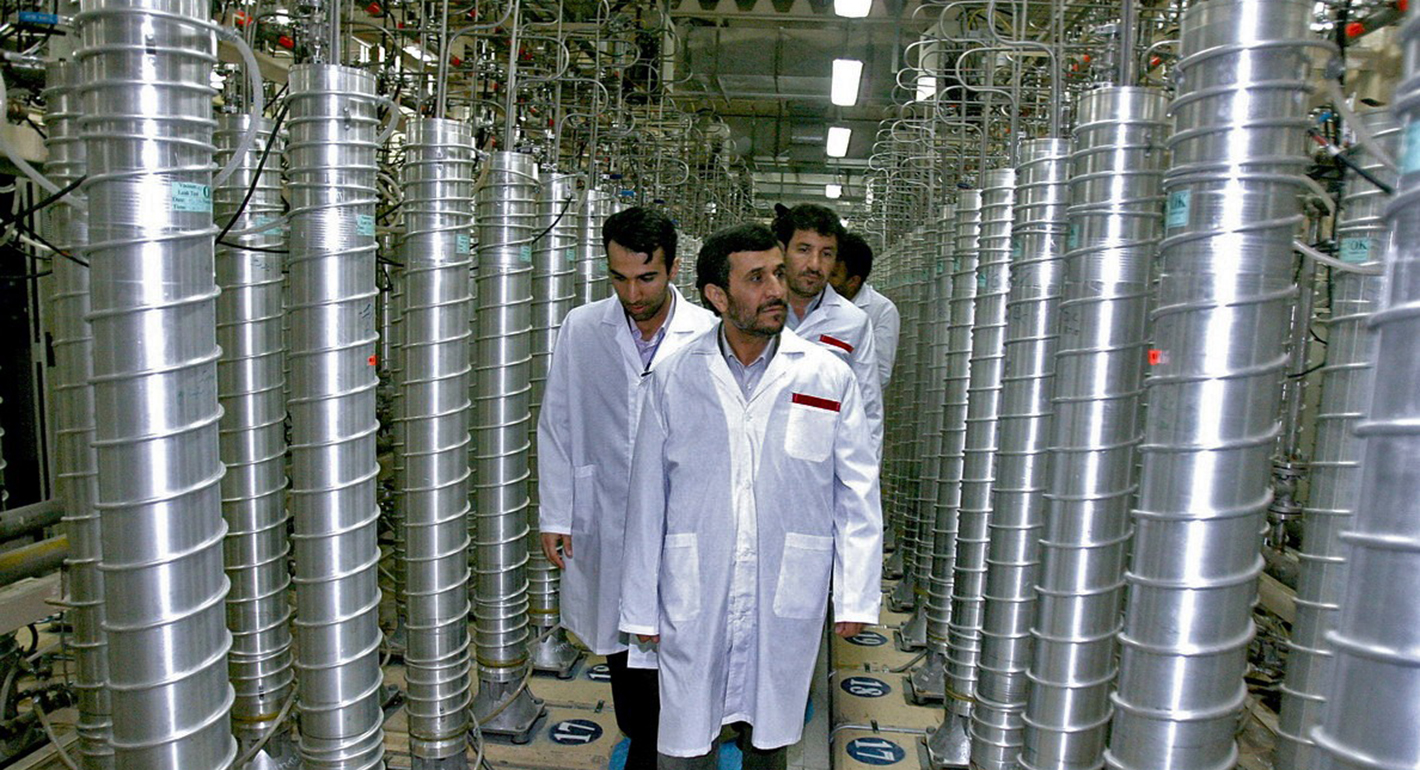
The nuclear weapons threshold is increasingly important for proliferation strategy and policy. Policymakers should better understand the implications of the threshold phenomenon in the current international security environment and plausible strategies to deal with the growing challenge that it presents.

Ariel (Eli) Levite, Toby Dalton