

Paper
Sarah Yerkes, Natalie Triche, Amr Hamzawy
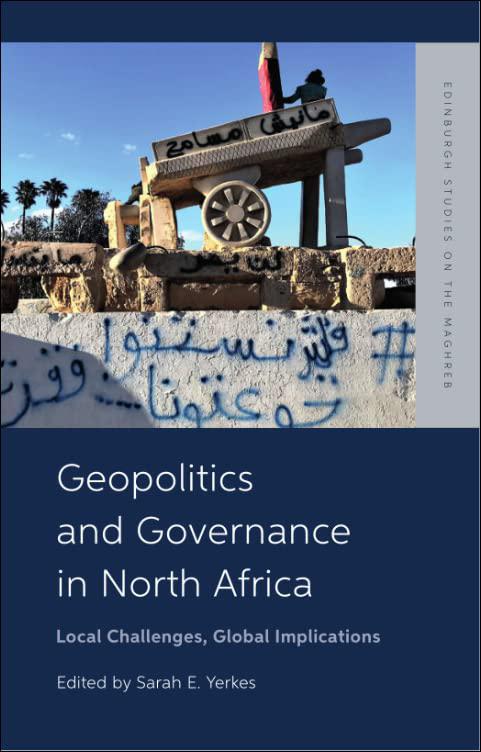
North Africa, sometimes considered a backwater within a broader Middle East context, is actually the leading edge of change for the region and deserving of far more attention from the international community.
Source: Edinburgh University Press
North Africa was once on the geopolitical periphery of Middle East dynamics, but it has increasingly come to shape regional trends. In addition to internal political and economic transformations that were accelerated by the protests of 2011 and that have upended or reshaped the lives of millions of the region’s inhabitants, the region is also contending with a range of external challenges. These include the COVID-19 pandemic and its associated economic transformation, changing market dynamics including energy markets, the growing presence of new regional actors like Russia and China, and the changing role of traditional allies such as the European Union, Gulf Cooperation Council countries, and the United States. These dynamics are compounded by other natural and man-made climate changes and demographic changes that worsen them.
This volume shows why North Africa, sometimes considered a backwater within a broader Middle East context, actually is the leading edge of change for the region and deserving of far more attention from the international community. North African countries are facing a dizzying array of challenges related to domestic and global trends—political transformation either recent or underway, economic stagnation now worsened by the pandemic, social challenges associated with a frustrated young population—are giving the region more geopolitical relevance with implications for the broader Middle East, Europe, and sub-Saharan Africa.
“Yerkes and her contributors present a sobering assessment of the challenges confronting governments and societies in an understudied but vital region. Through sharp, insightful country studies, the authors highlight troubling economic, social and climate conditions that governments have shown little capacity to manage, even while persistent geopolitical fissures strain weak institutions. This book makes a compelling case for greater engagement with North Africa and underscores the risks of further neglect.”
—Steven Heydemann, Smith College

Acting Co-Director and Senior Fellow, Middle East Program
Sarah Yerkes is acting co-director and a senior fellow in the Middle East Program at the Carnegie Endowment for International Peace. Her research focuses on democracy and governance, U.S. foreign policy towards the Middle East and North Africa, and political and economic reform in Tunisia.
Recent Work

Sarah Yerkes, Natalie Triche, Amr Hamzawy
Carnegie does not take institutional positions on public policy issues; the views represented herein are those of the author(s) and do not necessarily reflect the views of Carnegie, its staff, or its trustees.

China’s political future will be shaped between now and next October. As the Communist Party enters its intense “campaign season” to prepare for a major political transition in 2027, reading Beijing's actions and responses may become more difficult as domestic politics weigh on its behavior more than usual.

Damien Ma

The EU can impose sanctions but struggles to enforce them without the United States. With Washington increasingly disinterested in backing European interests, the bloc must now fend for itself.


Nicu Popescu, Tiago Antunes
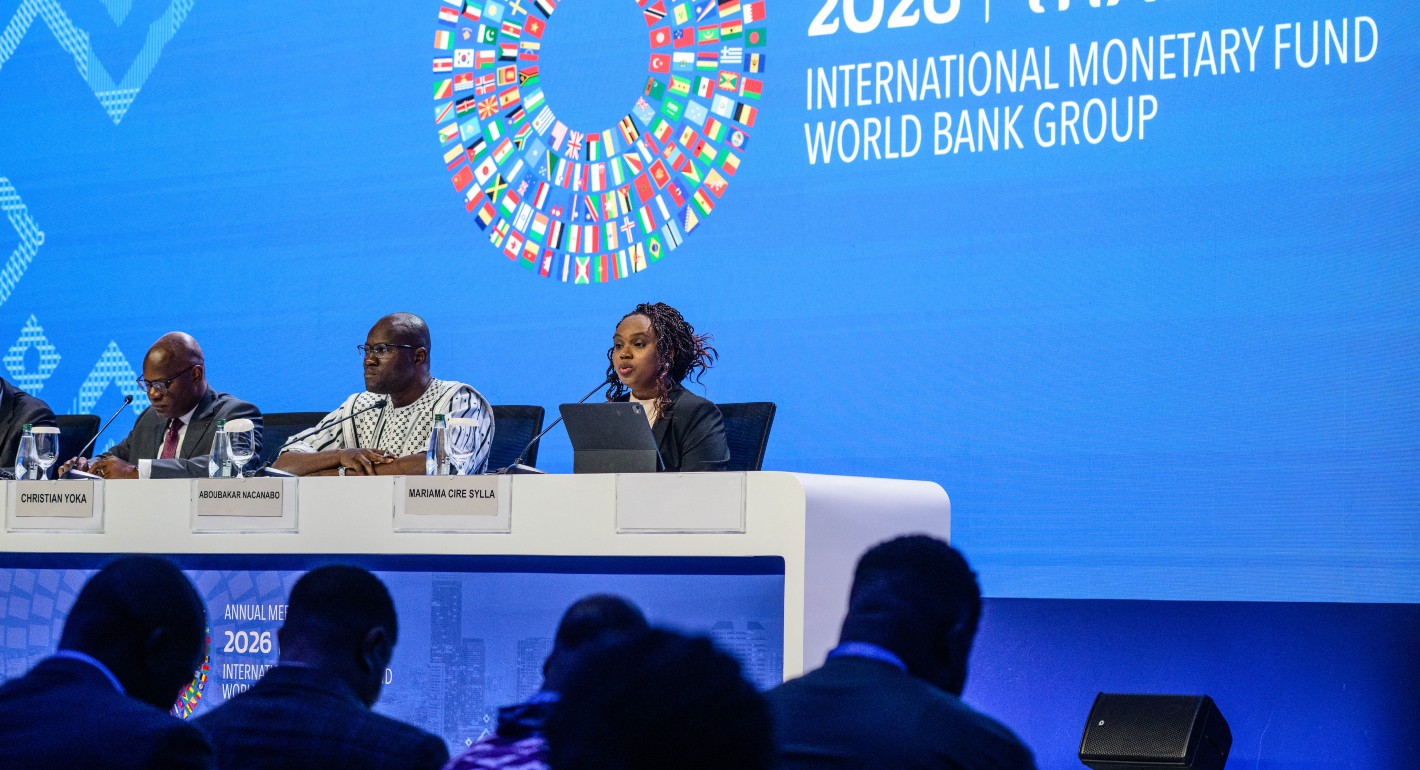
Global and rising powers will need to engage with Africa’s priorities and agency in order to secure the continent’s increasingly attractive partnerships.

Fonteh Akum
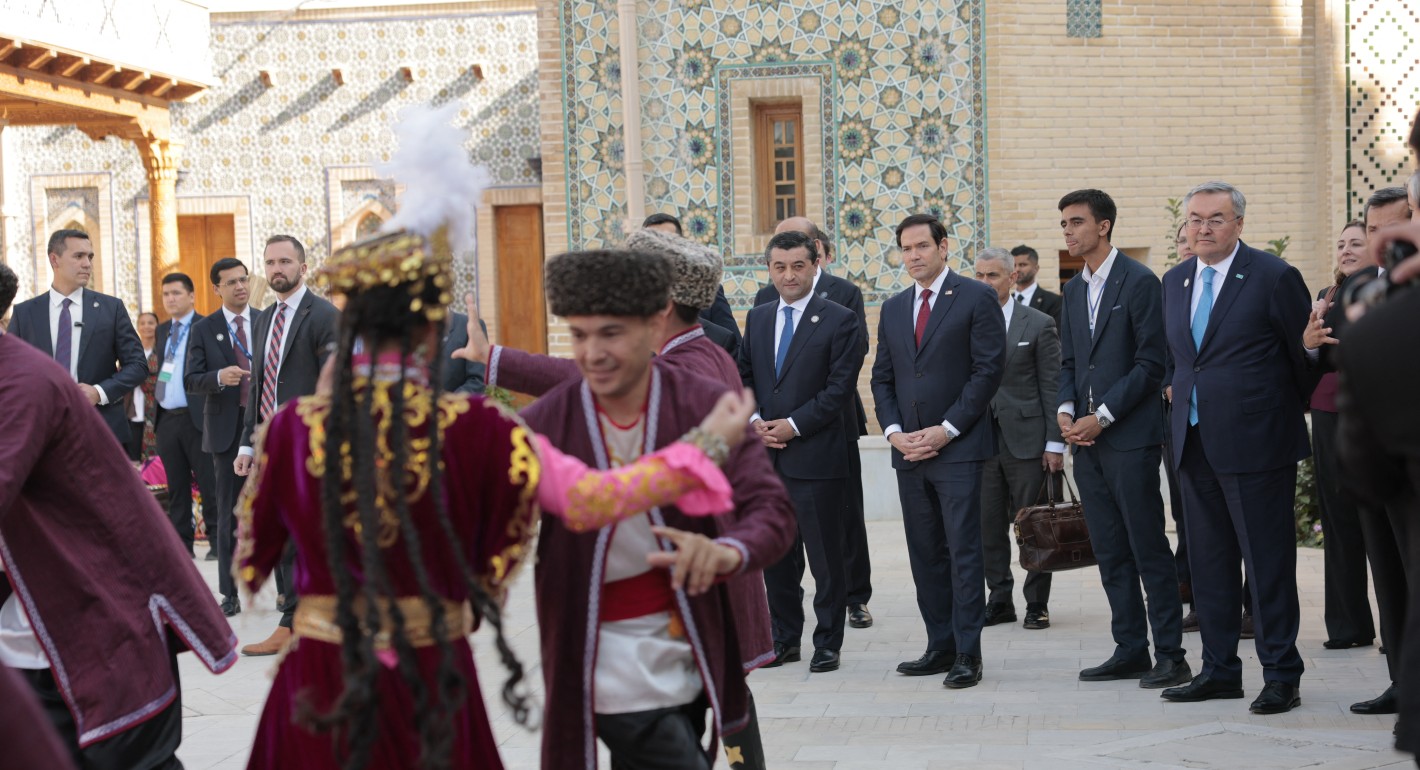
Rubio’s recent visit brought welcome attention, but more capital requires governance changes that may be a hard sell for regional governments.

Jennifer B. Murtazashvili

America’s foreign-policy objectives have grown more demanding while Americans have demanded greater focus on their own affairs.

Stephen Wertheim