

Article
Dan Baer
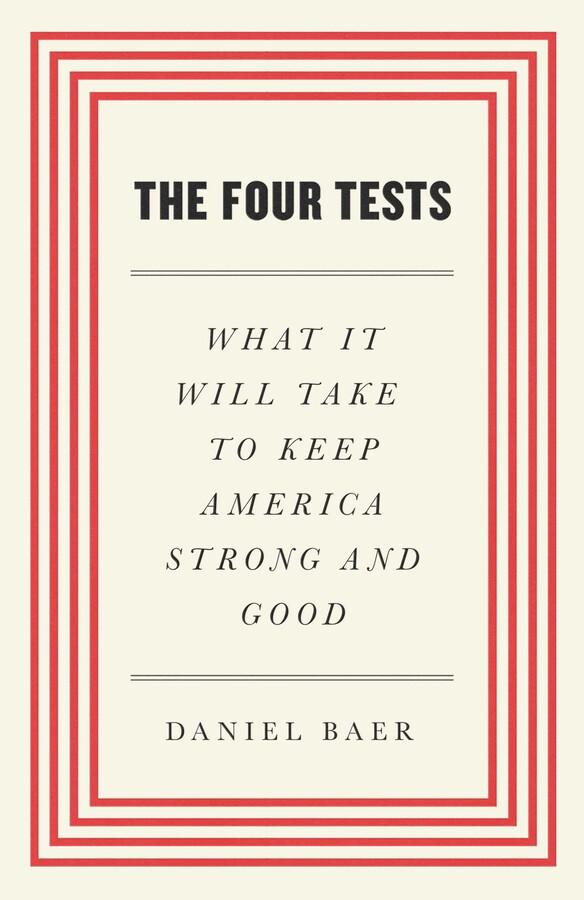
An authoritative, illuminating, and ultimately optimistic look at America’s future and the “tests” the United States must meet to maintain leadership and power in the 21st century—from the former U.S. Ambassador to the Organization for Security and Cooperation in Europe.
Source: Simon & Schuster
With today’s fraught global and political climate, American hegemony is over and the assumption that America maintains its dominant status in global politics is waning. The divisions between us, economic changes driven by globalization and technology, as well as climate change, pandemics, and the resurgence of authoritarianism, make it difficult to be optimistic about America’s future. But what if we use this moment as an opportunity to think about what might come next, and how to build what we need to succeed?
If we’re going to allow ourselves to diagnose a “polycrisis” then we should also admit the possibility of “polyprogress.” This book is a roadmap for those who want to take America’s challenges head on, and who hold on to the conviction that we can tackle them.
In The Four Tests, Baer argues that we are living through a transition moment and lays out the four tests we must meet:
While each test poses significant challenges, the US has advantages that some of our most vexing competitors lack. Meeting these tests demands changes in behavior and culture—from politicians, corporate leaders, and citizens. But if we meet these tests, then we can be confident of America’s future. The question is not whether we can succeed—but whether we will.
Straightforward and non-polemical, Baer’s pragmatic approach will provide fodder for discussion for Trump-supporting aunts and their Elizabeth Warren–stan nephews far beyond the beltway.
“Neither alarmist nor complacent . . . Against a confluence of negative megatrends, Baer’s tests of what he calls scale, investment, fairness, and identity don’t defy solution, but they resist easy ones. . . . Much to ponder in Baer’s lucidly argued platform.”
—Kirkus Reviews
“This is a book for those who still believe—in their fellow Americans, in our shared future, in what we can be and do together with patriotism, empathy, and hard work.”
—Hillary Rodham Clinton
“Daniel Baer has written a book that every American should read: The diagnostic manual for the engine of national strength. The Four Tests is an unflinching but hopeful manifesto for any citizen who wants to look clearly at ourselves and make practical choices for the future.”
—Evan Osnos, author of Wildland: The Making of America’s Fury
“America works when Americans put in the work. In The Four Tests, Daniel Baer puts forward an ambitious agenda for building an America that is stronger, healthier, and more united—agree or disagree, his ideas are worth engaging seriously. In a world where we face geopolitical threats from the likes of Xi, Putin, and Kim Jong Un, Baer makes a case for a new vision of American leadership.”
—Ben Sasse, author of Them: Why We Hate Each Other—and How to Heal
“Daniel Baer makes the very strong case that America can continue to compete and lead in this complex, challenging world—and that we can do so by committing anew to our people and our principles. The Four Tests is a must-read!”
—Penny Pritzker, former U.S. Secretary of Commerce
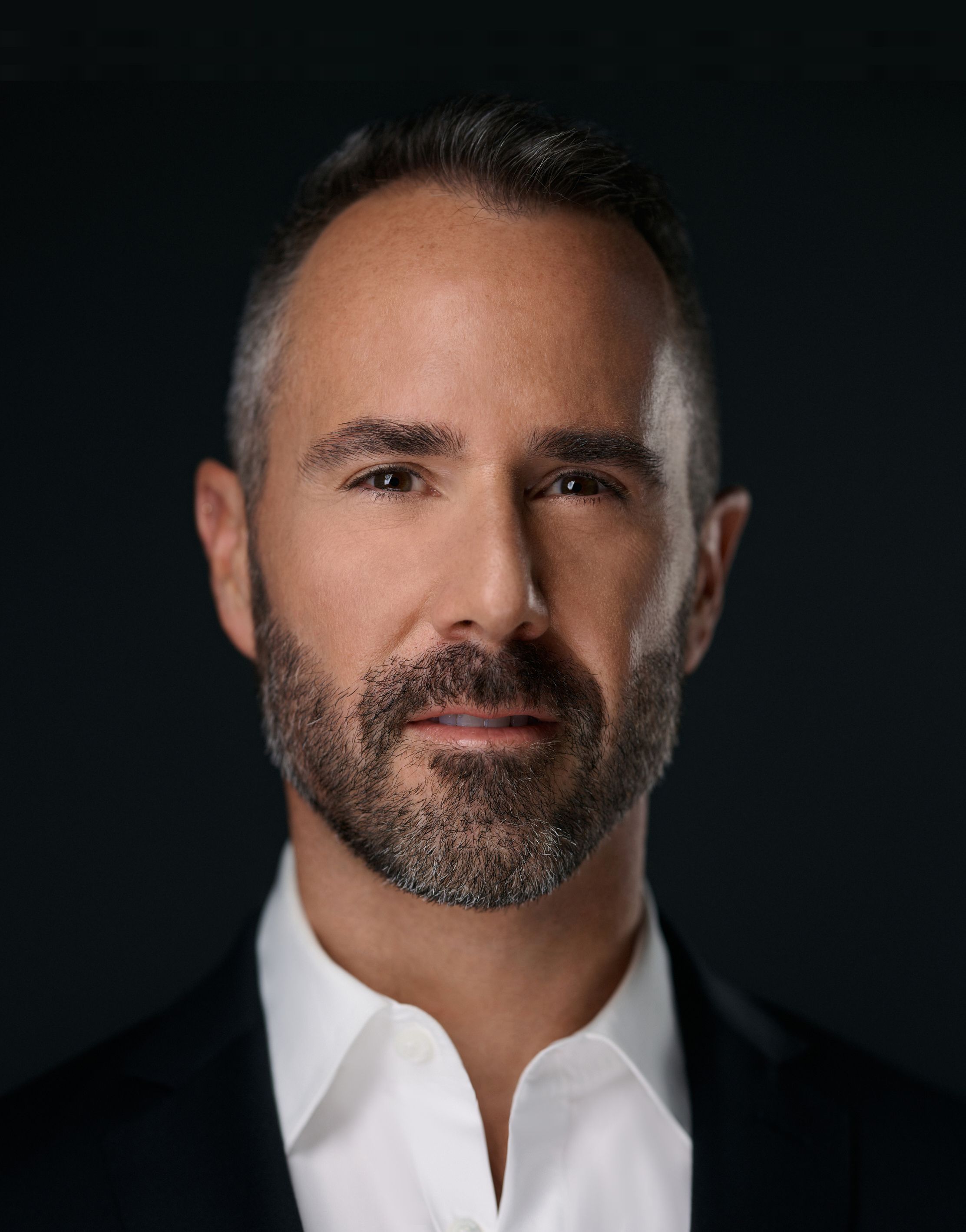
Senior Vice President; Director, Europe Program
Dan Baer is a senior vice president of the Carnegie Endowment for International Peace and director of the Europe Program. Under President Obama, he was U.S. ambassador to the Organization for Security and Cooperation in Europe (OSCE) and he also served deputy assistant secretary of state for the Bureau of Democracy, Human Rights, and Labor.
Recent Work


Richard Youngs, Erik Jones, Dan Baer, …
Carnegie does not take institutional positions on public policy issues; the views represented herein are those of the author(s) and do not necessarily reflect the views of Carnegie, its staff, or its trustees.

Fatima El Mansouri is the country’s first female prime minister. She’s also a privileged insider in a largely ceremonial position.

Sarah Yerkes

The acknowledgment has sparked fears of a new arms race with China and Russia.

Chris O’Meara

Smaller powers cannot go it alone, but Canadian history shows that integration with the United States will not always be benign.
Paul Samson
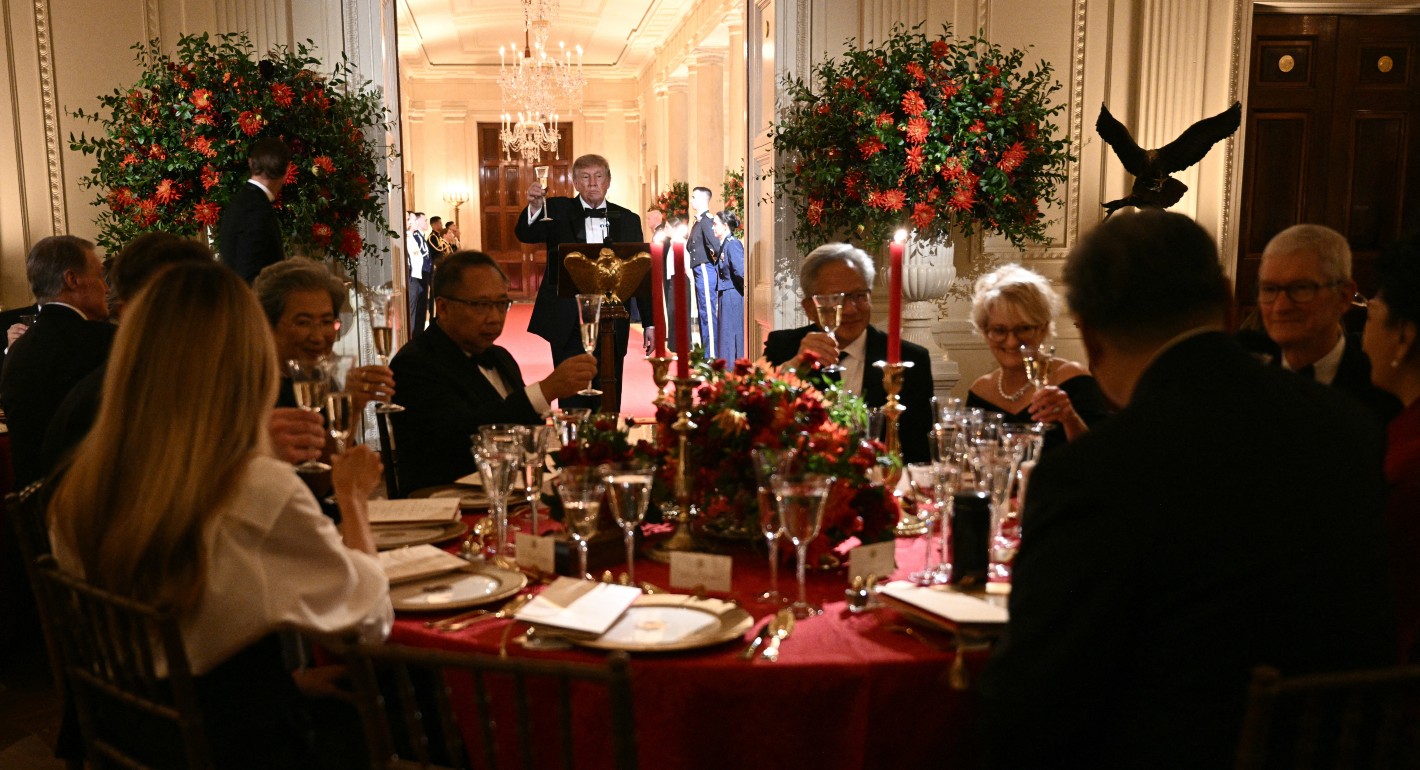
The summit may be remembered as a fatal blunder, when Washington, Beijing, and the AI industry collectively chose ceremony over action.

Jeffrey Prescott

European NATO countries are wrestling with the possibility of U.S. disengagement from the alliance. With the continent’s security increasingly uncertain, governments must restore the credibility of their collective defense.



Hans-Dieter Lucas, Adam Thomson, Pierre Vimont