


Having failed to build a team that he can fully trust or establish strong state institutions, Mirziyoyev has become reliant on his family.
Galiya Ibragimova
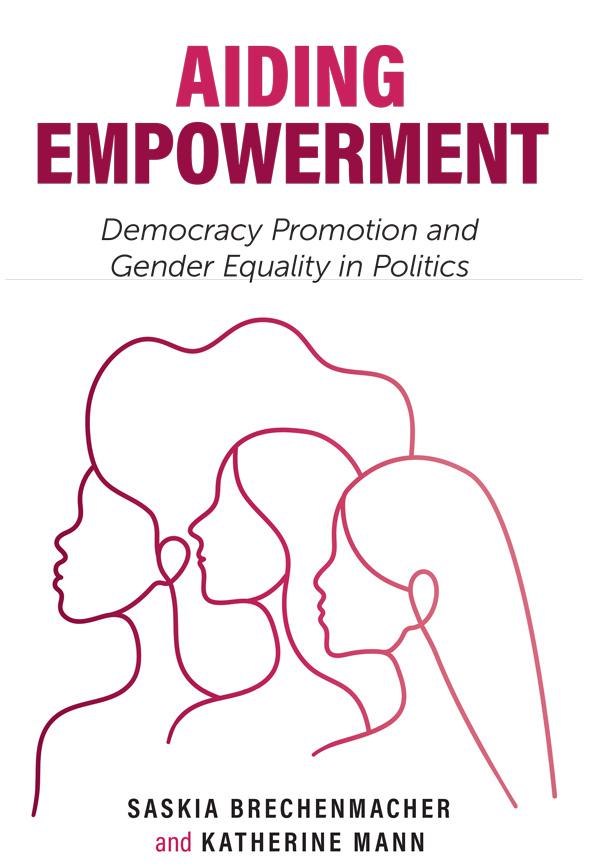
International assistance for women’s political empowerment has evolved significantly over the last three decades, from a first generation of aid programs aimed at integrating women into nascent democratic institutions to a second generation focused on transforming the broader political ecosystem.
Source: Oxford University Press
In recent decades, women’s political empowerment has become an important foreign policy and assistance objective. Every year, donor governments and multilateral organizations partner with hundreds of civil society groups around the world to train women to run for office, support women legislators, campaign for gender quotas, and bolster women’s networks in political parties and parliaments.
What ideas about gender, power, and political change guide these aid programs? What have practitioners and advocates learned about their strengths and weaknesses, and how might they improve their work going forward?
Drawing on extensive interviews with aid officials, women’s rights advocates, and women politicians in Western donor countries and across Kenya, Morocco, Myanmar, and Nepal, Aiding Empowerment investigates how democracy aid actors promote gender equality in politics. Saskia Brechenmacher and Katherine Mann argue that international assistance for women’s political empowerment has evolved significantly over the last three decades, from a first generation of aid programs aimed at integrating women into nascent democratic institutions to a second generation focused on transforming the broader political ecosystem hindering women’s equal political influence. However, this evolution is still unfolding, and changes in thinking have outstripped changes in aid practice. Several challenges threaten future progress, from the persistence of patriarchal norms to rising concerns about democratic erosion and backlash. In the face of these hurdles, the book presents practical recommendations for policymakers, practitioners, and advocates fighting for women’s political empowerment globally.
Carnegie does not take institutional positions on public policy issues; the views represented herein are those of the author(s) and do not necessarily reflect the views of Carnegie, its staff, or its trustees.
Having failed to build a team that he can fully trust or establish strong state institutions, Mirziyoyev has become reliant on his family.
Galiya Ibragimova
A prophetic Romanian novel about a town at the mouth of the Danube carries a warning: Europe decays when it stops looking outward. In a world of increasing insularity, the EU should heed its warning.
Thomas de Waal
For a real example of political forces engaged in the militarization of society, the Russian leadership might consider looking closer to home.
James D.J. Brown
What happens next can lessen the damage or compound it.
Mariano-Florentino (Tino) Cuéllar
The uprisings showed that foreign military intervention rarely produced democratic breakthroughs.
Amr Hamzawy, Sarah Yerkes