

Commentary
If the Russian-speaking community in Latvia cannot articulate their interests without being seen as disloyal, they could end up embracing a pro-Kremlin agenda.
Sergejs Potapkins

Interest in populist voters has risen with the election of Donald Trump in the United States, the rise of right-wing populist parties in Europe, and the longevity of populist leaders in countries like Italy, Hungary, Turkey, and Venezuela. Yet, little attention has been given to what mechanisms may affect populist attitudes, leaving us without recommendations for media or politicians on how to mitigate populism’s known negative effects.

Nonresident Scholar, Democracy, Conflict, and Governance Program
Jennifer McCoy is a nonresident scholar in the Democracy, Conflict, and Governance Program, where she focuses on political polarization and democratic resilience in the U.S. and around the world.
Clark Demasi
Levente Littvay
Carnegie does not take institutional positions on public policy issues; the views represented herein are those of the author(s) and do not necessarily reflect the views of Carnegie, its staff, or its trustees.

If the Russian-speaking community in Latvia cannot articulate their interests without being seen as disloyal, they could end up embracing a pro-Kremlin agenda.

Sergejs Potapkins

Washington’s decision to support some UN functions while letting others wither is pulling the organization apart at the seams.

Stewart Patrick, Theodore Zaritsky

Russia’s ruling party would have benefited from Putin appearing as its distant patron, but as an active frontman imposing his views on the public, he has done nothing but harm both the party’s election campaign and the ruling system overall.

Andrey Pertsev

The Bureau of Industry and Security needs to adjust its focus and practices to maintain its position as the U.S. government’s primary champion of international technological competition.

Geoffrey Irving
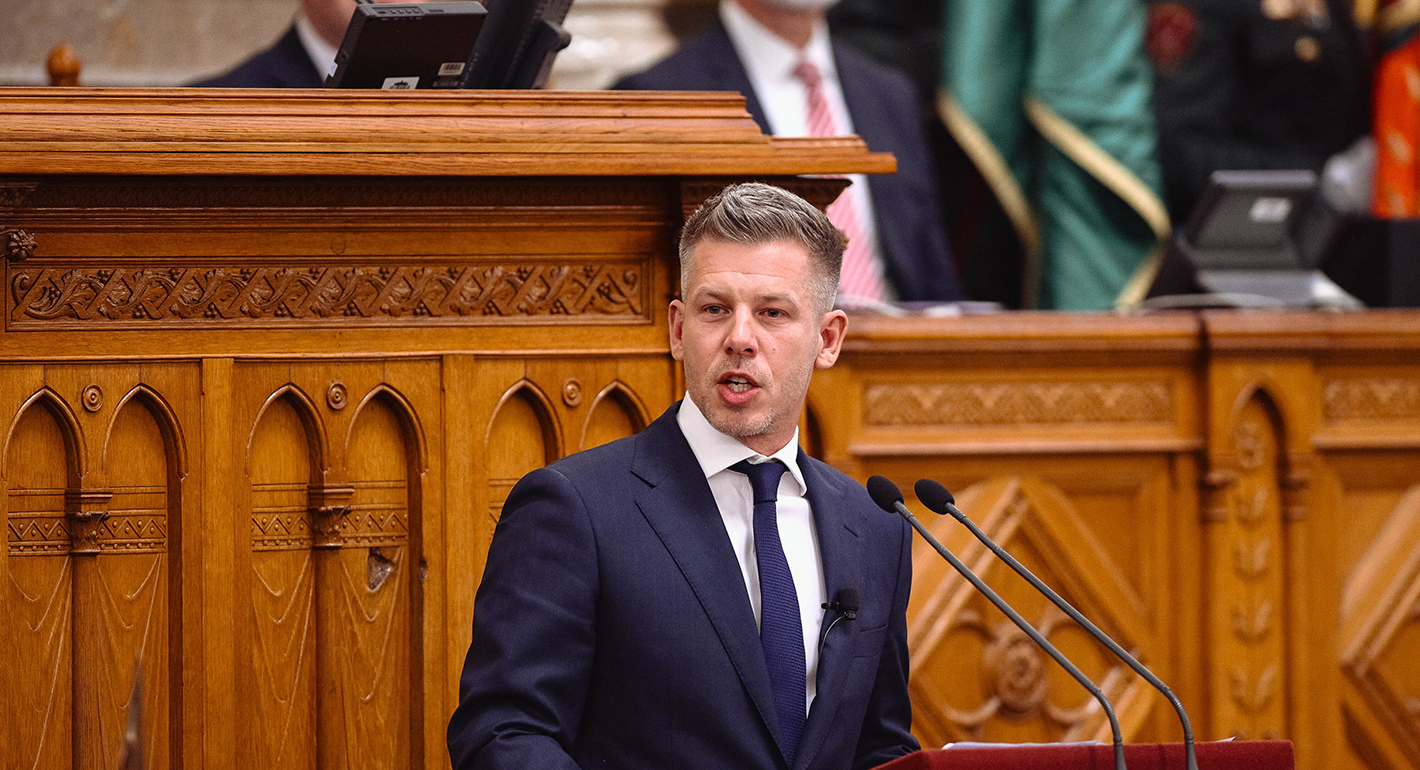
Despite myriad challenges and occasional stumbles, the new Hungarian government is moving ahead with energy and conviction to uproot years of illiberalism and corruption and rebuild Hungarian democracy.

Thomas Carothers