• Research
  • Emissary
  • About
  • Experts
Carnegie Global logoCarnegie lettermark logo
DemocracyIran
  • Donate
Affective Polarization and Democratic Backsliding
Research

Affective Polarization and Democratic Backsliding

Evidence is strong that affective polarization and democratic backsliding are interlinked phenomena.
Link Copied
By Jennifer McCoy and Murat Somer
Published on Oct 26, 2024
Program mobile hero image

Program

Democracy, Conflict, and Governance

The Democracy, Conflict, and Governance Program is a leading source of independent policy research, writing, and outreach on global democracy, conflict, and governance. It analyzes and seeks to improve international efforts to reduce democratic backsliding, mitigate conflict and violence, overcome political polarization, promote gender equality, and advance pro-democratic uses of new technologies.

Learn More
Read the Publication

About the Authors

Jennifer McCoy

Nonresident Scholar, Democracy, Conflict, and Governance Program

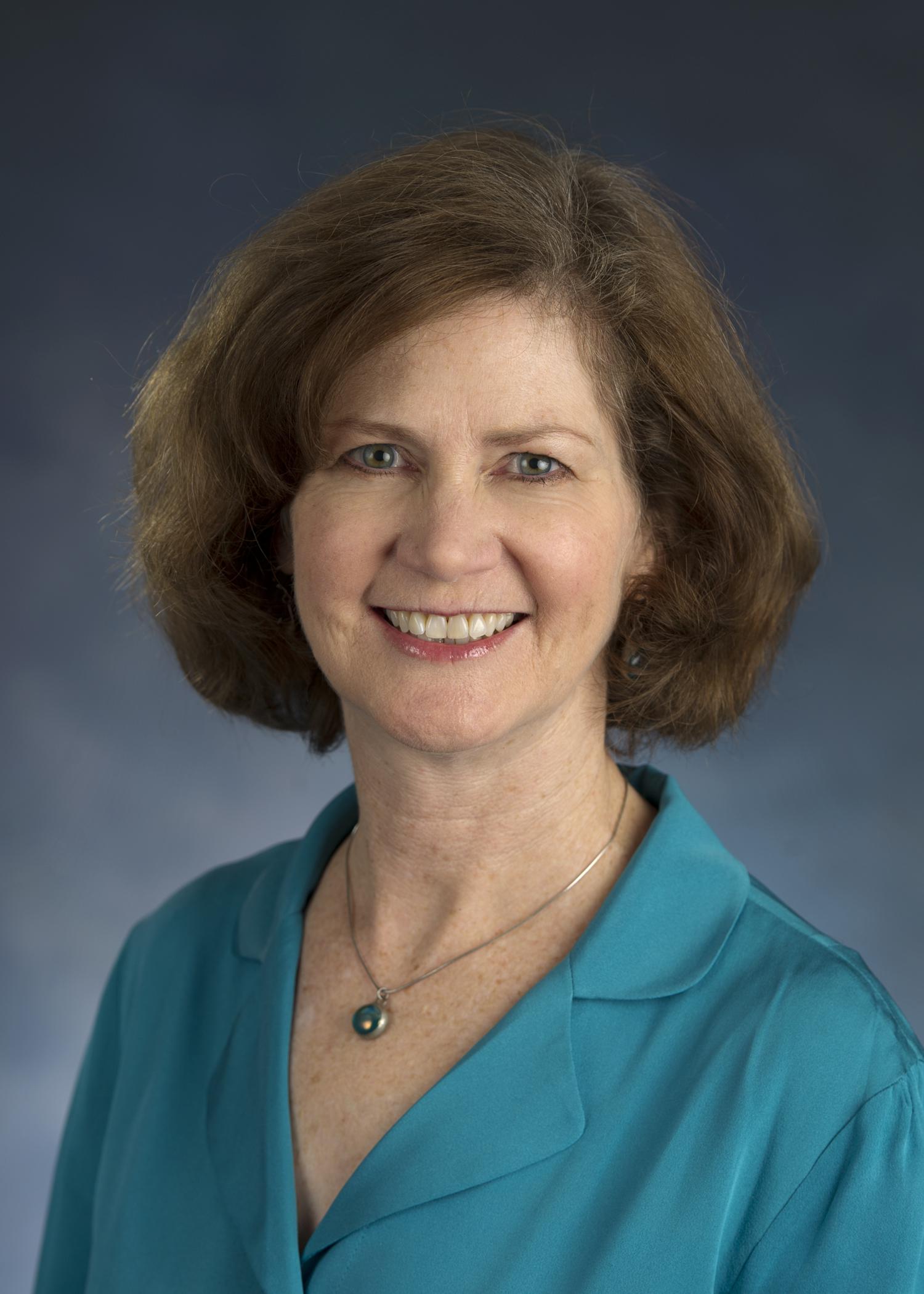
Jennifer McCoy is a nonresident scholar in the Democracy, Conflict, and Governance Program, where she focuses on political polarization and democratic resilience in the U.S. and around the world.
Murat Somer

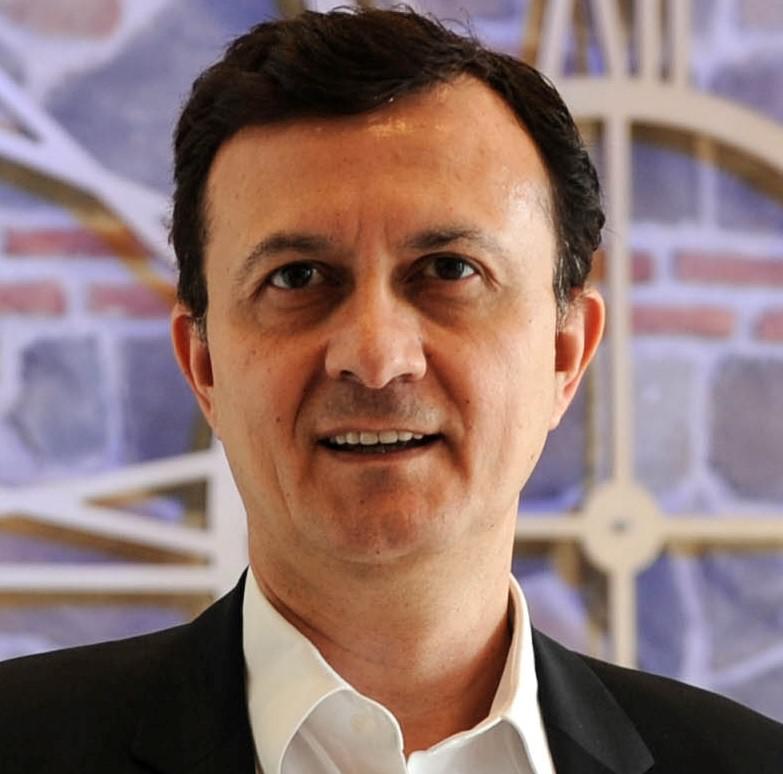
Murat Somer is a professor of political science at Koç University in Istanbul and an expert on political polarization, religious and secular politics, ethnic conflict, autocratization, and democratization in Turkey and around the world.

Authors

Jennifer McCoy
Nonresident Scholar, Democracy, Conflict, and Governance Program
Jennifer McCoy
Murat Somer

Murat Somer is a professor of political science at Koç University in Istanbul and an expert on political polarization, religious and secular politics, ethnic conflict, autocratization, and democratization in Turkey and around the world.

Murat Somer
Democracy

Carnegie does not take institutional positions on public policy issues; the views represented herein are those of the author(s) and do not necessarily reflect the views of Carnegie, its staff, or its trustees.
More Work from Carnegie Endowment for International Peace

  • two men sitting next to each other
    Commentary
    Emissary
    Senegal’s Debt Crisis Has Moved Its Leaders from Partners to Rivals

    The impacts of the Faye-Sonko rupture could go well beyond the country’s borders.

      • Dr. Lesley Anne Warner

      Lesley Anne Warner

  • Participants in the 4th Meeting 'In Defense of Democracy' | Pool Moncloa/Fernando Calvo
    Paper
    Post-U.S. International Democracy Support: Aspiration in Search of Substance

    The reinvention of democracy support needs to be carried forward without the clear leadership of one dominant player.

      Richard Youngs, Thomas Carothers

  • Viktor Orban, Prime Minister of Hungary, speaks during a campaign rally of the governing Fidesz Party in Pecel, Hungary, on March 28. The rally is part of the Prime Minister's nationwide campaign trail before the Hungarian General Election scheduled for April 12.
    Paper
    Orbán, Fidesz, and Hungary’s Populist Foreign Policy

    Hungary under Viktor Orbán deployed right-wing populism as a foreign policy strategy, embedding the country in a web of illiberal transnational networks whose legacy will endure even after his April 2026 electoral defeat.

      Zsuzsanna Végh

  • Commentary
    Strategic Europe
    Taking the Pulse: Are Western Democracies Failing Free Speech?

    The battle over free speech has taken center stage since U.S. Vice President JD Vance accused Europe of censorship. From travel bans to social media regulation, especially around the Israel-Palestine conflict, are liberal democratic governments weaponizing free speech?

      • Rym Momtaz

      Rym Momtaz, ed.

  • Capitol Police and MPD used physical force and tear gas to force the Trump supporters further away from the U.S Capitol, on January 06, 2021 in Washington, DC.
    Commentary
    Political Violence in the U.S.

    What is political violence and what works to reduce it.

      Political Violence Researchers, Rachel Kleinfeld, ed., Dalya Berkowitz, ed.

Get more news and analysis from
Carnegie Endowment for International Peace
Carnegie global logo, stacked
1779 Massachusetts Avenue NWWashington, DC, 20036-2103Phone: 202 483 7600
  • Research
  • Emissary
  • About
  • Experts
  • Donate
  • Programs
  • Events
  • Blogs
  • Podcasts
  • Contact
  • Annual Reports
  • Careers
  • Privacy
  • For Media
  • Government Resources
Get more news and analysis from
Carnegie Endowment for International Peace
© 2026 Carnegie Endowment for International Peace. All rights reserved.