• Research
  • Emissary
  • About
  • Experts
Carnegie Global logoCarnegie lettermark logo
Democracy
  • Donate
Reintegrating Iraqis Returning Home After Conflict: Lessons from Variation Between Four Communities
Research

Reintegrating Iraqis Returning Home After Conflict: Lessons from Variation Between Four Communities

Return policies and reintegration programming must consider the specificities of local communities and their internal dynamics.
Link Copied
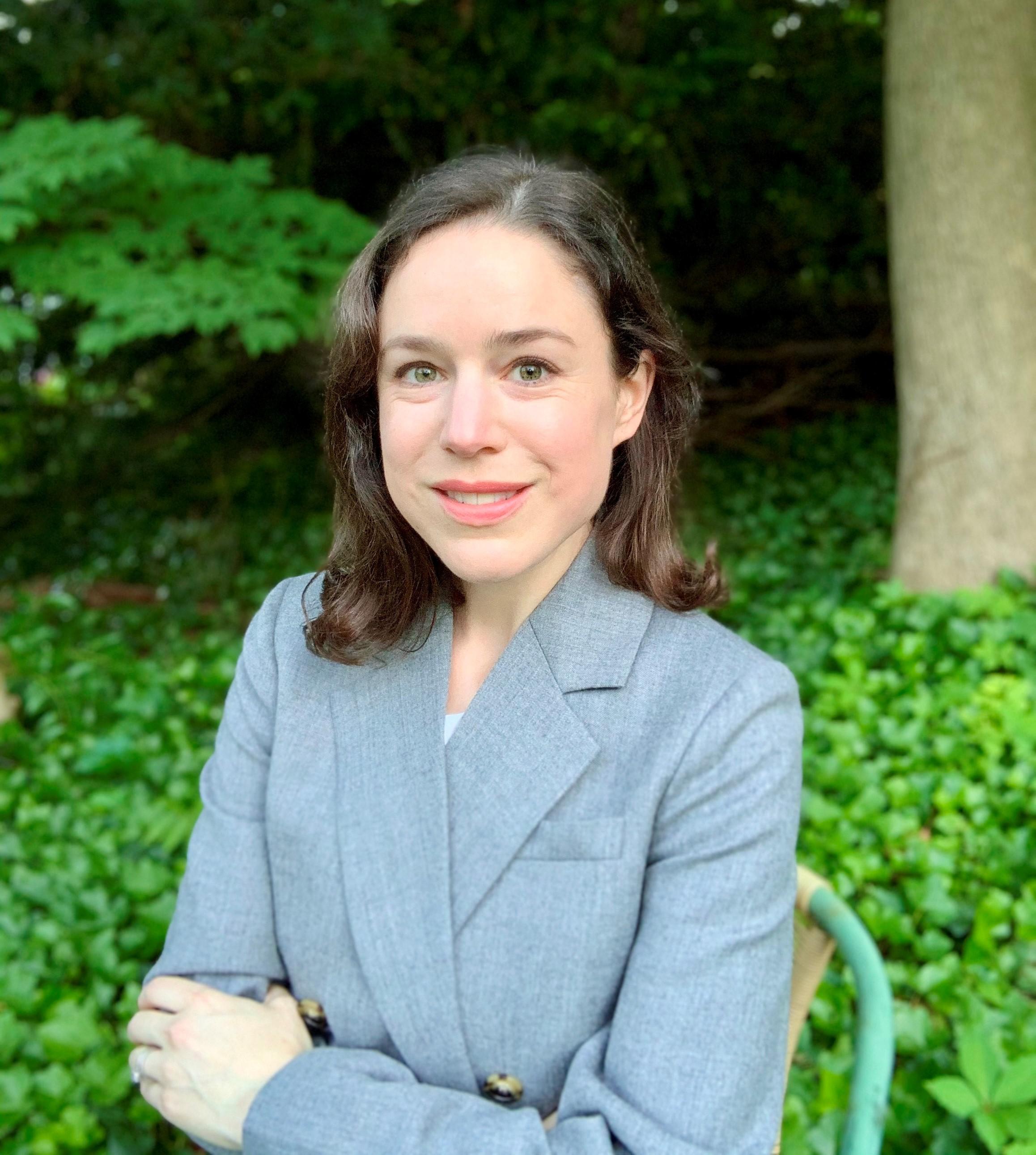
By Mara Revkin, Benjamin Krick, Raed Aldulaimi
Published on Jan 8, 2025
Program mobile hero image

Program

Democracy, Conflict, and Governance

The Democracy, Conflict, and Governance Program is a leading source of independent policy research, writing, and outreach on global democracy, conflict, and governance. It analyzes and seeks to improve international efforts to reduce democratic backsliding, mitigate conflict and violence, overcome political polarization, promote gender equality, and advance pro-democratic uses of new technologies.

Learn More
Read the Publication

Authors

Mara Revkin
Nonresident Scholar, Democracy, Conflict, and Governance Program
Mara Revkin
Benjamin Krick
Raed Aldulaimi
IraqMiddle East

Carnegie does not take institutional positions on public policy issues; the views represented herein are those of the author(s) and do not necessarily reflect the views of Carnegie, its staff, or its trustees.
More Work from Carnegie Endowment for International Peace

  • BAGHDAD, IRAQ - OCTOBER 30: Turkish Trade Minister Omer Bolat (2nd L) and Iraqi Trade Minister Etir Davud Selman al-Greyri (3rd R) sign the JETCO 2nd Term Protocol and the Memorandum of Understanding on Cooperation in the Field of Exhibition Services during The 2nd Session Meeting of the Joint Economic and Trade Committee (JETCO), held to develop commercial and economic relations between Turkiye and Iraq in Iraq's Baghdad on October 30, 2025.
    Article
    The Evolving Middle Eastern Regional Order: Türkiye-Iraq Relations in Context

    In this moment of geopolitical fluidity, Türkiye and Iraq have been drawn to each other. Economic and security agreements can help solidify the relationship.

      • Meliha Altunışık

      Derya Göçer, Meliha Altunışık

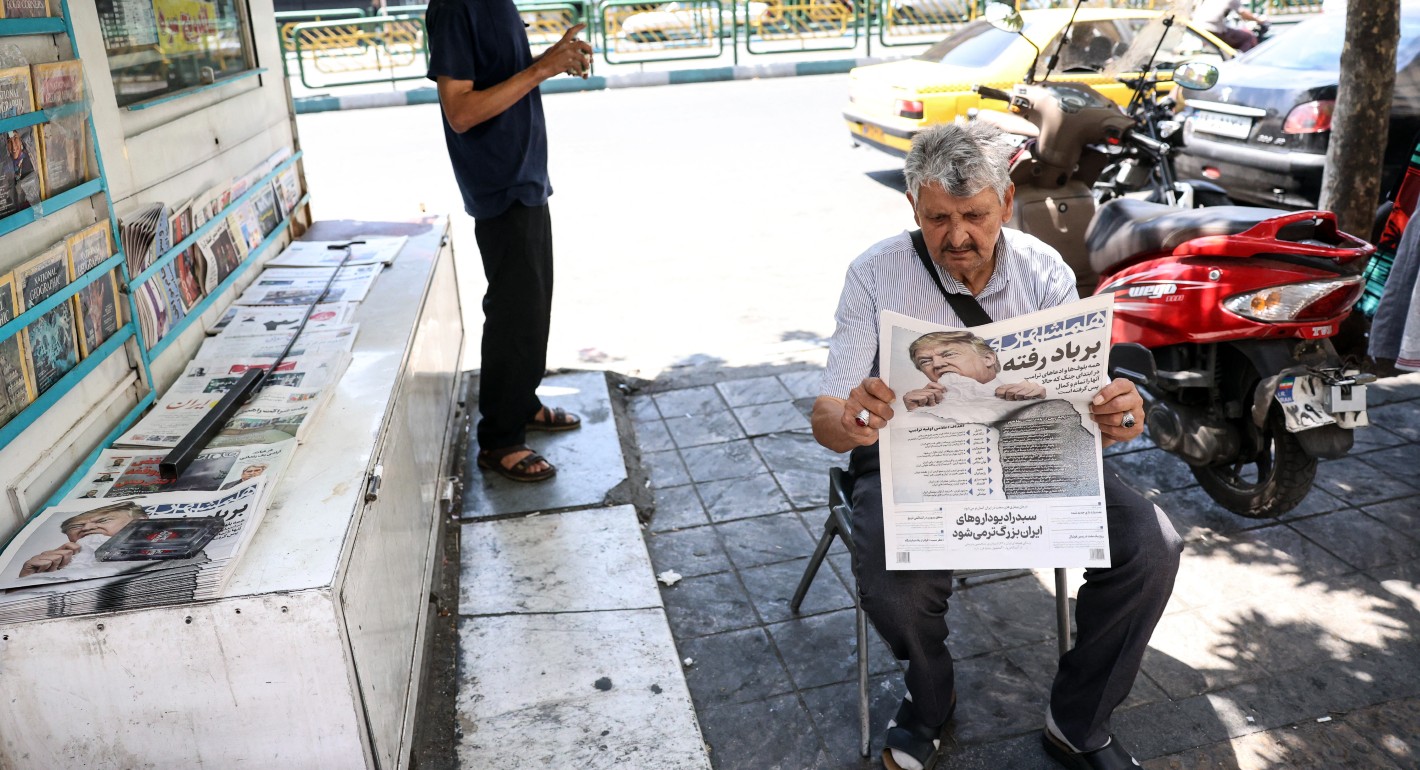
  • Stack of Iranian newspapers featuring Trump's face and a burning American flag
    Commentary
    Emissary
    The United States Should Apply the Arab Spring’s Lessons to Its Iran Response

    The uprisings showed that foreign military intervention rarely produced democratic breakthroughs.

      • Sarah Yerkes

      Amr Hamzawy, Sarah Yerkes

  • Commentary
    Sada
    Sub-Saharan African Migrants in Morocco: Security Concerns and the Test of Human Rights

    Is Morocco’s migration policy protecting Sub-Saharan African migrants or managing them for political and security ends? This article unpacks the gaps, the risks, and the paths toward real rights-based integration.

      Soufiane Elgoumri

  • Police standing watch
    Commentary
    Emissary
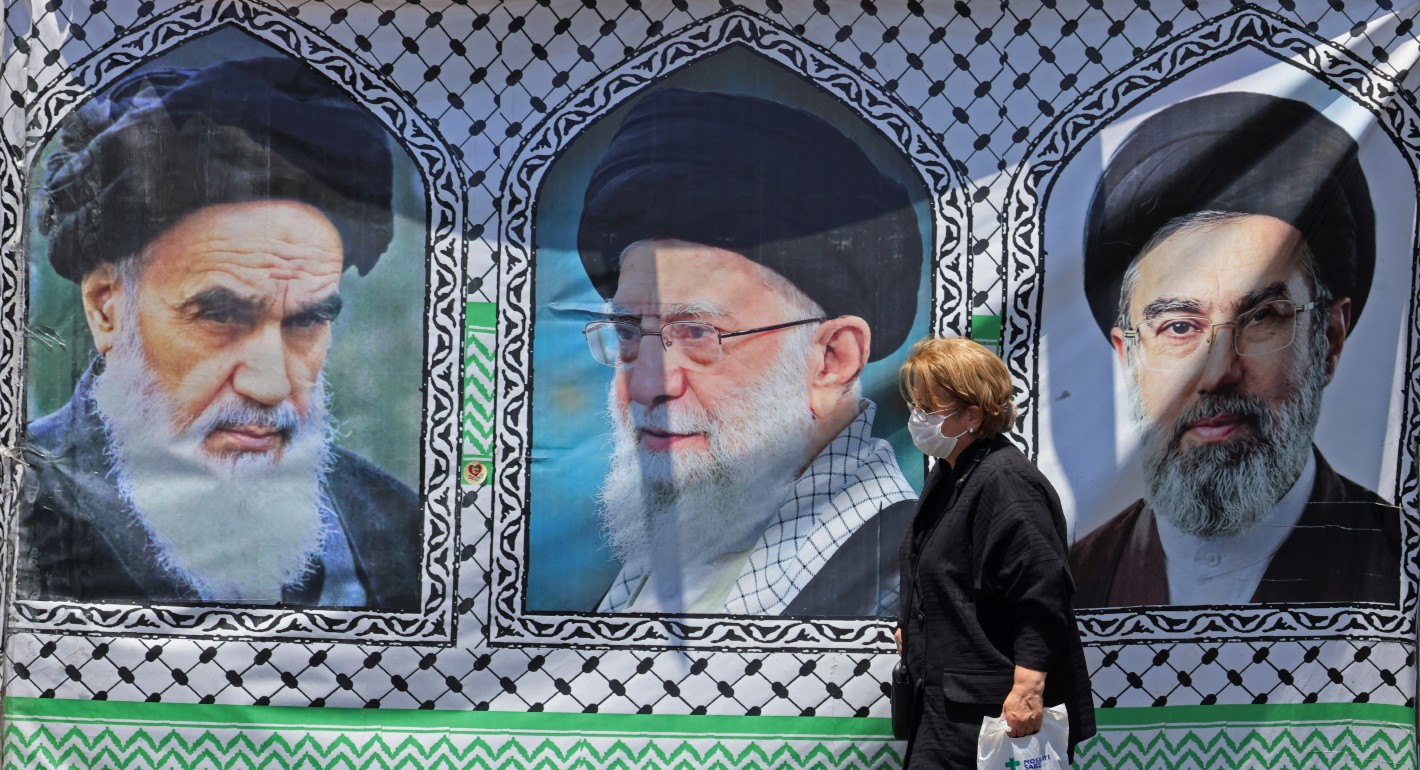
    What’s Keeping the Iranian Regime in Power—for Now

    A conversation with Karim Sadjadpour and Robin Wright about the recent protests and where the Islamic Republic might go from here.

      Aaron David Miller, Karim Sadjadpour, Robin Wright

  • Commentary
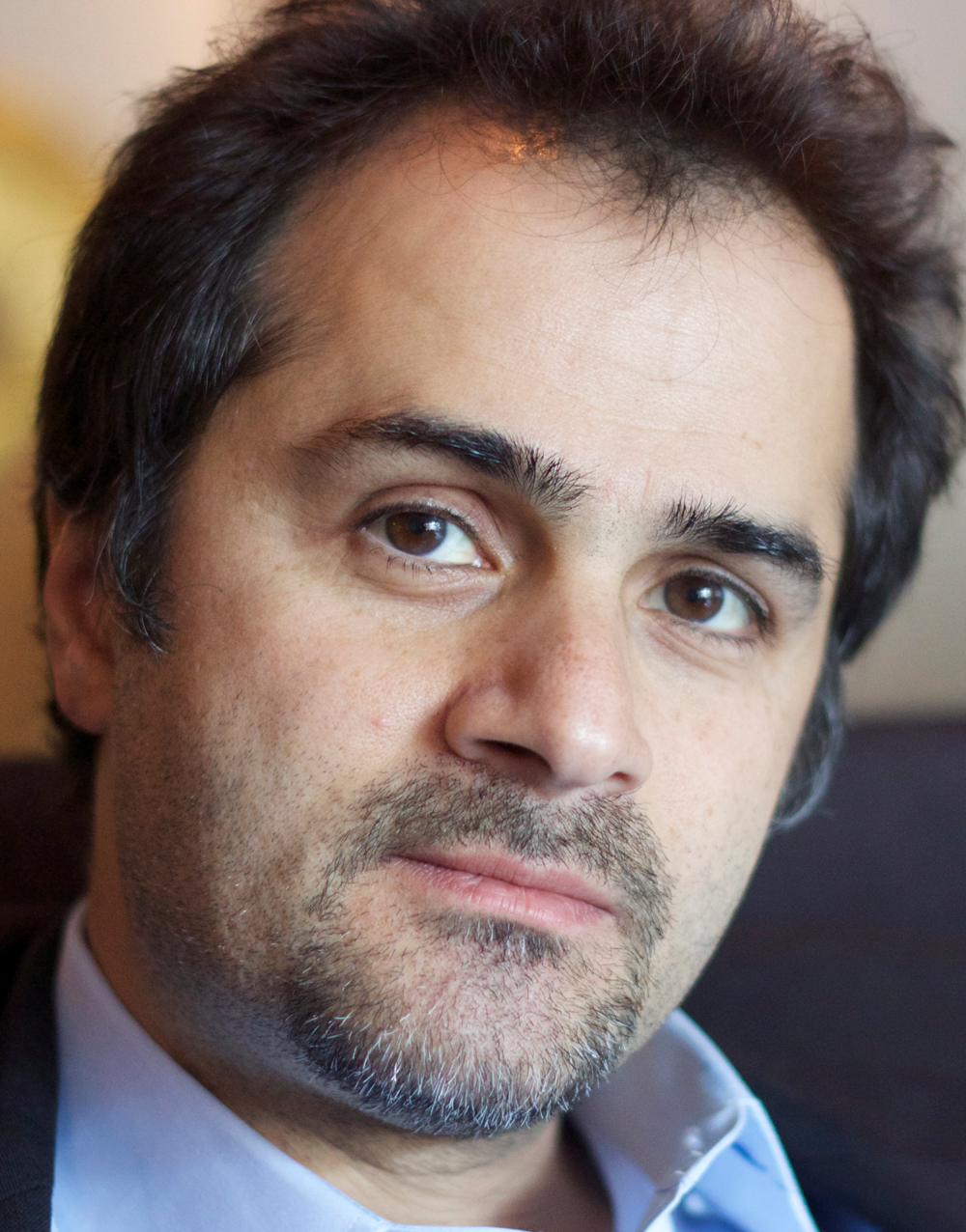
    The Middle East’s Promising Gen Z

    Fifteen years after the Arab uprisings, a new generation is mobilizing behind an inclusive growth model, and has the technical savvy to lead an economic transformation that works for all.

      Jihad Azour

Get more news and analysis from
Carnegie Endowment for International Peace
Carnegie global logo, stacked
1779 Massachusetts Avenue NWWashington, DC, 20036-2103Phone: 202 483 7600Fax: 202 483 1840
  • Research
  • Emissary
  • About
  • Experts
  • Donate
  • Programs
  • Events
  • Blogs
  • Podcasts
  • Contact
  • Annual Reports
  • Careers
  • Privacy
  • For Media
  • Government Resources
Get more news and analysis from
Carnegie Endowment for International Peace
© 2026 Carnegie Endowment for International Peace. All rights reserved.