• Research
  • Emissary
  • About
  • Experts
Carnegie Global logoCarnegie lettermark logo
DemocracyIran
  • Donate
Legislative Capture in India: Is Democracy Back from the Brink?
Research

Legislative Capture in India: Is Democracy Back from the Brink?

The roots of India’s democratic backsliding predate the BJP’s resurgence, but the trends have intensified in the past 10 years. While the party’s disappointing performance in the 2024 elections suggests a possible corrective, legislative capture in India will not easily unravel.

Link Copied
By Milan Vaishnav
Published on Mar 21, 2025
Program mobile hero image

Program

South Asia

The South Asia Program informs policy debates relating to the region’s security, economy, and political development. From strategic competition in the Indo-Pacific to India’s internal dynamics and U.S. engagement with the region, the program offers in-depth, rigorous research and analysis on South Asia’s most critical challenges.

Learn More
Read the Publication

About the Author

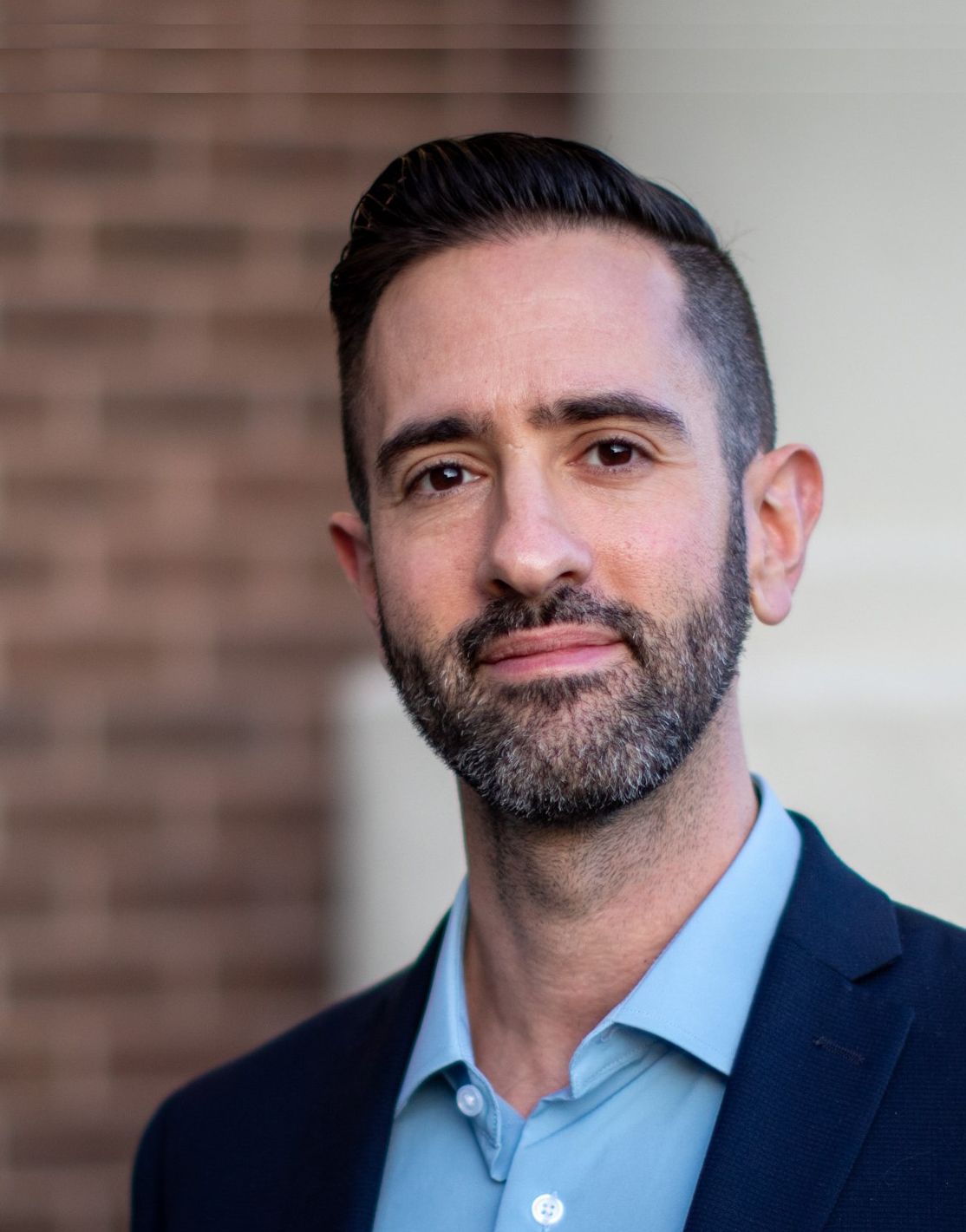
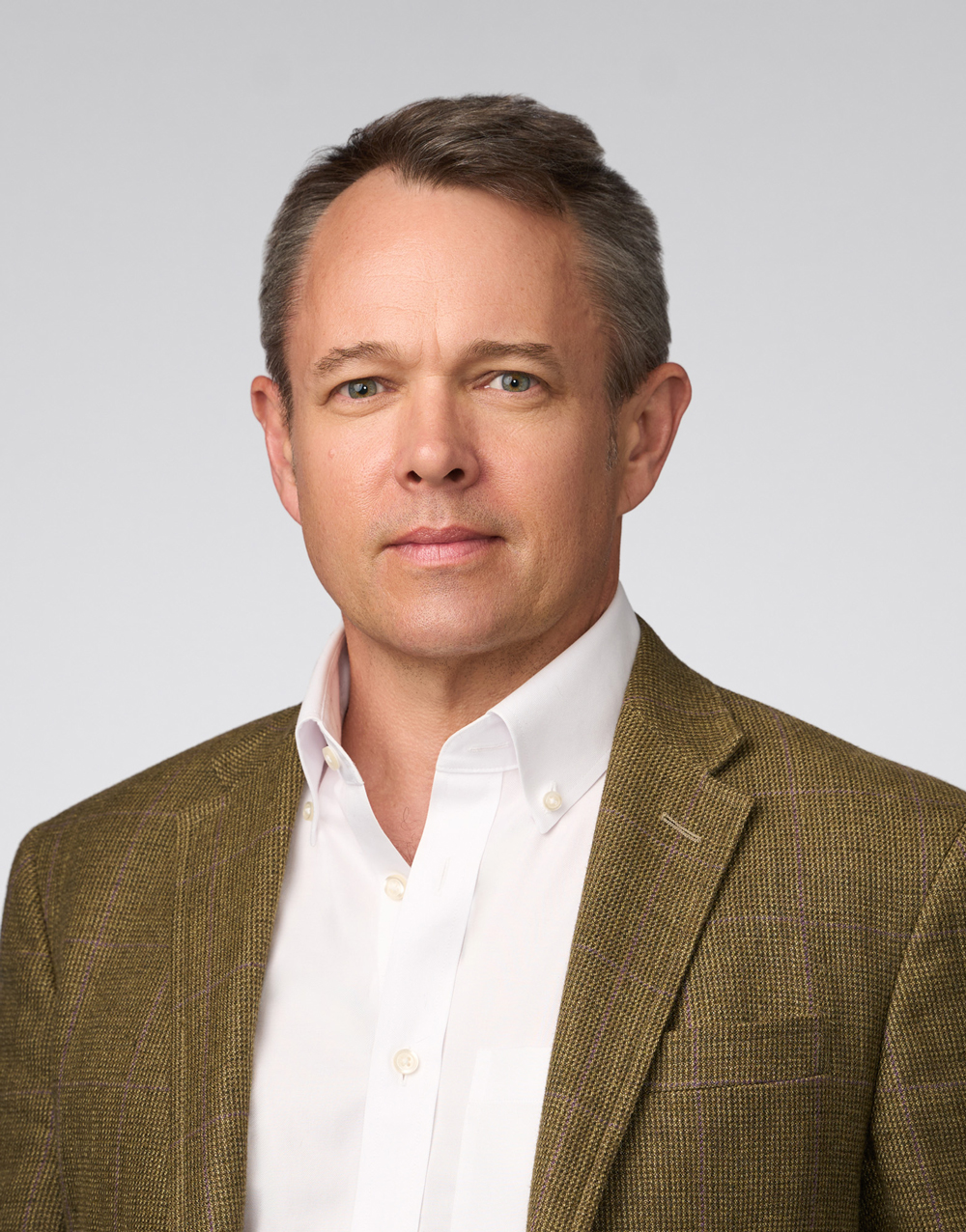
Milan Vaishnav

Director and Senior Fellow, South Asia Program

Milan Vaishnav is a senior fellow and director of the South Asia Program and the host of the Grand Tamasha podcast at the Carnegie Endowment for International Peace. His primary research focus is the political economy of India, and he examines issues such as corruption and governance, state capacity, distributive politics, and electoral behavior. He also conducts research on the Indian diaspora.

    Recent Work
  • Research
    India and a Changing Global Order: Foreign Policy in the Trump 2.0 Era
      • Sameer Lalwani
      • +6

      Milan Vaishnav, Sameer Lalwani, Tanvi Madan, …

  • Commentary
    Indian Americans Still Lean Left. Just Not as Reliably.
      • +1

      Sumitra Badrinathan, Devesh Kapur, Andy Robaina, …

Milan Vaishnav
Director and Senior Fellow, South Asia Program
Milan Vaishnav
IndiaSouth AsiaDemocracyPolitical ReformDomestic Politics

Carnegie does not take institutional positions on public policy issues; the views represented herein are those of the author(s) and do not necessarily reflect the views of Carnegie, its staff, or its trustees.

More Work from Carnegie Endowment for International Peace

  •  A machine gun of a Houthi soldier mounted on a police vehicle next to a billboard depicting the U.S. president Donald Trump and Mohammed Bin Salman, the Crown Prince and Prime Minister of Saudi Arabia, during a protest staged to show support to Iran against the U.S.-Israel war on March 27, 2026 in Sana'a, Yemen.
    Article
    Amid Iran War, Gulf Countries Slow the Pace of Reforms

    The return of war as the organizing factor in Middle Eastern politics has predictable consequences: governments are prioritizing regime stability and becoming averse to political and social reform.

      • Sarah Yerkes

      Sarah Yerkes, Amr Hamzawy

  • A person faces away from the camera wearing a yellow jacket with "PRESS" printed across the back
    Paper
    The Impact of Ending U.S. International Media Assistance

    The future looks bleak for independent media worldwide, but there is a robust infrastructure of knowledge, organizations, and people to build upon.

      Daniel Sabet, Susan Abbott

  • Map of Hormuz shipping traffic on a smartphone screen
    Commentary
    Emissary
    “It’s Not Like Turning a Switch On and Off”

    Why the Iran ceasefire isn’t a quick fix to the Strait of Hormuz energy crisis.

      Helima Croft, Aaron David Miller

  • Hundreds of members and supporters of the ruling Party of Action and Solidarity (PAS) join Prime Minister Dorin Recean during a pro-EU rally on the final day of the electoral campaign in Chisinau, Moldova, on September 26, 2025.
    Paper
    Alarm or Caution? Defending Democracy During Backsliding

    Defenders of democracy often split over perceptions, methods, urgency levels, and priorities.

      • Murat Somer

      Murat Somer, Jennifer McCoy

  • Commentary
    Carnegie Politika
    Conspiracy Theories Are Eclipsing the Real Dangers of Russia’s Messaging App Max

    The internet is awash not only with instructions from digital security experts, but also with urban legends and conspiracy theories that divert attention away from the real dangers of Max.

      David Frenkel

Get more news and analysis from
Carnegie Endowment for International Peace
Carnegie global logo, stacked
1779 Massachusetts Avenue NWWashington, DC, 20036-2103Phone: 202 483 7600Fax: 202 483 1840
  • Research
  • Emissary
  • About
  • Experts
  • Donate
  • Programs
  • Events
  • Blogs
  • Podcasts
  • Contact
  • Annual Reports
  • Careers
  • Privacy
  • For Media
  • Government Resources
Get more news and analysis from
Carnegie Endowment for International Peace
© 2026 Carnegie Endowment for International Peace. All rights reserved.