• Research
  • Emissary
  • About
  • Experts
Carnegie Global logoCarnegie lettermark logo
DemocracyIran
  • Donate
Legislative Capture in India: Is Democracy Back from the Brink?
Research

Legislative Capture in India: Is Democracy Back from the Brink?

The roots of India’s democratic backsliding predate the BJP’s resurgence, but the trends have intensified in the past 10 years. While the party’s disappointing performance in the 2024 elections suggests a possible corrective, legislative capture in India will not easily unravel.

Link Copied
By Milan Vaishnav
Published on Mar 21, 2025
Program mobile hero image

Program

South Asia

The South Asia Program informs policy debates relating to the region’s security, economy, and political development. From strategic competition in the Indo-Pacific to India’s internal dynamics and U.S. engagement with the region, the program offers in-depth, rigorous research and analysis on South Asia’s most critical challenges.

Learn More
Read the Publication

About the Author

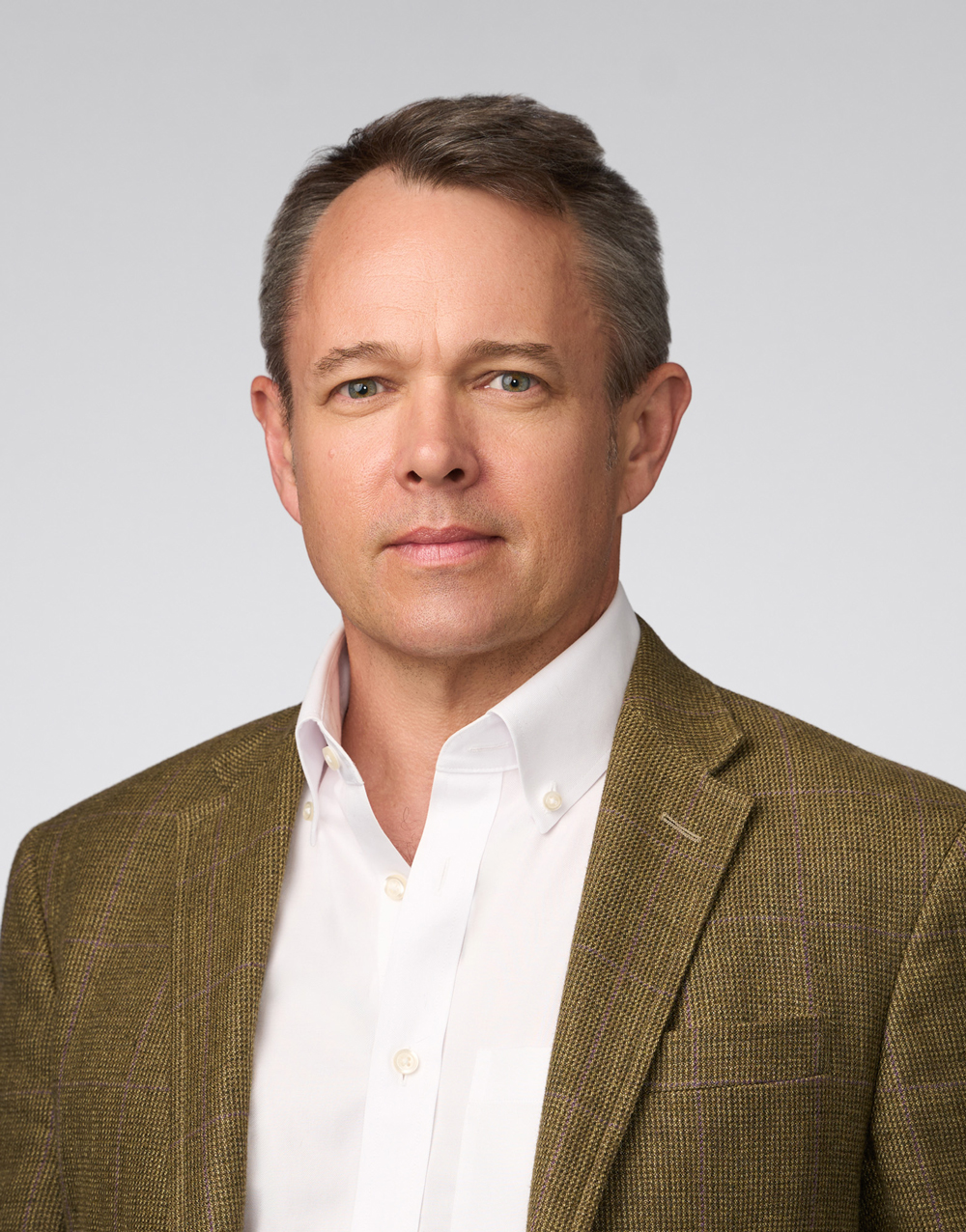
Milan Vaishnav

Director and Senior Fellow, South Asia Program

Milan Vaishnav is a senior fellow and director of the South Asia Program and the host of the Grand Tamasha podcast at the Carnegie Endowment for International Peace. His primary research focus is the political economy of India, and he examines issues such as corruption and governance, state capacity, distributive politics, and electoral behavior. He also conducts research on the Indian diaspora.

    Recent Work
  • Research
    India and a Changing Global Order: Foreign Policy in the Trump 2.0 Era
      • Sameer Lalwani
      • +6

      Milan Vaishnav, Sameer Lalwani, Tanvi Madan, …

  • Commentary
    Indian Americans Still Lean Left. Just Not as Reliably.
      • +1

      Sumitra Badrinathan, Devesh Kapur, Andy Robaina, …

Milan Vaishnav
Director and Senior Fellow, South Asia Program
Milan Vaishnav
IndiaSouth AsiaDemocracyPolitical ReformDomestic Politics

Carnegie does not take institutional positions on public policy issues; the views represented herein are those of the author(s) and do not necessarily reflect the views of Carnegie, its staff, or its trustees.

More Work from Carnegie Endowment for International Peace

  • Residents and protesters chant national songs and raise their fists as they gather for a civil society rally demanding the resignation of President Andry Rajoelina and paying tribute to the victims of the protests in Antananarivo, on October 13, 2025
    Article
    How Anger Over Corruption Keeps Driving Global Politics

    As public anger over corruption drives protests, election outcomes, and regime change around the world, the Donald Trump administration is disconnecting U.S. policy from this defining feature of global politics.

      • McKenzie Carrier

      Thomas Carothers, McKenzie Carrier

  • Xi walking into a room with people standing and applauding around him
    Commentary
    Emissary
    The Xi Doctrine Zeros in on “High-Quality Development” for China’s Economic Future

    In the latest Five-Year Plan, the Chinese president cements the shift to an innovation-driven economy over a consumption-driven one.

      • Damien Ma

      Damien Ma

  • Trump seated and gesturing while speaking
    Commentary
    Emissary
    The Iran War Is Making America Less Safe

    A conflict launched in the name of American security is producing the opposite effect.

      • Sarah Yerkes

      Sarah Yerkes

  • illustration of AI chat bubbles
    Commentary
    California Sees Ways AI Can Support Policymaking. Here’s What It Needs to Succeed.

    For AI to capture the public’s policy concerns, people need to know that the models are elevating human concerns in human words, not generating their own.

      • Micah Weinberg headshot

      Micah Weinberg

  • Commentary
    Sada
    Digital Dissent in Morocco: A Sociological Analysis of the Generation Z Movement

    From anime heroes to online gaming communities, Morocco’s Gen Z is building a new protest culture. What does this digital imagination reveal about youth politics, and how should institutions respond?

      Abdelilah Farah

Get more news and analysis from
Carnegie Endowment for International Peace
Carnegie global logo, stacked
1779 Massachusetts Avenue NWWashington, DC, 20036-2103Phone: 202 483 7600Fax: 202 483 1840
  • Research
  • Emissary
  • About
  • Experts
  • Donate
  • Programs
  • Events
  • Blogs
  • Podcasts
  • Contact
  • Annual Reports
  • Careers
  • Privacy
  • For Media
  • Government Resources
Get more news and analysis from
Carnegie Endowment for International Peace
© 2026 Carnegie Endowment for International Peace. All rights reserved.