

Paper
The middle power moment will not be defined by sovereign states alone, and California stands out for its potential contributions to international cooperation.
Ian Klaus, Stewart Patrick

The innovations emerging at the frontier of artificial intelligence are poised to create historic opportunities for humanity but also raise complex policy challenges. As the epicenter of global AI innovation, California has a unique opportunity to continue supporting developments in frontier AI while addressing substantial risks that could have far-reaching consequences for the state and beyond.
Rishi Bommasani

Fellow, Technology and International Affairs, and Co-Director, China AI Initiative
Scott Singer is a fellow and co-director of the China AI Initiative at the Carnegie Endowment for International Peace, where his work explores the geopolitics and governance of advanced AI systems. He specializes in China’s AI ecosystem, with a particular focus on U.S.-China AI dialogue and diplomacy, U.S. and Chinese approaches to AI strategy, and comparative approaches to AI safety and risk management.
Ruth E. Appel
Sarah Cen
A. Feder Cooper
Elena Cryst
Lindsey A. Gailmard

Founding Director, Carnegie California
Ian Klaus is the founding director of Carnegie California. He is a leading scholar on the nexus of urbanization, geopolitics, and global challenges, with extensive experience as a practitioner of subnational diplomacy.
Meredith M. Lee
Inioluwa Deborah Raji
Anka Reuel
Drew Spence
Alexander Wan
Angelina Wang
Daniel Zhang
Daniel E. Ho
Percy Liang
Dawn Song
Joseph E. Gonzalez

Nonresident Scholar, Technology and International Affairs Program
Jonathan Zittrain is a nonresident scholar in the Technology and International Affairs Program at the Carnegie Endowment for International Peace.
Jennifer Tour Chayes
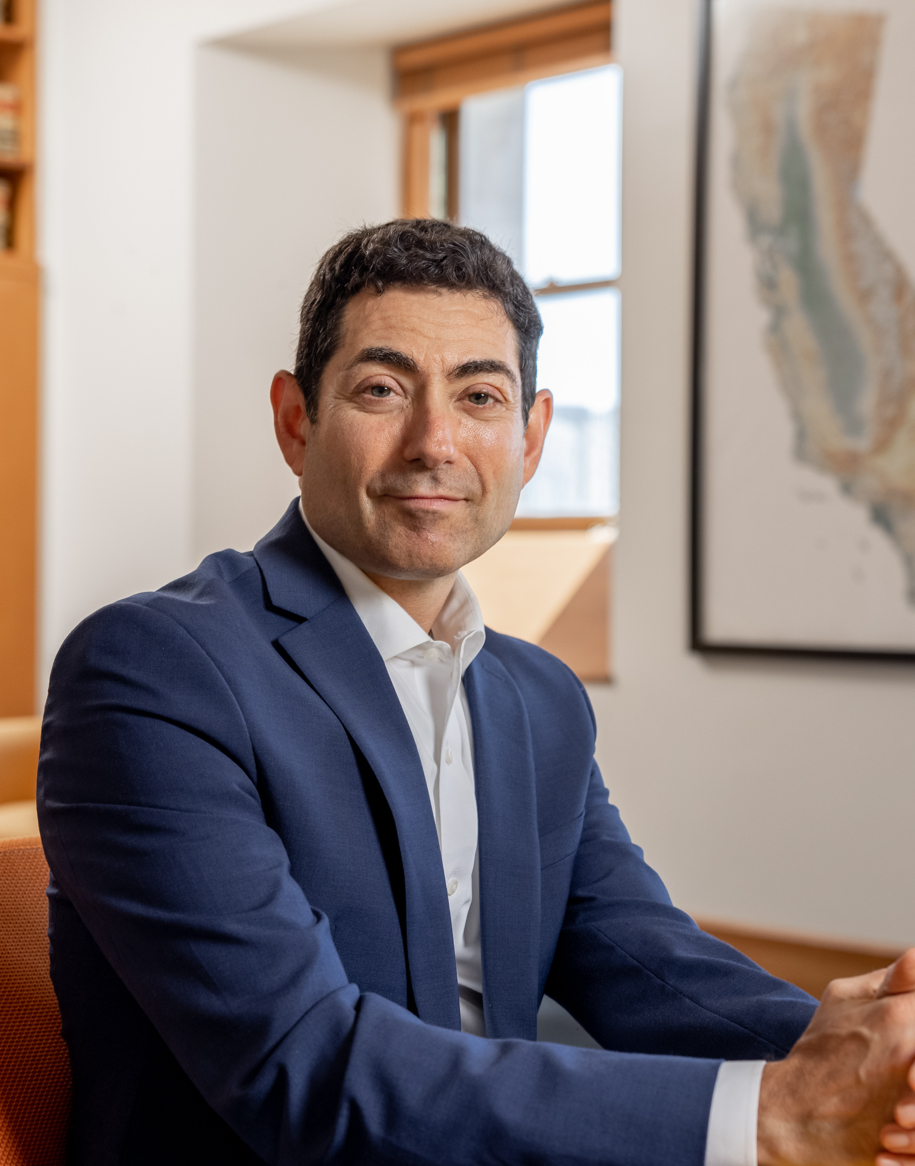
Former Carnegie President (2021-2026)
Mariano-Florentino (Tino) Cuéllar was previously the tenth president of the Carnegie Endowment for International Peace. A former justice of the Supreme Court of California, he has served three U.S. presidential administrations at the White House and in federal agencies, and was the Stanley Morrison Professor at Stanford University, where he held appointments in law, political science, and international affairs and led the university’s Freeman Spogli Institute for International Studies.
Li Fei-Fei
Carnegie does not take institutional positions on public policy issues; the views represented herein are those of the author(s) and do not necessarily reflect the views of Carnegie, its staff, or its trustees.

The middle power moment will not be defined by sovereign states alone, and California stands out for its potential contributions to international cooperation.

Ian Klaus, Stewart Patrick

The acknowledgment has sparked fears of a new arms race with China and Russia.

Chris O’Meara

The summit may be remembered as a fatal blunder, when Washington, Beijing, and the AI industry collectively chose ceremony over action.

Jeffrey Prescott

Germany, India, and other middle powers can’t build frontier AI alone, and they risk being cut off if they depend on the United States or China. The way through is to build the capacity for a frontier sprint while hoping never to use it.

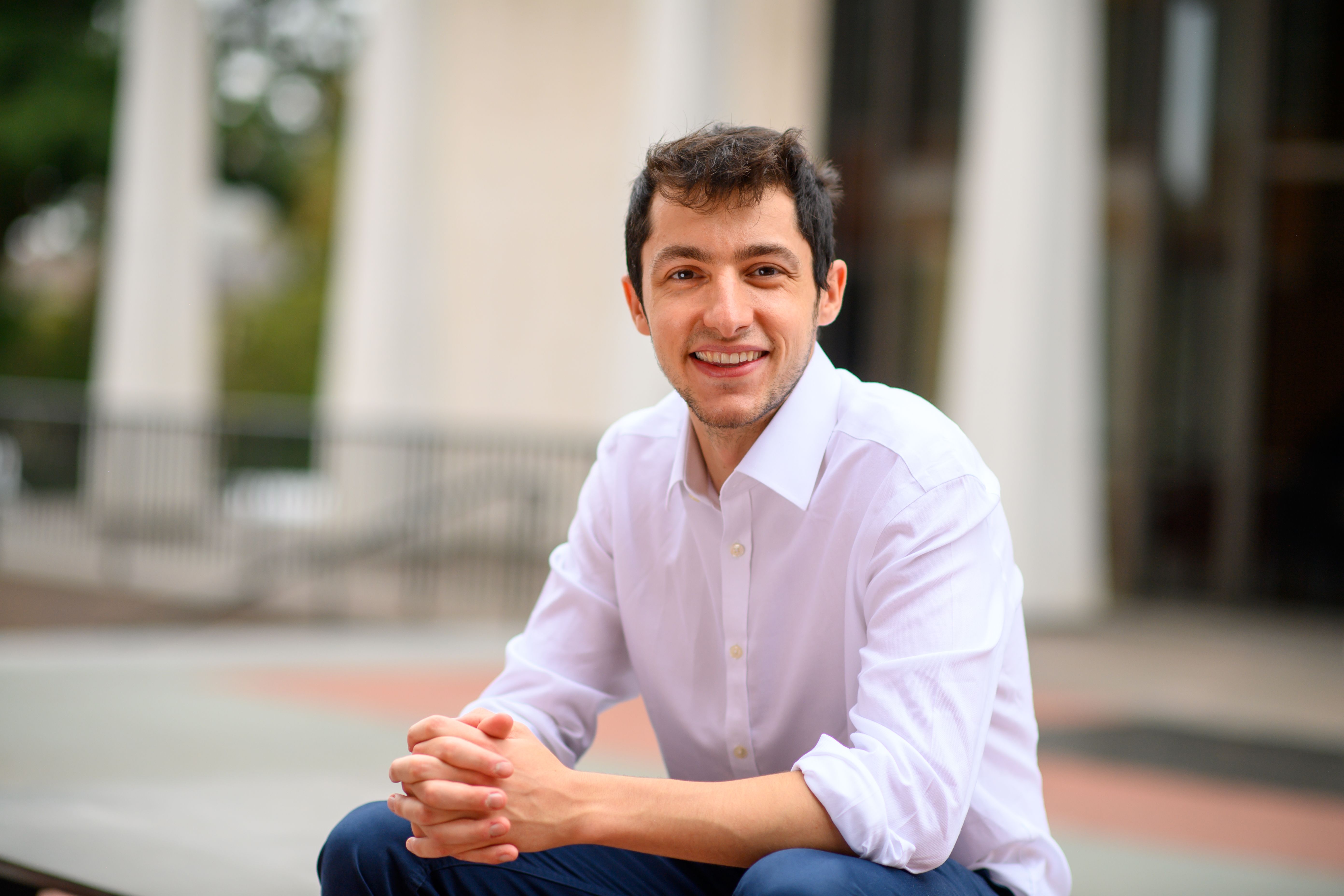
Anton Leicht, Sam Winter-Levy
AI technology has proliferated extensively and offers authoritarian leaders three crucial advantages: scale, speed, and efficiency. As a result, it has undoubtedly become a crucial tool of repression. But AI tools also give individuals and activists the means to organize, resist, and hold their governments accountable. Today, it is far more difficult for autocratic leaders to hide their corrupt practices and govern in darkness.

Steve Feldstein, Shreya Joshi