• Research
  • Emissary
  • About
  • Experts
Carnegie Global logoCarnegie lettermark logo
Democracy
  • Donate
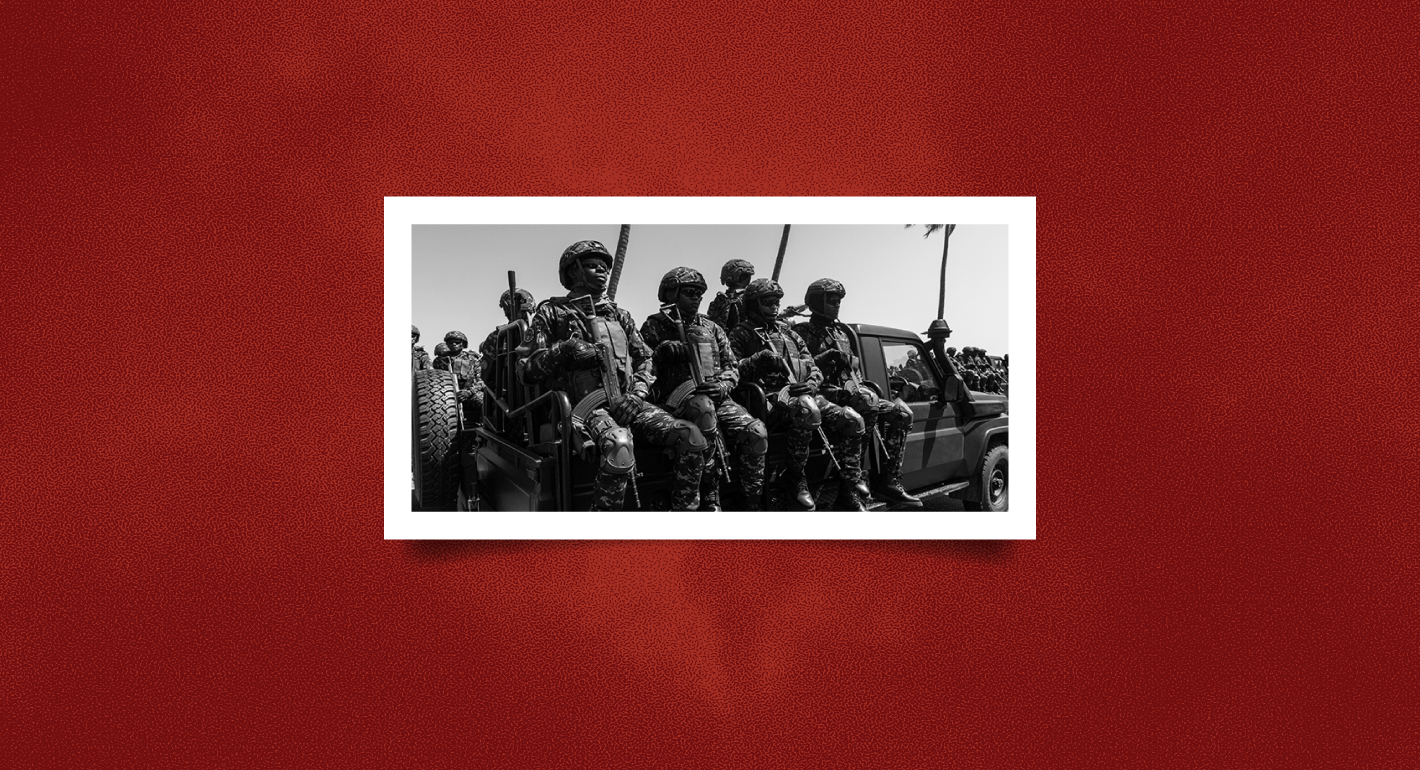
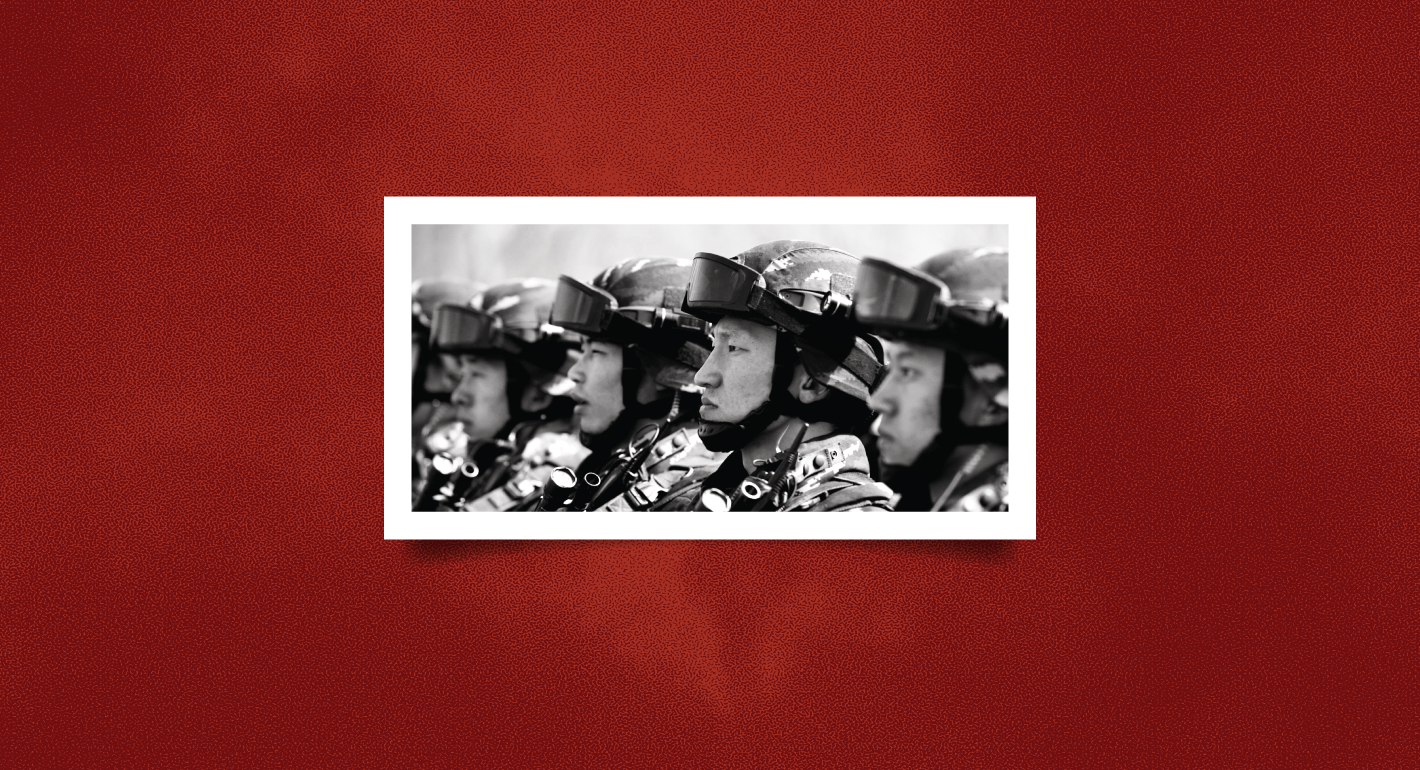
The Political Integration of Armed Groups in a Changing Global Security Landscape: Implications for Sustainable Peace
Research

The Political Integration of Armed Groups in a Changing Global Security Landscape: Implications for Sustainable Peace

One of the trickiest challenges to peacebuilding is transforming former combatants, including rebels, into legitimate political actors. Four factors that shape prospects for postwar integration

Link Copied
By Gyda Sindre
Published on Feb 3, 2026
Program mobile hero image

Program

Global Order and Institutions

Carnegie’s Global Order and Institutions Program identifies promising new multilateral initiatives and frameworks to realize a more peaceful, prosperous, just, and sustainable world. That mission has never been more important, or more challenging. Geopolitical competition, populist nationalism, economic inequality, technological innovation, and a planetary ecological emergency are testing the rules-based international order and complicating collective responses to shared threats. Our mission is to design global solutions to global problems.

Learn More
Read the Publication
Gyda Sindre
Security

Carnegie does not take institutional positions on public policy issues; the views represented herein are those of the author(s) and do not necessarily reflect the views of Carnegie, its staff, or its trustees.

More Work from Carnegie Endowment for International Peace

  • Commentary
    Strategic Europe
    To Survive, the EU Must Split

    Leaning into a multispeed Europe that includes the UK is the way Europeans don’t get relegated to suffering what they must, while the mighty United States and China do what they want.

      • Rym Momtaz

      Rym Momtaz

  • Commentary
    Carnegie Politika
    Russia’s Unspoken Condition for Ending the War Is Zelensky’s Resignation

    Insisting on Zelensky’s resignation is not just a personal vendetta, but a clear signal that the Kremlin would like to send to all its neighbors: even if you manage to put up some resistance, you will ultimately pay the price—including on a personal level.

      Vladislav Gorin

  • Commentary
    Carnegie Politika
    For Putin, Increasing Russia’s Nuclear Threat Matters More Than the Triad’s Modernization

    For Putin, upgrading Russia’s nuclear forces was a secondary goal. The main aim was to gain an advantage over the West, including by strengthening the nuclear threat on all fronts. That made growth in missile arsenals and a new arms race inevitable.

      Maxim Starchak

  • Commentary
    Carnegie Politika
    Japan’s “Militarist Turn” and What It Means for Russia

    For a real example of political forces engaged in the militarization of society, the Russian leadership might consider looking closer to home.

      James D.J. Brown

  • Commentary
    Carnegie Politika
    Why Is Ukraine Extending a Hand to the Belarusian Opposition-in-Exile?

    The risk posed by Lukashenko today looks very different to how it did in 2022. The threat of the Belarusian army entering the war appears increasingly illusory, while Ukraine’s ability to attack any point in Belarus with drones gives Kyiv confidence.

      Artyom Shraibman

Get more news and analysis from
Carnegie Endowment for International Peace
Carnegie global logo, stacked
1779 Massachusetts Avenue NWWashington, DC, 20036-2103Phone: 202 483 7600Fax: 202 483 1840
  • Research
  • Emissary
  • About
  • Experts
  • Donate
  • Programs
  • Events
  • Blogs
  • Podcasts
  • Contact
  • Annual Reports
  • Careers
  • Privacy
  • For Media
  • Government Resources
Get more news and analysis from
Carnegie Endowment for International Peace
© 2026 Carnegie Endowment for International Peace. All rights reserved.