

Commentary
Amr Hamzawy
{
  "authors": [
    "Amr Hamzawy"
  ],
  "type": "commentary",
  "blog": "Sada",
  "centerAffiliationAll": "",
  "centers": [
    "Carnegie Endowment for International Peace"
  ],
  "collections": [],
  "englishNewsletterAll": "",
  "nonEnglishNewsletterAll": "",
  "primaryCenter": "Carnegie Endowment for International Peace",
  "programAffiliation": "",
  "programs": [],
  "projects": [],
  "regions": [
    "Middle East",
    "North Africa",
    "Lebanon"
  ],
  "topics": [
    "Political Reform"
  ]
}

REQUIRED IMAGE
The Lebanon war of 2006 changed the political environment in the Arab Middle East at two levels. The first was temporary and receded after the thirty-three day war had ended. The second, however, was structural and rooted in the reality of Arab societies, where the practices of ruling elites and opposition movements reveal the fragility of opportunities for democratic change.
The Lebanon war of 2006 changed the political environment in the Arab Middle East at two levels. The first was temporary and receded after the thirty-three day war had ended. The second, however, was structural and rooted in the reality of Arab societies, where the practices of ruling elites and opposition movements reveal the fragility of opportunities for democratic change.
The temporary change was the return of regional issues, particularly the Arab-Israeli conflict, to the forefront of public concern. This seriously undermined discussion of internal reform, which had dominated debate for the past three years. The fallout of the Lebanon war differed from that of the tragic circumstances in Iraq and Palestine in that it was more sudden and dramatic. In addition, Hizbollah leader Hassan Nasrallah's charismatic personality ignited interest in the conflict.
In this context, resistance (advocated by Hizbollah and its supporters in Iran and Syria as well as Islamist and pan-Arab opposition movements) versus restraint (advocated by Arab governments and other voices calling for peace with Israel) became the primary axis of political division, taking the place of democracy versus autocracy. The interplay of ideological and historical themes inherent in the Arab-Israeli conflict led to accusations of capitulation, treason, and betrayal by one side and irrationality and irresponsibility by the other. During the war and shortly thereafter, the political climate became extremely polarized, making it difficult to carry out the consensus-oriented politics required to discuss reform.
Beyond such temporary effects, the Lebanon war highlighted two structural deficiencies that underpin the existing Arab regimes and undermine opportunities for true democratic change. The first is the nation-state's lack of legitimacy as the single framework for political life. Declining popular acceptance of governing elites and their failure to protect human rights and guarantee the minimum requirements of a decent life have aided the rise of populist non-state opposition movements. Such movements—primarily Islamists—have attempted to supersede the state in their rhetoric and programs, drawing their legitimacy instead from the religious and historic idea of the umma (global Islamic community). Despite the important differences between the peaceful political work of the Muslim Brotherhood in Egypt or the Islamic Action Front in Jordan and the militancy of Hizbollah or Hamas, all criticize the nation-state as artificial, illegitimate, and rejected by the people.
The Hizbollah operation that initiated the confrontation with Israel in July was no less than an appropriation of the sovereign right to make war or peace, leaping over the state institutions in which Hizbollah is a partner. Similarly, the Supreme Guide of the Egyptian Muslim Brotherhood's call during the war for initiating jihad and sending Egyptians to fight the “Zionist enemy” expressed a desire to sidestep the sovereignty and commitments of the state, including the peace treaty with Israel. It is difficult to discuss political reform in societies beset by the dilemma of choosing between illegitimate authoritarian elites ruling in the name of the nation-state and populist opposition movements cloaked in religious garb, who threaten the sovereignty of the state as a way to open the door to pluralism and the peaceful alternation of power.
Another deficiency highlighted—and heightened—by the Lebanon war is the hegemony of the sacred over political culture. The religious rhetoric on the war was not confined to Islamist movements raising the banner of the “American-Zionist attack” on the Islamic umma but also extended to pan-Arab ruling elites and opposition movements, who replaced their usual Nasserist anti-Israel and anti-Western rhetoric with religious slogans, attempting to ride on the coattails of the Islamists. Even governments and others known for moderation, especially in Egypt and Jordan, formulated their objections to Hizbollah's actions in religious terms, stressing Hizbollah's Shiite character and alluding to the danger of allowing Shiite perspectives to hold sway over the interests of the Sunni majority. Although raising this scarecrow did little to detract from public support for Hizbollah, it showed the extent to which religion has become rooted in the public sphere. Non-Islamist forces—whether government or opposition—have surrendered to the language of religion and other intellectual and ideological currents have been marginalized.
The problem with this intersection of religion and politics—or in other words, the use of religion as the prime justification for political actions—is that it reduces a complicated reality to an unending series of conflicts between good and evil. It also limits to a great extent the energies available within governing and opposition forces for a constructive dialogue aimed at peaceful agreement on the principal issues of democratic transformation, the essence of which is pluralism and pragmatic acceptance of the other.
Amr Hamzawy is a senior associate at the Carnegie Endowment for International Peace. This article was translated from Arabic by Kevin Burnham and Michele Dunne.

Director, Middle East Program
Amr Hamzawy is a senior fellow and the director of the Carnegie Middle East Program. His research and writings focus on Egypt’s and other middle powers’ involvement in regional security in the Middle East, particularly through collective diplomacy and multilateral conflict resolution
Recent Work
Amr Hamzawy
Amr Hamzawy
Carnegie does not take institutional positions on public policy issues; the views represented herein are those of the author(s) and do not necessarily reflect the views of Carnegie, its staff, or its trustees.
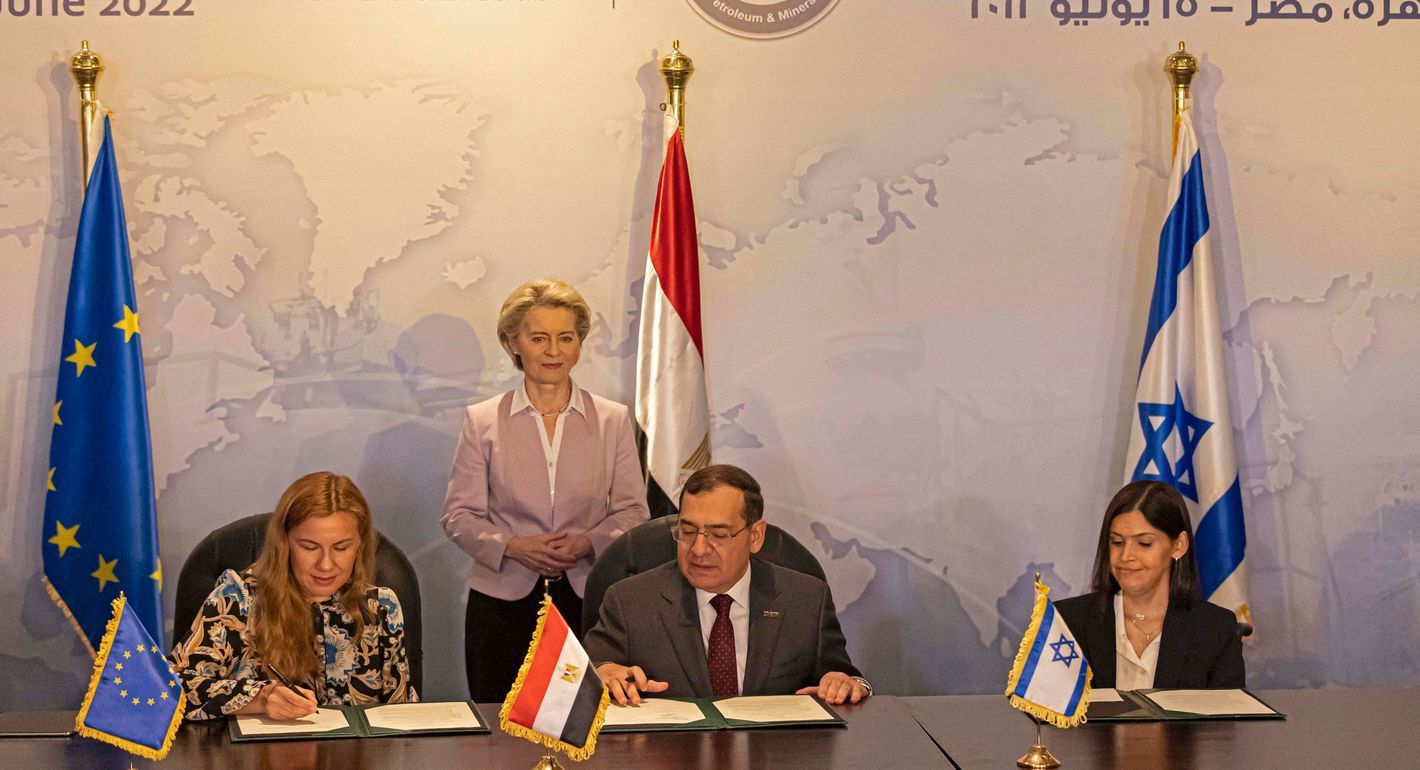
Can economic ties help contain conflict between Egypt and Israel, or do they simply postpone confrontation? Drawing on the German-Russian experience, the article examines how the gas deal creates mutual dependence, keeps channels of cooperation open, and raises the cost of conflict, without necessarily delivering lasting peace.

Nourhan Hefzy

Is the Gulf moving beyond the dollar? This article examines how China is expanding the renminbi's role across Gulf markets, what that means for regional finance, and why the future of global currencies is more complex than the de-dollarization debate suggests.

Andrew Bonney
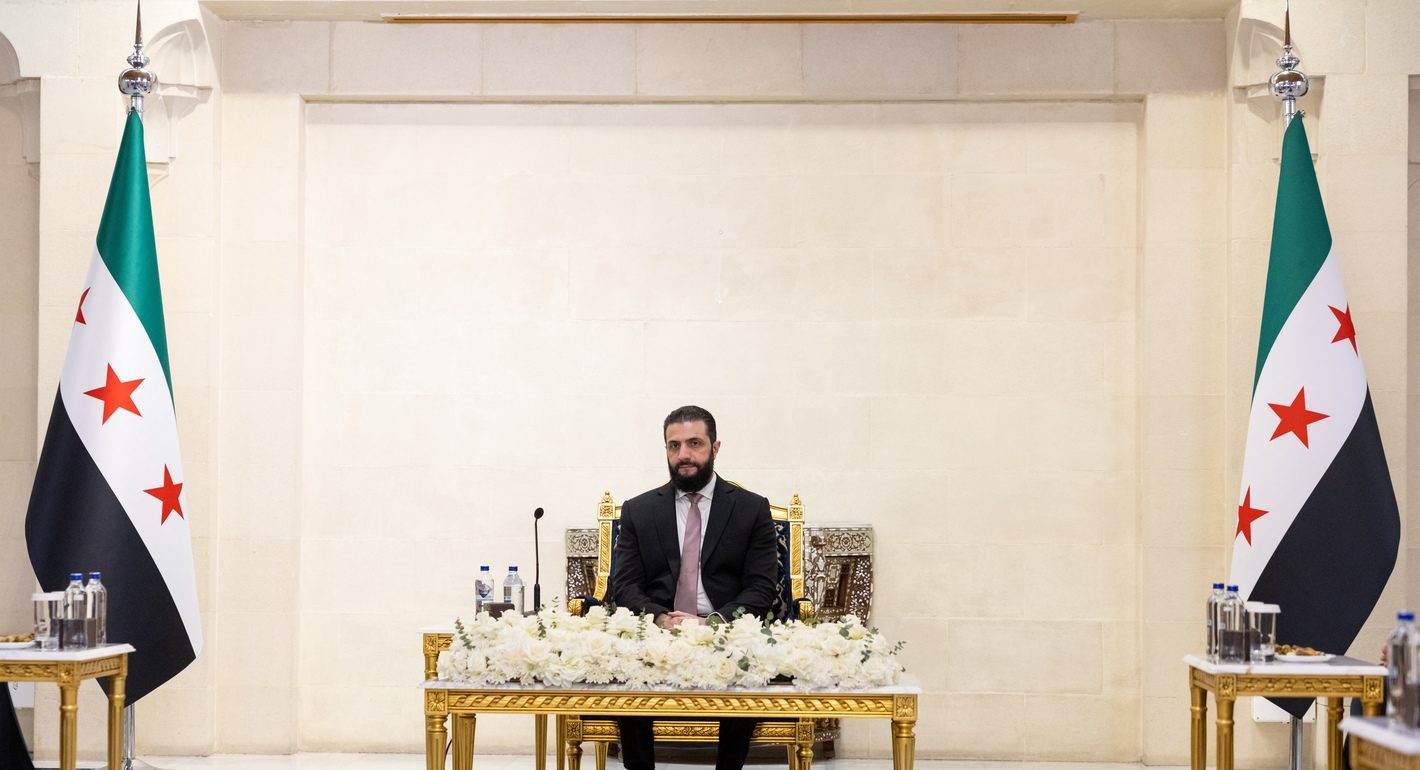
Syria's transition promised a fresh start. But are old habits of power making a comeback? This analysis looks at the warning signs and what it will take to build a more accountable state.

Sima Beitinjaneh
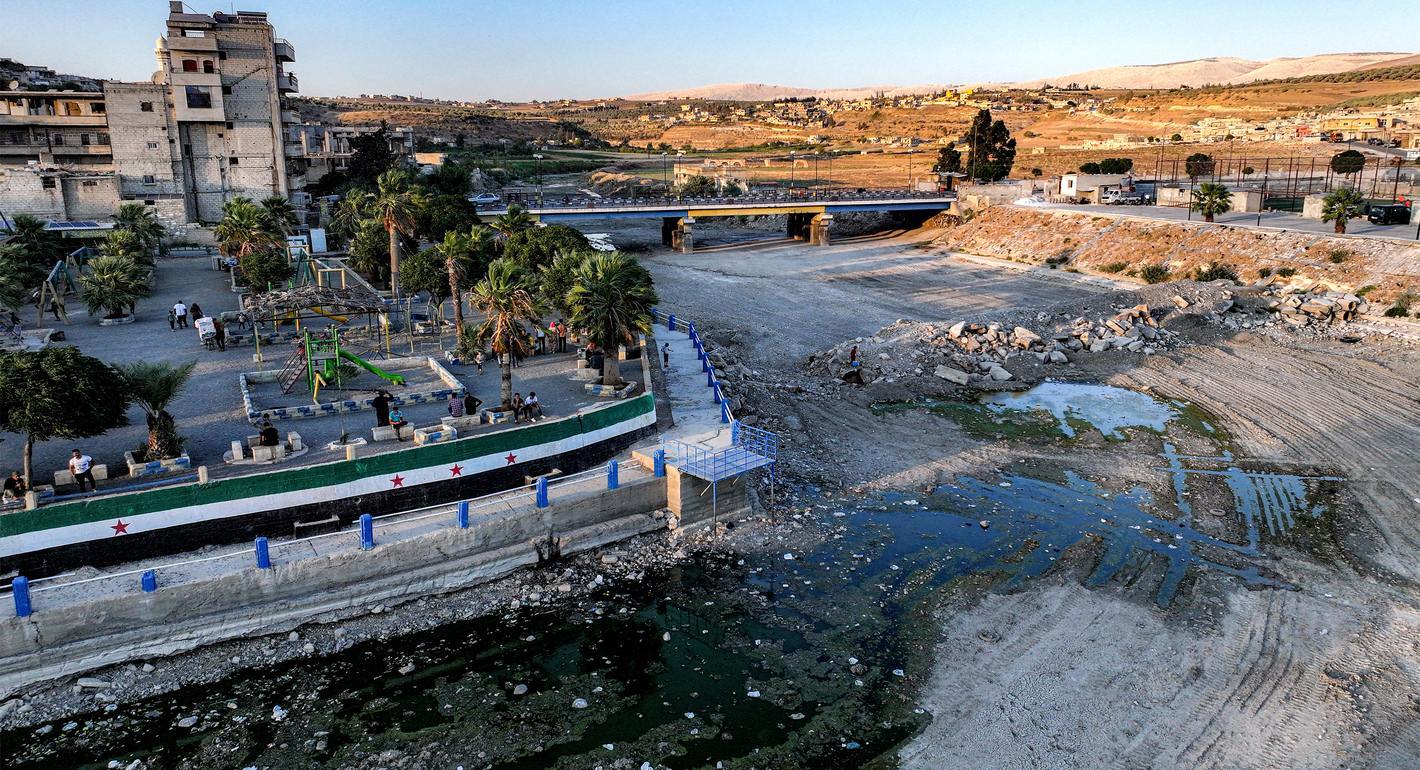
Syria’s worsening drought is no longer a seasonal crisis. This report explains what climate change is doing to rainfall, groundwater, and food security, and what solutions experts say are still possible.
Milia Esper
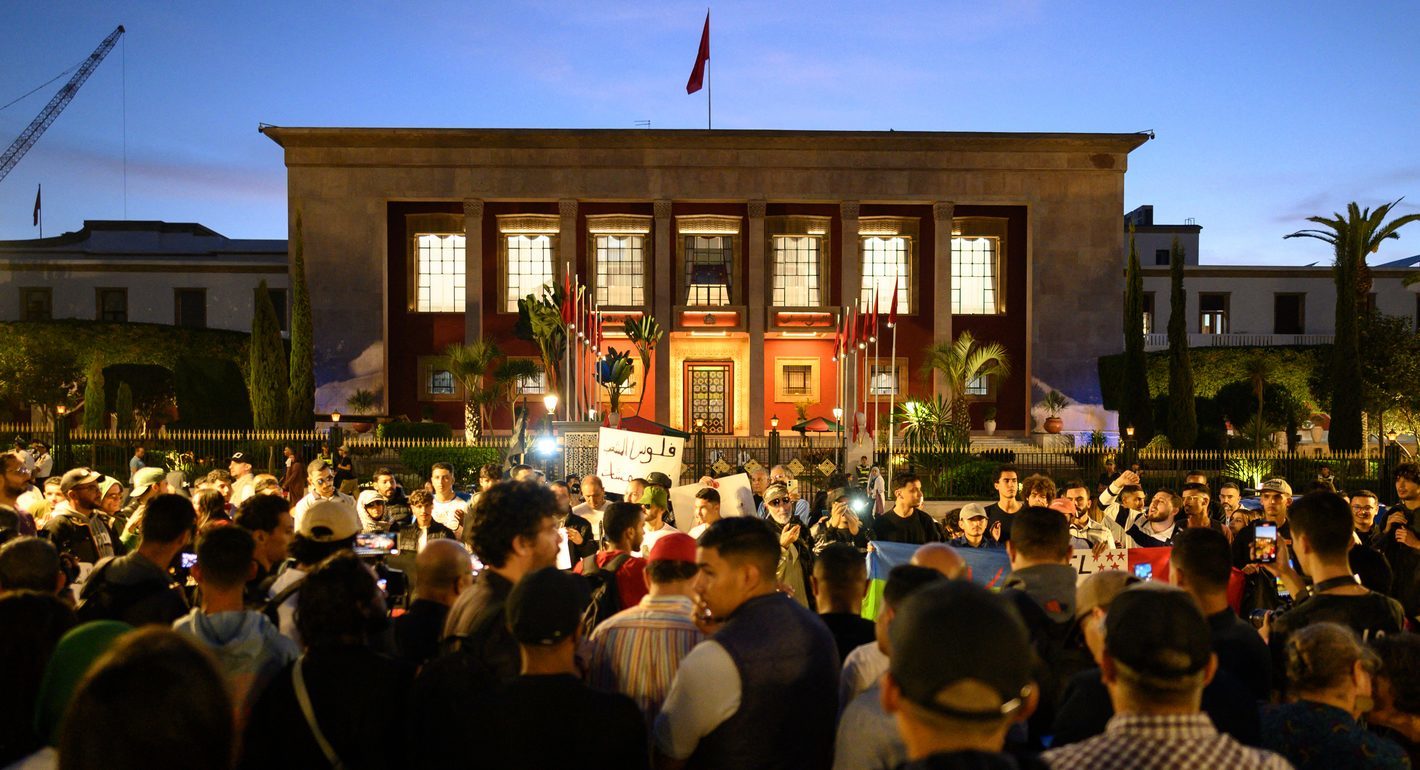
From anime heroes to online gaming communities, Morocco’s Gen Z is building a new protest culture. What does this digital imagination reveal about youth politics, and how should institutions respond?
Abdelilah Farah