

Commentary
Syria's transition promised a fresh start. But are old habits of power making a comeback? This analysis looks at the warning signs and what it will take to build a more accountable state.
Sima Beitinjaneh
{
  "authors": [
    "Lamine Chikhi",
    "Daniel Brumberg"
  ],
  "type": "commentary",
  "blog": "Sada",
  "centerAffiliationAll": "",
  "centers": [
    "Carnegie Endowment for International Peace"
  ],
  "collections": [],
  "englishNewsletterAll": "",
  "nonEnglishNewsletterAll": "",
  "primaryCenter": "Carnegie Endowment for International Peace",
  "programAffiliation": "",
  "programs": [],
  "projects": [],
  "regions": [
    "North Africa",
    "Algeria"
  ],
  "topics": [
    "Political Reform"
  ]
}

REQUIRED IMAGE
The May 21, 2003 earthquake that took some 2200 souls, wounded 10,000, and left 150,000 homeless has failed to jolt Algeria's political system out of its paralysis. The state's slow reaction to the disaster has further eroded President Abdelaziz Bouteflika's authority, with the result that a growing list of rivals may contest his bid for reelection in April 2004.
The May 21, 2003 earthquake that took some 2200 souls, wounded 10,000, and left 150,000 homeless has failed to jolt Algeria's political system out of its paralysis. The state's slow reaction to the disaster has further eroded President Abdelaziz Bouteflika's authority, with the result that a growing list of rivals may contest his bid for reelection in April 2004. Still, the fragmentation of the opposition, coupled with a sense of hopelessness and cynicism in the wider population of 30 million (75 percent of whom are under 30), means that Algeria's rulers will face little pressure to redefine the essential lines of the country's politics.
In the year prior to the quake, Bouteflika's authority had been repeatedly challenged. Although the president was elected in 1999 in a highly flawed poll, many Algerians hoped the new president would help their country exit the morass of civil war. Crucially, the all-powerful military had backed him in the expectation that he would restore Algeria's international standing. But the military soon lost faith in Bouteflika. He not only questioned the cancellation of the January 1992 legislative elections to prevent the Islamic Salvation Front (FIS) from taking power, he, more importantly, initiated a series of limited political and economic reforms which—as the high abstention rate during the May 2002 parliamentary elections clearly showed—satisfied no one. Alarmed by his declining legitimacy, the military threatened to withdraw its support. "The army," Chief of Staff General Muhammad Lamari declared, "is ready to accept any candidate, even an Islamist." The military's disenchantment encouraged Bouteflika's rivals to challenge his authority. Prime Minister Ali Benflis declined to back the president's plans to run for a second term. Bouteflika dismissed him and replaced him with Ahmed Ouyahia, but the new Prime Minister then declared that the "time for dialogue with Islamists is over," an implicit rebuke of the president, who had floated the idea of widening the scope of his controversial "amnesty program" for Islamic militias.
The government's failure to bring quick relief to the earthquake victims has further eroded Bouteflika's standing. When he visited Bourmedes, a town severely damaged in the quake, his entourage was greeted with stones and insults. Seeking to put the best face on an awkward moment, the president praised the "spiritedness" of Algerian youth, but this could not undo the damage to his shaky reputation. The military might now back another candidate, possibly Ouyahia, in the presidential elections, while the split between Bouteflika and the military is encouraging others to challenge the president. Possible contenders include the leader of the Islamist Islah Party Abdellah Djaballah, the veteran populist Ahmed Taleb Ibrahimi, who has close ties to the remnants of the FIS, and two former prime ministers, Mahmoud Hamrouche and Ali Benflis. But it is doubtful that any of these men commands sufficient support to win a popular mandate. Indeed, Bouteflika may still recover—a possibility that highlights the sad state of political leadership in Algeria.
As for the secular and Islamist parties, they are not sufficiently united or organized to challenge the status quo. Among the secular parties, the once dominant Front pour la Libération Nationale is rent by internal squabbles, while the mainstream Berber political parties (the Socialist Forces Front and the Rassemblement pour la Culture et la Democratie) have seen their support in the Berber region of Kabyle plummet in the wake of a two-year rebellion. The near irrelevance of the mainstream Berber parties has deprived secular Arabs of a potential ally, thus increasing the secularists' fears of Islamist domination.
Still, given the splits within the Islamist camp, a zero sum confrontation between secularists and Islamists similar to the one that tore Algeria apart in the 1990s is unlikely. Islah's influence is growing, but it might face more competition in the future from the more moderate Harakat Moudjtamaa Al Salam (HMS). The death on June 18, 2003 of Sheikh Mahmoud Nahnah, the leader of HMS, could strengthen the party by opening space for new leadership. The recent release of imprisoned former deputy FIS leader Ali Belhadj will further muddy the Islamist arena, especially if Belhadj tries to reconstitute the FIS in some form. But the military will oppose such a development, even as its leaders promise to stay out of politics. Thus while General Lamari has stated that he will not oppose lifting the emergency laws that hamper political expression, he adds that such an action would "not signify a return of the army to its barracks."
Popular anger at the government's poor handling of the earthquake emergency should have been a wake-up call for Algeria's leaders. In reality, it has not elicited a coherent attempt to address the many challenges facing the country. Instead of significant political reform, in the coming year we can expect more fragmentation in the opposition and more internal political warfare within and between the civilian elite and the military. As for the economy, oil and gas will prop it up, easing the pressure for the kinds of market reforms that might loosen the grip of "les pouvoirs." The system will muddle along, buffeted by crisis yet surviving another day.
Lamine Chikhi is the director of public relations for Al Khabar newspaper in Algiers.
Daniel Brumberg is a visiting scholar at the Carnegie Endowment for International Peace.
Lamine Chikhi
Daniel Brumberg
Carnegie does not take institutional positions on public policy issues; the views represented herein are those of the author(s) and do not necessarily reflect the views of Carnegie, its staff, or its trustees.
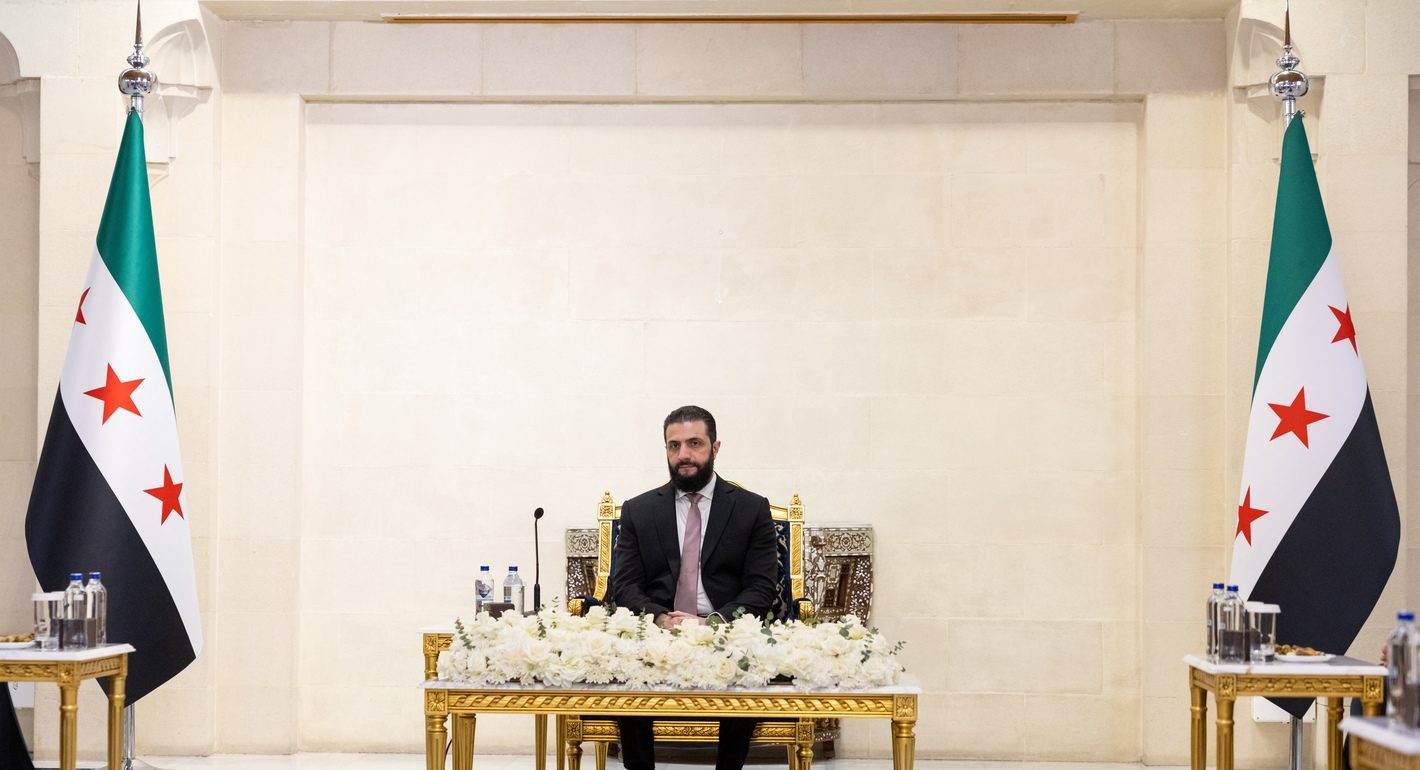
Syria's transition promised a fresh start. But are old habits of power making a comeback? This analysis looks at the warning signs and what it will take to build a more accountable state.
Sima Beitinjaneh
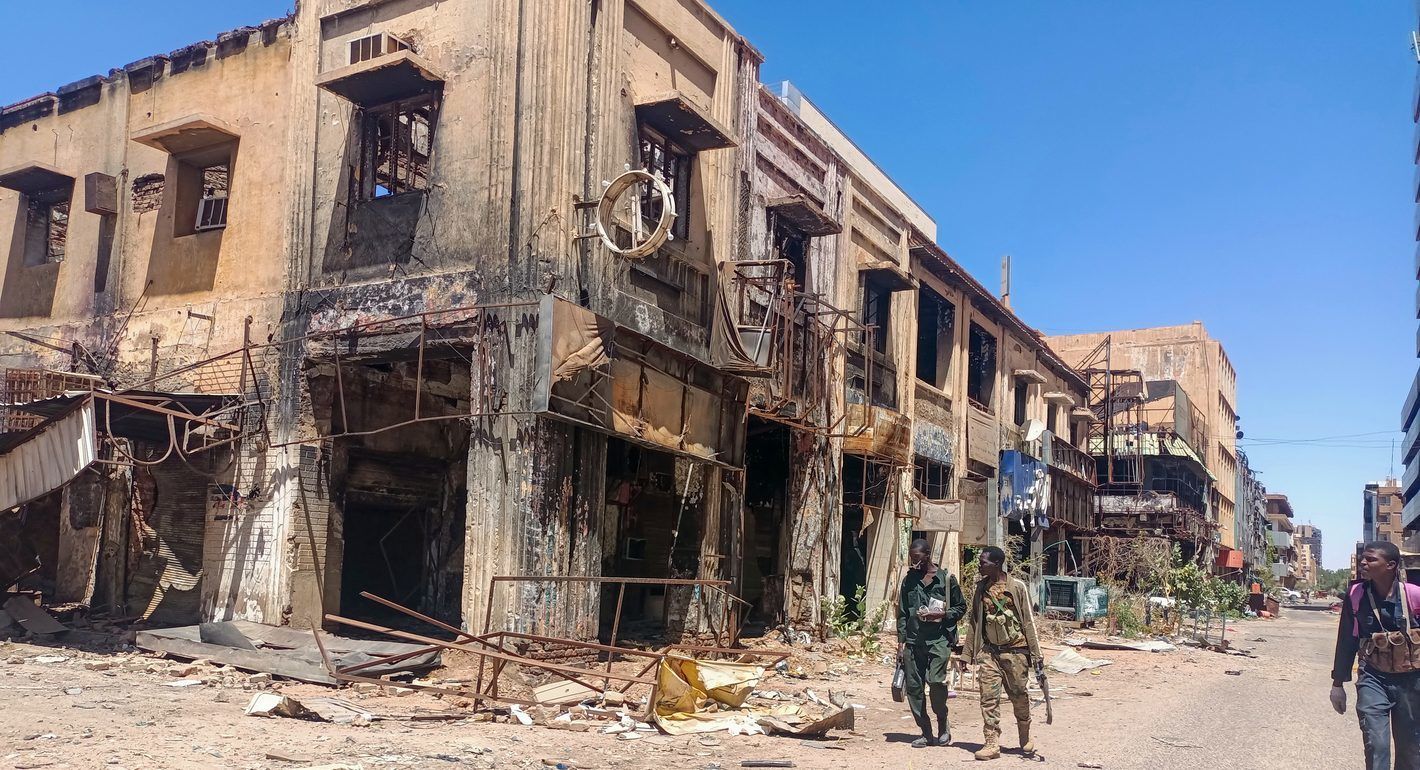
Hate speech has spread across Sudan and become a key factor in worsening the war between the army and the Rapid Support Forces. The article provides expert analysis and historical background to show how hateful rhetoric has fueled violence, justified atrocities, and weakened national unity, while also suggesting ways to counter it through justice, education, and promoting a culture of peace.
Samar Sulaiman
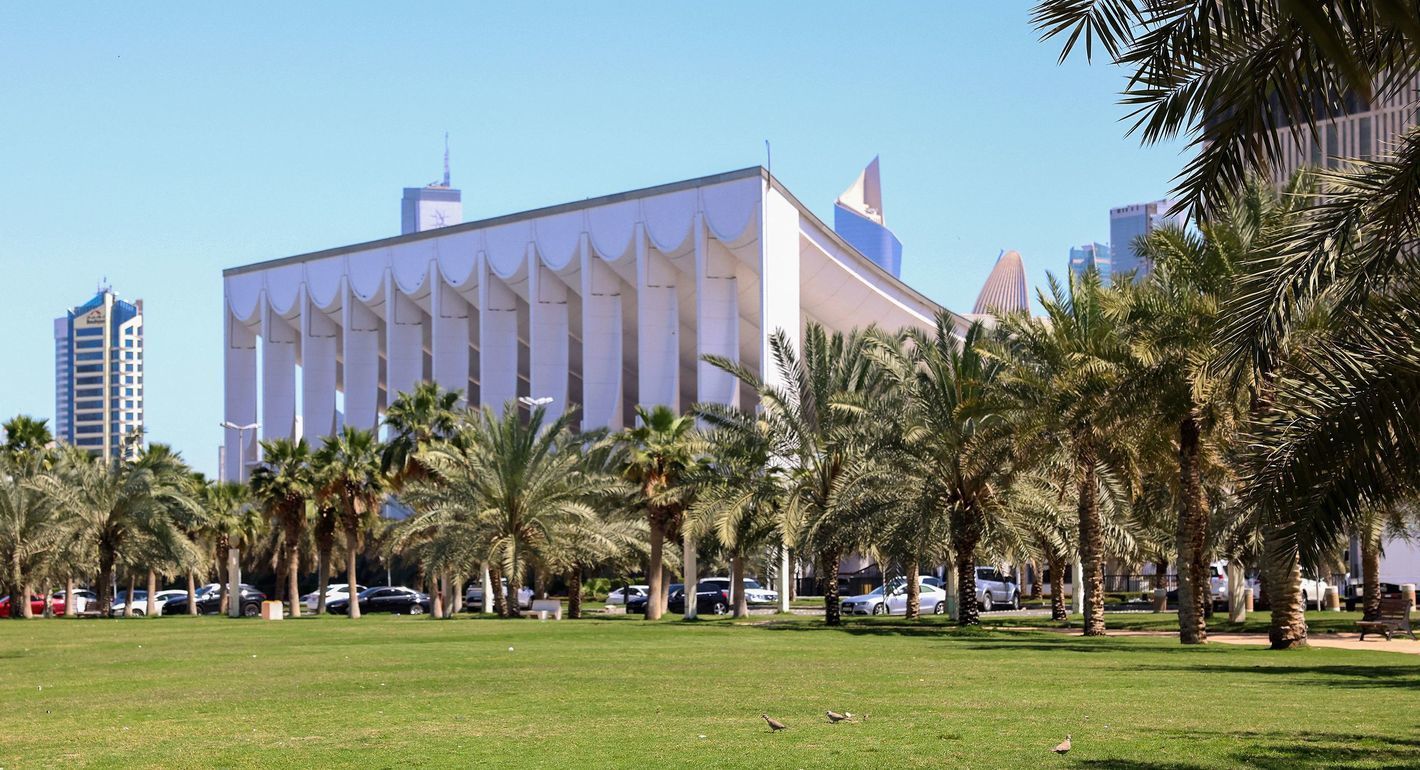
Kuwait’s government has repeatedly launched ambitious reforms under Kuwait Vision 2035, yet bureaucratic inefficiency, siloed institutions, and weak feedback mechanisms continue to stall progress. Adopting government analytics—real-time monitoring and evidence-based decision-making—can transform reform from repetitive announcements into measurable outcomes.
Dalal A. Marafie
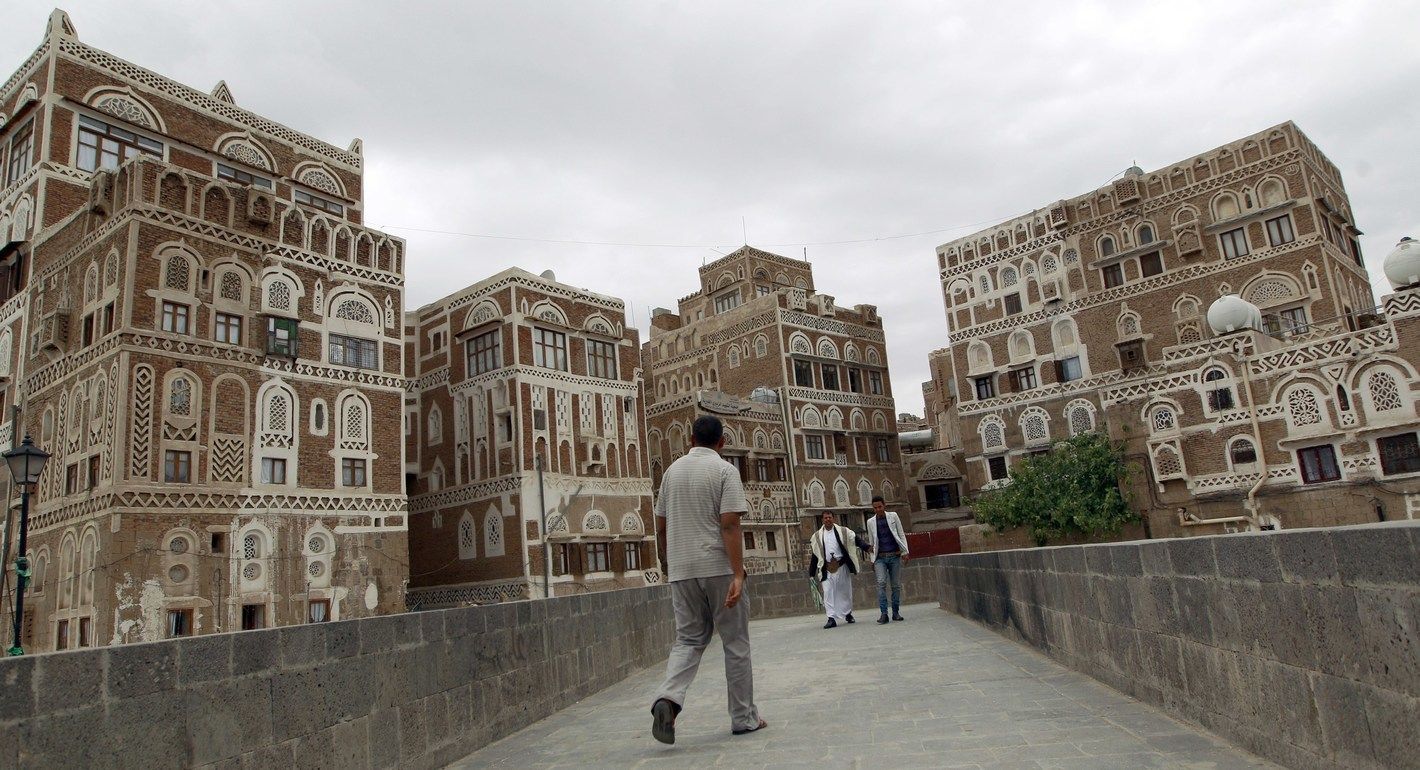
The chaos of street naming in Sana’a reflects the deep weakness of the Yemeni state and its failure to establish a unified urban identity, leaving residents to rely on informal, oral naming systems rooted in collective memory. This urban disorder is not merely a logistical problem but a symbolic struggle between state authority and local community identity.
Sarah Al-Kbat
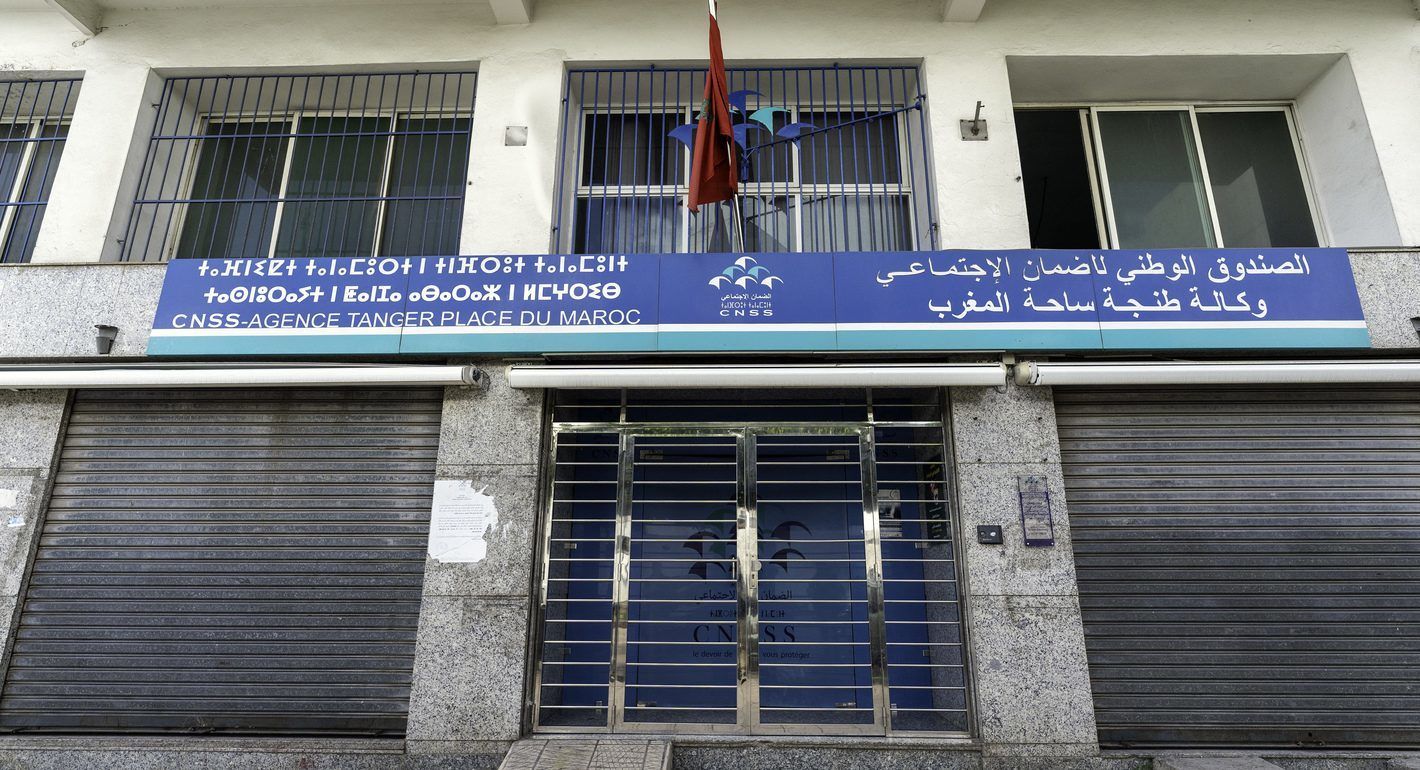
While Morocco’s shift to a digitized social targeting system improves efficiency and coordination in social programs, it also poses risks of exclusion and reinforces austerity policies. The new system uses algorithms based on socioeconomic data to determine eligibility for benefits like cash transfers and health insurance. However, due to technical flaws, digital inequality, and rigid criteria, many vulnerable families are unfairly excluded.
Abderrafie Zaanoun