

Commentary
Syria's transition promised a fresh start. But are old habits of power making a comeback? This analysis looks at the warning signs and what it will take to build a more accountable state.
Sima Beitinjaneh
{
  "authors": [
    "Iris Glosemeyer"
  ],
  "type": "commentary",
  "blog": "Sada",
  "centerAffiliationAll": "",
  "centers": [
    "Carnegie Endowment for International Peace"
  ],
  "collections": [],
  "englishNewsletterAll": "",
  "nonEnglishNewsletterAll": "",
  "primaryCenter": "Carnegie Endowment for International Peace",
  "programAffiliation": "",
  "programs": [],
  "projects": [],
  "regions": [
    "Yemen"
  ],
  "topics": [
    "Political Reform"
  ]
}

REQUIRED IMAGE
The Republic of Yemen looks relatively democratic compared to its neighbors. While Saudi Arabia is now holding local elections and smaller Gulf states have taken modest steps towards increased political participation in recent years, until now only the Kuwaiti parliament (the only such assembly in the world elected by a small male electorate) has been a force to be reckoned with.
The Republic of Yemen looks relatively democratic compared to its neighbors. While Saudi Arabia is now holding local elections and smaller Gulf states have taken modest steps towards increased political participation in recent years, until now only the Kuwaiti parliament (the only such assembly in the world elected by a small male electorate) has been a force to be reckoned with. By contrast, Yemen has a multi-party Parliament, elected by voters of both sexes three times since 1993, which votes on the budget and can withdraw confidence from the government. The Republic of Yemen has had a multi-party system since it came into being in 1990, when the Yemen Arab Republic (YAR) and the People's Democratic Republic of Yemen (PDRY) unified and their respective ruling parties tried to secure survival via political pluralism. Inspired by the global mood of change and buoyed by the long-awaited unification, Yemenis seized the opportunities that came with the introduction of new laws on the press, political parties, and a popular referendum on the constitution of the new state in the early 1990s.
Alas, the Yemeni spring did not survive its first major crisis: the struggle between the political elites of the YAR and the PDRY that had agreed to share power in the unified state. While the international community focused on Egypt, Iraq, and Saudi Arabia, and kept wondering why the third wave of democracy did not reach the Arab world, the window of opportunity in Yemen began to close in winter of 1993-94. One year after the first parliamentary election, in spring 1994 the two former state leaderships went to war with each other. This disaster has had lasting repercussions, and the victorious leadership of the former YAR was left with a fear that political pluralism could result in separatism. Moreover, it is not clear whether the leadership has learned from its mistakes or actually believes its own propaganda that everything that went wrong in the early 1990s was the fault of the Yemeni Socialist Party. More than a decade later, the government still overreacts when journalists violate one of the many taboos or are suspected of “threatening national unity.”
Thus, steps towards democracy are shaky, and while popular participation has been part of daily political life for a long time, such participation is not necessarily peaceful. Violent struggles between the government and radical Islamists opposing the foreign policy of the government occur on a regular basis, frequently drawing one of the many Yemeni tribes into the conflict. The most recent fighting resulted in the death of hundreds of people in Sada province in summer 2004. The next crisis, probably a short-lived one, is already looming as protests against the lift of fuel subsidies are to be expected. Other factors could have more long lasting effects, such as a reported U.S. plan to transfer Yemeni detainees from Guantanamo Bay to a U.S.-controlled prison on Yemeni soil—a move sure to provoke Islamists and nationalists alike as well as discredit the Yemeni human rights minister (the only woman in the cabinet). Tensions created by such a move would put the government on the defensive and increase its desire to keep control by all means.
This would first and foremost affect the press and the estimated 6,000 registered nongovernmental organizations. Many of these NGOs are inactive, many confine their activities to social welfare programs, others turn out to be governmental non governmental organizations (GONGOs) on closer inspection, and still others should more properly be called profit-oriented one-person enterprises. Nevertheless, hundreds of NGOs are engaged in serious civil society work, such as human rights training, election observation, women and youth empowerment programs, and critical academic studies.
Yemeni leaders and citizens are now challenged to ride the next democratic wave, which should bring more transparency in the public and private sectors and more freedom of the press. This time, Yemenis are encouraged by international attention to any glimmer of democracy in the Arab world and especially on the Arabian Peninsula, of which Yemenis make up roughly half the citizens. If Yemen could be removed from its regional context, it could become a true democracy–of a distinctively Yemeni style–within ten years. But being part of the Middle East with all its conflicts, violence, and authoritarian traditions, and being the poorest country of the Arab world and one undergoing a structural adjustment, Yemen's future is much less certain.
Iris Glosemeyer is Research Associate at the Stiftung Wissenschaft und Politik (SWP, German Institute for International and Security Affairs) in Berlin and the author of several publications on Yemen and Saudi Arabia.
Iris Glosemeyer
Carnegie does not take institutional positions on public policy issues; the views represented herein are those of the author(s) and do not necessarily reflect the views of Carnegie, its staff, or its trustees.
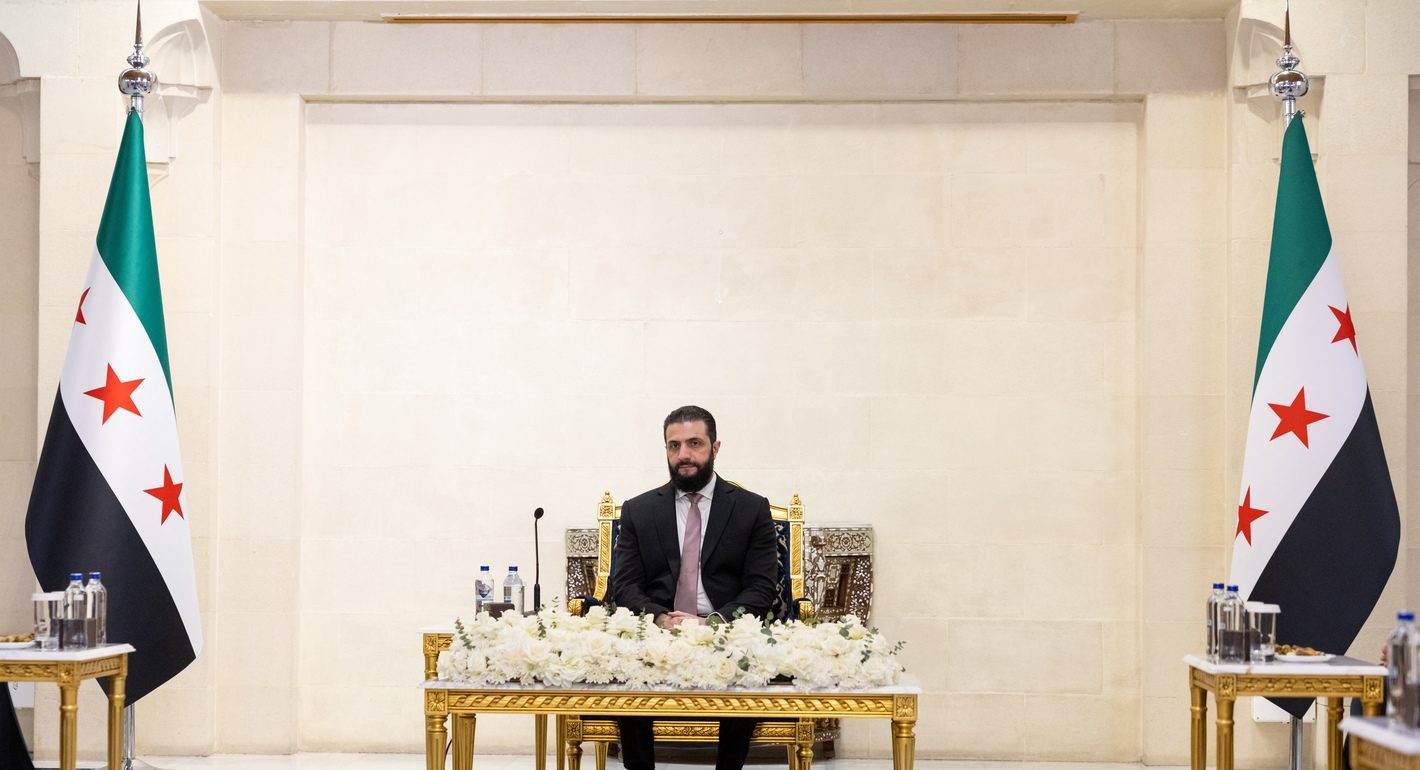
Syria's transition promised a fresh start. But are old habits of power making a comeback? This analysis looks at the warning signs and what it will take to build a more accountable state.

Sima Beitinjaneh
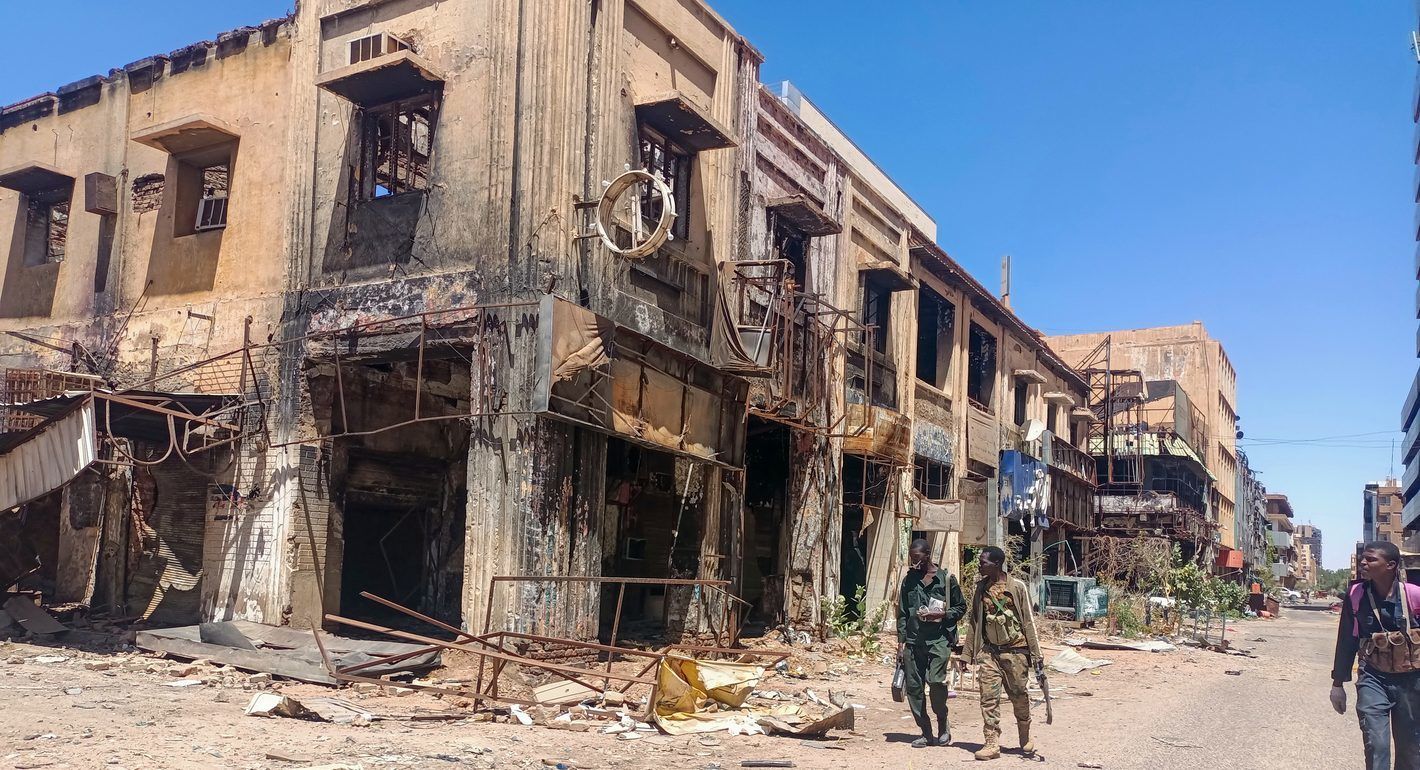
Hate speech has spread across Sudan and become a key factor in worsening the war between the army and the Rapid Support Forces. The article provides expert analysis and historical background to show how hateful rhetoric has fueled violence, justified atrocities, and weakened national unity, while also suggesting ways to counter it through justice, education, and promoting a culture of peace.
Samar Sulaiman
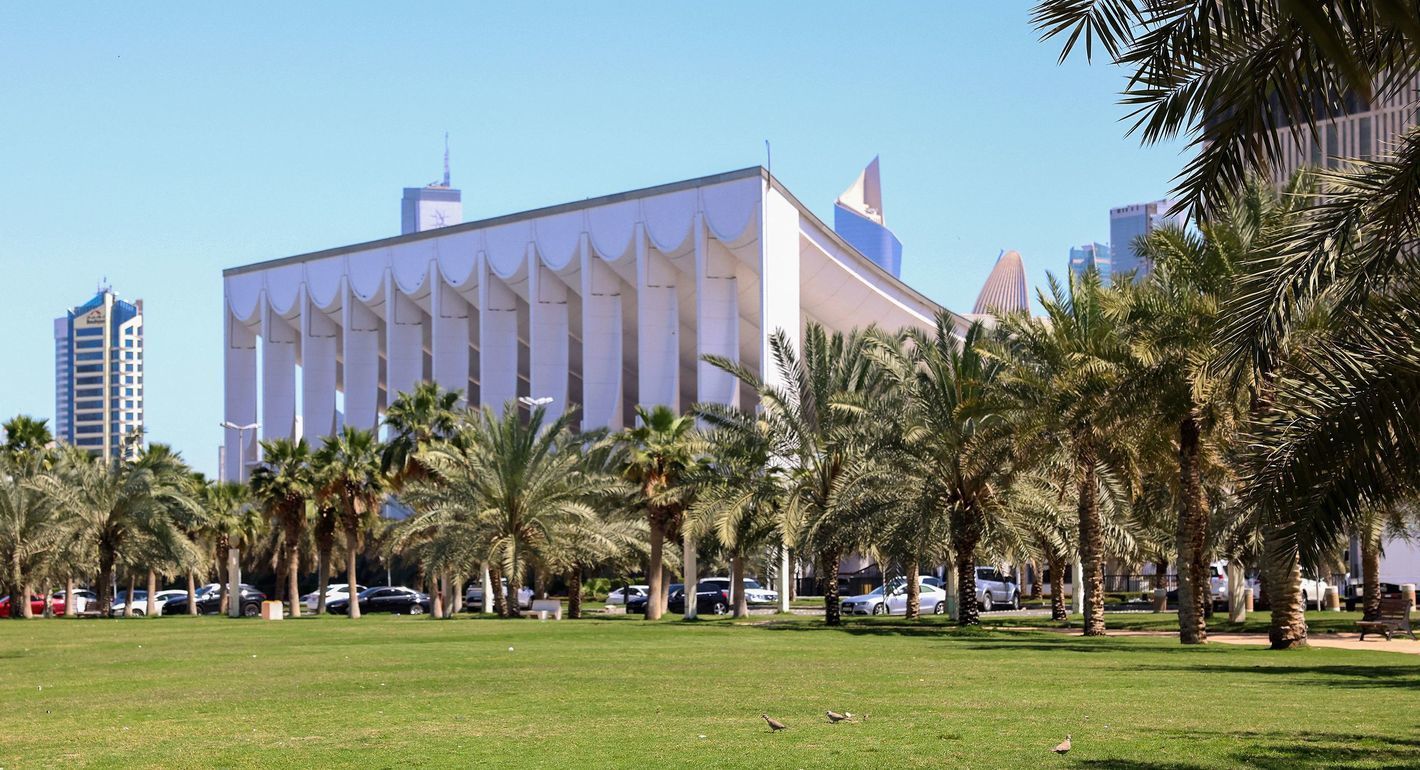
Kuwait’s government has repeatedly launched ambitious reforms under Kuwait Vision 2035, yet bureaucratic inefficiency, siloed institutions, and weak feedback mechanisms continue to stall progress. Adopting government analytics—real-time monitoring and evidence-based decision-making—can transform reform from repetitive announcements into measurable outcomes.
Dalal A. Marafie
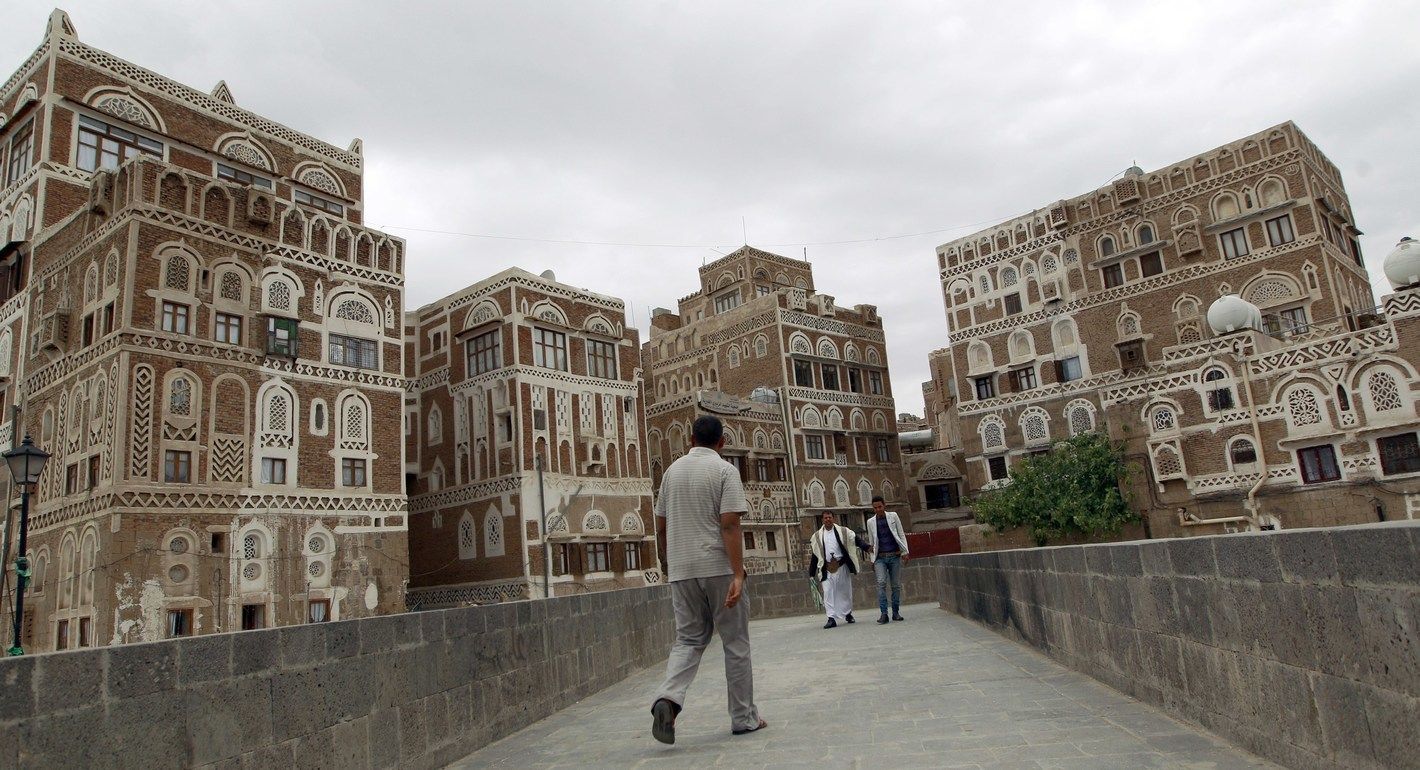
The chaos of street naming in Sana’a reflects the deep weakness of the Yemeni state and its failure to establish a unified urban identity, leaving residents to rely on informal, oral naming systems rooted in collective memory. This urban disorder is not merely a logistical problem but a symbolic struggle between state authority and local community identity.
Sarah Al-Kbat
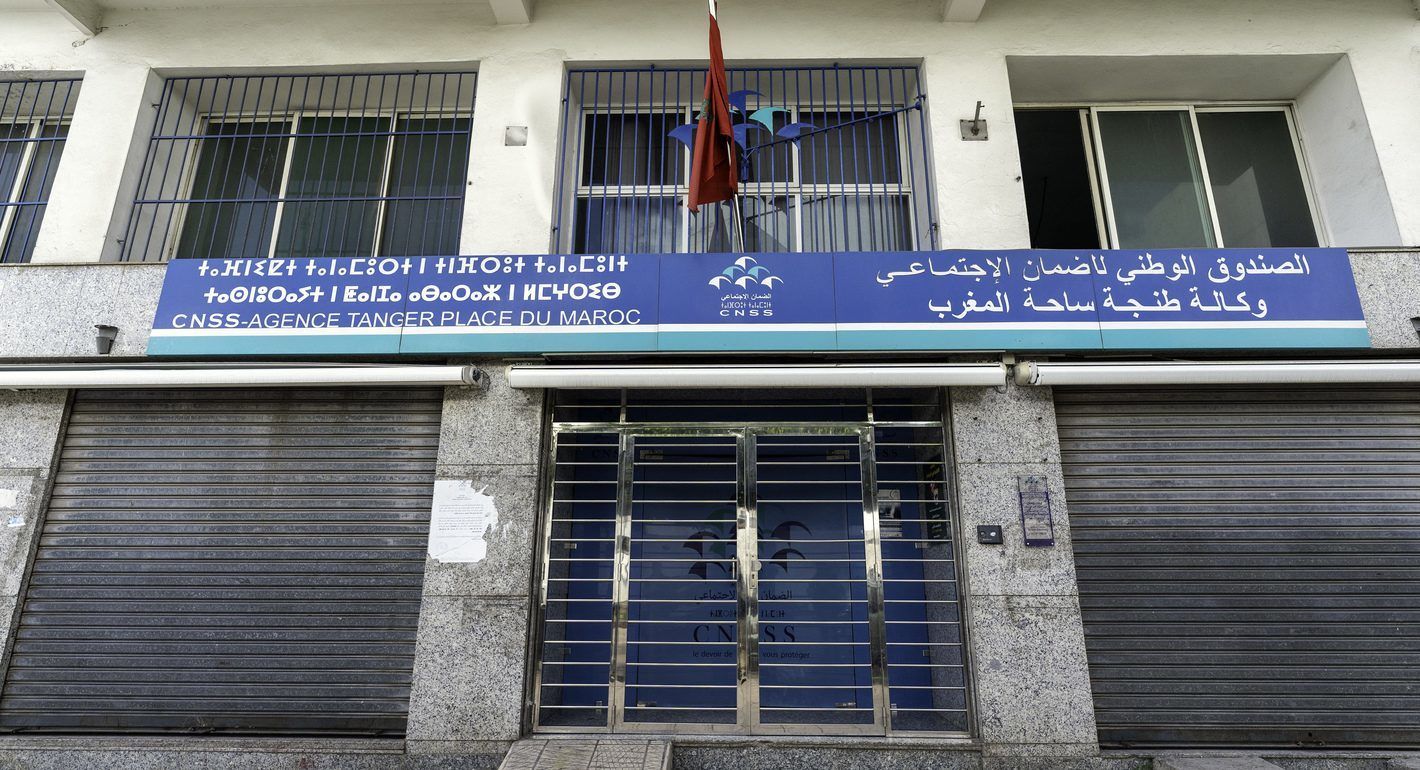
While Morocco’s shift to a digitized social targeting system improves efficiency and coordination in social programs, it also poses risks of exclusion and reinforces austerity policies. The new system uses algorithms based on socioeconomic data to determine eligibility for benefits like cash transfers and health insurance. However, due to technical flaws, digital inequality, and rigid criteria, many vulnerable families are unfairly excluded.
Abderrafie Zaanoun