

Commentary
Syria's transition promised a fresh start. But are old habits of power making a comeback? This analysis looks at the warning signs and what it will take to build a more accountable state.
Sima Beitinjaneh
{
  "authors": [
    "Muhammed Helmy"
  ],
  "type": "commentary",
  "blog": "Sada",
  "centerAffiliationAll": "",
  "centers": [
    "Carnegie Endowment for International Peace"
  ],
  "collections": [],
  "englishNewsletterAll": "",
  "nonEnglishNewsletterAll": "",
  "primaryCenter": "Carnegie Endowment for International Peace",
  "programAffiliation": "",
  "programs": [],
  "projects": [],
  "regions": [
    "Saudi Arabia"
  ],
  "topics": [
    "Political Reform"
  ]
}

REQUIRED IMAGE
Many Arab regimes share a questionable commitment to the principles of human rights, but the Saudi ruling establishment’s commitment is even weaker than that of others in the region. To date, the Saudi government's reform initiatives have had a negligible impact on improving respect for human rights in the Kingdom.
Many Arab regimes share a questionable commitment to the principles of human rights, but the Saudi ruling establishment’s commitment is even weaker than that of others in the region. To date, the Saudi government's reform initiatives have had a negligible impact on improving respect for human rights in the Kingdom. On the contrary, peaceful Saudi reform activists have faced increased police brutality in recent years and continue to be denied the right to counsel and to fair trials. In addition to serving extended prison terms, many have been barred from leaving the country. Most recently, on August 19, Saudi police re-arrested two of the country's most prominent reform activists, university professor and attorney Abdullah al-Hamid and his brother activist Issa al-Hamid. Five women were arrested at the same time for demonstrating in favor of an expedited trial for their relatives. The arrests were made under the pretext of a legally dubious ban on peaceful demonstrations.
Since 2004, Saudi security forces have arrested hundreds of reform activists, and barred twenty-two from traveling, among them Abdullah al-Hamid, professor Matrouk al-Faleh, poet Ali al-Domaini, and Ibrahim al-Makitib--head of “Human Rights First”. Many activists, including Said bin Zuir and Abdullah al-Hamid, have also lost their jobs because of their political views. Critical journalists, such as Khalid al-Dakhil and Saad al-Suwan, have not escaped either and have sometimes been banned from writing in the Saudi press. These violations constitute a sort of collective punishment for advocates of reform in the kingdom. As such, they are evidence that the government's limited reform initiatives, such as local elections, will count for little as long as Saudi citizens are prevented from freely expressing their views and debating the future of their country.
In addition to releasing jailed reformers, the Saudi government should begin abiding by its own laws. It should implement the criminal procedure code introduced in 2002, which guarantees the protection of human rights. Article 2 prohibits torturing or physically or psychologically harming defendants, as well as treating them in a degrading manner. Article 102 prohibits interrogators from influencing defendants' testimonies. Article 162 guarantees the defendants' right to a fair trial and Article 4 gives them the right to counsel at both the investigation and trial stages. According to Article 182, trials must be public, and in the event that a case is reviewed privately, the court must announce its verdict publicly. Judges, police investigators, and other concerned agencies have yet to fully implement the code, in part due to the lack of executive regulations. The absence of such regulations has opened the door to personal interpretation and led to abuses and violations.
Political reform initiatives in Saudi Arabia will be meaningful only if the ruling establishment begins to allow for dissent, free circulation of information, improve respect for human rights, and take serious steps towards holding accountable those involved in torture and mistreatment of civilians.
Muhammad Helmy is managing editor of Rawaq ‘Arabi, a publication of the Cairo Institute for Human Rights Studies. Dina Bishara translated this article from Arabic.
Muhammed Helmy
Carnegie does not take institutional positions on public policy issues; the views represented herein are those of the author(s) and do not necessarily reflect the views of Carnegie, its staff, or its trustees.
Syria's transition promised a fresh start. But are old habits of power making a comeback? This analysis looks at the warning signs and what it will take to build a more accountable state.
Sima Beitinjaneh
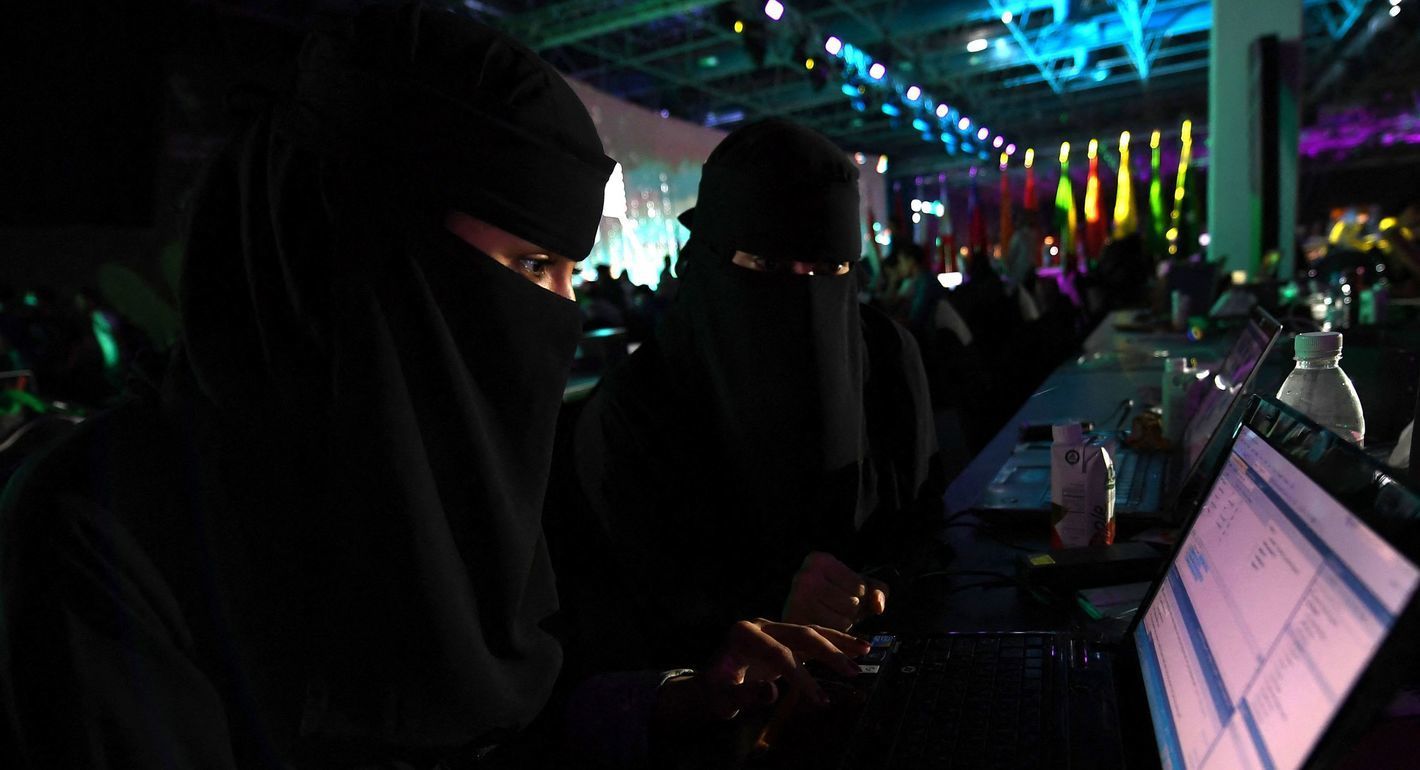
How can Saudi Arabia turn its booming e-commerce sector into a real engine of economic empowerment for women amid persistent gaps in capital access, digital training, and workplace inclusion? This piece explores the policy fixes, from data-center integration to gender-responsive regulation, that could unlock women’s full potential in the kingdom’s digital economy.
Hannan Hussain
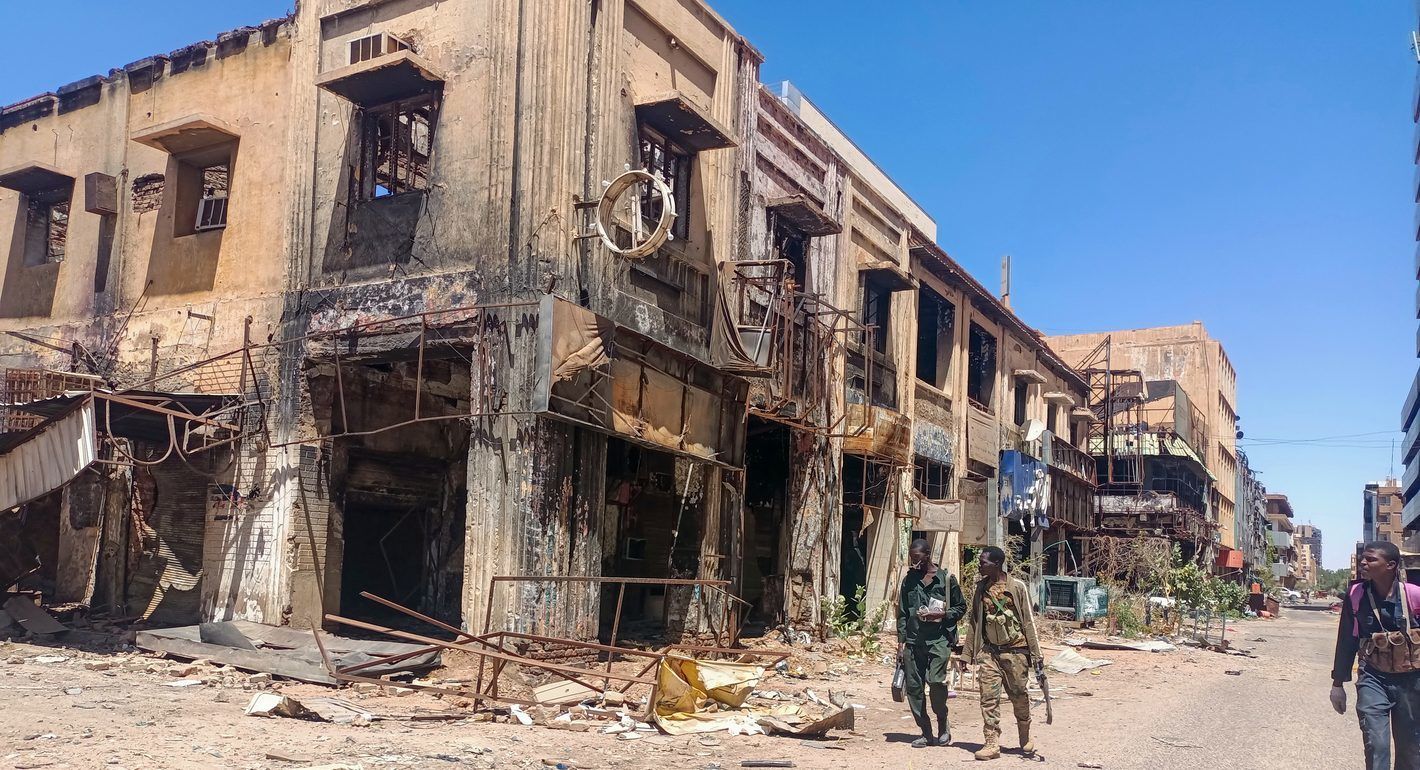
Hate speech has spread across Sudan and become a key factor in worsening the war between the army and the Rapid Support Forces. The article provides expert analysis and historical background to show how hateful rhetoric has fueled violence, justified atrocities, and weakened national unity, while also suggesting ways to counter it through justice, education, and promoting a culture of peace.
Samar Sulaiman
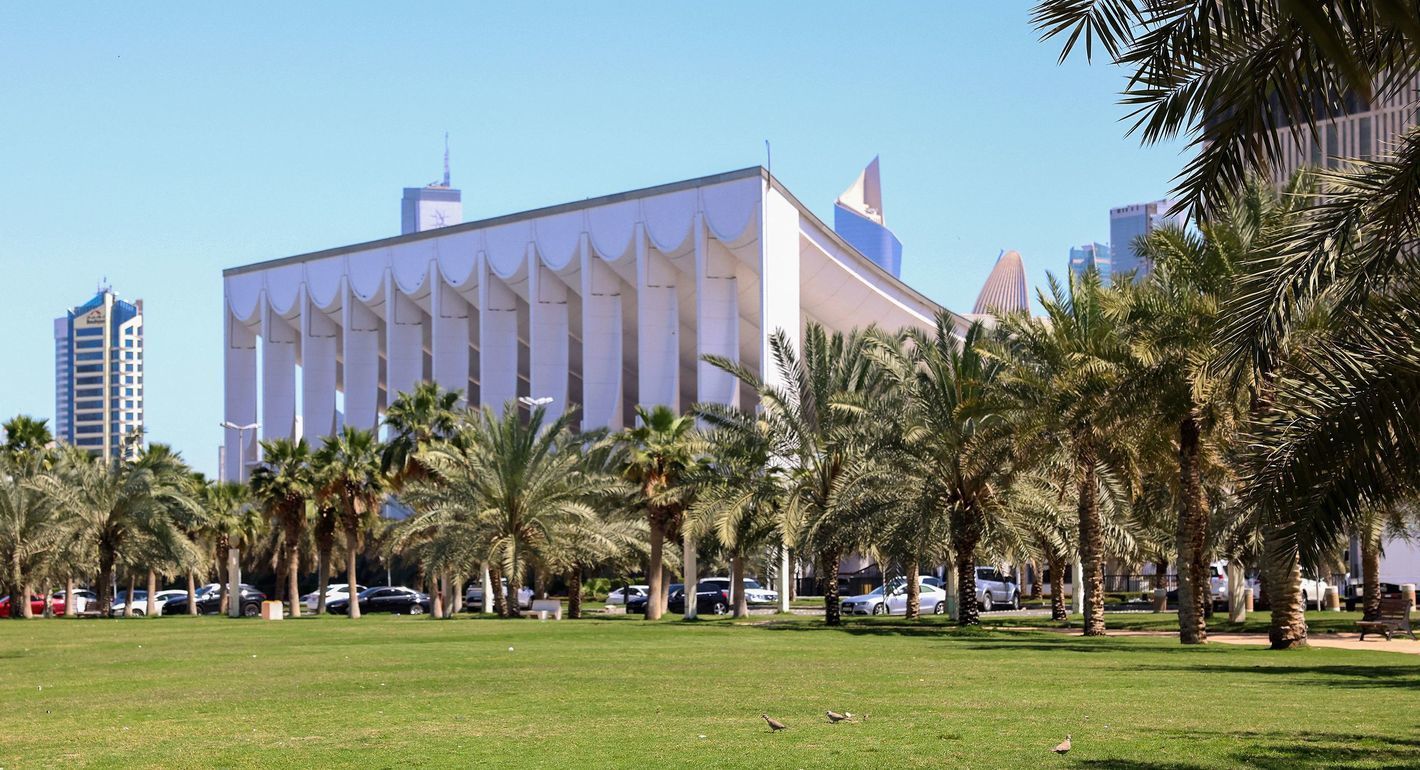
Kuwait’s government has repeatedly launched ambitious reforms under Kuwait Vision 2035, yet bureaucratic inefficiency, siloed institutions, and weak feedback mechanisms continue to stall progress. Adopting government analytics—real-time monitoring and evidence-based decision-making—can transform reform from repetitive announcements into measurable outcomes.
Dalal A. Marafie
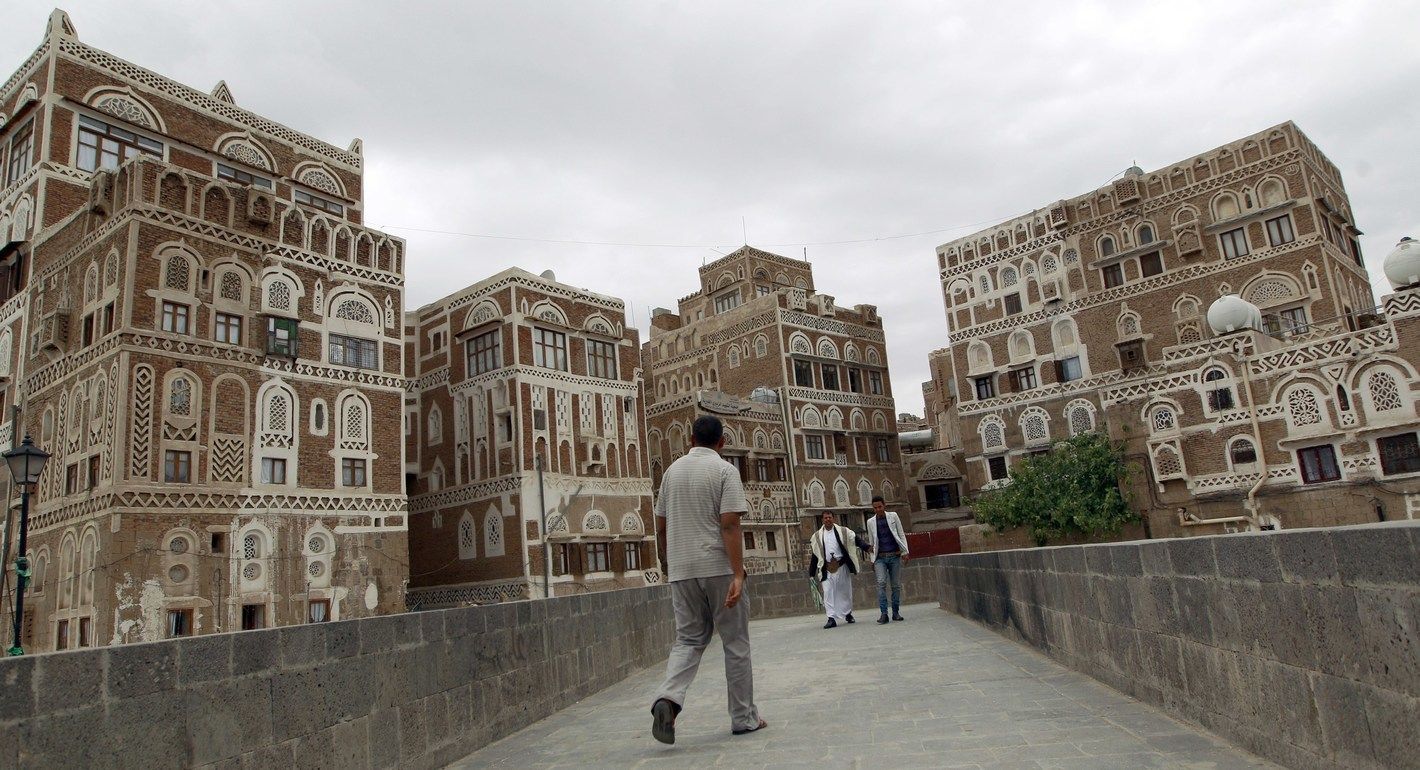
The chaos of street naming in Sana’a reflects the deep weakness of the Yemeni state and its failure to establish a unified urban identity, leaving residents to rely on informal, oral naming systems rooted in collective memory. This urban disorder is not merely a logistical problem but a symbolic struggle between state authority and local community identity.
Sarah Al-Kbat