

Commentary
Syria's transition promised a fresh start. But are old habits of power making a comeback? This analysis looks at the warning signs and what it will take to build a more accountable state.
Sima Beitinjaneh
{
  "authors": [
    "Dr. Muhammad Abd al-Malik al-Mutawakkil"
  ],
  "type": "commentary",
  "blog": "Sada",
  "centerAffiliationAll": "",
  "centers": [
    "Carnegie Endowment for International Peace"
  ],
  "collections": [],
  "englishNewsletterAll": "",
  "nonEnglishNewsletterAll": "",
  "primaryCenter": "Carnegie Endowment for International Peace",
  "programAffiliation": "",
  "programs": [],
  "projects": [],
  "regions": [
    "Yemen"
  ],
  "topics": [
    "Political Reform"
  ]
}

REQUIRED IMAGE
The JMP effort was indispensable to create a balance between civil society institutions on the one hand and the military and tribal institutions on the other, which is critical to democracy. Five political parties formed the JMP: the Islah, Socialist, Nasserite, and al-Haqq parties, and the FPF
What is the situation of political parties in Yemen? How would you describe the Federation for Popular Forces' (FPF) participation in the Joint Meeting Party (JMP) coalition?
The JMP effort was indispensable to create a balance between civil society institutions on the one hand and the military and tribal institutions on the other, which is critical to democracy. Five political parties formed the JMP: the Islah, Socialist, Nasserite, and al-Haqq parties, and the FPF.
Rulers accept political parties in developing countries on the condition that they do not press for a democracy that affects the rulers' privileges, limits their authority, or crosses red lines in criticizing them. Nonetheless, in time parties develop and become a double-edged sword. The Yemeni press also has begun to cross red lines, for example criticizing top officials during the presidential election.
When the ruling party—or rather the ruler's party, as that is all it really is—competes against another party in elections, there is no way that such elections can be fair, free, and equal. The ruling party exploits state resources such as the media, armed forces, and bureaucrats, and so the opposition is competing not against a party, but a state.
Despite that, I believe that the 2006 presidential election was crucial in terms of developing political culture; it introduced the idea of competition through the ballot box.
The real significance of the election was to deepen democratic culture and allow parties to put forward their platforms. The JMP participated so that its members could gain experience in electoral competition, despite the unfairness of the situation.
Do the parties in Yemen have constituencies?
I think that now the parties have a real popular presence, especially Islah and the Socialist Party (which has a long heritage) as well as the Nasserite Union Organization, the FPF, and al-Haqq.
In the past there were two types of parties. Some were underground and therefore incapable of addressing constituents openly. Their members were always worried about security and unused to democracy. With the advent of a multiparty system, such parties had to learn how to address constituents and to institute democratic practices internally. All this has taken time.
Then, there were government parties, such as the Socialist Party in the southern provinces and the General People's Congress. They are parties created from above. For these parties as well, transformation is not easy. Our society is the product of an authoritarian culture, with the ruler imagining himself king and the citizens seeing themselves as subjects.
How do the parties develop their popular base? Can this base put pressure on the government?
The goal of the parties is reform, and this will only happen one of two ways. Either there can be a political will on the part of our leaders to build a modern, democratic state or there can be a popular will for change that puts pressure on the leadership. The mission of the parties, especially the opposition, is to develop this popular will. The latest elections brought about a qualitative leap, and citizens today from Sada to al-Mahara are monitoring the president they elected and feel that he and his government are accountable to them. This is a cultural shift of vast importance.
Yemen's problem is the lack of democracy, separation of powers, independent judiciary, and rule of law; so there is also no effective administration. The parties all see the same problem. What brought together the JMP—combining Islamists, socialists, and Nasserites? They all want to level the democratic playing field. The Islamists started out as sectarian groups, and gradually changed into political parties. Today, ideology no longer has a significant impact within the parties. They now focus on issues, a momentous development. Party members contribute somewhat to drafting programs, but mainly the parties shape their programs according to popular input and reactions.
To what extent do the parties work with civil society organizations?
In my opinion, civil society organizations at this point are more important than the political parties because they incorporate the elite and therefore can play a crucial role if they are independent. However, the security apparatuses and the political parties compete to influence these organizations. Each wants to take civil society under its wing for its own purposes, and this is destructive. And so the parties agreed among themselves to let civil society organizations remain independent. Practically speaking, however, there are many party members who still operate as they did when they were underground, and fail to differentiate their role in civil society organizations from their role as opposition members. The government, too, still tries to undermine civil society organizations.
Is there a national agenda for reform in Yemen?
The JMP has a national platform that views political reform as the gateway to comprehensive reform. With the poverty of Yemeni society, economic development is a must. But economic development requires good governance, which in turn needs a parliament able to hold the government accountable, as well as rule of law and an independent judiciary. So without political reform, economic reform is difficult.
Yemen is heading for parliamentary elections (Note: due in April 2009), and parties now need to focus on ensuring free and fair elections and strengthening their hand with the government. The parties have opened a dialogue with the ruling party, but what they really need is negotiations. Dialogue should take place with constituents. Parties need to focus on how to mobilize popular pressure against the government and how to work with acceptable foreign organizations.
Do all Yemenis enjoy equal rights as citizens?
There's no equal citizenship anywhere in the Arab world. There is discrimination by profession or religion and by economic or social status. People's rights depend on how they are seen by society. We have marginalized those whom we consider inferior, and we have only given them the rights that in our minds they deserve. Is there equal citizenship between men and women? The condescension with which men look at women translates into fewer rights for women. There is not equal citizenship.
Do parties suffer from some of the same problems seen in the government? If so, can they make a difference?
In the Arab world, parties call for democracy whether they are opposition or government, but do the parties truly practice democracy? They call for freedom and building institutions, but do not practice what they preach. Political parties and civil society organizations should become a model for our ideal state. For now, opposition parties and government parties to a certain extent are two sides of the same coin.
But there is change. Until recently, for example, women's voices went unheard. I recently attended a forum held by Young Women for Reform, where the women and Salafists held a dialogue. Women also were elected to the consultative council of the Islah party. This reflects an evolution in social awareness.
Most important and encouraging is the desire for social mobility. Our schools and universities today have entered the political battle. There are no fewer than 300,000 educated citizens, all eager to change their economic, social, and political positions. They may well find social and economic doors closed in front of them, and so they will turn to political struggle. If the parties are able to organize them and turn them into a powerful force, then I would give Yemen only ten years before arriving at an advanced stage of democracy.
This interview was conducted by Rafiah al-Talei, an Omani journalist and intern at the Carnegie Endowment for International Peace in Washington. It was translated from Arabic by Paul Wulfsberg
Dr. Muhammad Abd al-Malik al-Mutawakkil
Carnegie does not take institutional positions on public policy issues; the views represented herein are those of the author(s) and do not necessarily reflect the views of Carnegie, its staff, or its trustees.
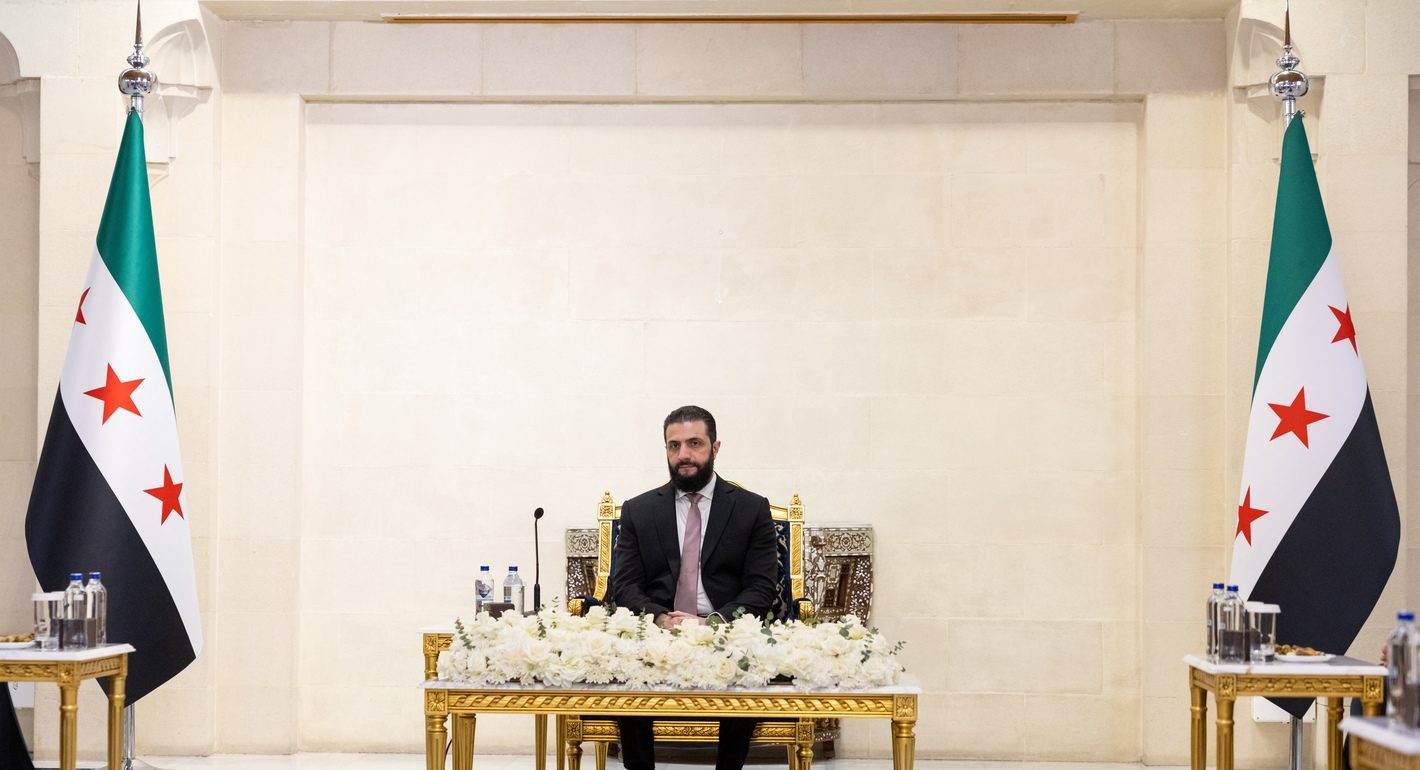
Syria's transition promised a fresh start. But are old habits of power making a comeback? This analysis looks at the warning signs and what it will take to build a more accountable state.
Sima Beitinjaneh
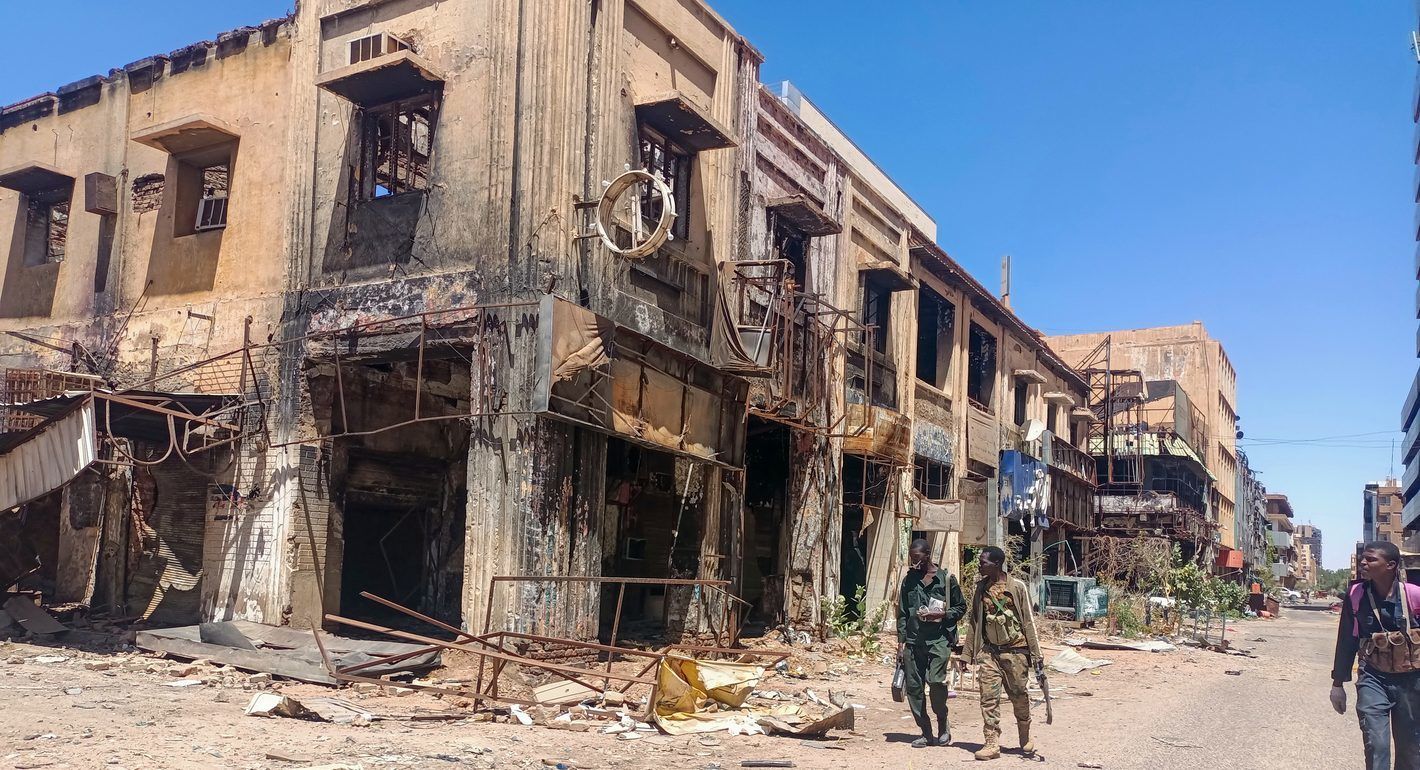
Hate speech has spread across Sudan and become a key factor in worsening the war between the army and the Rapid Support Forces. The article provides expert analysis and historical background to show how hateful rhetoric has fueled violence, justified atrocities, and weakened national unity, while also suggesting ways to counter it through justice, education, and promoting a culture of peace.
Samar Sulaiman
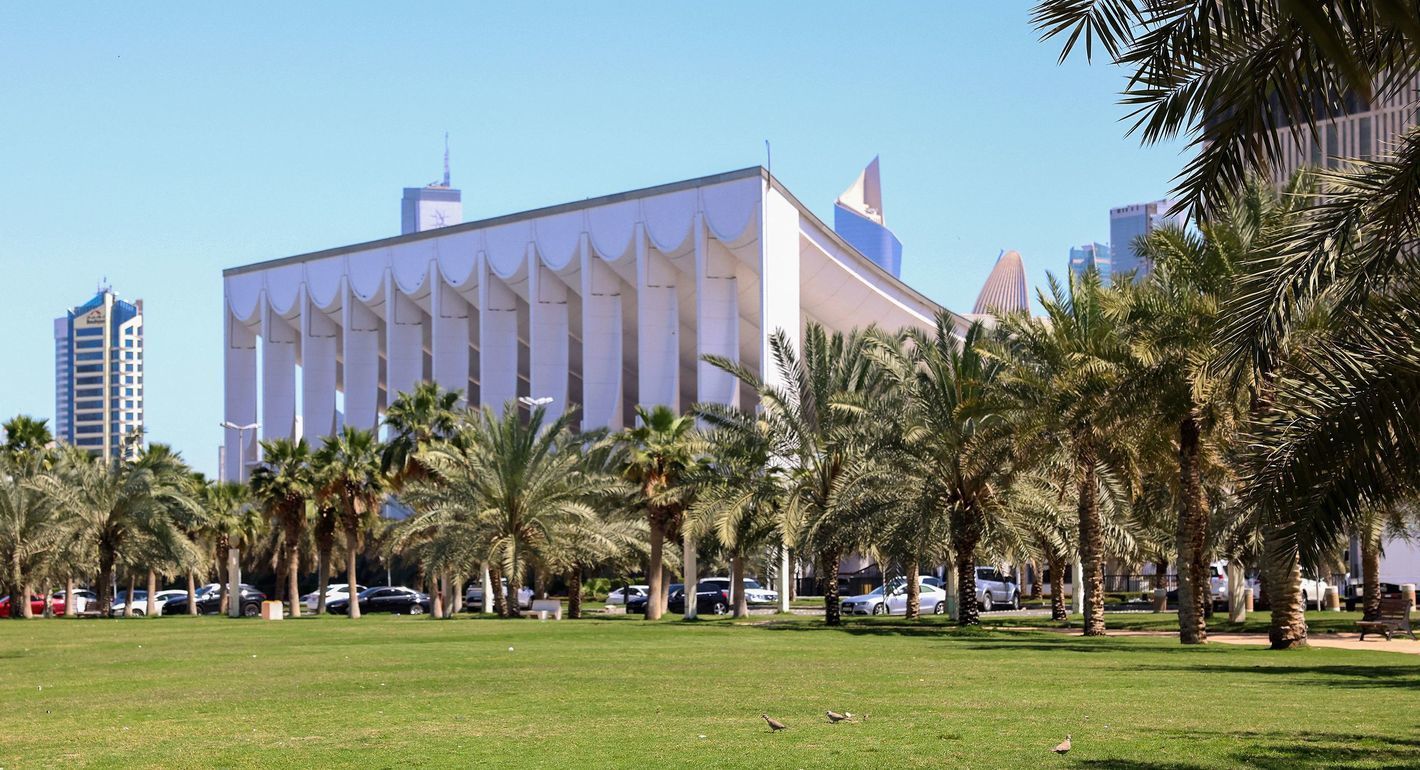
Kuwait’s government has repeatedly launched ambitious reforms under Kuwait Vision 2035, yet bureaucratic inefficiency, siloed institutions, and weak feedback mechanisms continue to stall progress. Adopting government analytics—real-time monitoring and evidence-based decision-making—can transform reform from repetitive announcements into measurable outcomes.
Dalal A. Marafie
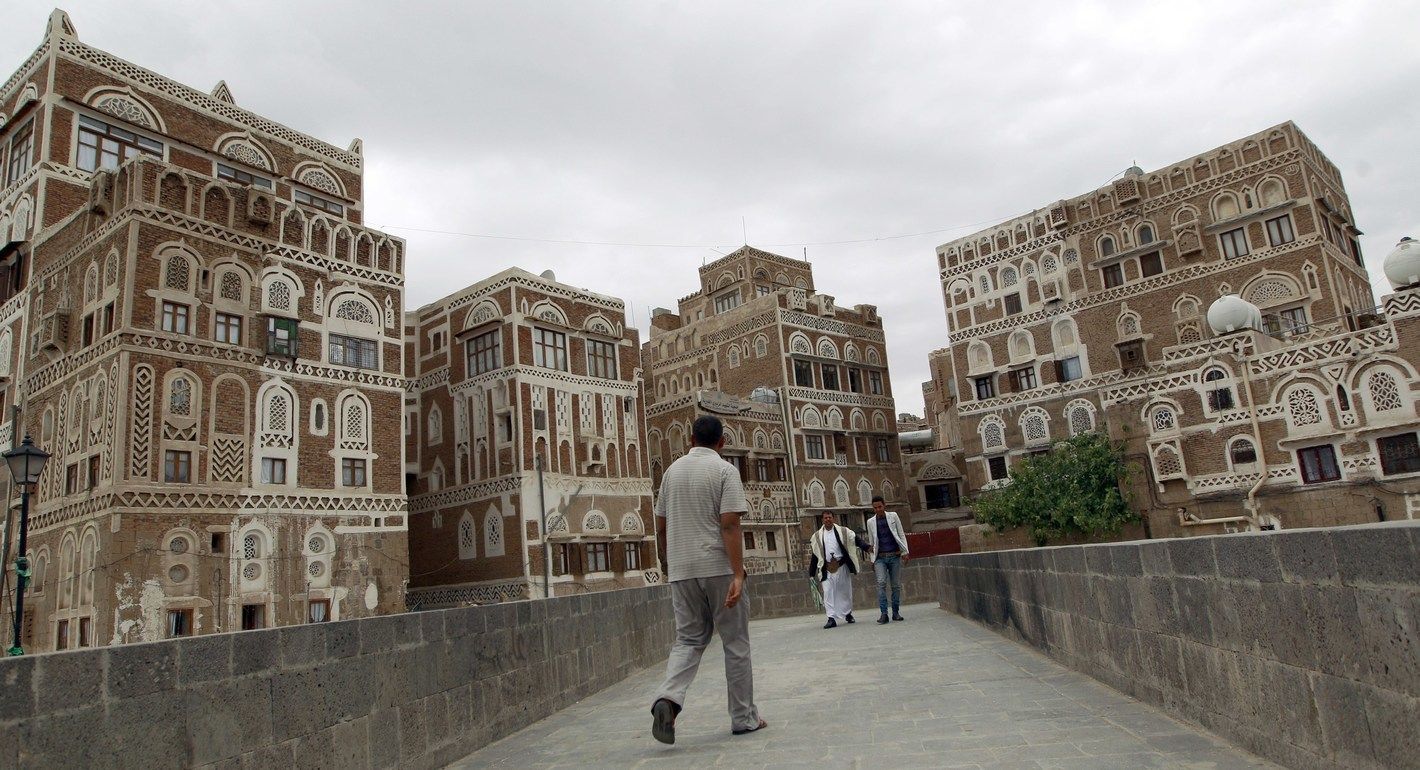
The chaos of street naming in Sana’a reflects the deep weakness of the Yemeni state and its failure to establish a unified urban identity, leaving residents to rely on informal, oral naming systems rooted in collective memory. This urban disorder is not merely a logistical problem but a symbolic struggle between state authority and local community identity.
Sarah Al-Kbat
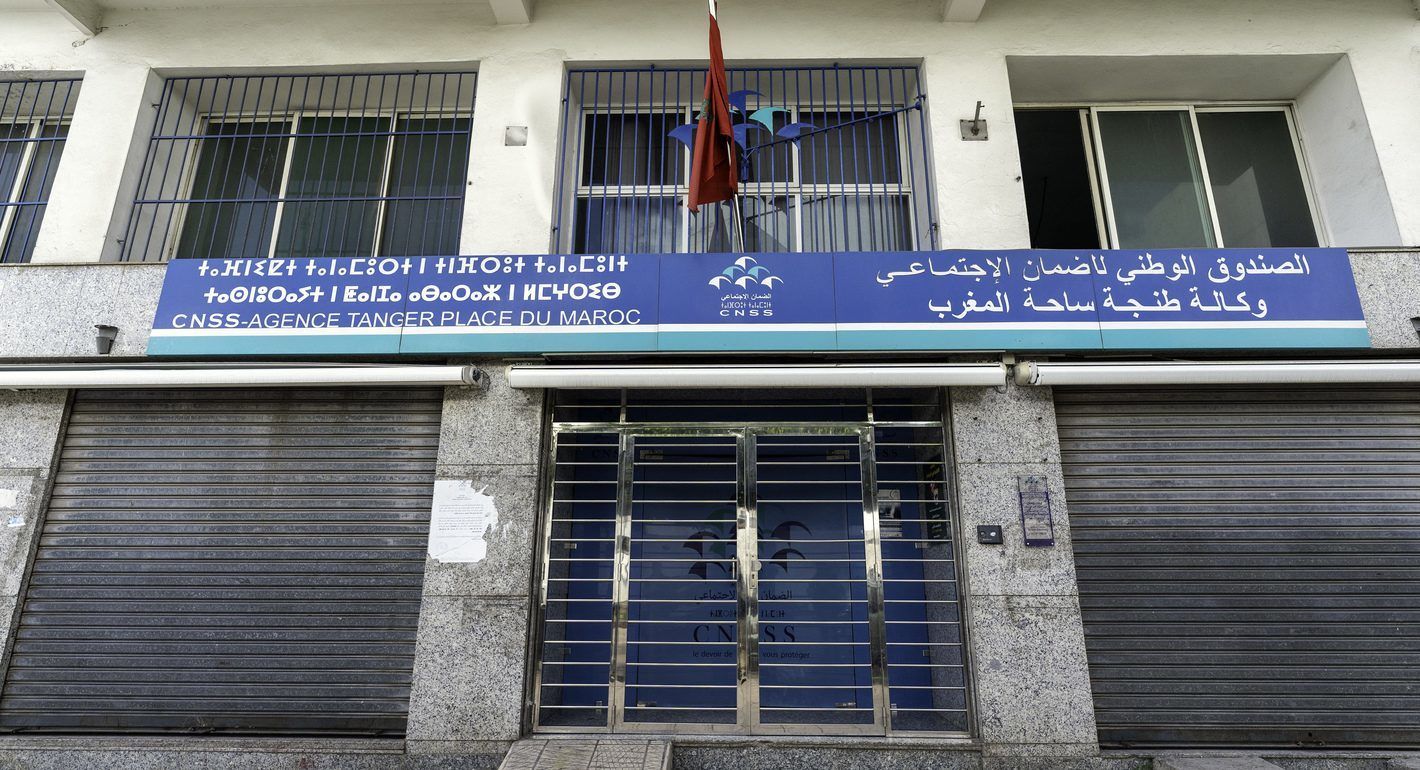
While Morocco’s shift to a digitized social targeting system improves efficiency and coordination in social programs, it also poses risks of exclusion and reinforces austerity policies. The new system uses algorithms based on socioeconomic data to determine eligibility for benefits like cash transfers and health insurance. However, due to technical flaws, digital inequality, and rigid criteria, many vulnerable families are unfairly excluded.
Abderrafie Zaanoun