

Commentary
Syria's transition promised a fresh start. But are old habits of power making a comeback? This analysis looks at the warning signs and what it will take to build a more accountable state.
Sima Beitinjaneh
{
  "authors": [
    "Leslie Campbell",
    "Thomas O. Melia"
  ],
  "type": "commentary",
  "blog": "Sada",
  "centerAffiliationAll": "",
  "centers": [
    "Carnegie Endowment for International Peace"
  ],
  "collections": [],
  "englishNewsletterAll": "",
  "nonEnglishNewsletterAll": "",
  "primaryCenter": "Carnegie Endowment for International Peace",
  "programAffiliation": "",
  "programs": [],
  "projects": [],
  "regions": [
    "Iraq"
  ],
  "topics": [
    "Political Reform"
  ]
}

REQUIRED IMAGE
More than one hundred political parties have been established in Iraq since the fall of Saddam Hussein's regime. Some call themselves "movements," "associations," or "fronts," and they are dedicated variously to democracy, human rights, Islamic values, constitutionalism, federalism, national unity, and ethnic or tribal identity.
More than one hundred political parties have been established in Iraq since the fall of Saddam Hussein's regime. Some call themselves "movements," "associations," or "fronts," and they are dedicated variously to democracy, human rights, Islamic values, constitutionalism, federalism, national unity, and ethnic or tribal identity.
Two groups in particular enjoy name recognition and substantial support among the Shiite voters who constitute a plurality in the country. The Da'wa party has emerged from underground, while the Supreme Council for Islamic Revolution in Iraq has arrived from Iran. Both seem to have resources and confidence. Yet questions surround their position on women's rights, their tolerance of religious minorities—and their connections to Iranian clerics and intelligence agencies. The Persian-language banners on display at a December 16 rally organized by the two groups in Basra to celebrate the capture of Saddam underscored such connections.
There is no comparable religious movement (yet) among Sunnis. They seem to see their interests better served by a "national" (meaning non-federal) and distinctly secular Iraq. A group of 60 community leaders in Tikrit with whom we met in mid-December expressed anger that all Sunnis are now tagged as "Baathists." Though many admitted to past Baath party connections, they complained that they have not received credit from Americans and other Iraqis for their roles in 1990s coup attempts against Saddam.
The two major Kurdish parties, the Patriotic Union of Kurdistan (PUK) and the Kurdistan Democratic Party (KDP), have governed autonomous northern Iraq since 1991. Thus, they possess valuable infrastructure, campaign and governing experience, well-established loyalty among their respective constituencies, and a clear platform: autonomy. The sizeable Kurdish communities elsewhere in Iraq, especially in Baghdad, may yet generate alternative political formations to challenge the Kurdish old guard. Meanwhile, the PUK and KDP are cultivating (and financing) non-Kurdish parties throughout the country in the hope they will support a federal state with substantial autonomy for the northern Kurdish regions.
Iraq's tribes and confederations, such as the Democratic Gathering of Tribal Leaders in Basra, are also girding for the new politics ahead. They intend to run candidates in the upcoming elections, as tribes in neighboring Jordan have done in Jordanian elections.
Secular constitutional democrats, inspired by western notions of universal democratic standards, are scattered throughout the country. At present, the Iraqi Communist Party (ICP) boasts the most significant organizational structure of the secular parties. With dues-paying members and small offices nationwide, the credibility of long opposition to Saddam, and a newly adopted European-style social democratic platform, the ICP could anchor a secular democratic coalition that could rally some former Iraqi National Congress parties and the newly formed or reinvigorated parties of moderate, secular Governing Council members. These include Adnan Pachachi's Democratic Centrist Tendency and Independent Democrats Movement and Kamil Chadirchi's National Democratic Party.
Ordinary Iraqis are skeptical about the emerging party scene. In focus groups last summer, many Iraqis dismissed them all. A recent survey by Oxford International found that while support for an "Iraqi democracy" (as opposed to rule by clerics, the military, or a strong man) is robust, political parties—no matter their character—command little popular support. More than seventy percent of Iraqis polled could not, or would not, express a preference for a party.
Thus the outcome of any future election is not at all certain. How contenders organize and comport themselves will matter a great deal. Our recent discussions with leaders of these new parties indicate they are receptive to international support for their development. Yet several important questions must first be addressed in any party-building effort in Iraq.
Given the substantial asymmetries in resources and experience among parties, should assistance be made available to all the players—including the well-established Kurdish parties and those with Iranian support—or to those with the greatest need? A case can be made that the beleaguered and impoverished minority of democracy activists should be the focal point of party-building efforts in Iraq. Though unlikely to become a major force in the near term, they could provide an important voice for constitutionalism, individual rights, due process and tolerance of minorities, if they could establish a beachhead in parliament and local councils.
Should parties with a dubious commitment to fundamental democratic values be shunned, or be invited to engage with the international community of democratic parties in the hope they will learn from their peers? Does the preponderance of arms within several parties (some even have full-fledged militias) disqualify them from assistance in such a notoriously insecure environment?
Finally, should those who would strengthen democracy in Iraq help former Baathists turn the page and become democratic nationalists, just as former Communists in the Soviet Union and Eastern Europe were permitted to reinvent themselves as capitalists and democrats? Or should we shun them, and risk alienating those who might provide a secular bulwark against religious extremism? Iraqis are busy preparing for the elections to come. In order for any assistance strategy to be effective, democracy promoters need to make choices, and to do so soon.
Leslie Campbell is regional director for the Middle East and North Africa at the National Democratic Institute for International Affairs. Thomas O. Melia is Director of Research at Georgetown University's Institute for the Study of Diplomacy. They were part of a December 2003 assessment of Iraq's political parties conducted with the International Republican Institute.
Leslie Campbell
Thomas O. Melia
Carnegie does not take institutional positions on public policy issues; the views represented herein are those of the author(s) and do not necessarily reflect the views of Carnegie, its staff, or its trustees.
Syria's transition promised a fresh start. But are old habits of power making a comeback? This analysis looks at the warning signs and what it will take to build a more accountable state.
Sima Beitinjaneh
Iraq’s foreign policy is being shaped by its own internal battles—fractured elites, competing militias, and a state struggling to speak with one voice. The article asks: How do these divisions affect Iraq’s ability to balance between the U.S. and Iran? Can Baghdad use its “good neighbor” approach to reduce regional tensions? And what will it take for Iraq to turn regional investments into real stability at home? It explores potential solutions, including strengthening state institutions, curbing rogue militias, improving governance, and using regional partnerships to address core economic and security weaknesses so Iraq can finally build a unified and sustainable foreign policy.
Mike Fleet
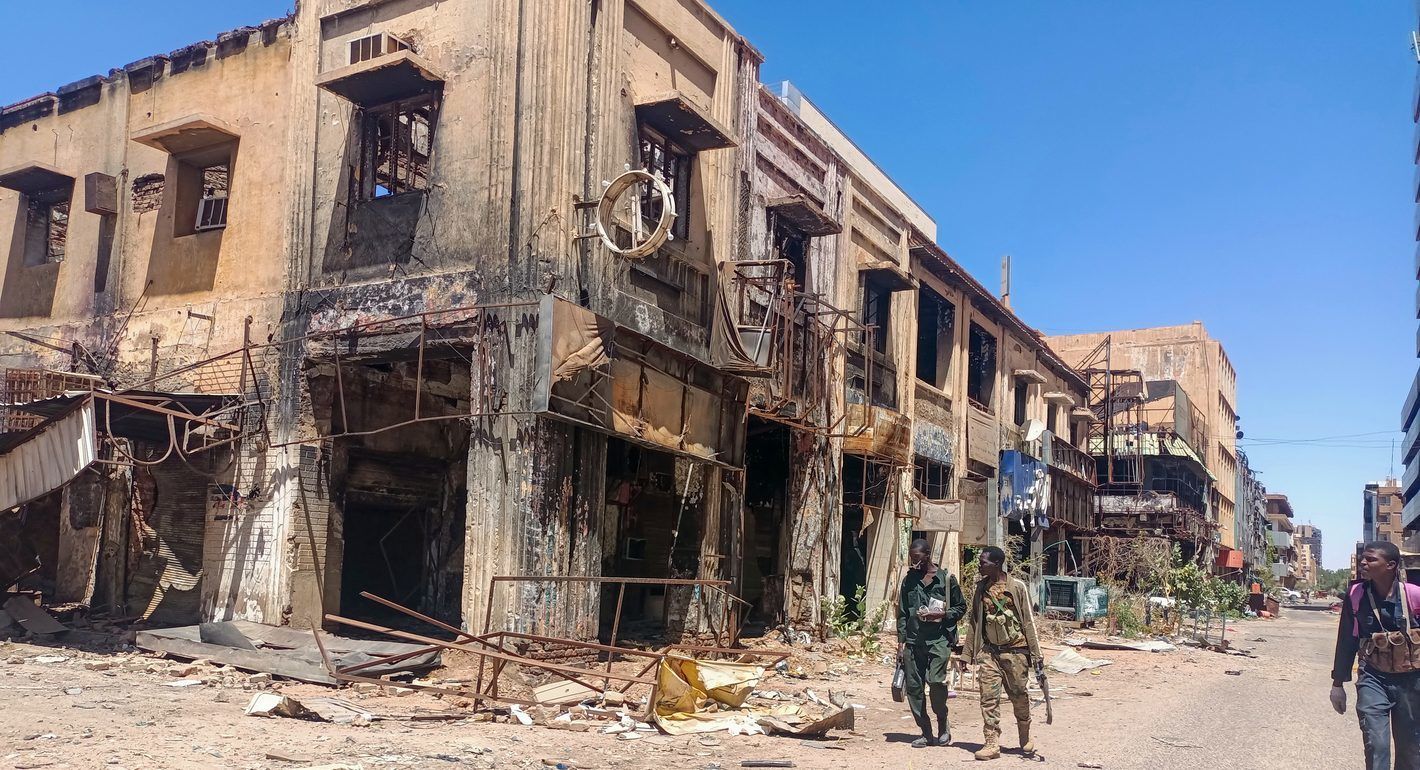
Hate speech has spread across Sudan and become a key factor in worsening the war between the army and the Rapid Support Forces. The article provides expert analysis and historical background to show how hateful rhetoric has fueled violence, justified atrocities, and weakened national unity, while also suggesting ways to counter it through justice, education, and promoting a culture of peace.
Samar Sulaiman
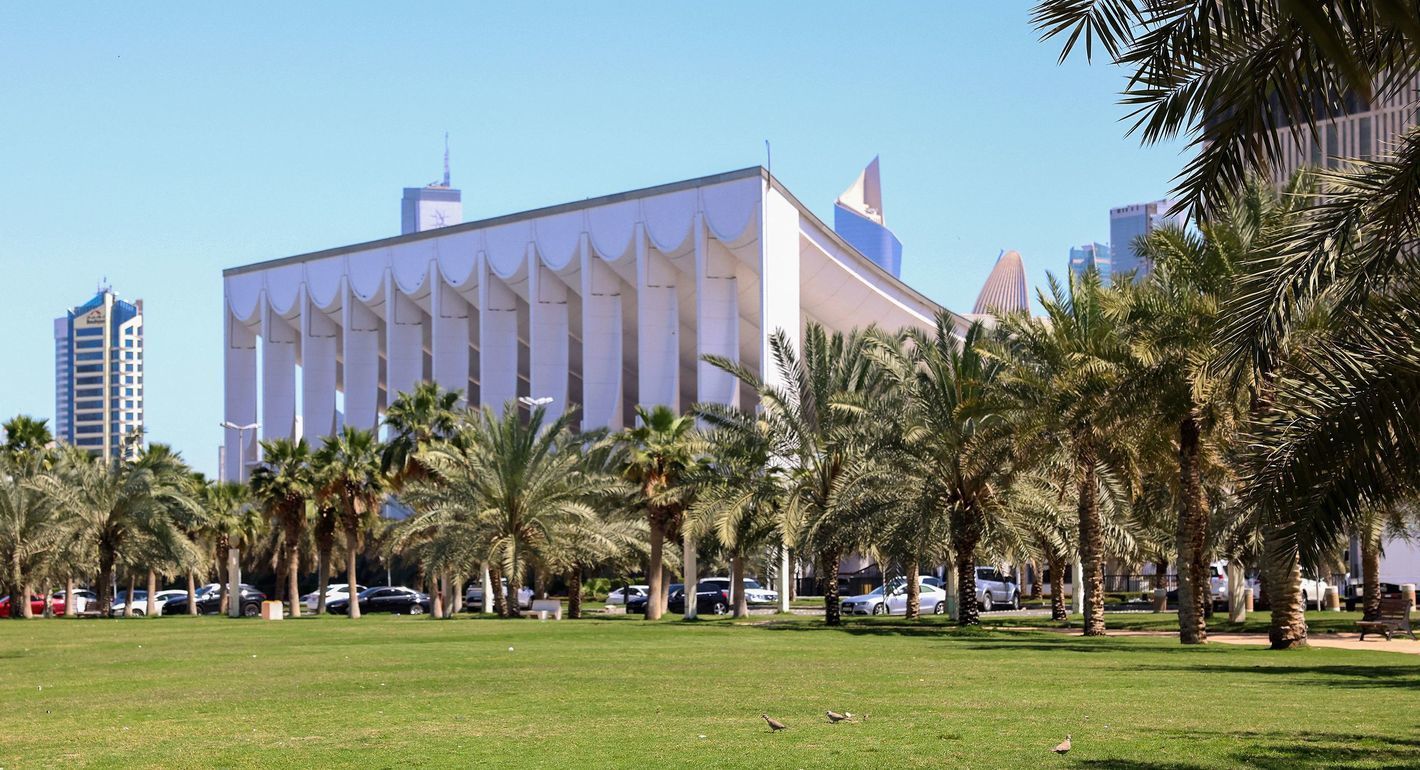
Kuwait’s government has repeatedly launched ambitious reforms under Kuwait Vision 2035, yet bureaucratic inefficiency, siloed institutions, and weak feedback mechanisms continue to stall progress. Adopting government analytics—real-time monitoring and evidence-based decision-making—can transform reform from repetitive announcements into measurable outcomes.
Dalal A. Marafie
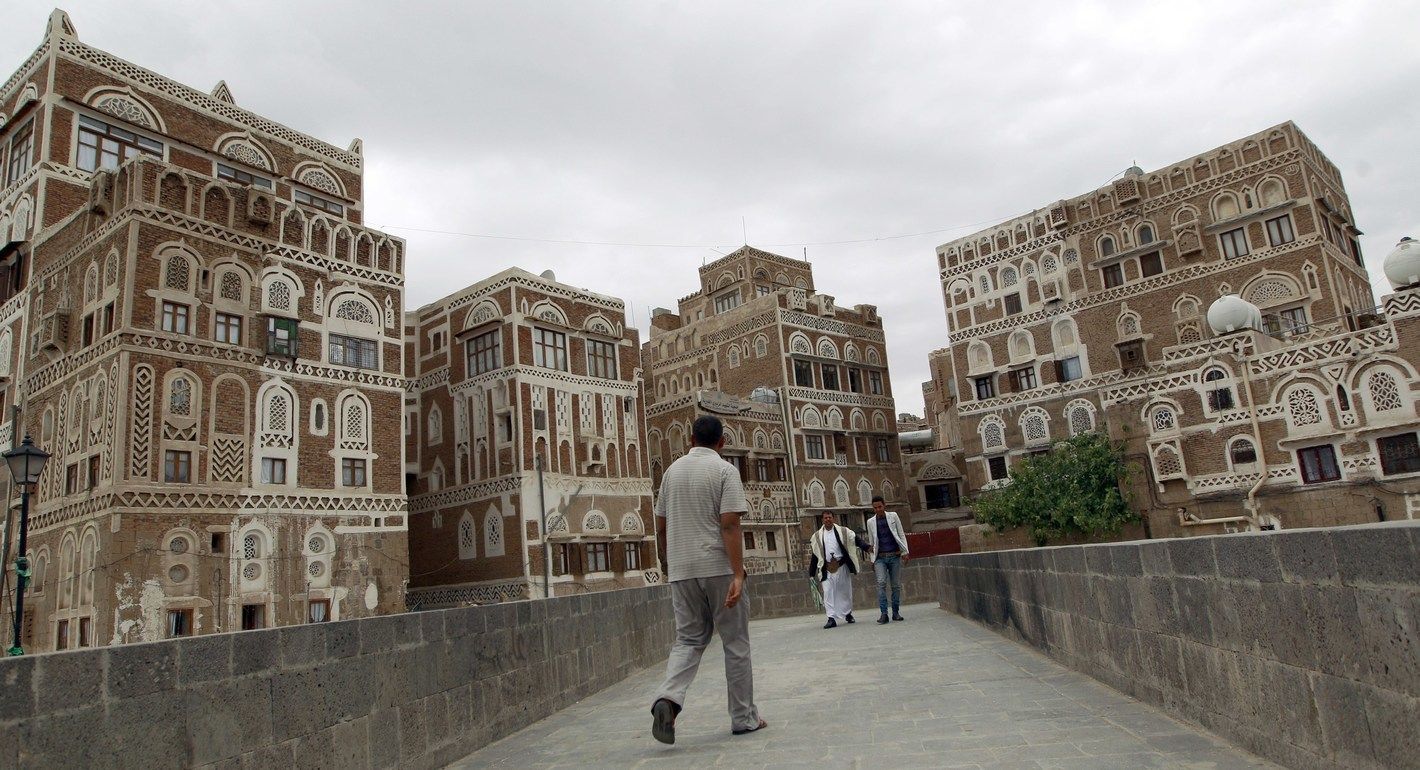
The chaos of street naming in Sana’a reflects the deep weakness of the Yemeni state and its failure to establish a unified urban identity, leaving residents to rely on informal, oral naming systems rooted in collective memory. This urban disorder is not merely a logistical problem but a symbolic struggle between state authority and local community identity.
Sarah Al-Kbat